
The slower side of the Costa del Sol: why it’s worth staying for longer
 25 April 2026
In 2025, the Costa del Sol welcomed 14.65 million visitors, setting a new record for the destination and underlining just how powerfully this stretch of coastline continues to draw travellers.
Yet for all that popularity, the way many people experience the Costa del Sol remains surprisingly narrow: a few days of sun, a hotel terrace, perhaps a dinner by the sea, then home again.
That familiar short-break formula still shapes the region’s image, but it no longer tells the full story. Beyond its beaches lies a cultural, culinary and natural landscape that resists compression into a three-day itinerary. To understand the Costa del Sol today is to give it time, and to travel differently.
Why staying longer changes the experience
The difference between a three-day visit and a week-long stay is not simply a matter of quantity. It alters the way the destination is experienced. With more time, itineraries become flexible, discoveries more organic, and the pressure to “see everything” fades.
For example, instead of choosing between a day in Málaga or a trip inland, a longer stay allows for both, without compromise. It also creates space for spontaneity, whether that’s following a local recommendation or lingering somewhere unexpected.
Rethinking how we book coastal breaks
This shift in perspective is increasingly reflected in how people plan their trips. Rather than compressing everything into a few days, travellers are beginning to prioritise flexibility and depth, opting for options such as long stay hotels on the Costa del Sol that make it easier to settle into a place rather than pass through it.
It’s a small change in approach, but one that can transform the experience entirely.
The Costa del Sol beyond the stereotype
The assumption that the region is built for short stays is largely a legacy of package tourism. Yet cities like Málaga have undergone a remarkable transformation, shifting from transit point to destination in their own right. The change is subtle but significant: a focus on art, gastronomy and urban renewal that rewards slower exploration.
Visitors rushing through often experience only the surface, a museum or two, a meal in the historic centre, before moving on. But this misses the rhythm of the place: mornings in neighbourhood cafés, late afternoons wandering lesser-known galleries, evenings that stretch into long, unhurried dinners.

Málaga’s cultural renaissance is not a one-day stop
Over the past decade, Málaga has positioned itself as one of Spain’s most dynamic cultural hubs. Institutions such as the Centre Pompidou Málaga have helped reshape the city’s identity, but the real shift is broader, visible in independent galleries, experimental spaces and a thriving food scene.
A common mistake is to treat Málaga as a stopover. In reality, its appeal lies in the details that only emerge over time: the contrast between contemporary art spaces and traditional mercados, or the way the city’s pace softens after the day-trippers leave.
The inland villages that most travellers never reach
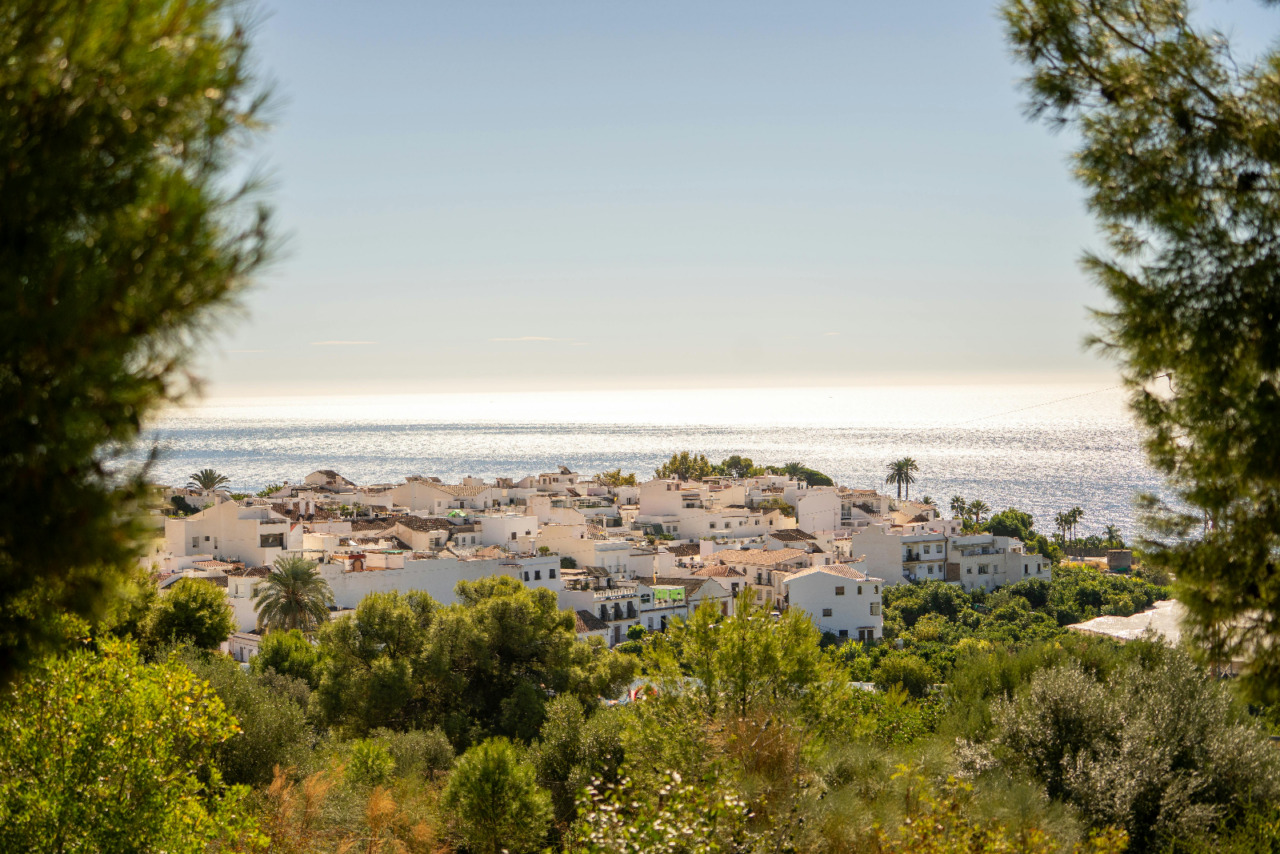
Step away from the coast and the landscape changes quickly. Whitewashed villages like Frigiliana or Ronda offer a different perspective, quieter, more rooted in Andalusian tradition, and often overlooked by those on tight schedules.
Reaching them requires more than a fleeting visit. Roads wind through mountains, viewpoints invite pauses, and the experience itself is less about ticking off sights than absorbing a slower rhythm. It’s here that the limitations of a short stay become most apparent.
A culinary corridor worth slowing down for
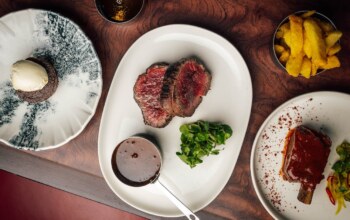
Between Marbella and Estepona, a growing concentration of restaurants has turned the coastline into a serious gastronomic destination. From Michelin-starred dining to inventive takes on local seafood, the region’s food scene is no longer secondary to its beaches.
Trying to sample it in a weekend often leads to rushed reservations and missed opportunities. Given time, however, it becomes possible to explore contrasts, from refined tasting menus to informal chiringuitos, and to understand how local ingredients shape the cuisine.
Nature that requires time, not just a glance
The Costa del Sol is also a gateway to protected natural areas that rarely feature in short itineraries. Inland parks and coastal reserves offer hiking routes, wildlife and a sense of scale that’s difficult to grasp in passing. According to the Junta de Andalucía, the region includes dozens of protected spaces, many within easy reach of the coast and three national parks.
These are not places to visit between airport transfers. They demand planning, patience and, above all, time, the very element most short breaks lack.
Conclusion
The Costa del Sol has not outgrown its reputation as a sun-soaked escape, but it has expanded far beyond it. To experience only the beaches is to miss a region in transition, one that blends culture, cuisine and landscape in ways that cannot be rushed. In a travel culture still shaped by short breaks, choosing to stay longer may feel like a luxury. Here, it is simply the only way to see the place properly.
The editorial unit


















Facebook
Twitter
Instagram
YouTube
RSS