
John Lennon: The Last Interview
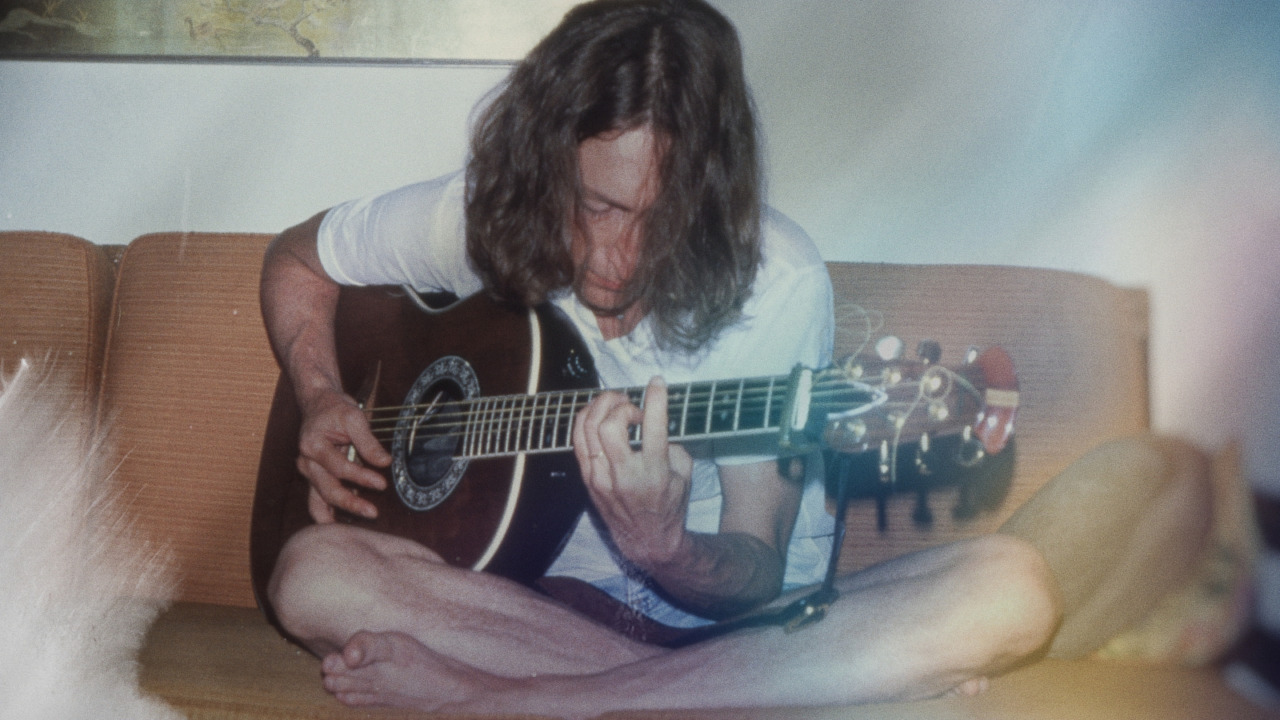

On 8th December 1980, just hours before he was killed outside the Dakota building in New York, John Lennon sat down with Yoko Ono for what would become his final interview. Conducted by Laurie Kaye, Dave Sholin, Ron Hummel and the late Bert Keane for a San Francisco radio station during the promotion cycle for Double Fantasy, the conversation ranged across music, domestic life, politics and Lennon’s renewed excitement about the future. Directed by Steven Soderbergh, John Lennon: The Last Interview presents nearly the complete recording for the first time, framing it with retrospective commentary from the crew who captured it.
There is, undeniably, an immediate fascination to hearing Lennon in this context. Free from the pressure of television performance or tightly managed press appearances, he sounds unusually relaxed and conversational, shifting easily between sharp humour and moments of genuine vulnerability. He speaks casually and openly about fatherhood, creative exhaustion or rediscovering joy in music after years away from the industry. Knowing what awaits him only hours later inevitably gives even the most mundane observations a tragic weight.
Yet the picture struggles to justify its feature-length runtime beyond the inherent historical significance of the recording itself. A single interview can absolutely sustain a documentary, but this one rarely reveals anything especially new about Lennon for anyone even moderately familiar with the vast Beatles media archive. Much of what he discusses – fame, activism, artistic freedom, his relationship with Ono – has already been explored repeatedly across decades in every form imaginable.
Soderbergh attempts to open up the audio-only material through visual additions, though most of them feel surprisingly hollow. The feature incorporates heavily enhanced still photographs and AI-generated sequences developed in partnership with Meta, but these interpolated images add neither substance nor style. Rather than complementing the intimacy of the recording, they often distract from it, creating a strangely synthetic texture around what is fundamentally compelling because of its authenticity.
More awkward still are the present-day reflections from the interviewers. Their lingering awe at having met Lennon – spoken about with the intensity of a life-defining spiritual experience – becomes faintly uncomfortable over time, particularly because they had no prior relationship with either Lennon or Ono. As one of them admits, the interview effectively began the moment Lennon entered the room. Their commentary rarely deepens the material and often feels less illuminating than the silences between Lennon’s own words.
For Beatles fans, John Lennon: The Last Interview will still hold undeniable appeal. But as a documentary, it ultimately depends entirely on its circumstances and fails to find any fresh perspective within them.
Christina Yang
Read more reviews from our Cannes Film Festival 2026 coverage here.
For further information about the event visit the Cannes Film Festival website here.








Facebook
Twitter
Instagram
YouTube
RSS