
Heat pumps vs heaters: Which is best for one’s interior?
 18 July 2026
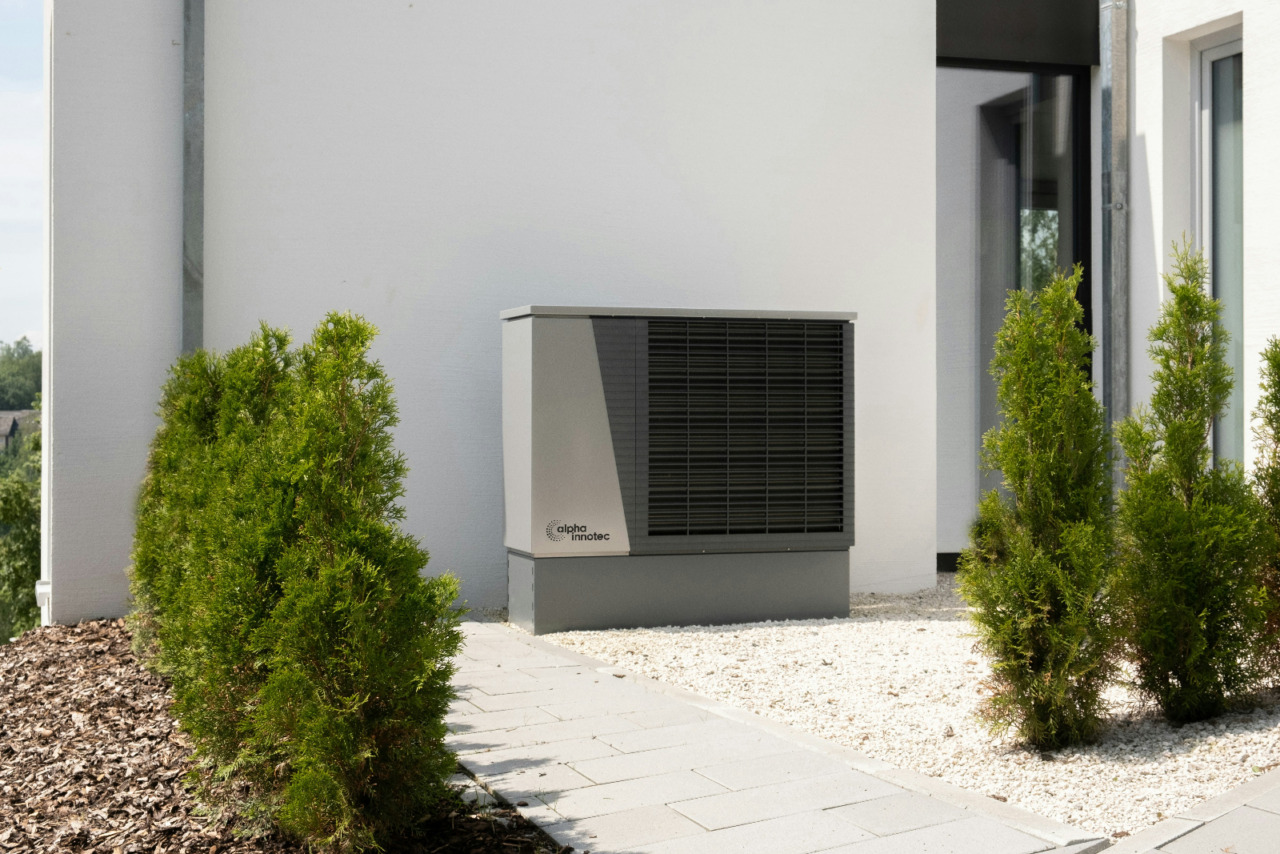
More and more people are looking to upgrade their heating systems and are considering installing a heat pump. If you are in this boat, here are a few of the key differences between a heater and a heat pump.
Energy efficiency
The first thing to consider is how energy-efficient heat pumps and heaters are. The efficiency of heaters will come down to a few factors, the first being how the heater is fueled. For example, if you have a wood-fired heater, its efficiency can be hindered by using wet or the “wrong” wood.
On the other hand, heat pumps are shown to be far more efficient, considering the system they use, and they aren’t reliant on fuel sources.
Heating costs
There are also big differences in heating costs between these two options. Because of their efficiency, heat pumps typically have lower heating costs while still producing more than enough heat for your needs.
Heaters, on the other hand, especially electric heaters, use far more electricity than you think. This is often seen during the coldest parts of Winter, when you leave the heater on longer just to maintain a decent temperature.
Upfront costs
There is a major difference in the upfront costs between a regular heater and a heat pump. Heat pumps are usually substantially more expensive than heaters; however, this is offset by the fact that you save a lot of money on energy costs in the long run.
Cooling option
Interestingly, one option also excels at cooling your home. During the hotter months, a heat pump can serve as an air conditioner of sorts, drawing hot air out of your home and cooling it.
However, if you opt for a regular heater, you will also need to spend money on a cooling system if you get both hot Summers and cold Winters.
Cold-weather performance
One of the most important considerations is how well each option performs in bitterly cold weather. Regular heaters typically don’t lose performance in cold weather, as they are indoors and the outside temperature has no impact on their performance.
Heat pumps, however, can struggle in extremely cold temperatures, and you may see a drop in performance. Nowadays, there are cold-weather models that can still perform at their best, even in sub-zero temperatures.
Safety
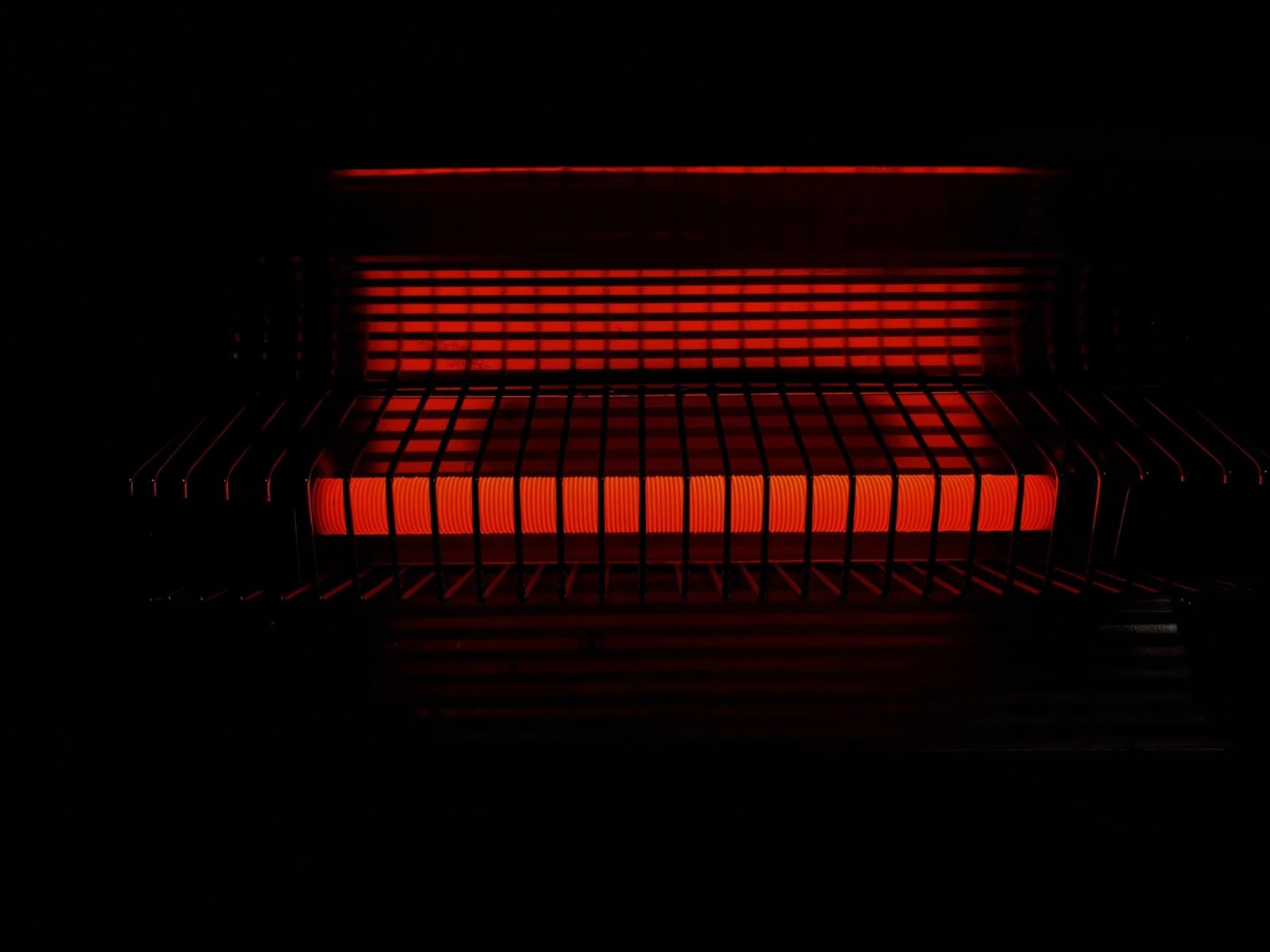
Safety concerns should also be considered, as heaters have and do cause many home fires. Wires short-circuiting or a fire getting out of control can cause massive amounts of damage. Additionally, carbon monoxide build-up can also be a problem.
Heat pumps don’t rely on a fuel source, and don’t produce any noxious gases that are released into your home. This means they are also safer to have if you have children and animals in your home.
Maintenance
Maintenance needs and costs can vary drastically between heat pumps and heaters. In most cases, the most extreme maintenance a regular heater needs is replacement. Other than that, you may need to replace wiring, coils, etc.
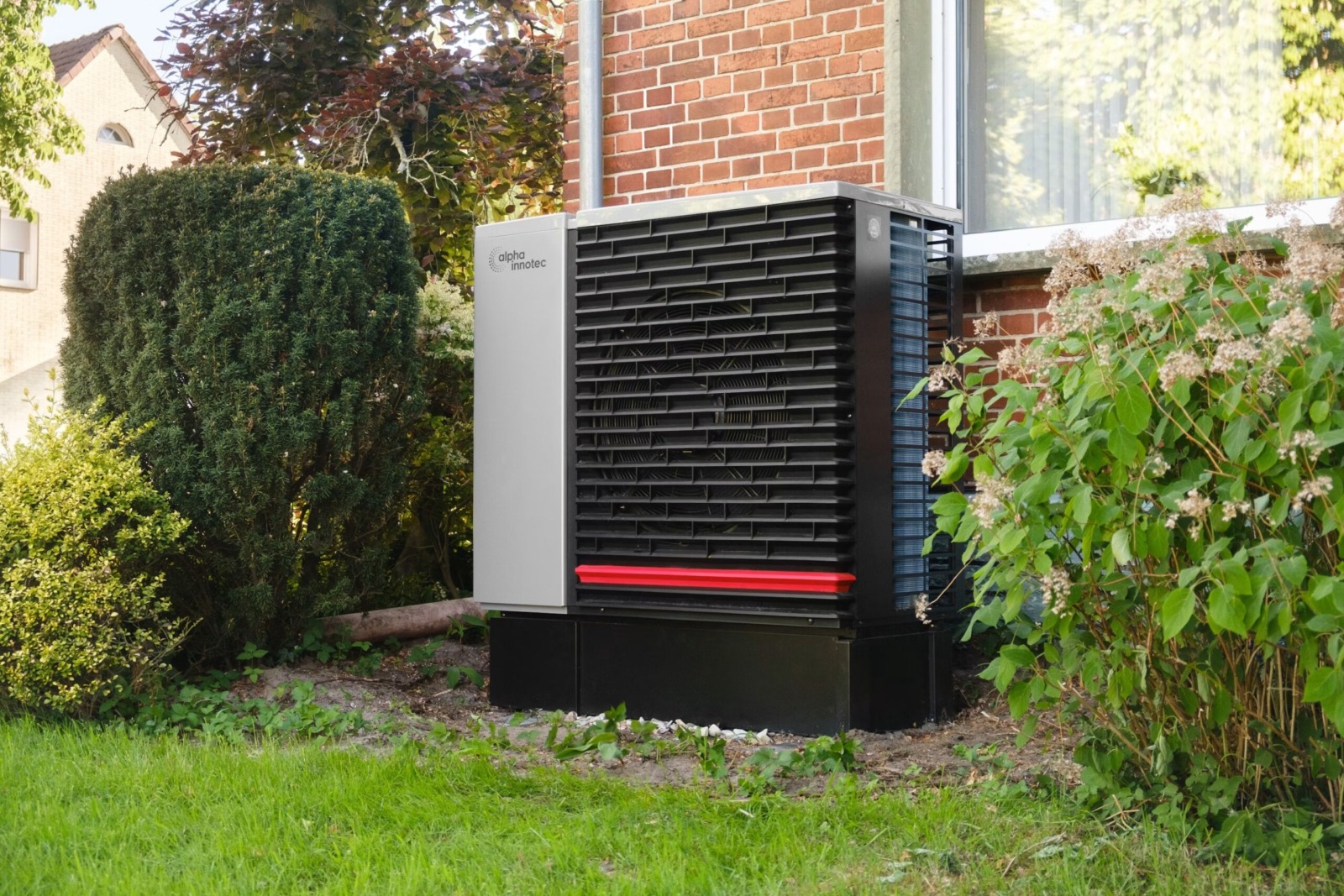
Heat pumps need regular maintenance and cleaning, especially the coils, filters, and the outdoor unit.
Lifespan
When it comes to lifespan, there are multiple factors to consider. On the surface, a heat pump and a wood-fired heater can last, on average, between 15 and 25 years. Electric heaters usually have a much shorter lifespan.
However, this will always come down to maintenance and how well you look after each type of system. Keeping parts updated and clean and ensuring you use the systems correctly, will extend their lifespans.
Size
There are also significant differences in size between regular heaters and heat pumps. Regular heaters only take up the same amount of space as their size, but you will obviously need more heaters if your home is bigger.
Heat pumps need both interior and exterior installation space and are much larger than regular heaters. While the space they need is negligible for larger homes, it can feel massive in smaller spaces.
Long-term value/resale value
In simple terms, heat pumps and heaters are on opposite sides of the spectrum. Regular heaters are far more affordable to purchase but often end up being more expensive to use in the long run.
Heat pumps are more expensive to buy and install, but will save you a lot of money in the long run on heating costs. Additionally, they have an amazing resale value and can add up to 10% to your home’s value if you decide to sell.
On the other hand, regular heaters barely hold onto their value, and as the months pass, you will be lucky if someone takes it off your hands for free, let alone pays you for it, no matter how expensive it was to buy in the first place.
In conclusion, the choice between a heat pump and a heater is up to you, but heat pumps shine in many areas that regular heaters don’t. Therefore, if you have the money, a heat pump could be exactly what you need.
The editorial unit























Facebook
Twitter
Instagram
YouTube
RSS