
BBC Proms: Pappano Conducts Berlioz’s Requiem at the Royal Albert Hall
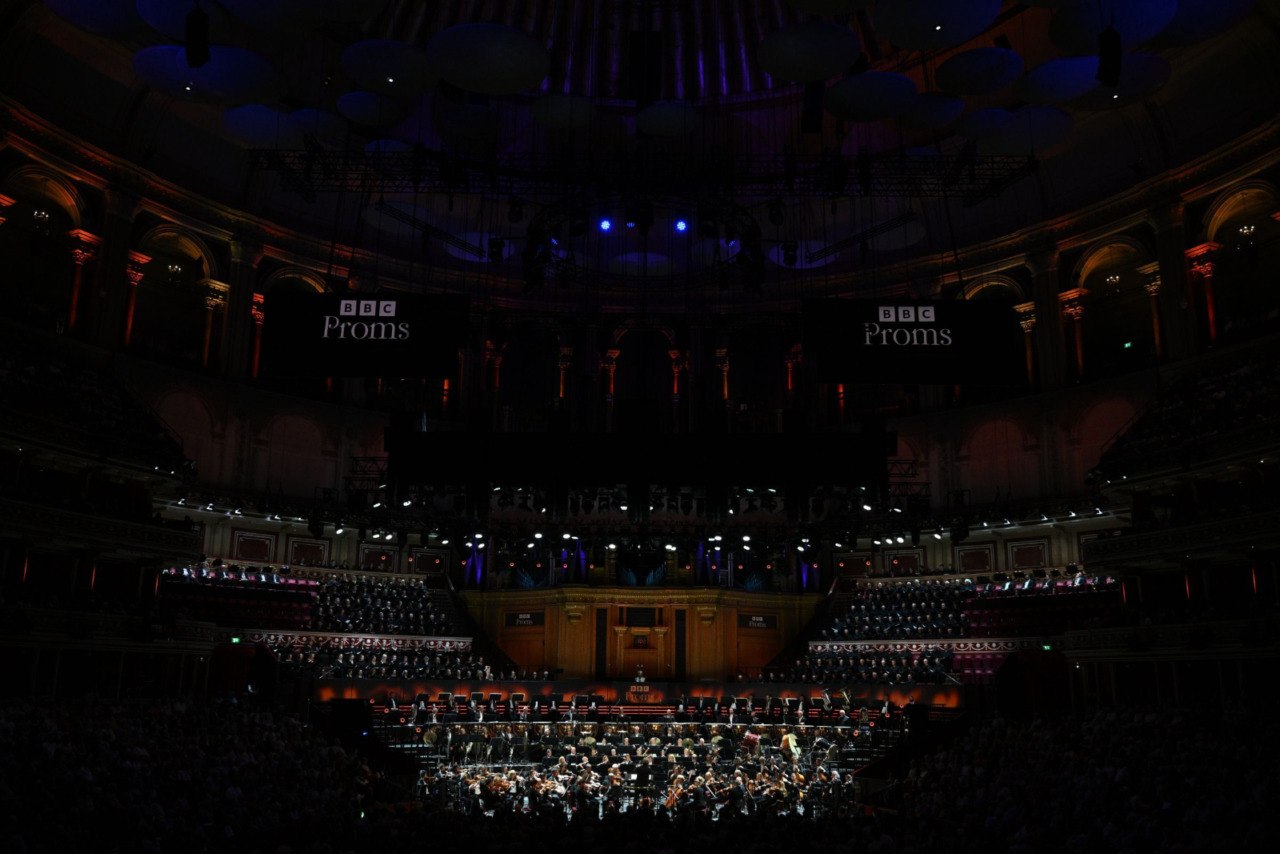


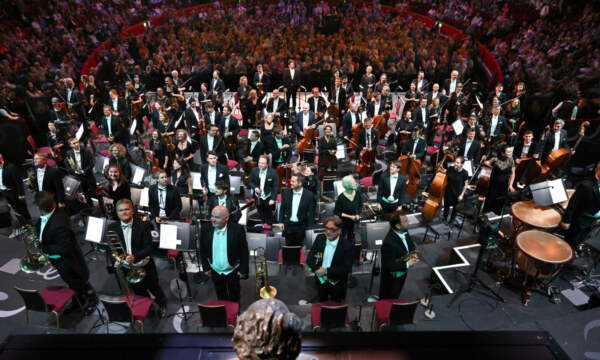
Hector Berlioz’s Requiem is a rich and majestic work. So much so that, for this Proms season performance, it requires both the BBC Symphony Chorus and London Symphony Chorus combined (for a total of over 200 singers), and an expanded London Symphony Orchestra including ten timpanists and four brass ensembles. Given its 1837 premiere demanded 450 performers, these sums sound like the minimum, and indeed the composer noted that the number of performers was only indicative and could be doubled or more. Sir Antonio Pappano directs such vast forces with intensity in the polished and potent orchestration, for 82 minutes of melodic magniloquence.
The ten movements are a brilliant ebb and flow of arrangements: they interplay between the high and low registers, and echo one another with contrasting sequences.
The opening Requiem Aeternam and Kyrie is a growing accumulation of the various instruments, with a soave introduction from the choruses, sopranos and altos set on one side of the choir stands, tenors and basses on the other. Dies Irae follows, with a grave passage from the cellists, and the luminous sopranos providing a counterpoint. The subject of this movement, Judgment Day, is evoked in the loud modulation of the voices, and eventually rings out vehemently with the entrance of the brass groups – first striking a single, powerful note, then building through the score. The timpani thunder through too.
Rex Tremendae has a vivacious dynamic in the dialogues between the choruses, who continue to beguile throughout the subsequent movements. Lacrimosa begins with a brittle edge: the strings favour accents over fluidity. Also, all the other sections come in fragmented phrases. The brass – located at different levels of the hall – add an enveloping depth.
Moving to the Offertory, in the seventh movement, Domine Jesu Christe, the chorus takes a less dominant role, the voices becoming one instrument among the others. The violins move among volumes, now strong and vibrant, now soft and delicate, particularly towards the end, when they hover at the threshold of audibility.
Tenor Julien Henric leads the Sanctus with command, and, as the chorus joins in, refined pianissimo cymbals cast a celestial acoustic veil. The Agnus Dei reprises a few phrases with subtle alterations, making the sequence feel new and familiar at the same time, all ending in an Amen plush with the gentle plucking of the strings.
The scale of the orchestra and choruses may point to an intimidatingly ornate Grande Messe des Morts, but that’s not the case with Berlioz. The evening’s ensemble on stage, paired with Pappano’s intensity and flair, forged a compelling unison that earned a very prolonged final applause.
Cristiana Ferrauti
Photos: Chris Christodoulou
For further information and future events, visit BBC Proms: Pappano Conducts Berlioz’s Requiem’s website here.










Facebook
Twitter
Instagram
YouTube
RSS