
A look into today’s smart offices and why it could work for you
 17 August 2026
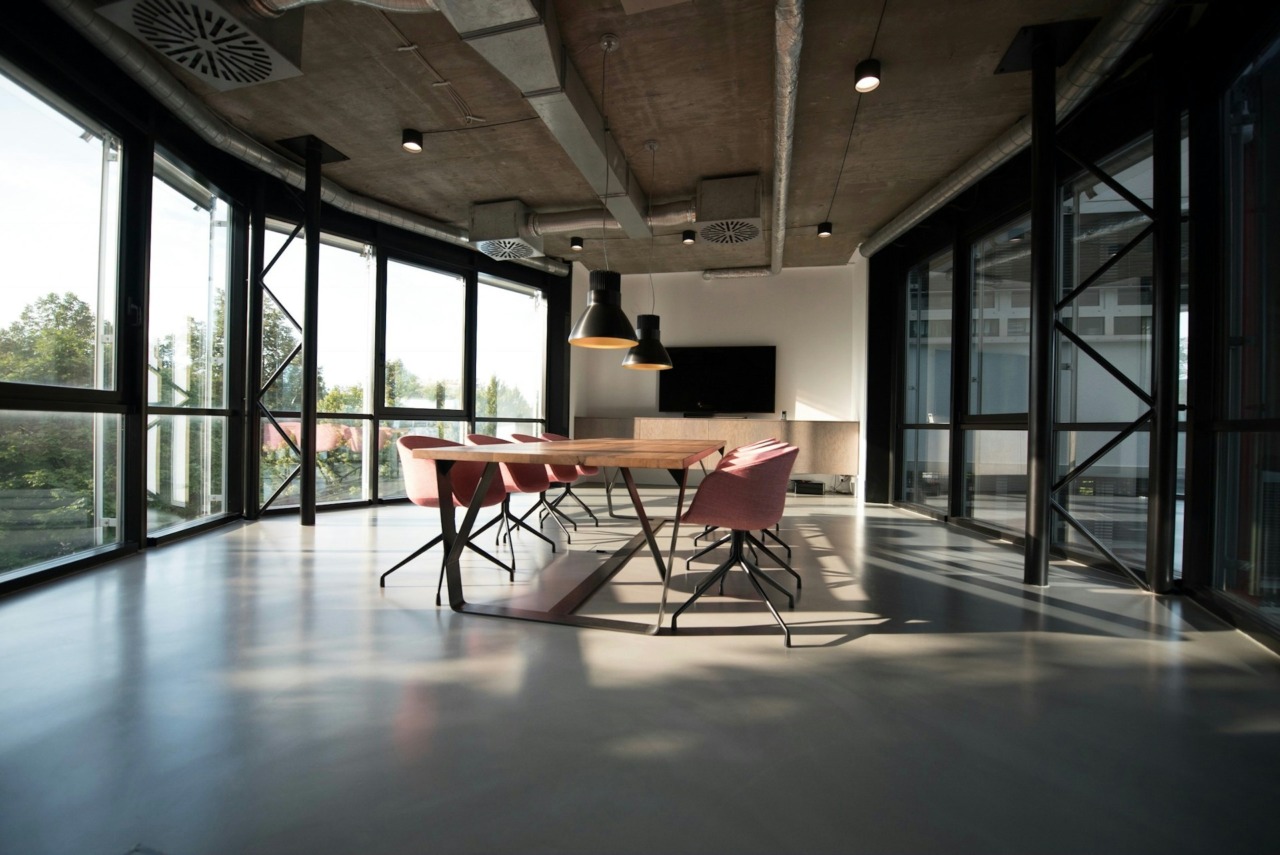
The way we use offices has changed considerably over the past few years. Flexible schedules, hybrid working and growing expectations around sustainability have encouraged businesses to reconsider what they actually need from their workplace. Technology is increasingly becoming part of the answer.
A modern office can now do far more than provide desks, meeting rooms and internet access. Connected technology can help businesses understand how their space is being used and make adjustments that improve comfort, efficiency and the overall working experience. Rather than introducing technology simply for the sake of appearing innovative, the focus is increasingly on creating workplaces that respond to genuine needs.
What exactly is a smart office?
A smart office uses connected technology, sensors and data to make the workplace more responsive to the people using it. This could involve systems controlling lighting and temperature, technology monitoring occupancy, automated meeting room bookings, or sensors providing information about air quality.
The important distinction is that these technologies can work together. Instead of having individual gadgets performing isolated tasks, a thoughtfully designed smart workplace creates a connected environment capable of responding to changing conditions.
Making better use of office space
One of the most practical benefits of workplace technology is the information it can provide about how an office is actually being used. Traditional offices were often planned around total employee numbers and permanently assigned desks. Hybrid working has complicated that approach because the number of people attending the workplace can vary significantly throughout the week.
Occupancy sensors and workplace platforms can give organisations a clearer understanding of these patterns. A business might discover that certain meeting rooms are consistently busy while others are rarely used, or that particular areas become crowded on certain days. That information can inform future decisions about layouts and facilities. Instead of relying solely on assumptions, businesses can adapt their workplace according to genuine patterns of demand.
Creating a more comfortable environment
Smart technology can also influence everyday comfort. Lighting, temperature and air quality all contribute to how pleasant an office feels, yet traditional building systems do not always respond particularly well to changing occupancy or environmental conditions.
Modern systems can monitor factors such as daylight, temperature, humidity and carbon dioxide levels. Lighting can respond to the amount of natural light available, while ventilation can be adjusted when occupancy increases. These relatively subtle changes can make the workplace feel more responsive without requiring employees to constantly adjust their surroundings themselves.
Supporting flexible and hybrid working
Hybrid working creates a particular challenge for office management: businesses need enough space for busy periods without maintaining large amounts of unnecessary capacity throughout quieter days. Smart workplace tools can make this easier to manage. Desk and meeting room booking platforms allow employees to plan their visits, while occupancy technology can provide a clearer picture of what is actually available.
The result can be a more predictable experience. Employees arriving at the office can have greater confidence that they will find an appropriate place to work, meet colleagues or hold a call. Technology can also help identify unused bookings. If a meeting room has been reserved but nobody arrives, an integrated system may release it so that someone else can use the space.
Improving energy efficiency
There is little value in heating, cooling or lighting large areas of an office that nobody is using. Smart building technology offers businesses an opportunity to align energy consumption more closely with actual demand. Occupancy sensors can help building systems recognise which areas are active, while intelligent lighting and heating controls can respond accordingly. Over time, the data generated by these systems can also reveal patterns that help facilities teams make more informed decisions.
This does not mean technology alone will make an office sustainable. Other workplace methods must be implemented in order to do that. Building design, materials, equipment and employee behaviour remain important. However, intelligent systems can form part of a broader strategy for reducing unnecessary consumption.
Is a smart office right for every business?
There is no single specification that makes an office “smart”. A smaller company may benefit from straightforward desk booking and automated lighting, while a large organisation could require sophisticated building management, occupancy monitoring and environmental controls. The best approach is to begin with the needs of the people and the organisation rather than the technology itself. Businesses can consider where existing workplace frustrations occur, which spaces are under pressure and where resources may be going to waste. From there, appropriate technology can be introduced to solve specific problems.
The editorial unit






















Facebook
Twitter
Instagram
YouTube
RSS