
Over/Under
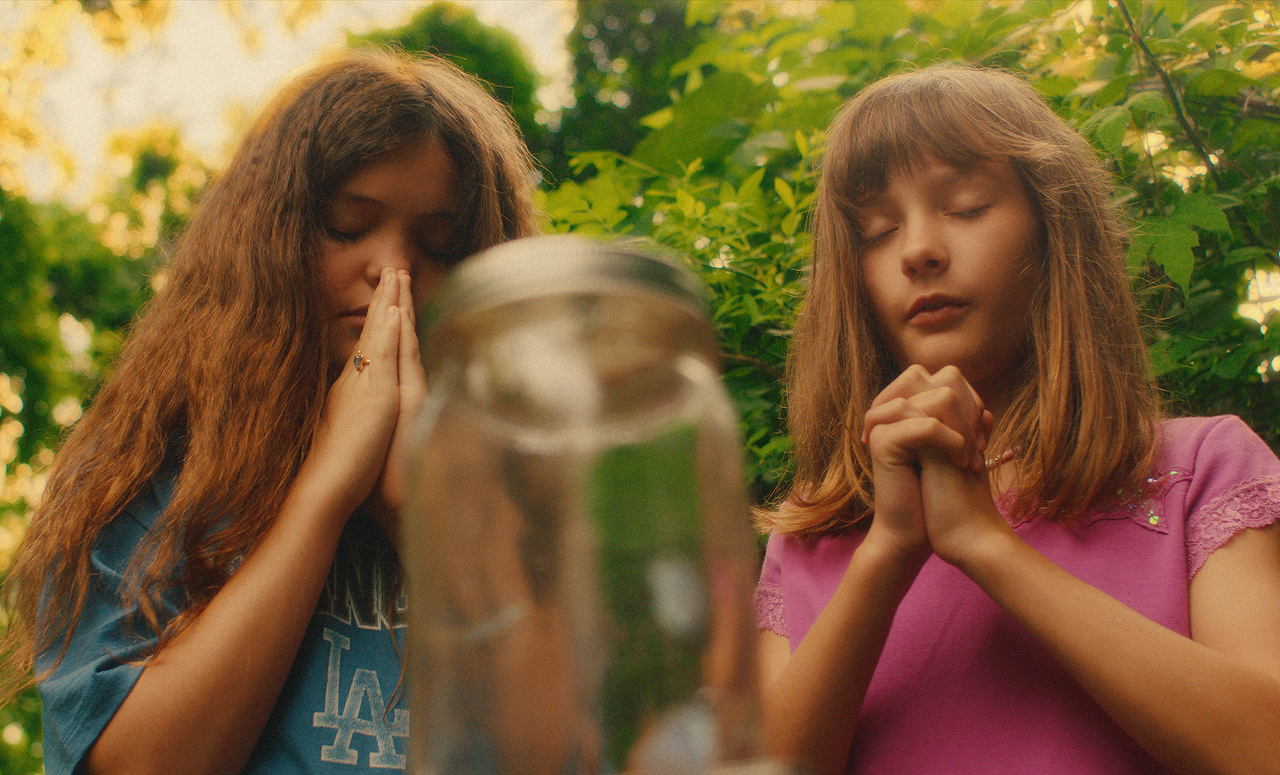


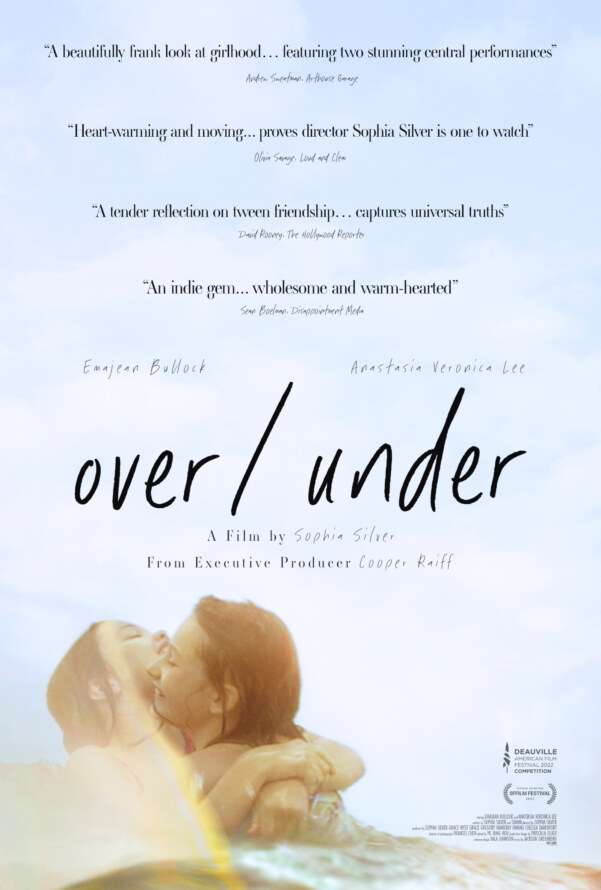
Quietly introspective – and at times visceral in its exploration of the changing female body and friendships between young girls – Over/Under is a coming-of-age story that highlights how silence can be just as effective a storytelling technique as dialogue. It follows two best friends, Violet and Stella, who meet once a year during summer vacation, and journeys through their contrasting separate lives between the ages of nine and 13. Over/Under explores how their experiences change them as people and how these minute shifts in personalities and the pressures of growing up ultimately affect their friendship.
While both actors are charming in their roles, Emajean Bullock as Violet is undoubtedly the star of the feature. She perfectly captures Violet’s ever-changing mood, from her false sense of bravado over Stella, her anger at the circumstances surrounding her parents’ separation, to her exaggerated posturing of maturity in her experiences with boys. Bullock toes the line between garnering sympathy from viewers for Violet’s struggles with growing pains, her parents’ constant fighting, and bullies, and evoking frustration in them with her reckless decisions and disregard for Stella’s feelings. It speaks to the multitude of emotions and impulsive actions of young teenagers trying to navigate peer pressure and puberty. Still, the most captivating arc of the piece has to be Anastasia Veronica Lee as Stella coming to terms with mortality and the fragility of time.
Over/Under uses nature, immersing viewers in the sights of sand and trees, and the sounds of running water and crashing waves. There’s a sort of haven in the vibrant warmth of the colour filters and the atmosphere this sets, especially in the summer scenes where the two girls meet up. It truly showcases how their friendship offers comfort and a safe space for both of them. Nature is also symbolic of hope, especially the morning moths the two catch to make wishes with. These insects reflect Violet’s innocence and initial childlike optimism, and when her anger grows, she crushes one, creating this sense of dark hopelessness. It’s not until Violet and Stella’s reunion that a morning moth is seen again. Production expands on these themes through the cinematography’s use of symmetry to emphasise the importance of the two being together, and shaky camera movements that heighten the restlessness surrounding growing up.
Still, the most powerful aspect of Over/Under is its ending, which shows the two friends silently reconciling. There are words unspoken, and their problems are not fully resolved, yet their friendship remains ever-present. This is an ending that’s as beautiful as it is truthful, reminding viewers that their story goes on even when the credits roll, leaving an endless list of possibilities – good and bad. Sophia Silver’s film closes with the notion of limitless hope and the anxiety for what comes next.
Mae Trumata
Over/Under is released for home viewing on 24th August 2026.
Watch the trailer for Over/Under here:






















Facebook
Twitter
Instagram
YouTube
RSS