
Billy Corgan at Royal Festival Hall
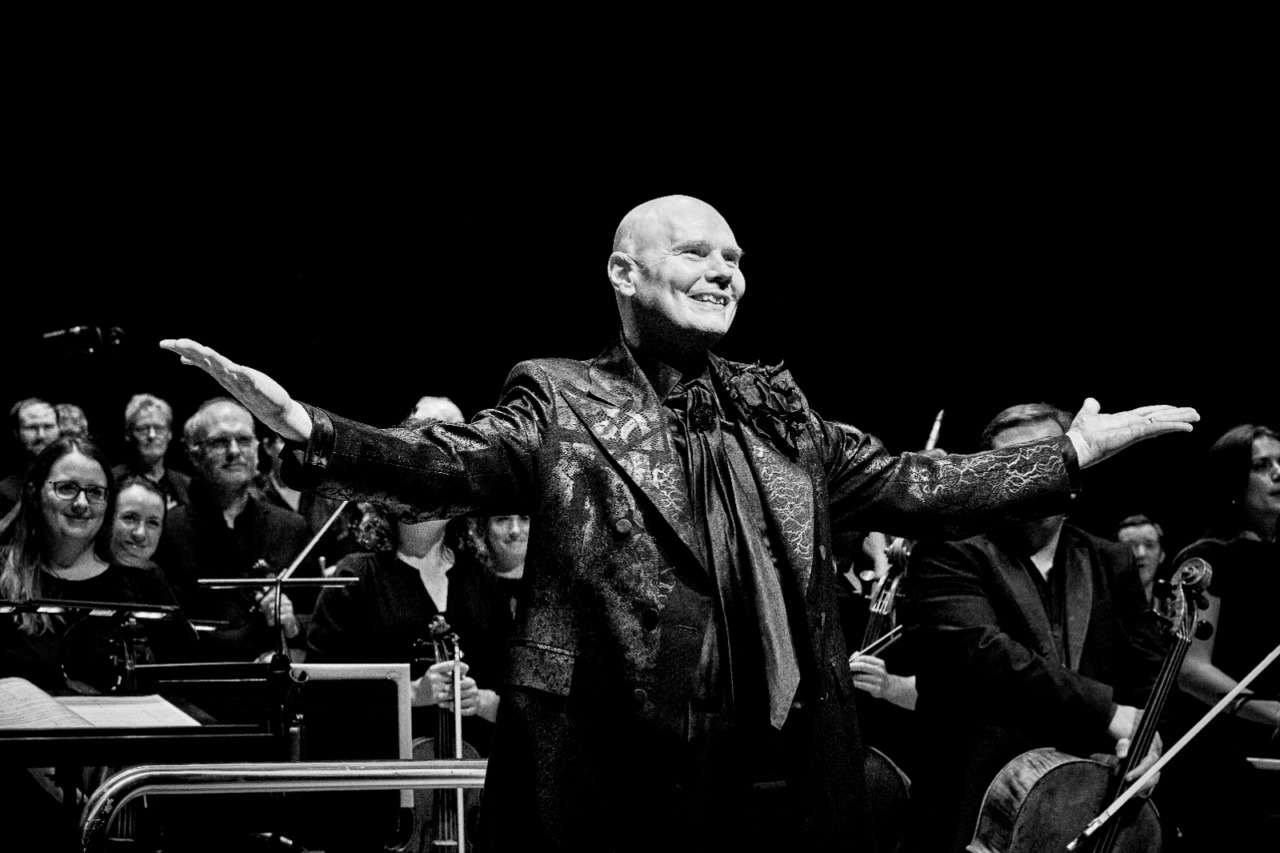


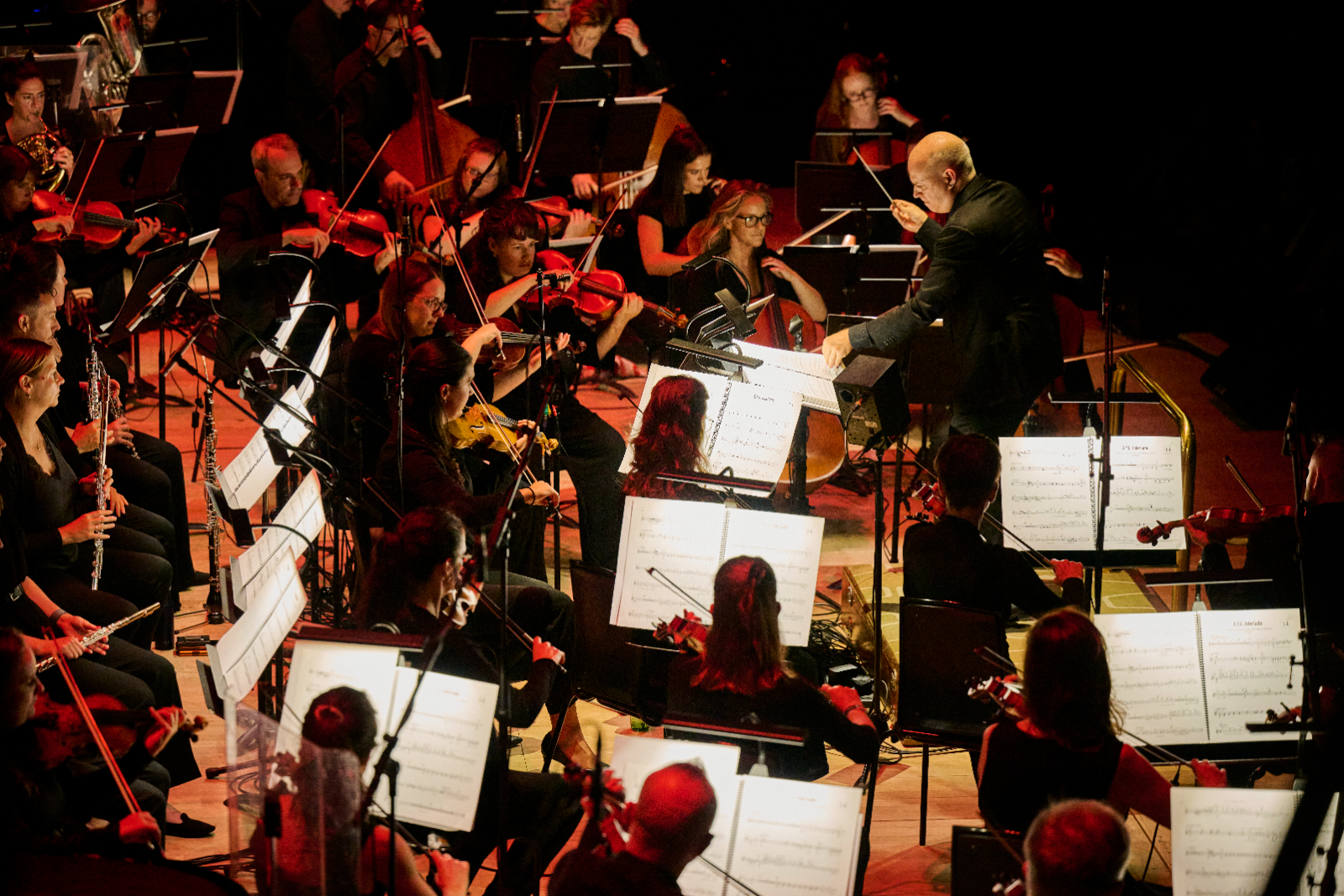
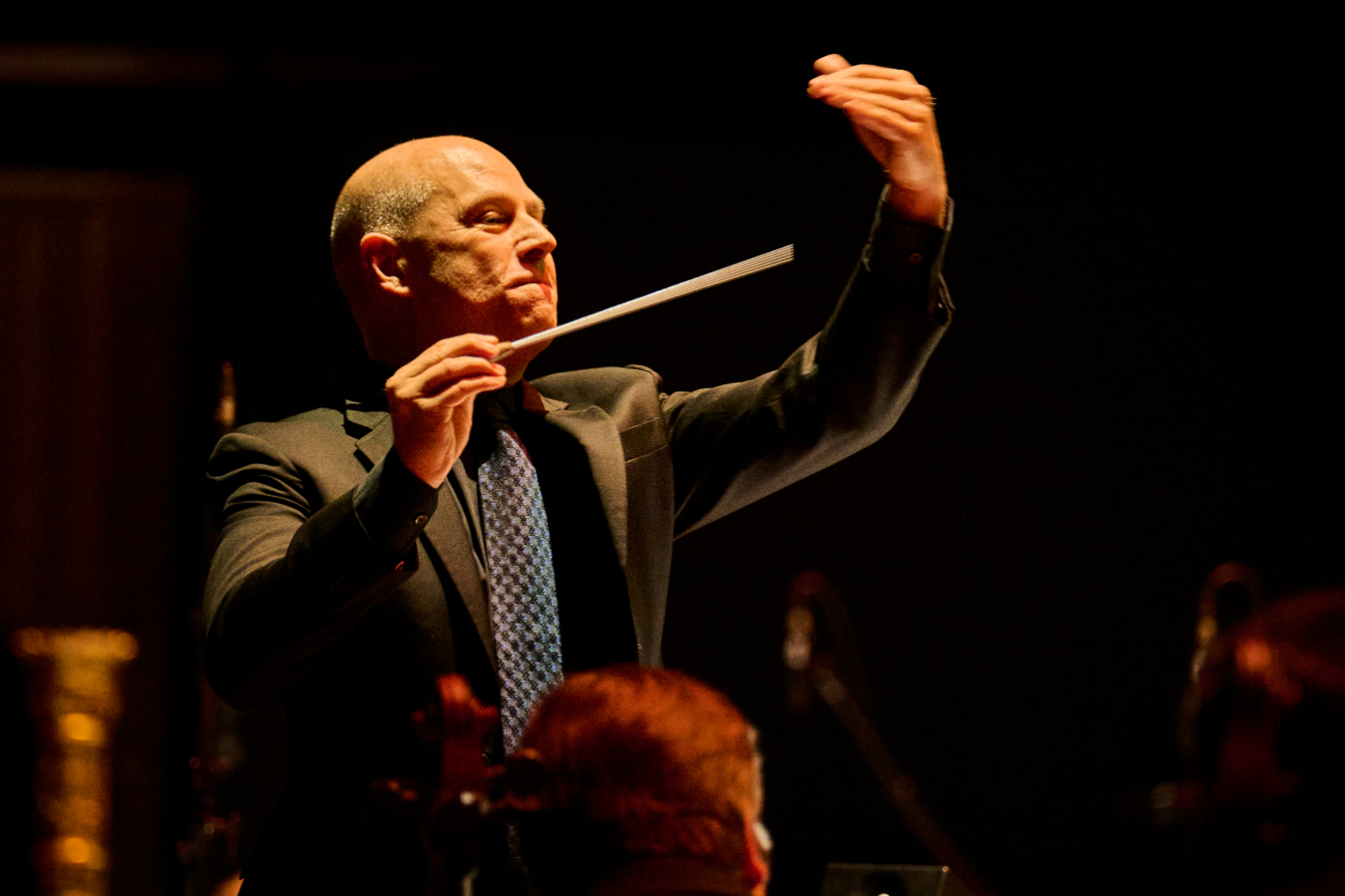
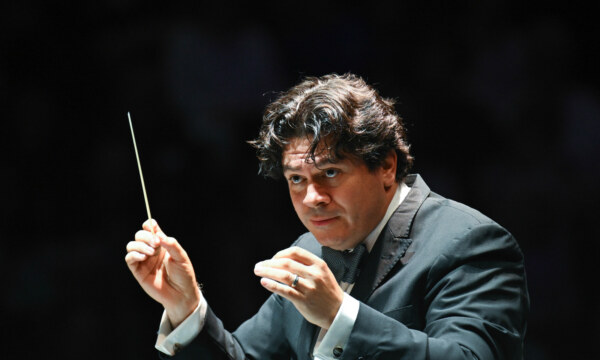
The sound of a generation gets an operatic makeover. Billy Corgan and Grammy-nominated composer and conductor James Lowe join forces to reimagine one of the most influential albums of the late 90s: The Smashing Pumpkins’ Mellon Collie and the Infinite Sadness. If music is a language, Corgan has found a way to translate his opus into classical form without forcing it. While some songs lend themselves to the transformation more than others, the night does not lack for magical moments.
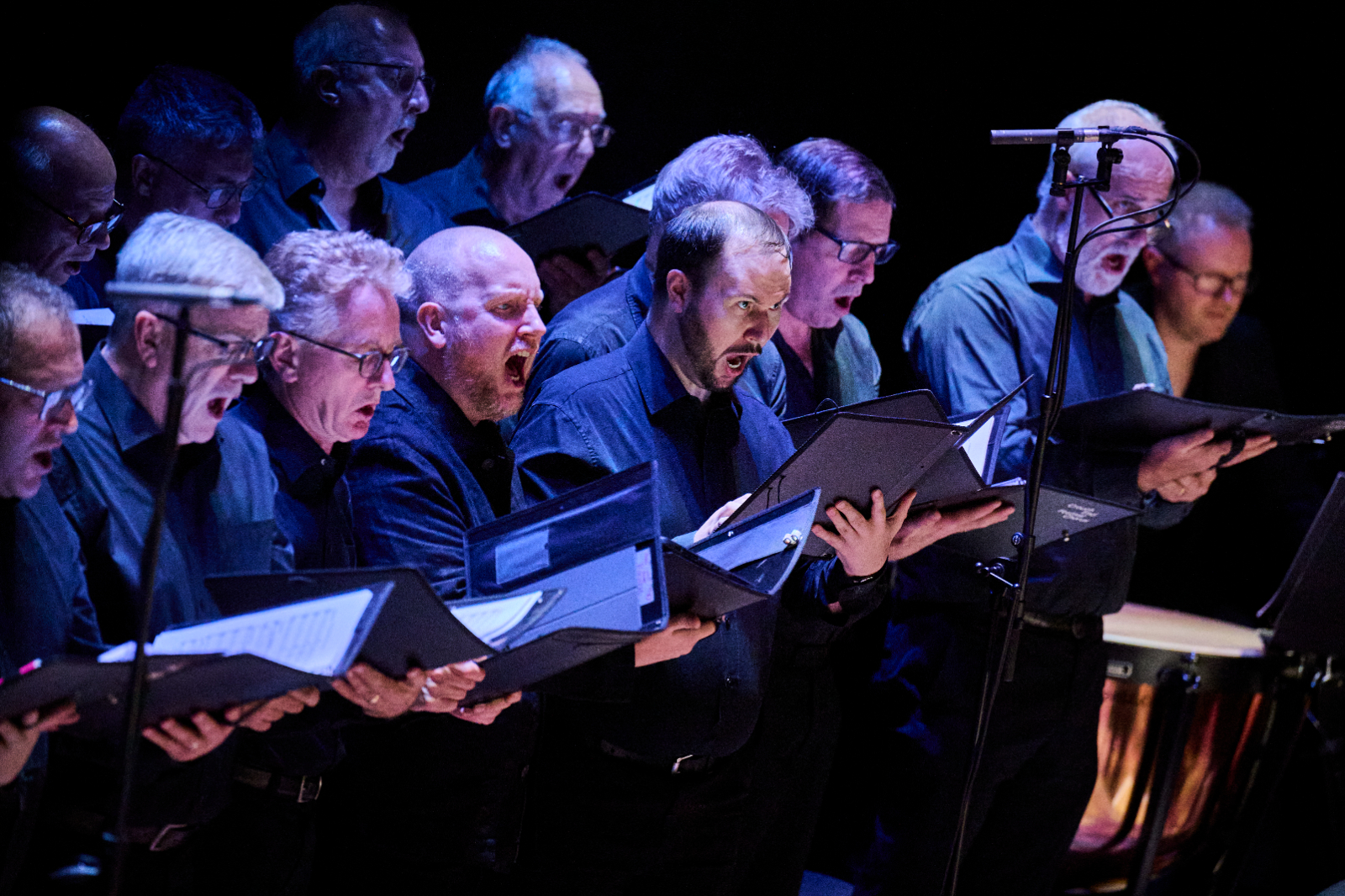
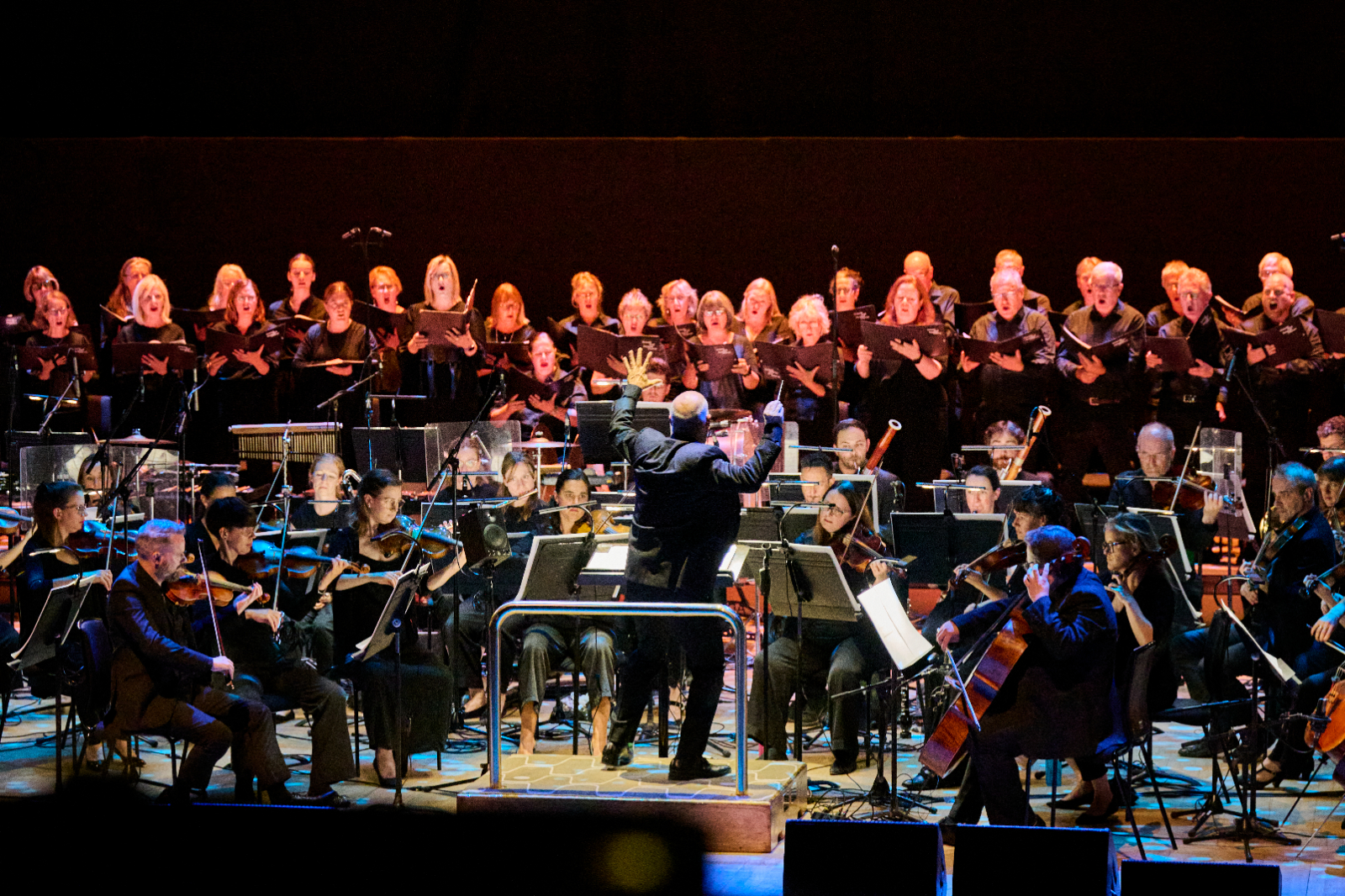
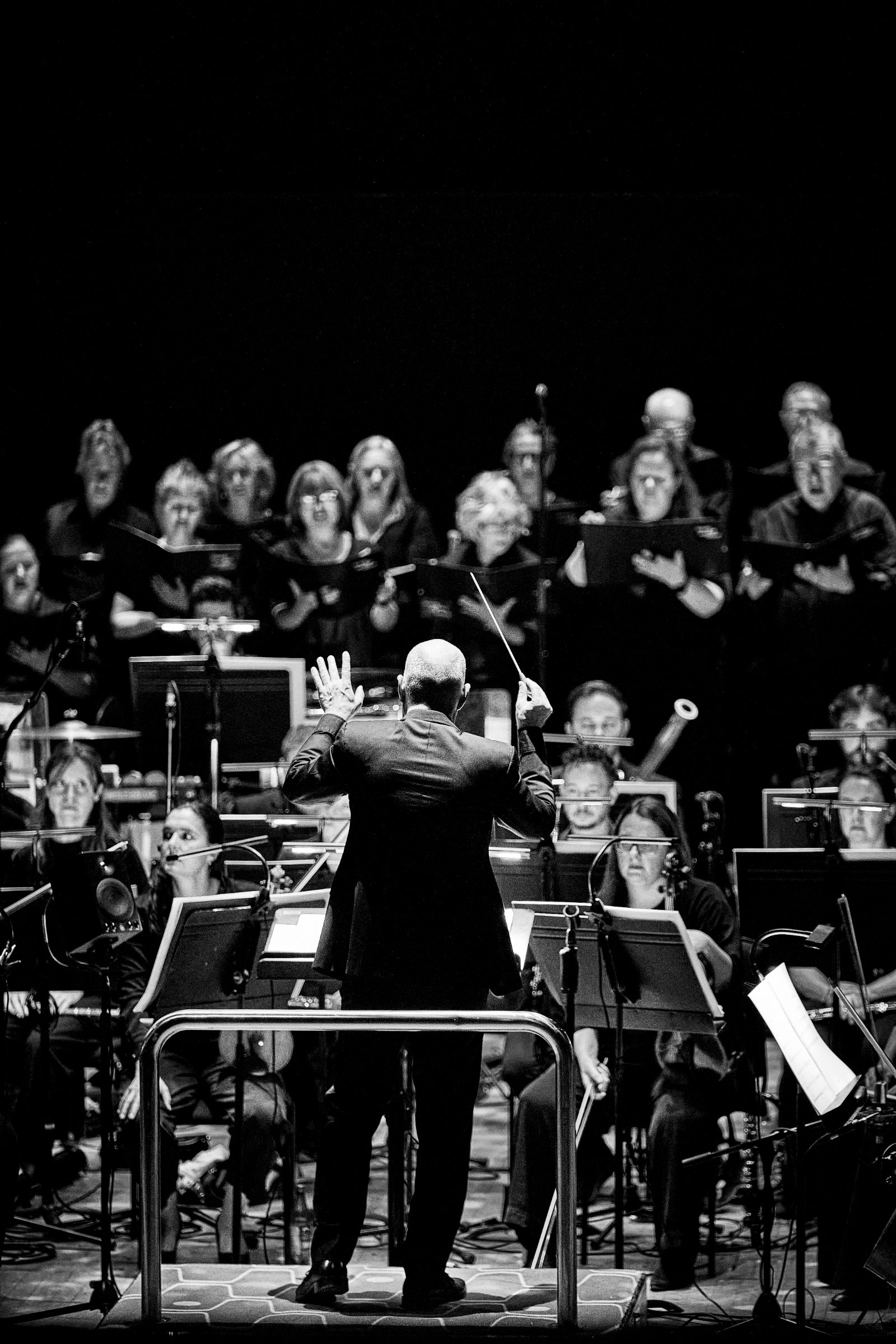
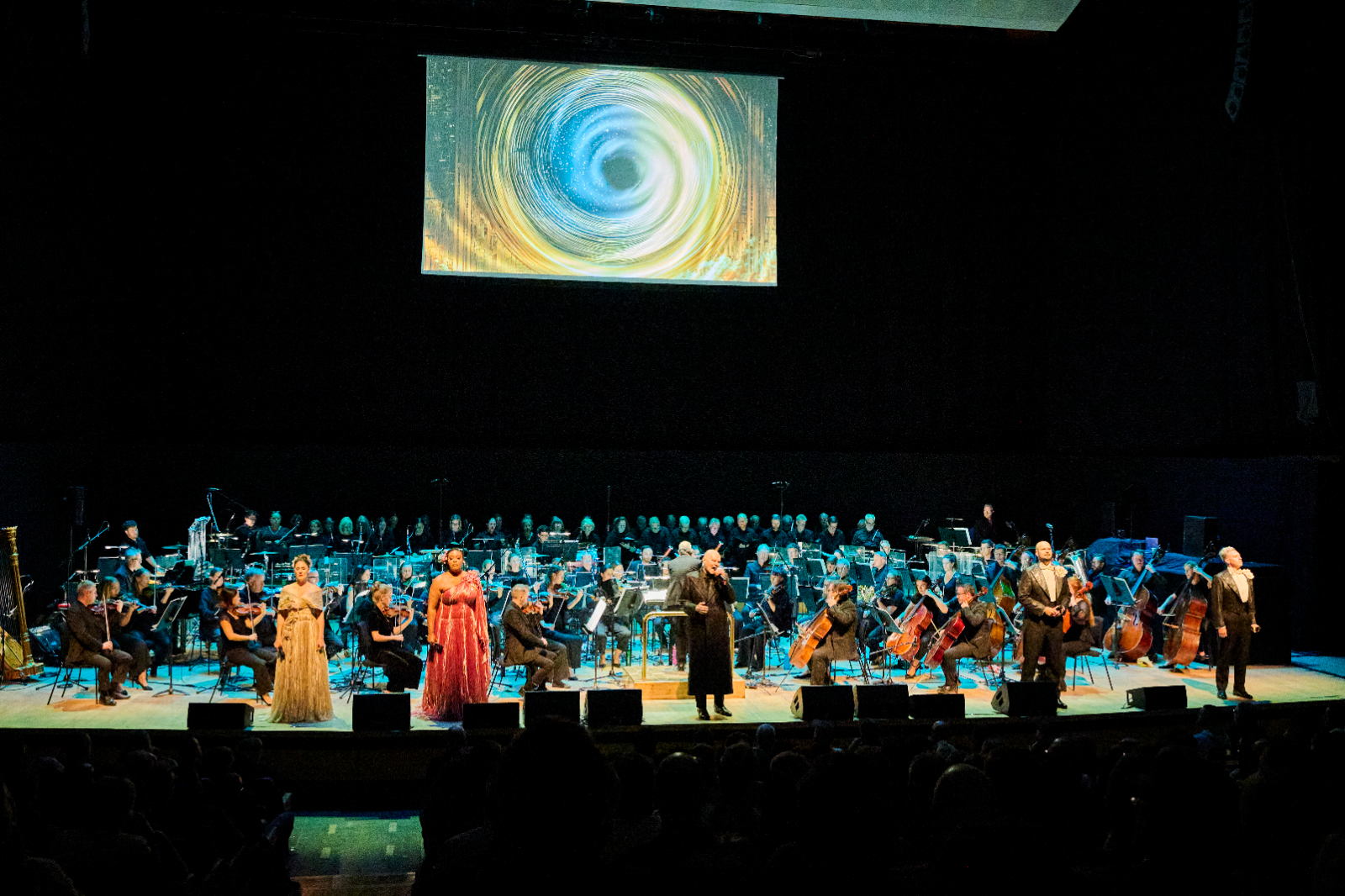
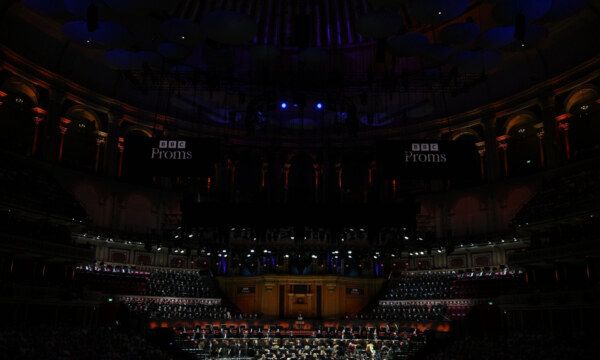
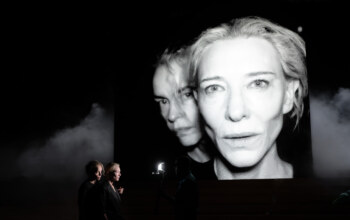
The audience, full of anticipation, first welcomes the orchestra and the conductor, followed by the Crouch End Festival Chorus. A video monitor shows abstract visuals that mesmerise at first but inevitably become a little monotonous.
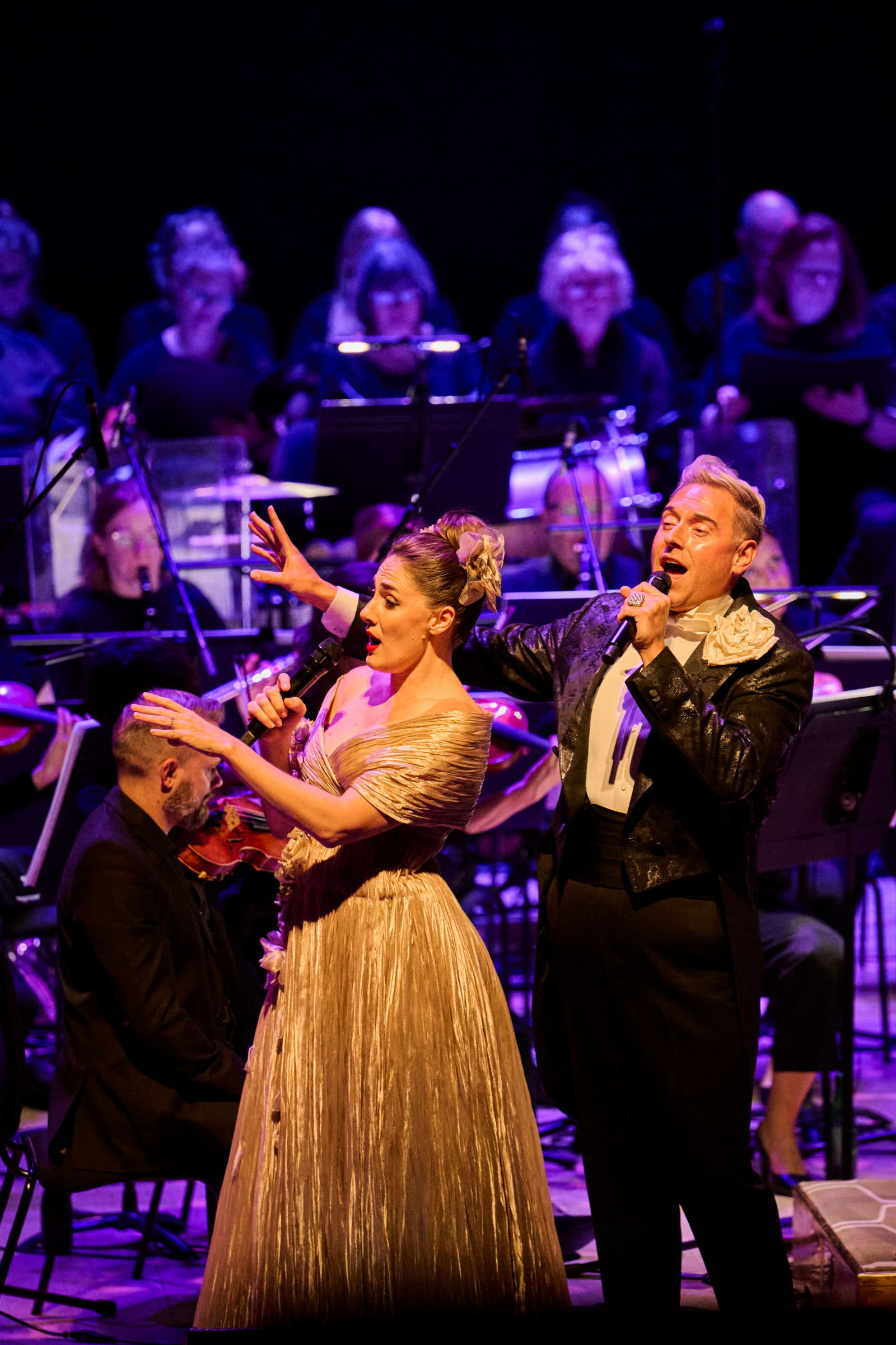
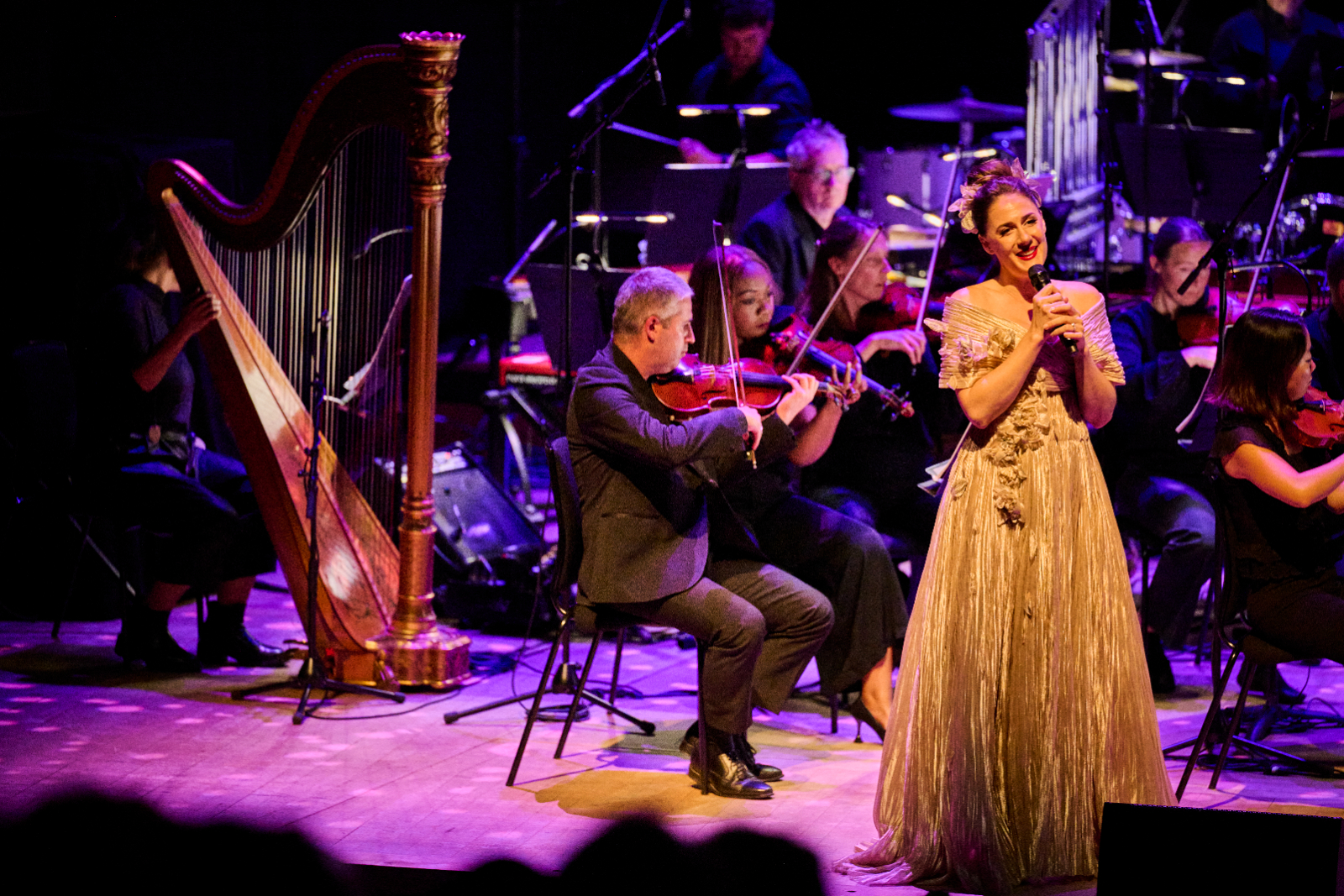
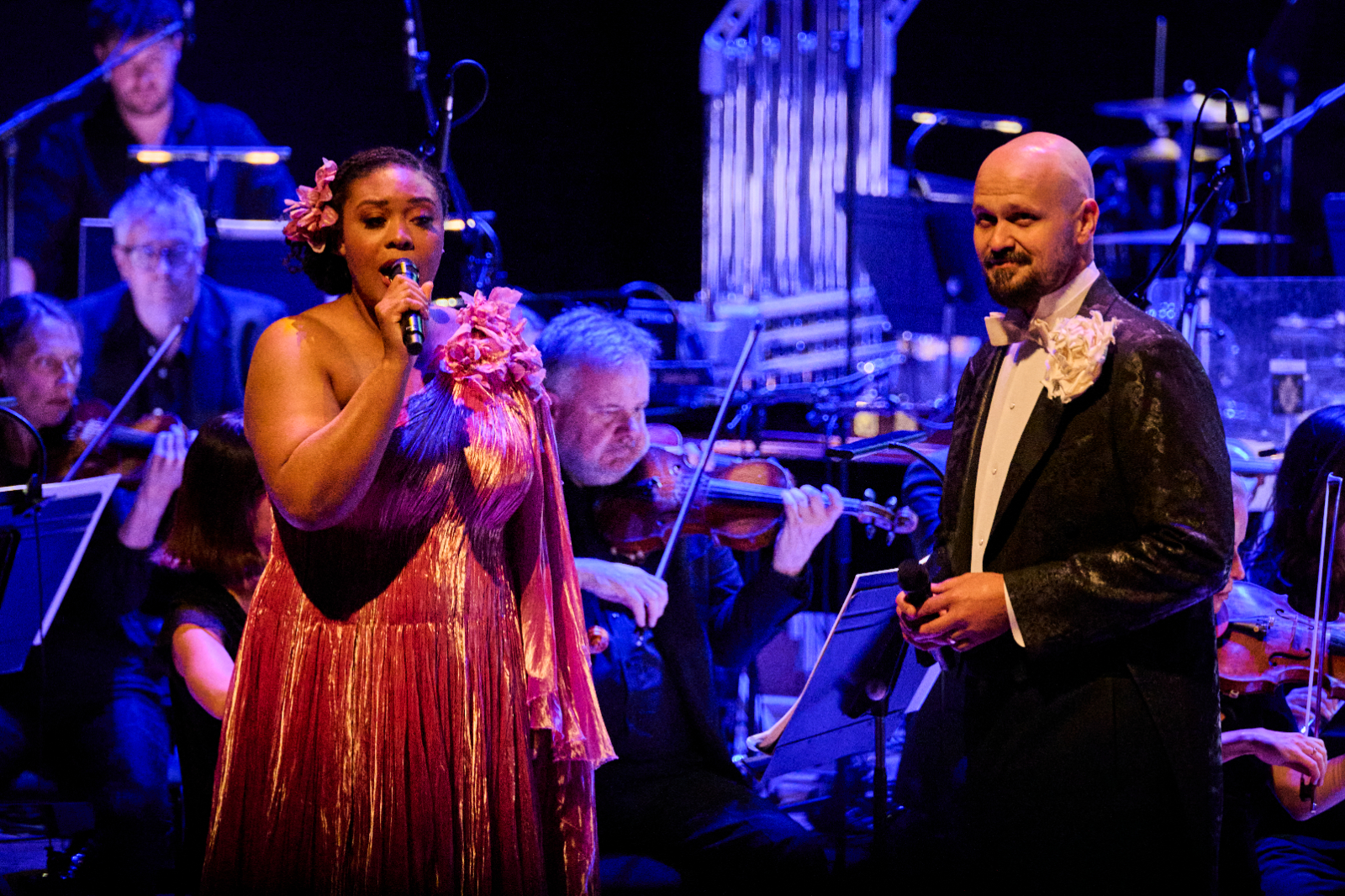
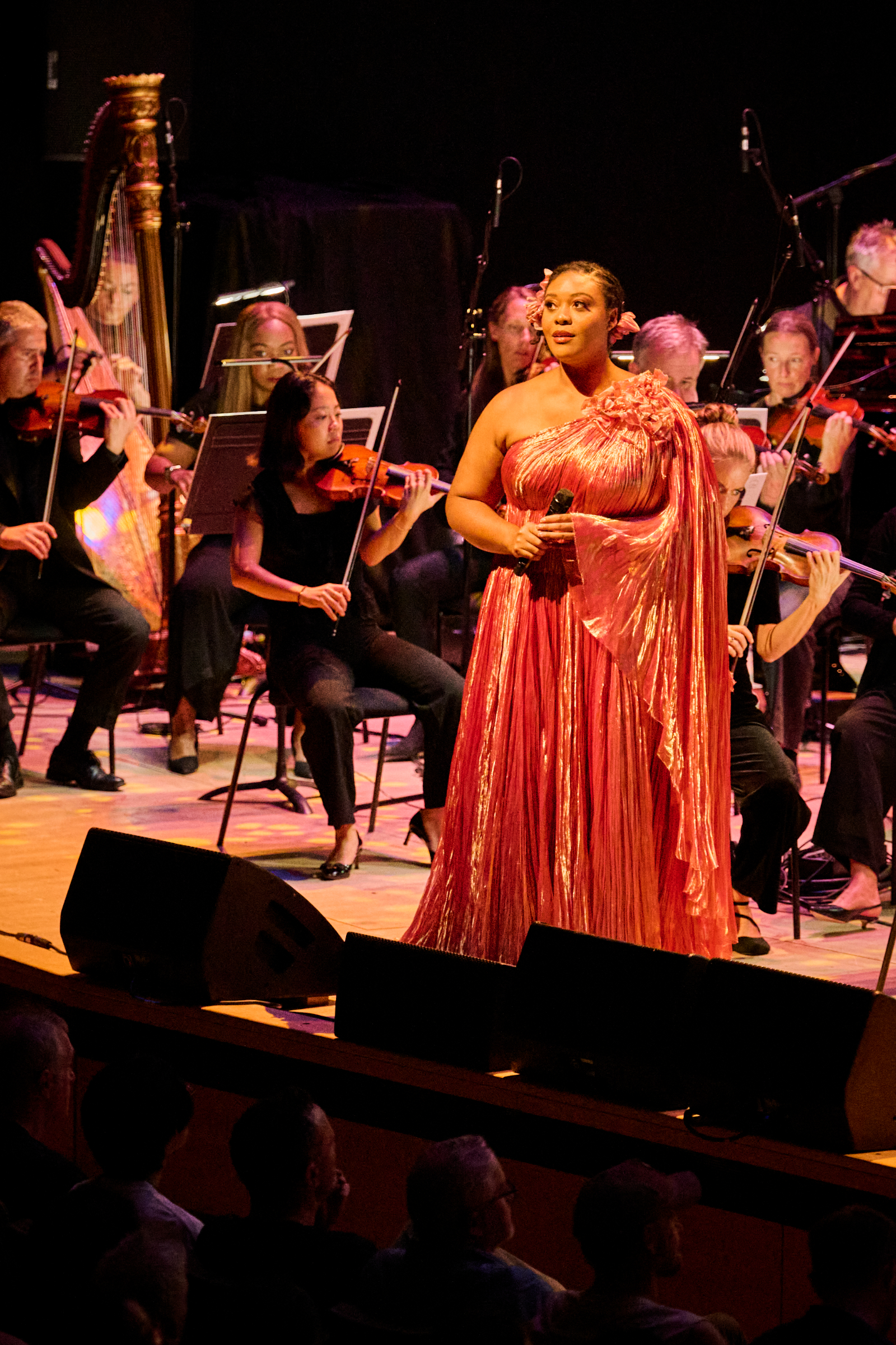
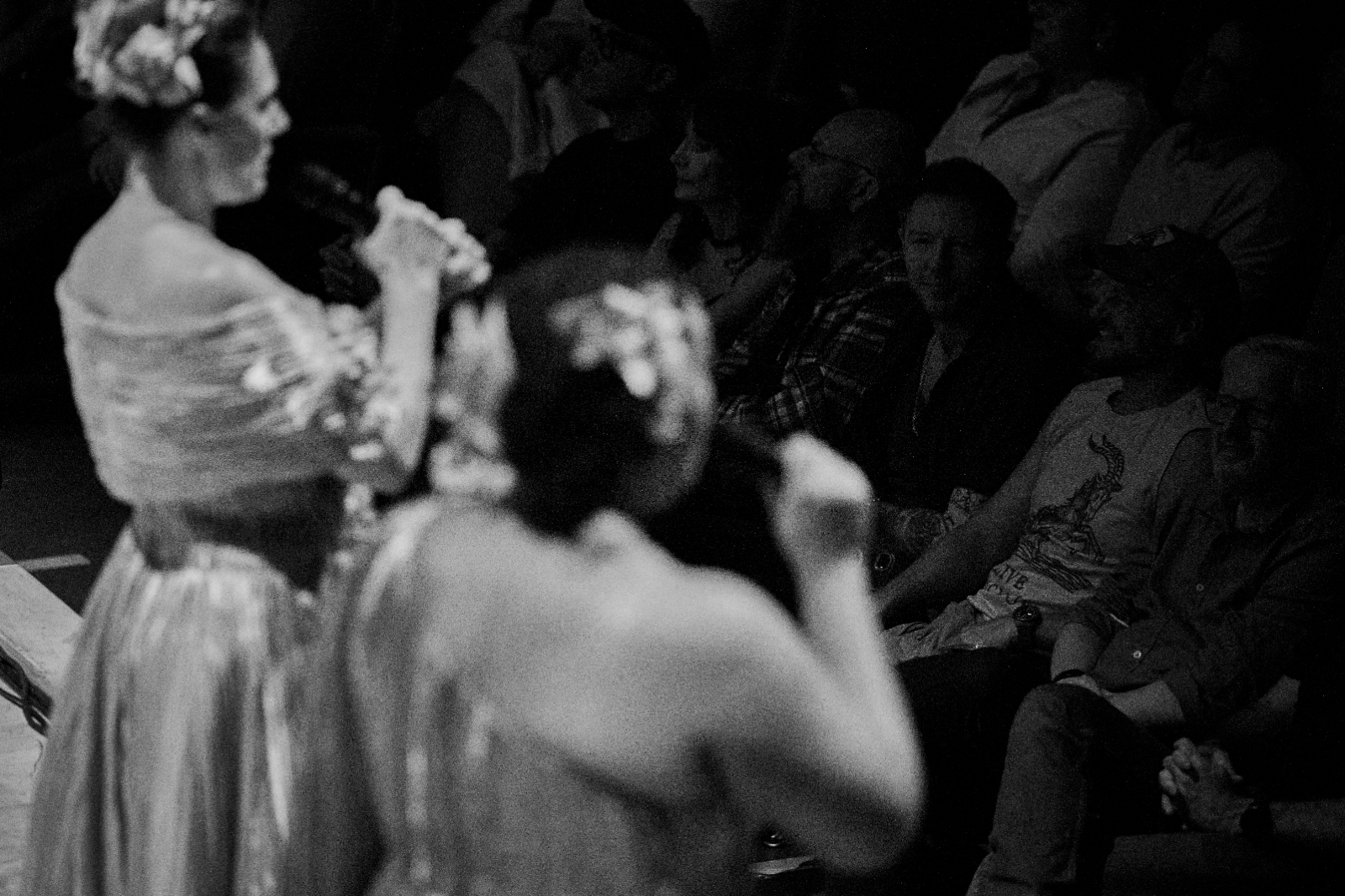
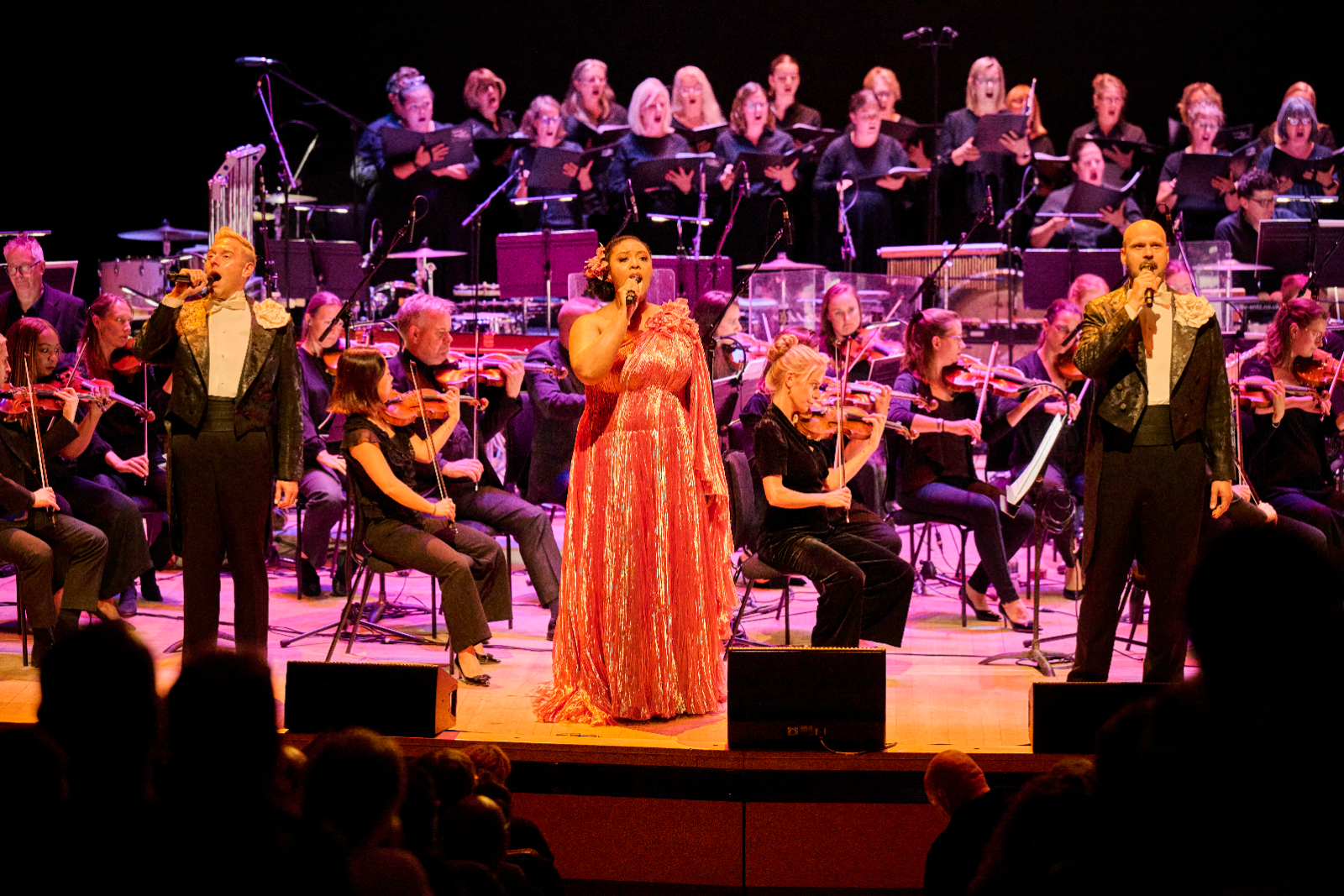
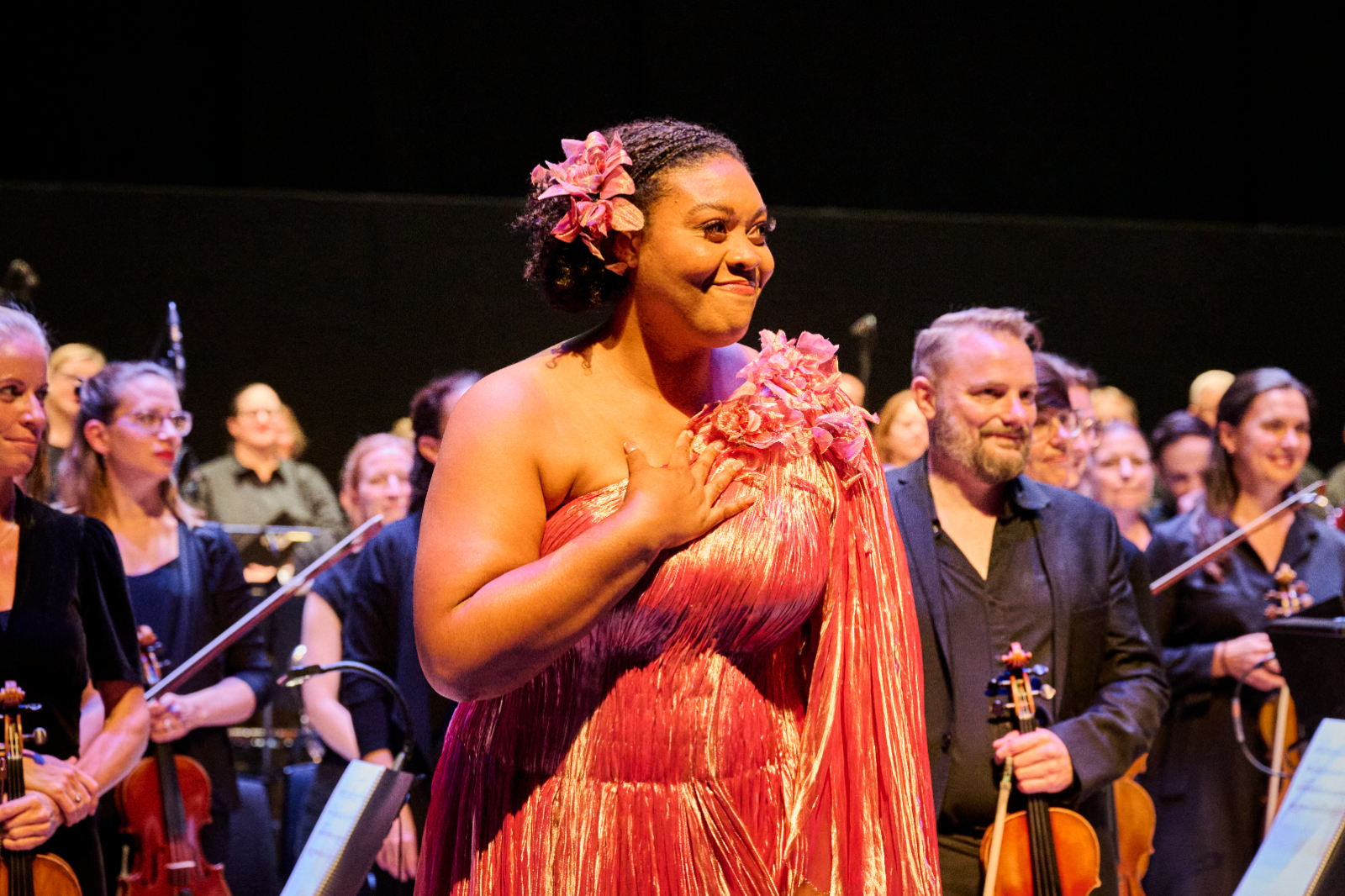
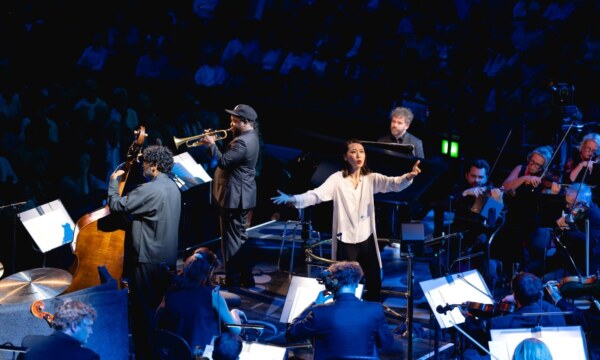
Given the range of the source material, some tracks stay close to their album versions whilst others depart from them completely. Heavy rock anthem Jellybelly, for instance, is given new life by tenor Dominick Valdés Chenes, with a masterful and mournful cello line threading beneath the powerful vocals. The walls seem to tremble as he delivers the lines, “Welcome to nowhere fast / Nothing here ever lasts.” The tone shifts with Sydney Mancasola and Zoie Reams’s later entrance – their rendition of Tonight, Tonight sees their voices melding beautifully over the strings, where the album originally relied on layered guitars.
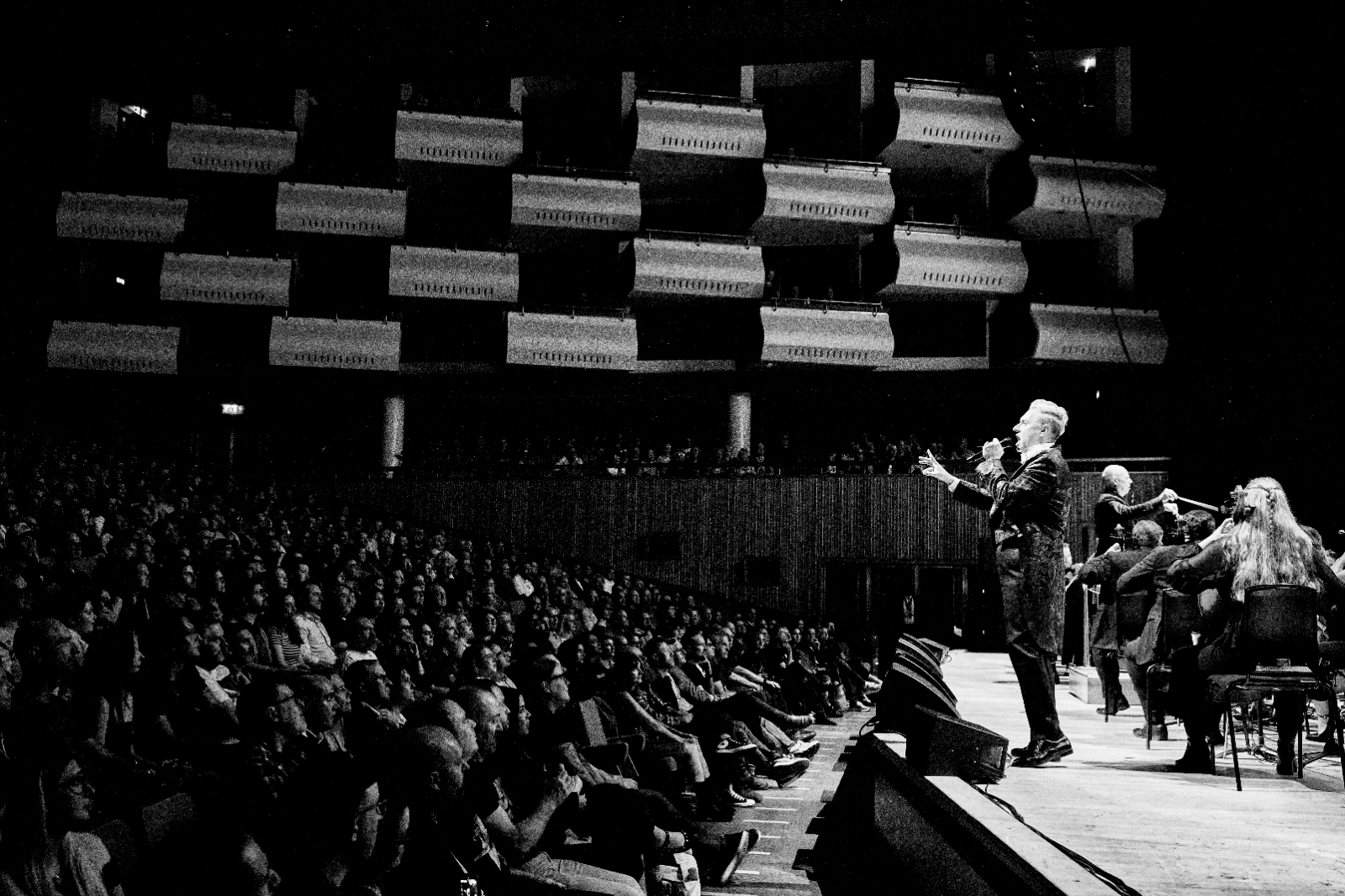
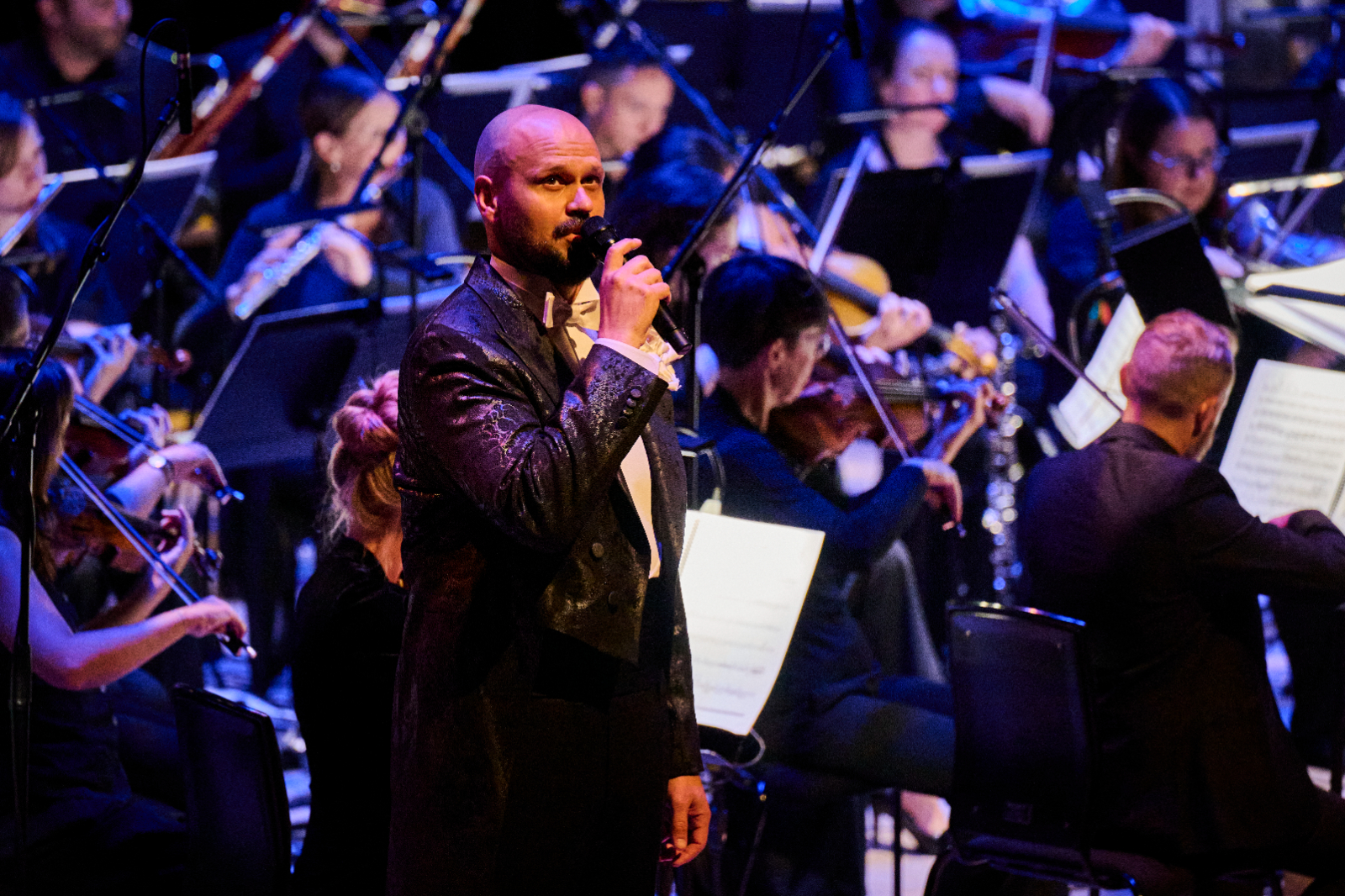
It is when Corgan comes on, though, that a new wave of energy, murmurs and cheers washes over the auditorium.
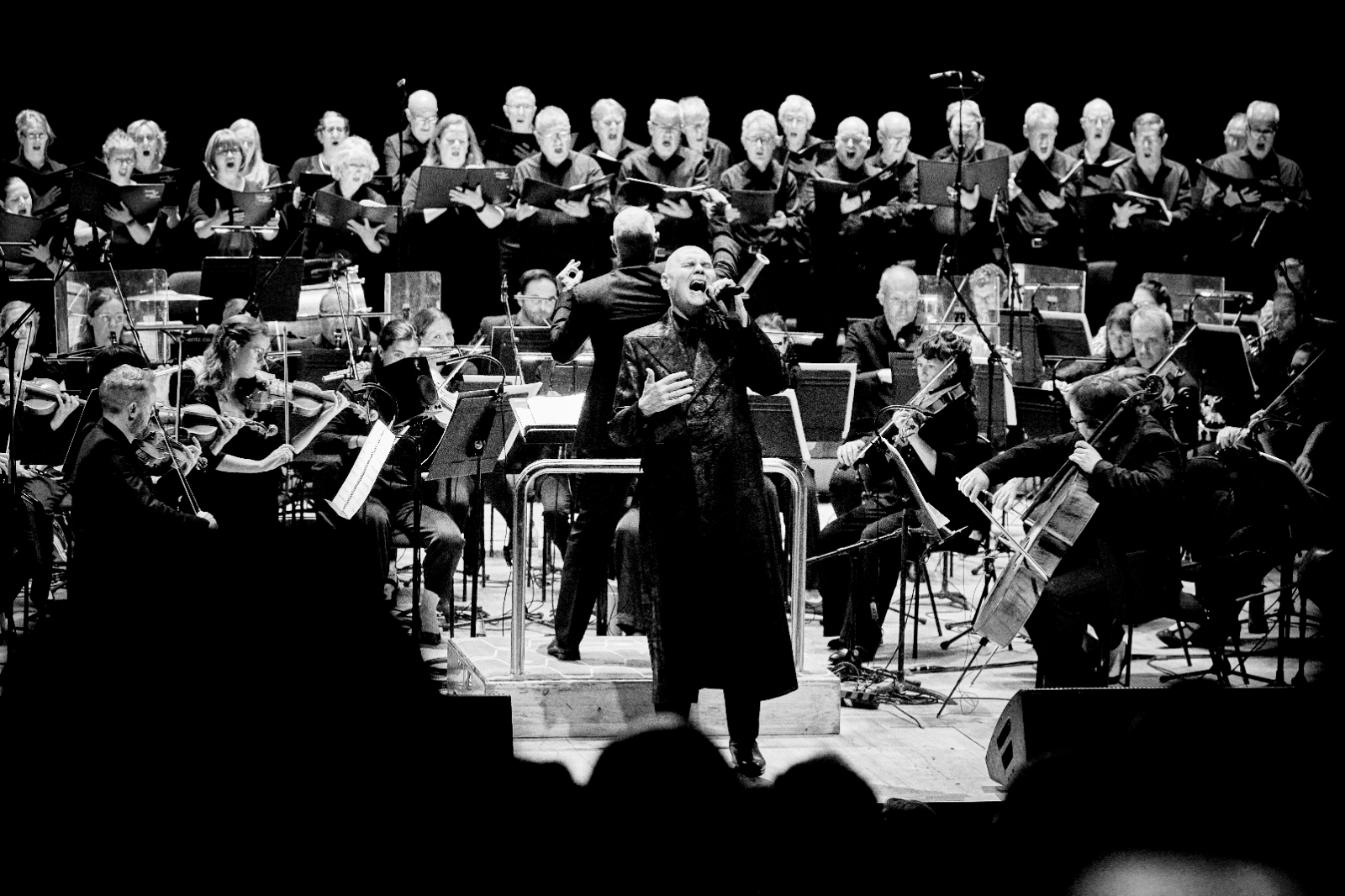
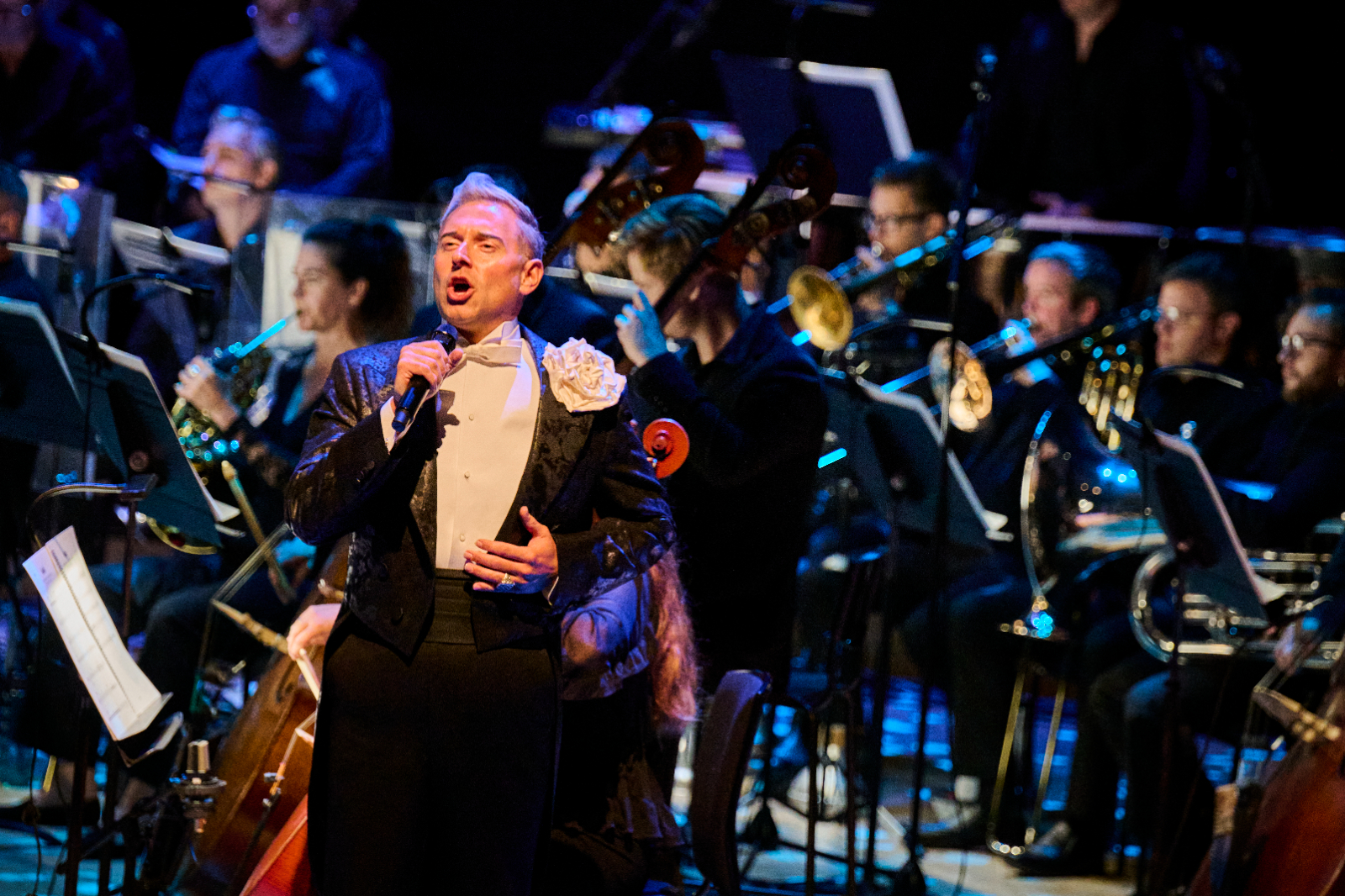
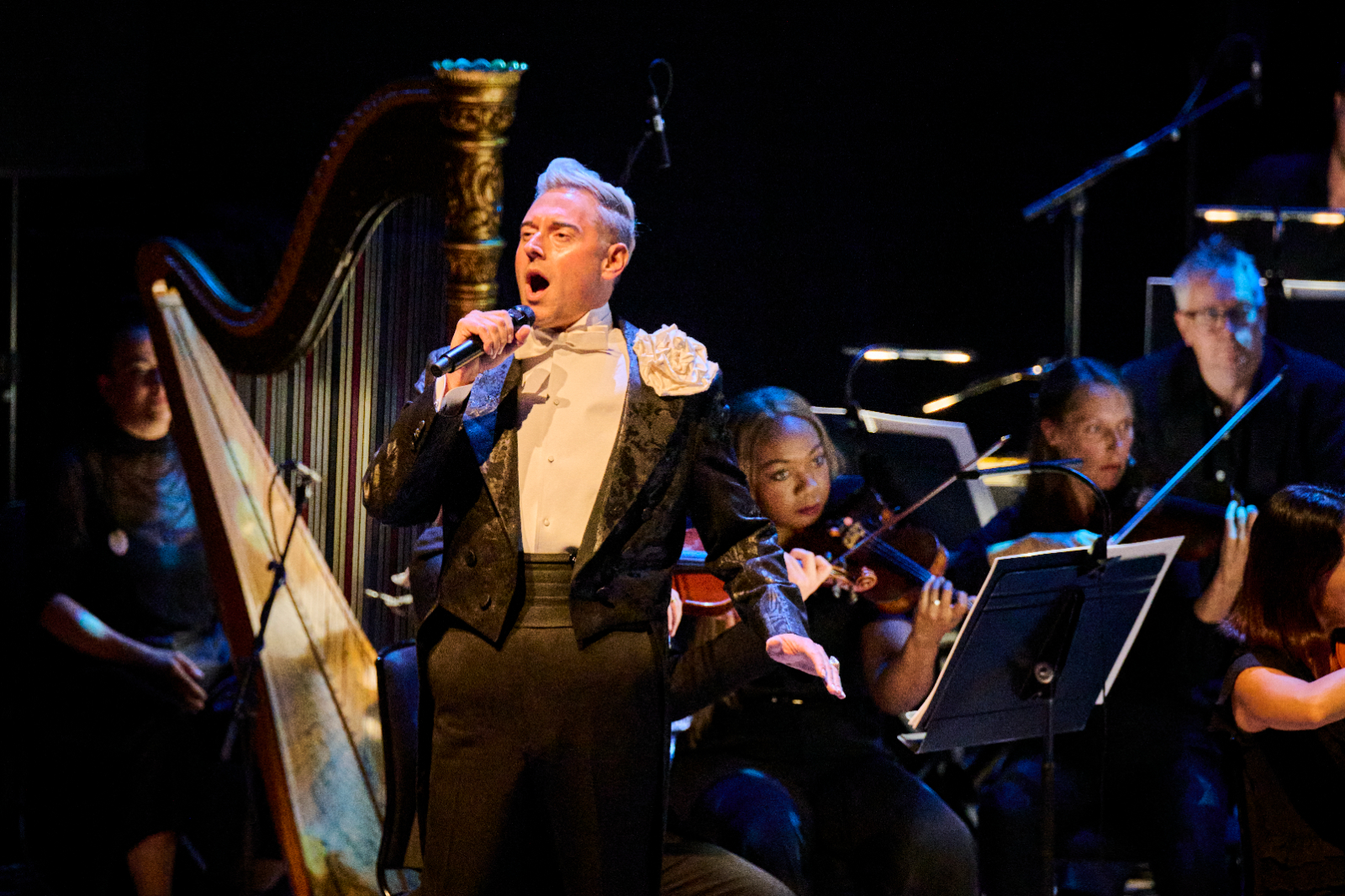
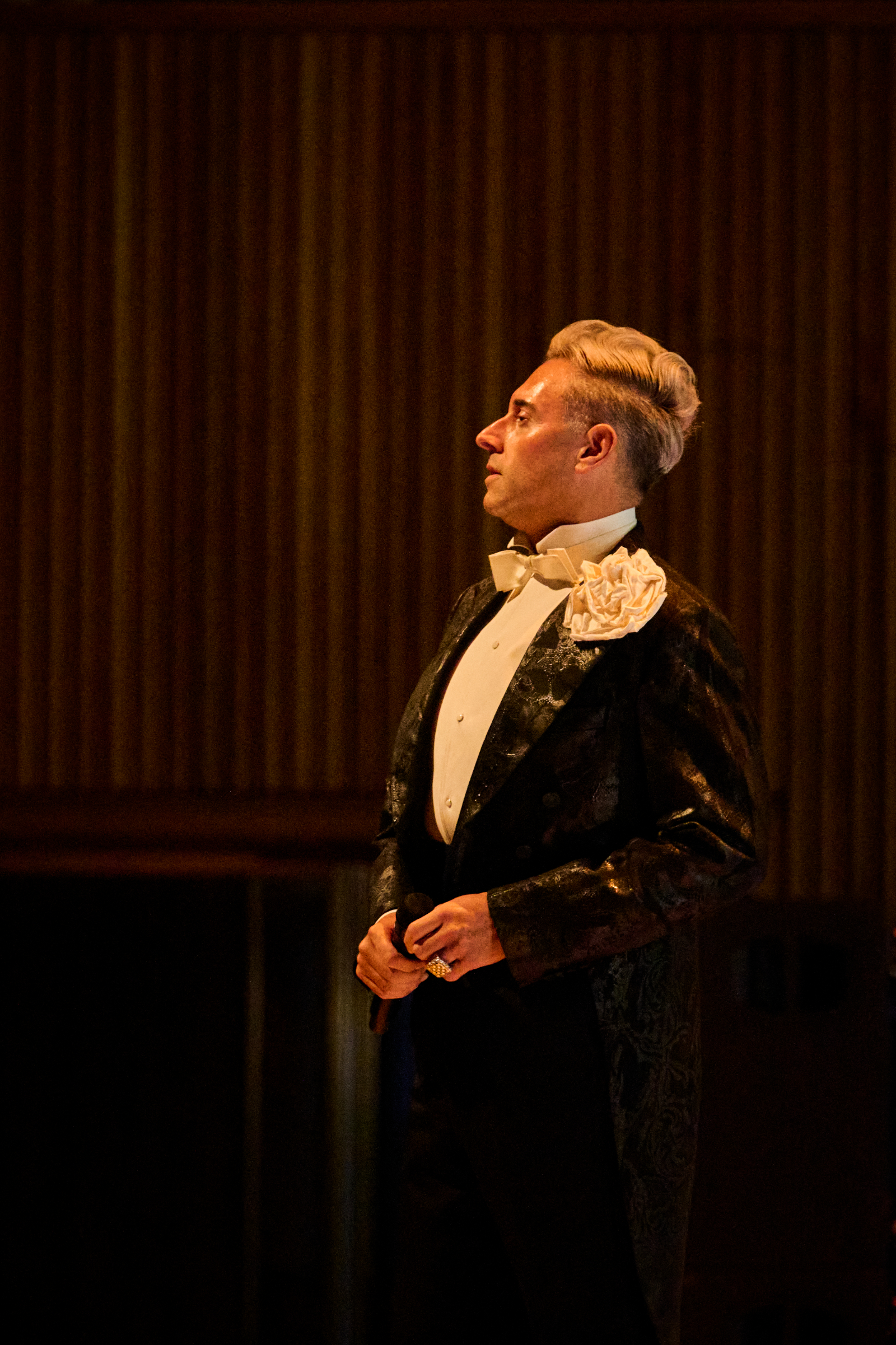
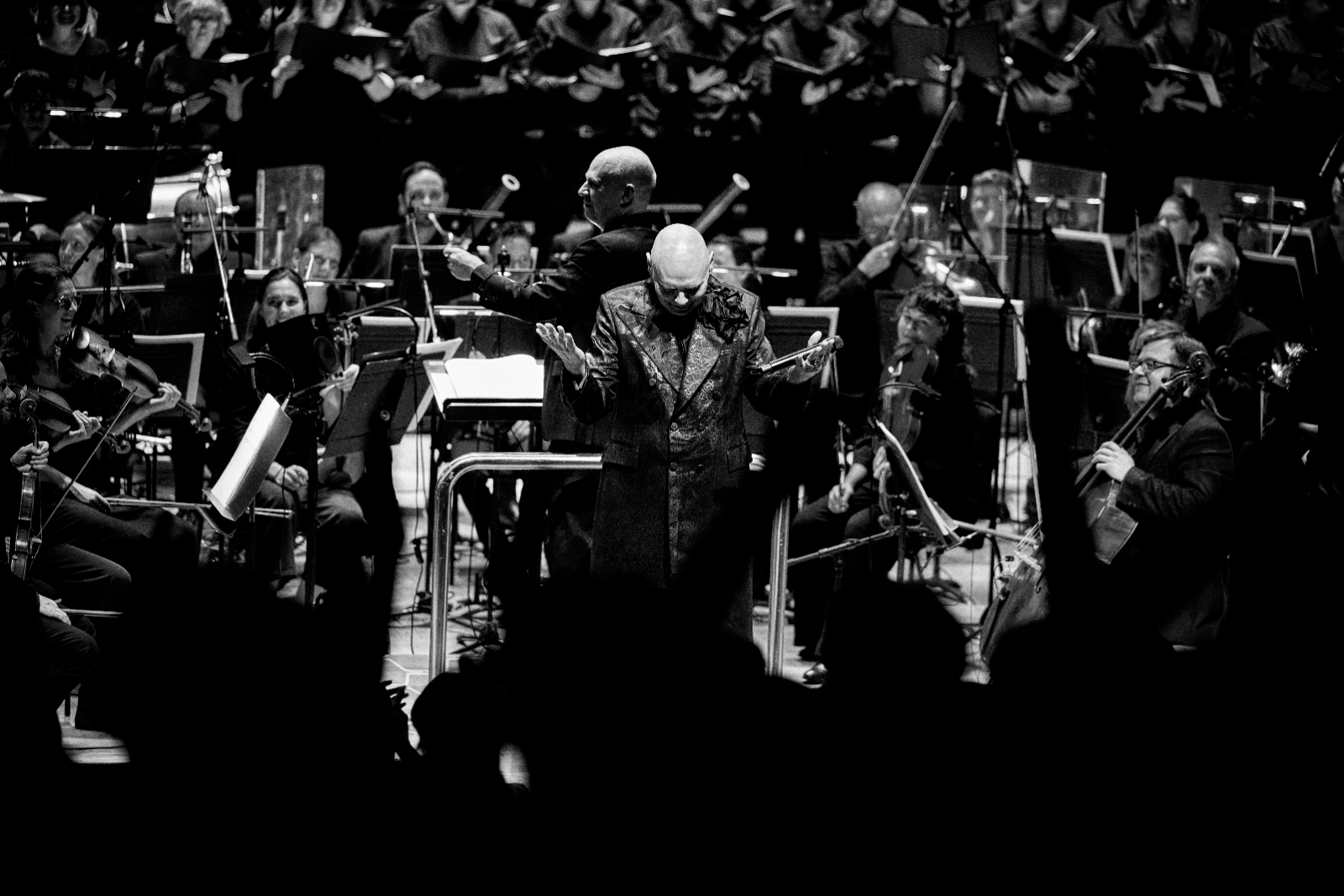
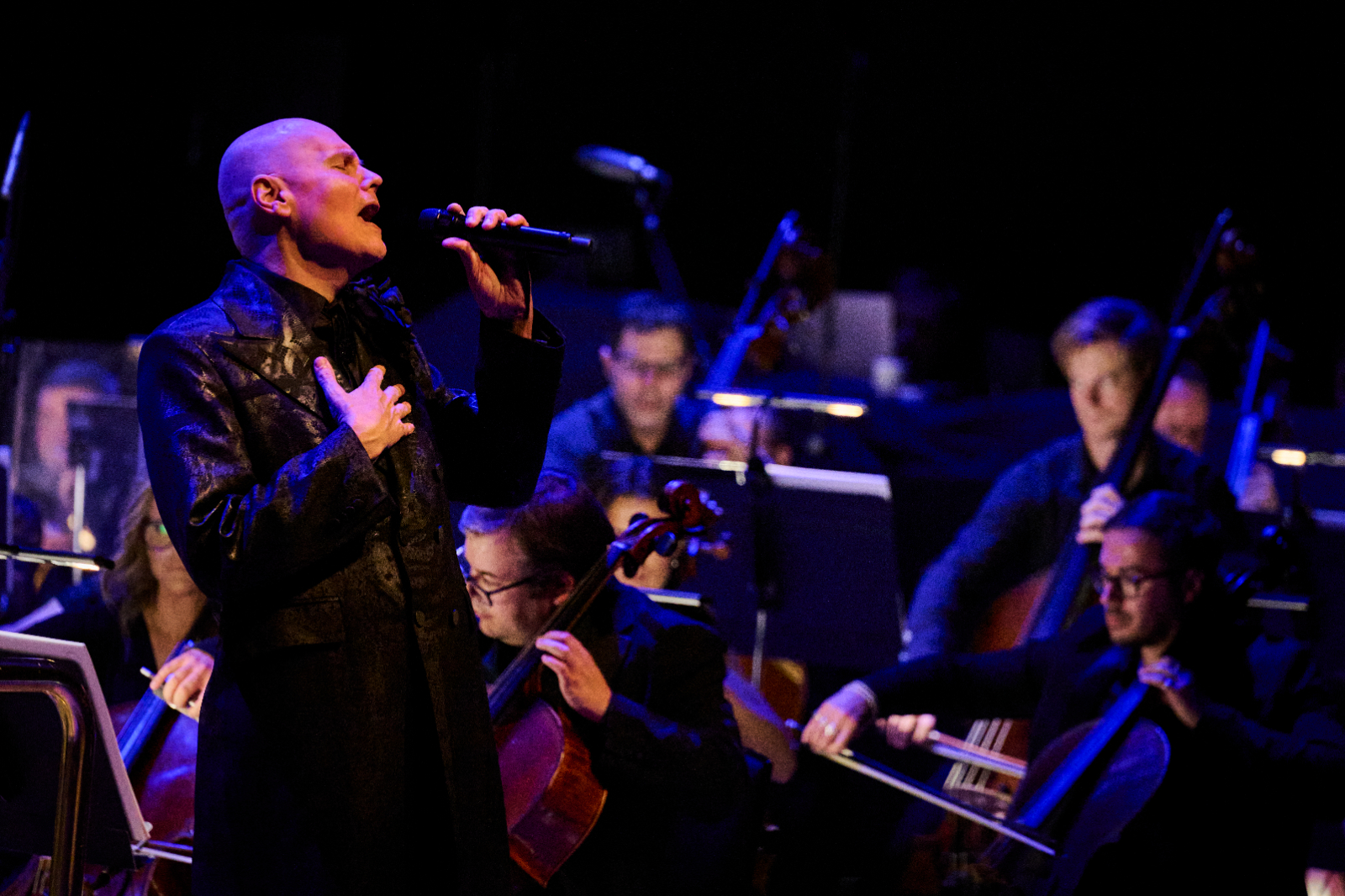
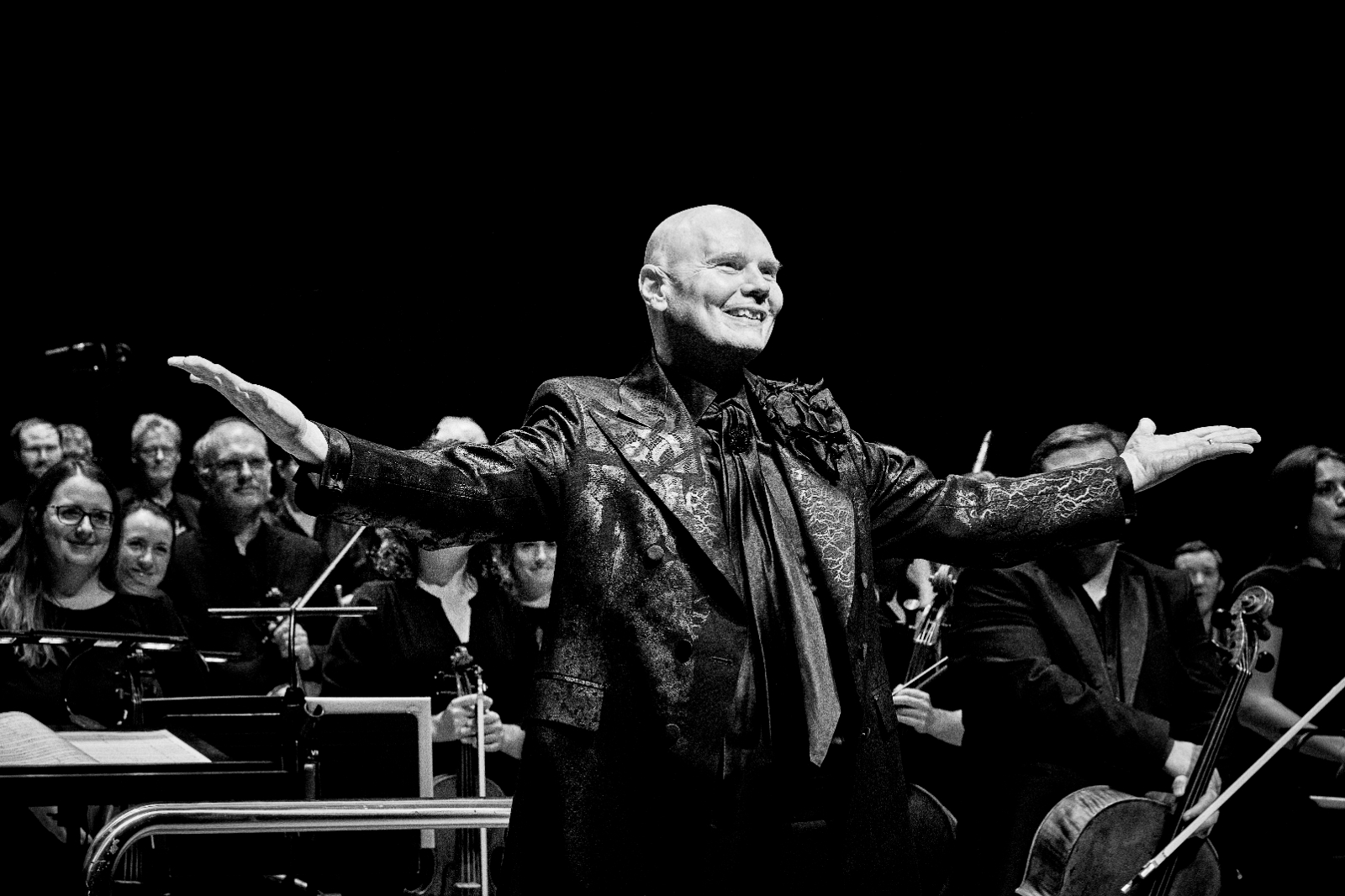
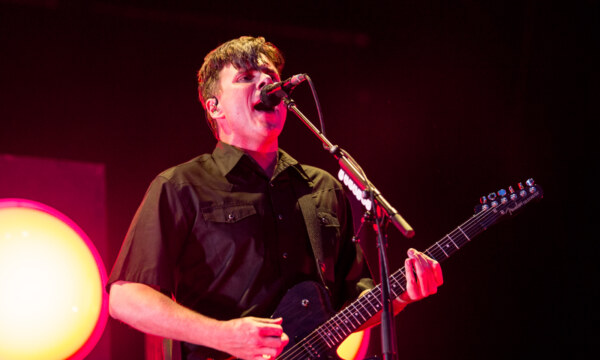
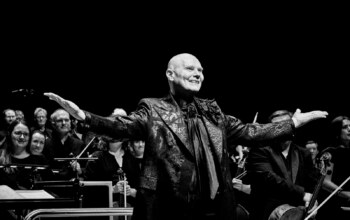
He is dressed like a glamorous Nosferatu, all in black, in a long, sparkly double-breasted coat that could be straight out of a Gothic novel. His presence carries decades of lived experience, the type of stage command only a pioneer like himself can master. Despite the indisputable talent of the opera singers, the audience remains hungry for more, trying to soak in every second of his performance.
The first half concludes with Thru the Eyes of Ruby, Corgan joined onstage by Edward Parks, Mancasola, Reams and Valdés Chenes. It’s the perfect way to end, building to a crescendo as the refrain resonates: “The night has come to hold us young” – a nod to youth slipping away, and the event itself.
The second half has some gems in store, and perhaps better momentum. The anthemic 1979 lends itself incredibly well to the classic form, brimming with new life, more than one could have anticipated. To Forgive, though, proves to be one of the highlights, its emotional layers truly dissected by the classical arrangement, with Corgan’s signature vocals blending beautifully into the orchestra’s lower registers, cellos and bassoons giving this version a darker weight.
There is nothing self-indulgent about Corgan’s latest chapter – fans new and old wait for each rendition, eager to see how their favourite tracks will be reimagined. It’s moving at times, especially Corgan’s expression during the standing ovation: the reciprocal respect between him and a crowd carried along on this unexpected journey.
Benedetta Mancusi
Photos: Scarlet Page
For further information and future events, visit Billy Corgan’s website here.
Watch the video for Tonight Tonight here:









Facebook
Twitter
Instagram
YouTube
RSS