
How games became a pop culture favourite
 15 October 2026
Few games have captured the public imagination quite like poker. Once associated mainly with smoky backrooms and late-night gatherings, card games have transformed over the past century into a widely recognised staple of popular culture. Their journey from private tables to the mainstream is a fascinating reflection of society’s changing attitudes, the influence of media and the universal appeal of skill-based competition.
The early days: roots in gaming and storytelling
The origins of many card games are steeped in legend and folklore. While playing cards have existed for centuries, many of the games played today took their modern shape in the 18th and 19th centuries, as printed decks became cheaper and rules were written down and shared. Card games spread rapidly through coffee houses, inns, parlours and family gatherings, travelling with sailors, soldiers and settlers across oceans and continents. The stories from this era, of clever strangers, quick-witted tricksters and dramatic late-night contests, laid the foundation for the enduring appeal of the card table. These tales embodied a sense of nerve, chance and skill that still resonates today.
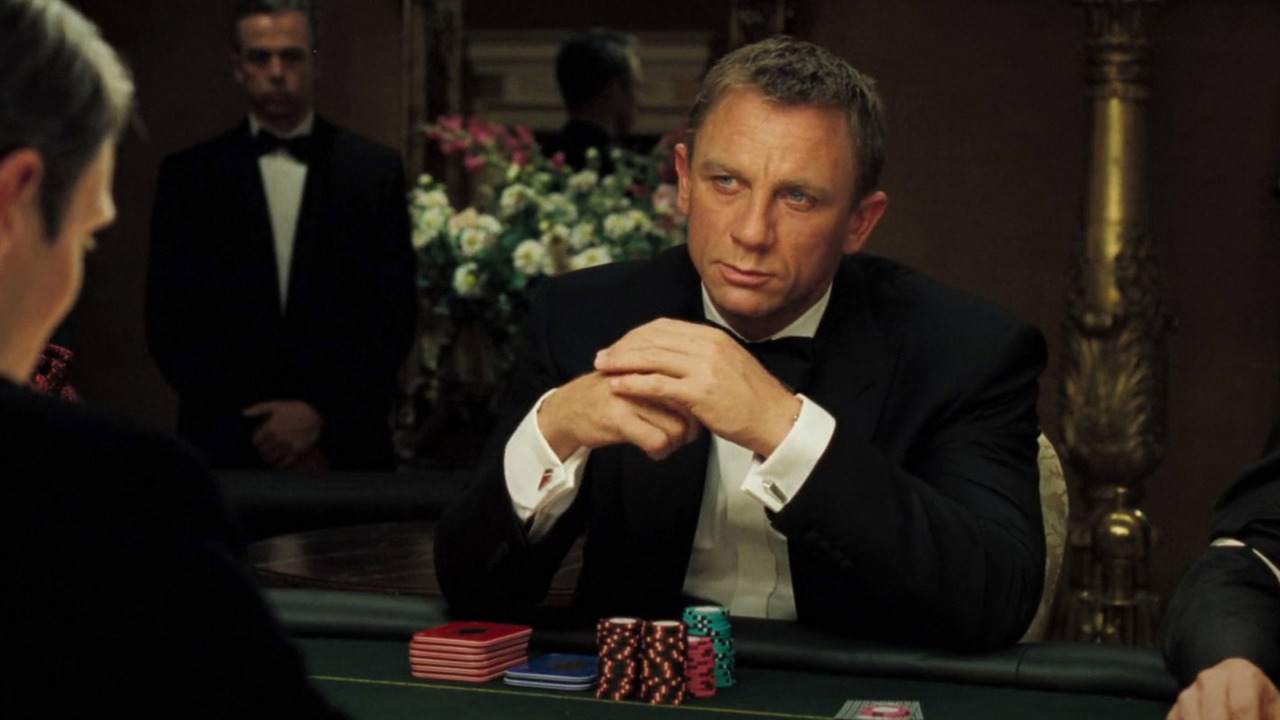
Throughout the late 1800s and early 1900s, card games appeared in novels, stage plays and early cinema as a metaphor for life’s choices and moral dilemmas. In classic films, a game of cards was often used to reveal deeper traits in characters, such as wit, deception and integrity. The role of card games in storytelling continued to shape public perception, building an aura of both mystery and sophistication around the humble deck.
Card games on the small and big screen
The second half of the 20th century marked a turning point for card and strategy games in popular culture, largely due to the rise of film and television. Memorable scenes built around a game of cards, a chessboard or a tense round of bridge brought the drama and psychology of play to wide audiences, highlighting both the tension and the glamour of competition. These scenes did not just entertain; they introduced viewers to the intricacies of bluffing, strategy and the emotional rollercoaster of a contest decided by a single move.
Television further boosted the profile of competitive gaming with broadcast tournaments and quiz-style contests from the 1970s onwards. In the early 2000s, new camera techniques and on-screen graphics allowed viewers to follow each player’s thinking in real time. Suddenly, audiences at home could appreciate the depth of strategy and the tension hidden behind a calm expression. These broadcasts demystified competitive play, making it approachable and appealing for a new generation, who saw not just chance but skill and perhaps themselves in the experts at the table.
The online gaming boom and global reach
The digital revolution brought with it the era of online play. From the late 1990s onwards, websites offered a way for millions to learn, practise and compete with players from around the world. Suddenly, card games were no longer limited by geography or social circles: they became a global pastime accessible from any computer or smartphone. The convenience of online platforms encouraged participation from all backgrounds, further diversifying the player base and fuelling the popularity of card games across various cultures.
The online gaming boom of the early 2000s was driven in part by the excitement of ordinary people testing their skills against the best, with stories of everyday amateurs rising through online rankings and earning a place at well-known tournaments. This new accessibility reinforced the idea that anyone could compete, and perhaps excel, given enough practice and determination. As a result, gaming communities flourished online, with forums, strategy guides and streaming channels creating an entire ecosystem around card and strategy games. Social media further amplified the reach, connecting fans, experts and casual players in real time.
The enduring appeal of card games in modern culture
Today, the influence of card games can be seen in everything from music lyrics to fashion, where hearts, spades, aces and kings evoke drama and style. Card-game language, think “an ace up the sleeve”, “playing the trump card” or “laying the cards on the table”, has become part of everyday speech, used in contexts far removed from any game. Top players and streamers have achieved celebrity status, appearing on television shows and in advertising, while home games nights remain a popular form of socialising for all ages.
In literature and film, card games continue to symbolise strategy, nerve and the unpredictable balance between chance and skill in life. Their ongoing evolution, both online and offline, ensures their place within pop culture remains secure. As society changes and new ways to play emerge, card games adapt, offering both entertainment and a mirror to a shared fascination with competition, psychology and the rewards of daring to play.
The editorial unit
























Facebook
Twitter
Instagram
YouTube
RSS