
Why precious metals continue to capture attention in an uncertain financial world
 15 September 2026
Precious metals pay no dividends and produce nothing, yet interest in them returns whenever confidence in currencies, interest rates, or financial markets wobbles. Gold and silver receive most of that attention, although they do not behave alike or serve identical purposes. Their shared label can therefore conceal meaningful differences in how they are classified, traded, and understood.
Understanding that renewed interest requires answering three connected questions: what these metals are, what they do within a portfolio, and what changes hands when someone buys them. Before considering market roles or ownership, however, the category itself needs closer attention. The first question is less straightforward than it appears because “precious metals” is a looser category than many readers assume. Consequently, published lists often disagree about which metals qualify.
Which metals actually count as precious
“Precious metal” is a market and industry convention, not a fixed scientific category. As a result, published counts of four, eight, nine, and even ten circulate. The difference depends on whether a list follows active investment markets, the wider platinum group, or adjacent noble metals.
The four metals on almost every list
Gold, silver, platinum, and palladium form the practical core. Each has an active investment market and London Bullion Market Association (LBMA) price benchmarks, which support recognised pricing and trading conventions.
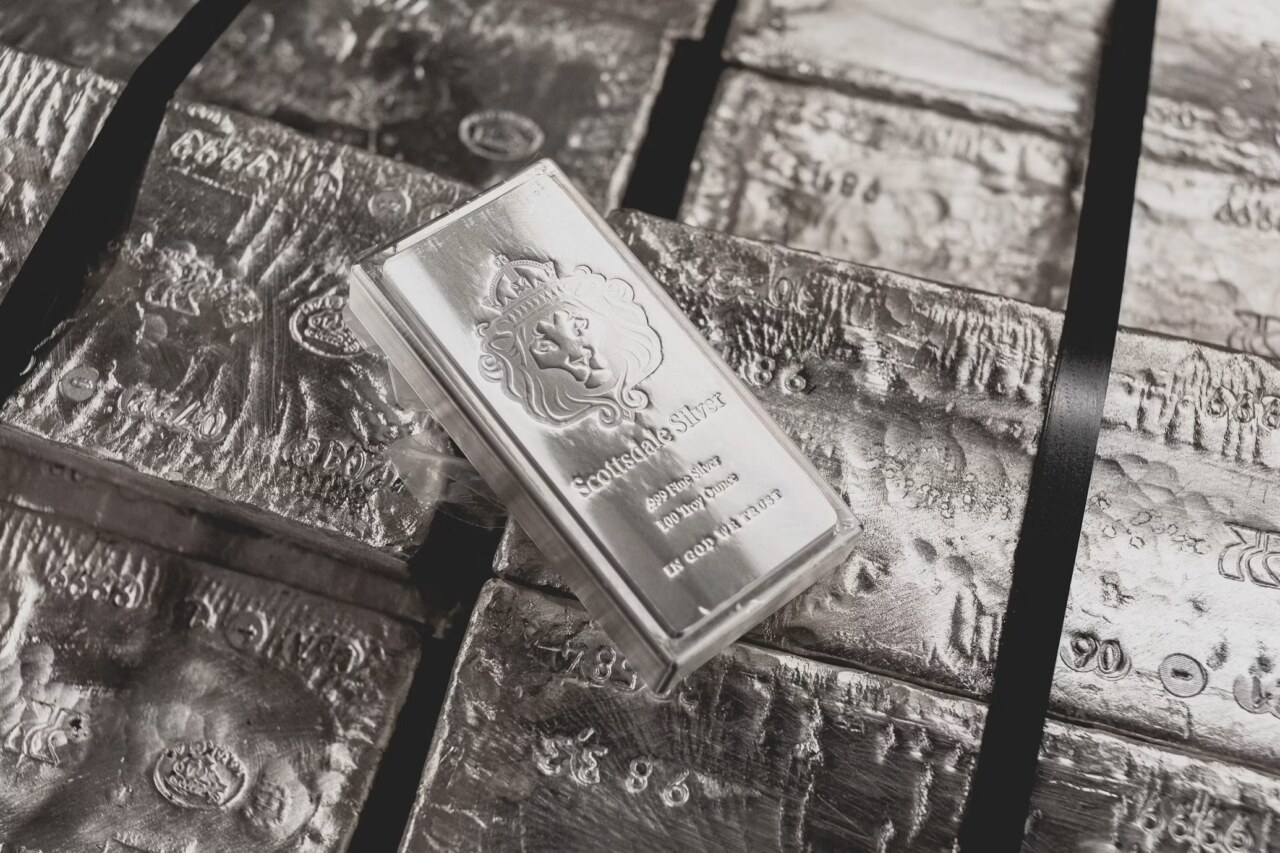
For most buyers, these four provide the clearest answer because they are available as investment products with quoted spot prices, troy-ounce measurements, and recognised refiners.
Why some lists run to eight or nine
Longer lists generally use chemical rarity and corrosion resistance rather than investment activity as their test:
- A count of four covers gold, silver, platinum, and palladium.
- A count of eight adds rhodium, iridium, osmium, and ruthenium, completing the commonly cited platinum group metals (PGMs).
- Counts of nine or ten include adjacent noble metals, such as rhenium, depending on the definition used.
These additional metals are rare, but they trade mainly through thin industrial markets rather than established retail bullion channels. Therefore, the practical distinction is not rarity alone, but whether transparent pricing, standard weights, and recognised refining systems exist.
Gold and silver do very different jobs
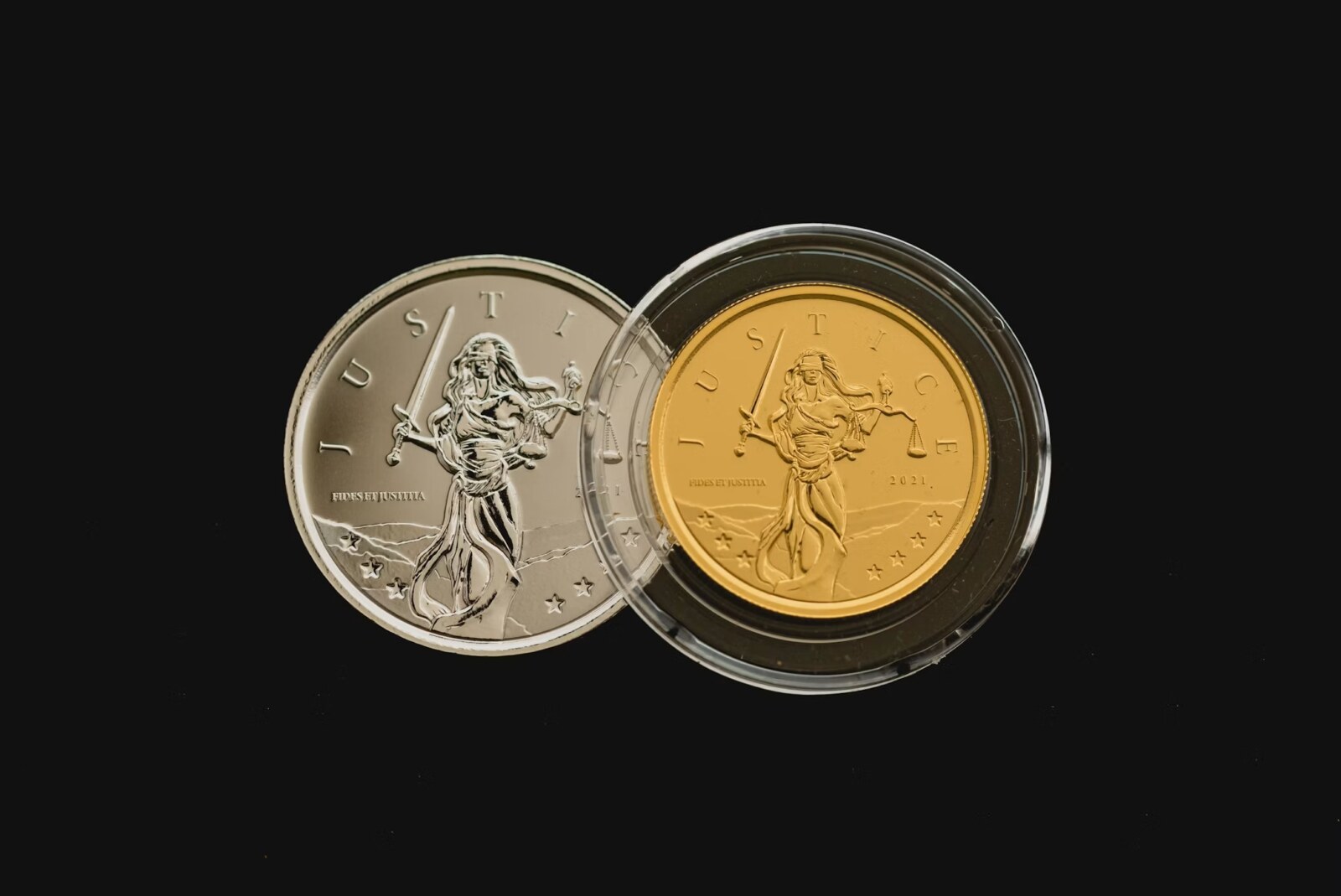
Gold and silver are often grouped together as bullion, but they respond to different sources of demand. Treating them as interchangeable can result in a purchase that does not match its intended purpose, particularly once storage costs and premiums over spot price enter the calculation.
What keeps gold at the centre
Gold occupies a monetary role that other metals do not fully share. Demand comes from central bank reserves, investment holdings, and jewellery, so its price often responds to interest-rate expectations, currency strength, and confidence in financial institutions rather than factory orders.
Its high value per troy ounce also allows substantial value to fit within a relatively small space, making gold easier to store than an equivalent monetary value of silver. However, form still matters. Coins and bars with identical gold content can carry different premiums because of fabrication costs, recognisability, and demand for a particular issue.
Silver as both metal and money
Silver is commonly called “poor man’s gold” because its much lower price per troy ounce allows smaller buyers to acquire physical metal more gradually. However, a comparable monetary holding occupies more space, while minting and distribution costs account for a larger proportion of each lower-priced coin or bar.
Silver also has substantial industrial uses, including electrical contacts and solar cells. That connection to manufacturing can make its price more volatile in either direction than gold.
Physical format adds another layer. Generic bars generally track metal value closely, while sovereign coins and design series can carry premiums based on mintage, recognition, and collector demand. The type 2 silver eagle is distinguished from the earlier American Silver Eagle by the redesigned reverse introduced in 2021, although both contain one troy ounce of silver.
Accordingly, two one-ounce coins need not trade at the same price. Condition, packaging, design changes, and interest in collectible silver items can create value beyond the silver itself.
What actually moves precious metal prices
Two demand engines operate across the metals market. Investment demand reflects attitudes towards currencies, inflation, and financial risk, while industrial demand responds to production cycles and technological use. The dominant engine differs by metal, explaining much of the variation in spot price behaviour.
The safe-haven and inflation bid
Metals attract safe-haven attention because no government or company issues them, and new supply takes time to develop. This scarcity supports the inflation hedge argument because, unlike currency, above-ground stocks cannot be expanded through a policy decision.
The portfolio diversification case is more measured. It rests on precious metals behaving differently from equities and bonds during some periods, not on a guarantee that prices will rise in every downturn. During a liquidity crunch, investors may sell metals alongside other assets to raise cash, causing correlations to increase when protection appears most desirable.
As noted earlier, gold expresses this monetary role most directly. Silver occupies a middle position because investor demand shares influence with industrial consumption.
Industrial demand and supply shocks
Palladium, platinum, and rhodium behave more like industrial commodities that happen to be rare. Catalytic converters account for an important part of their use, while electronics and medical applications add further demand. Changes in vehicle production, emissions rules, or manufacturing activity can therefore outweigh a rate decision.
The USGS tracks global metals supply and demand, including production, consumption, trade, and mine-output concentration. PGMs come from a limited number of producing regions, and mines cannot quickly raise output in response to shortages. Consequently, disruption in one major region can reprice a metal before investment sentiment changes.
This distinction sets a useful boundary. Gold tends to be the steadier monetary holding, whereas PGMs provide stronger exposure to industrial cycles, constrained supply, and changes in specific technologies.
Purity marks and how metals hold up
Purity determines how much precious metal an object contains. Bullion commonly expresses purity as fineness, with 999 indicating 99.9 per cent metal and 9999 indicating 99.99 per cent. Jewellery more often uses caratage, with 18ct gold containing 75 per cent gold and other metals providing colour and durability.
A hallmark records the metal and its fineness, often alongside an assay office mark. Its absence on an item represented as solid gold or silver is the first thing to question, particularly when supporting documentation is unavailable.
Plated and filled goods belong to a different category. Gold vermeil consists of a thick gold layer over sterling silver, while gold-plated silver has a thinner coating. Both are priced primarily as jewellery rather than metal because most of their weight is not gold.
Wear characteristics also shape the choice among gold, silver and platinum options:
- Platinum resists corrosion and tends to displace, rather than lose, metal when scratched.
- Gold resists tarnish, but higher-purity alloys are softer and show scratches more readily.
- Silver reacts with sulphur compounds in the air, producing tarnish that requires cleaning or sealed storage.
- Rhodium provides a bright surface on white gold and platinum jewellery, but requires periodic reapplication as the plating wears.
For long-term physical holdings, condition affects resale as well as appearance. Original packaging, assay certificates, and undamaged seals can make a bar or coin easier to authenticate without destructive testing.
What the attention really tells you
The attention precious metals receive during uncertain periods reflects what they lack: an issuer whose decisions determine supply and a counterparty responsible for repayment. That independence explains their appeal, but it does not promise positive returns or remove price risk.
The appropriate metal depends on the purpose behind the purchase. Monetary insurance points most directly towards gold, industrial exposure changes the case towards silver or PGMs, and jewellery introduces purity, wear, and maintenance considerations. These are three different purchases, even when each begins with the same familiar label.
The editorial unit























Facebook
Twitter
Instagram
YouTube
RSS