
British weekend breaks are often planned all wrong: what is actually trending in 2026
 12 October 2026
Too many British weekend breaks still follow the same tired formula: a central hotel, a rushed museum visit, one expensive dinner and a crowded high street that looks much like the one back home.
That approach misses what people are actually booking in 2026. Short trips across the UK have become far more selective, shaped by local food scenes, seasonal events, design-led stays and small experiences that feel current rather than convenient.
Travellers are paying closer attention to what a place is known for right now, not what guidebooks pushed five years ago. A smarter weekend plan now starts with timing, local momentum and a clear sense of what is drawing people into a city, coast or countryside spot in the first place.
What is trendy in the UK right now
Before starting to plan a weekend in the UK, it is worth knowing which things are trendy right now. This keeps visitors in the loop and helps them avoid building a trip around places that feel flat, overcrowded or past their peak.
More importantly, trend awareness is practical. It shapes where to stay, what to book early and which neighbourhoods are actually worth the time once there.
A strong example is the continued rise of food-led city breaks built around independent bakery culture, small wine bars and market dining rather than formal tasting menus. Cities such as Manchester, Bristol and Glasgow are seeing weekend demand driven by specific food districts, where travellers plan whole itineraries around morning pastries, late lunch counters and chef-run neighbourhood spots.
Another interesting point is that the UK is also a popular destination for those who enjoy online gaming. Many of them ask ‘How do British casino options differ’, and the answer largely comes down to regulation. UK rules for online gaming set firm standards around age checks, identity verification and platform safety, which is why many visitors see the British market as more tightly managed than others. Even for travellers, this says something broader about the UK in 2026: people are drawn to experiences that feel modern, accessible and well regulated, whether they are booking entertainment, transport or leisure.
Coastal sauna sessions in places like Brighton, Cornwall and North Yorkshire have also become a standout example. Instead of booking a generic spa package, travellers are choosing sea-view heat sessions, cold-water dips and simple recovery-focused mornings. The appeal is easy to understand. It feels local, fits into a weekend schedule and creates a memorable experience tied directly to place rather than a hotel brochure.
But why standard weekend itineraries keep falling flat
Plenty of travellers still plan around landmarks first and atmosphere second. That often leads to long queues, overpriced central rooms and a schedule packed with attractions that do little to capture a destination’s current mood.
In 2026, the places getting the best word of mouth are the ones where visitors leave room for local habits, newer districts and limited-run events.
Take Edinburgh as an example. A conventional two-day plan usually focuses on the Royal Mile, Edinburgh Castle and a busy dinner near the centre. A more current version leans into Leith for modern restaurants, waterfront walks and design-conscious hotels, then uses the city centre selectively rather than as the whole trip. The difference is huge. One version feels like ticking boxes. The other feels like spending a weekend in a city that is still changing.
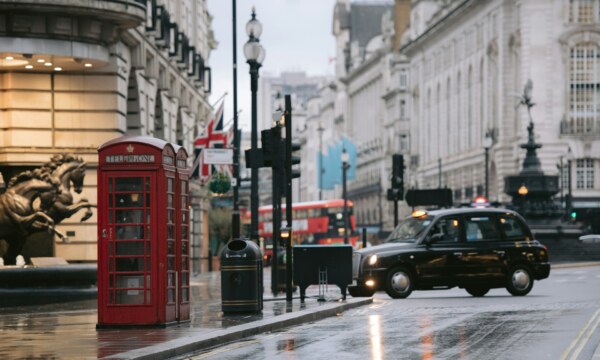
The same pattern applies in London. Visitors who stay around Leicester Square often end up paying more for less. Meanwhile, areas such as Hackney, Bermondsey and even parts of Walthamstow offer stronger food scenes, better independent shops and more distinct local character. The point is not to avoid major attractions entirely. It is to stop making them the spine of the break.
The short breaks people are actually booking
Right now, successful UK weekends fall into a few clear categories. The first is the food-first break, where the destination is chosen for a concentrated eating-and-drinking scene. Bristol does this particularly well.
Stokes Croft, Wapping Wharf and Clifton each bring a different energy, and together they create a full weekend built around bakeries, casual small plates, cider bars and quality coffee without forcing constant travel across the city.
Another growing format is the event-led break. Instead of picking a city and then looking for things to do, travellers begin with a seasonal market, a concert series, an exhibition or a sports fixture and build outward from there. York during winter food events, Liverpool on major live music weekends and Cardiff during rugby fixtures all benefit from this model. This creates an instant sense of purpose, which matters on a trip that lasts only two or three days.
Then there is the landscape-and-town pairing, which works especially well for people who want variety without the pace of a road trip. Bath and the surrounding Somerset countryside are a strong example. Visitors can spend one day on architecture, independent shopping and restaurants, then use the next for a slower outing to farm shops, vineyard visits or nearby walking routes.
How to plan a weekend that feels current
Start with one clear reason for going. That could be a restaurant genuinely worth trying, a seasonal outdoor activity, a concert or a neighbourhood with enough density to support two full days. Once that is set, the rest becomes much easier. It is then simple to choose accommodation nearby, avoid wasted travel time and book only what adds value.
Next, pay attention to timing. Many places perform very differently depending on the month, the day of arrival and whether a local event is on. A Friday-to-Sunday break in a city with a major fixture or festival can be lively if that is the point of the trip, but frustrating if it is not. Good planning in 2026 is less about squeezing in more and more about matching expectations to the destination’s rhythm.
Finally, leave room for small decisions on the ground. The best weekends still need some flexibility. A great bakery queue, a pop-up market or a waterfront walk at the right time can end up defining the whole trip. That only happens when every hour has not already been filled. The strongest British breaks right now are shaped by trend awareness, local detail and enough freedom to enjoy both.
Basically, the best weekend in the UK is rarely the one built around the most famous sights. It is usually the one that catches a place at the right moment, follows what people there are actually excited about and offers a reason to return. That is what travel in 2026 is rewarding: better choices, sharper timing and experiences that feel alive rather than standard.
The editorial unit


















Facebook
Twitter
Instagram
YouTube
RSS