
The global impact of fast fashion and how to combat the wasted wardrobe
 4 November 2019
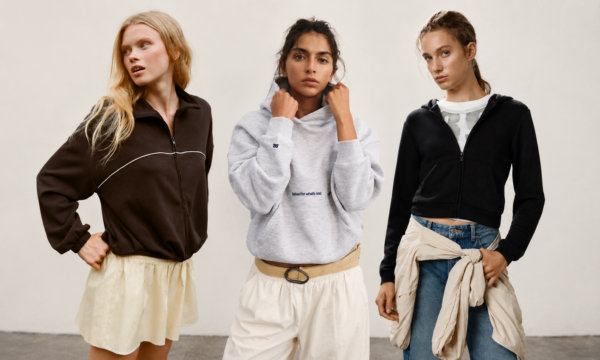
In the Instagram age, image and immediacy are paramount. However, some reporters suggest that the materialistic tendencies of the Millennial movement may be supporting, whether unconsciously or not, unsustainable and unethical practices. These concerns are particularly evident in what’s known as “fast fashion” a term used to describe clothing designs that quickly move from the catwalk to the high street to capture the current mood, but which are discarded just as swiftly. According to environmental advocates, these short-lived, disposable garments have a significant negative impact on the environment, economy, and society.
Reportedly, the fashion industry is the second biggest polluter, consuming vast amounts of water, generating monumental CO2 emissions, and producing a significant amount of waste. Projections suggest that if current practices continue, there will be a 60% increase in water waste by 2030, rising to an alarming 148k tonnes. Greenhouse gas emissions are also a concern, with forecasts predicting 38.4 billion tonnes within the next decade. Furthermore, there is a notable human cost associated with fast fashion, with 14 million workers reportedly being paid only 120% of the minimum wage, which is insufficient for a decent quality of life. This wage discrepancy is not limited to companies outsourcing to sweatshops in poorer countries— even within the UK, those working in high-production areas reportedly earn less than those in other sectors.
In response, some UN nations are attempting to mitigate the impact of fast fashion through sustainable initiatives. For instance, France plans to ban stores from disposing of unsold garments, and Denmark has banned single-use plastics at Copenhagen Fashion Week. Major brands are also making efforts to become more sustainable, with Nike using recycled polyester in their clothing range and recycling 99% of all recyclable water used during the dyeing process.
The study suggests that individuals can also make a difference. It may seem straightforward, but by purchasing fewer new clothes, everyone can help reduce overproduction.
The editorial unit



















Facebook
Twitter
Instagram
YouTube
RSS