
Astronomy and the Hubble Space Telescope
 28 October 2021
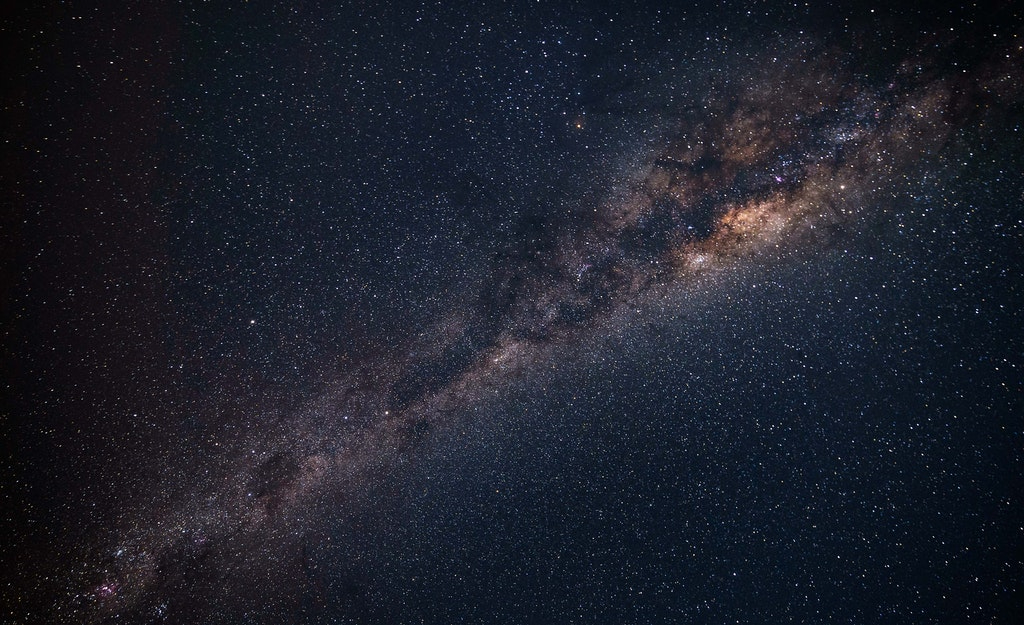
Whether one is a fan of astronomy and all things space-related or not, the chances are most people will have heard of the Hubble Space Telescope (HST). For the last 31 years, HST has been orbiting Earth and providing some simply stunning images. Alongside these images, answers have also been found that, not too long ago, seemed impossible to access.
HST was the first sophisticated optical observatory to orbit around the Earth. Set to be replaced later in 2021 by the Webb Space Telescope, the HST was groundbreaking at the time of its launch, and it has taken over 30 decades to create anything that could ever compete.
The development of HST
As humans, we have had an almost obsessional interest in outer space for thousands of years. The more we began to explore the more that we realised that ground-based astronomy has severe limitations. While there are observatories with telescopes far more powerful than we could ever imagine, they can never match what HST has achieved.
Land-based observatories lose the ability to produce stunningly clear images because of the Earth’s atmosphere. This causes light to be absorbed or distorted. The only way to overcome this was to create an observatory that was placed above the atmosphere. Hence the development of HST and all that this project has delivered since.
The public view
If you were to ask the typical person on the street about the Hubble Space Telescope and astronomy, some may be able to relay some of the important discoveries that have been made. What is of little doubt is that people can speak about some of the spectacular images that HST has captured. Without perhaps understanding the significance of exactly what is shown, there is no way of getting away from the fact that what has been captured over the years is stunning. Some of the most famous images captured by HST include the Tadpole Galaxy, Star Cluster NGC 602, Galaxy NGC 1300, the Mice Galaxy and Helix Nebula. Can the majority of people name these images? Possibly not, but if they were shown these they are sure to be recognised in an instant and are sure to be associated with HST.
The true value of HST
Beyond what members of the public may know about HST, the fact is that the discoveries that have been made by this observatory have changed the way in which the universe is viewed. Dr Hawley revealed that every anniversary of Hubble sees him contacting cremates and sharing details of the latest discoveries that have been made.
The iconic space telescope has allowed scientists to develop their understanding of how the universe was formed in the first place, as well as allowing for a glimpse of how it may all come to an end. That is perhaps one of the most significant findings that HST brought to astronomy: an insight into the fact that our universe is finite. We have already seen how it will all come to an end.
The editorial unit






















Facebook
Twitter
Instagram
YouTube
RSS