
Good at Harold Pinter Theatre

 14 October 2022
CP Taylor’s Good (1981) is a masterpiece of tension and build-up. With a great sense of pacing and thorough understanding of the Nazi ideology, it becomes progressively more intense and terrifying as the drama shows how normal people can be driven towards incorporating a horrific ideology. This version by director Dominic Cooke is no different: featuring a stellar cast and uncanny production, it represents a powerfully harrowing play with some mesmerising performances.
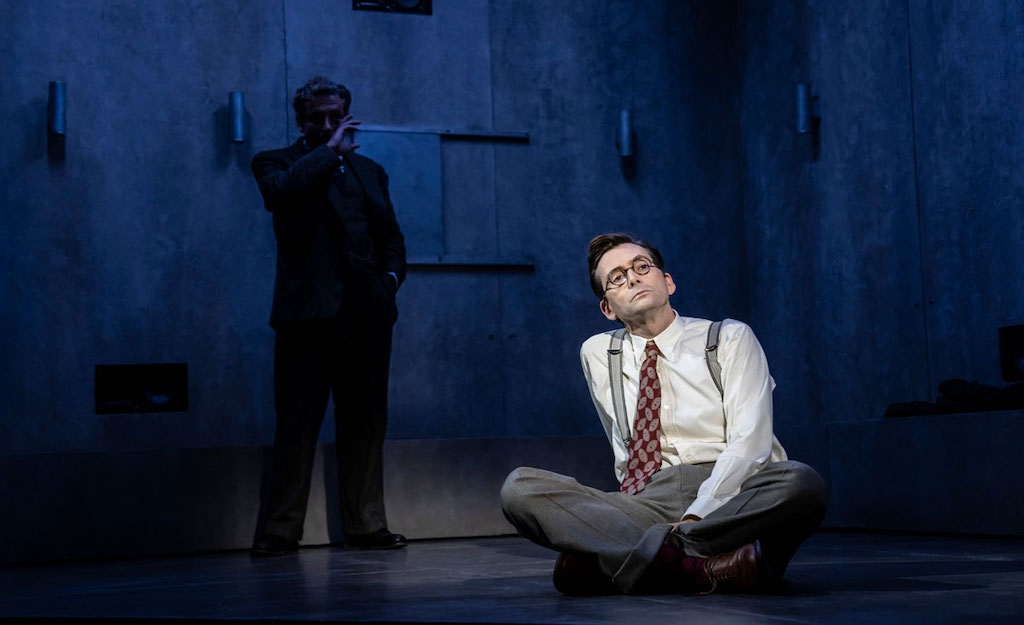
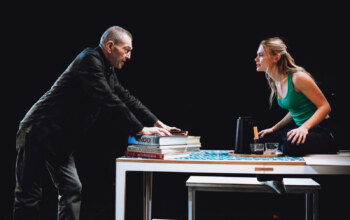
Set in 1930s Nazi Germany, the play features Halder (David Tennant), an eloquent, likeable and intelligent university professor of literature, who gradually falls under the spell of Nazi ideology. It’s a slow but steady fall: initially less than impressed by the racial hatred, he begins to rationalise to himself how he is justified in committing acts of atrocity.
The horror becomes particularly apt in the way he falls. First, he merely joins the Nazi party to ensure he’s not fired from his tenured position, but slightly later he finds himself in a position of trying to push for more humane treatments amid the so-called mercy killings of people with mental infirmities and other disabilities. But as his acts become increasingly horrific, the audience – and Halder himself – become more and more aware that his justifications are little more than a self-reassurance since he can’t face what he’s become.
As such, Halder is a highly nuanced character to play, and Tennant’s performance is outstanding. We feel the power of his wit and perception, but also get a strong insight into his empathy for various friends and family members, even as he grows more detached. The character, at the end, is barely recognisable, which displays some extraordinary character development – a brilliant triumph for Tennant. He is supported by Sharon Small and Elliot Levey, who represent various side characters, and both are also particularly apt and effective in representing a range of personalities.
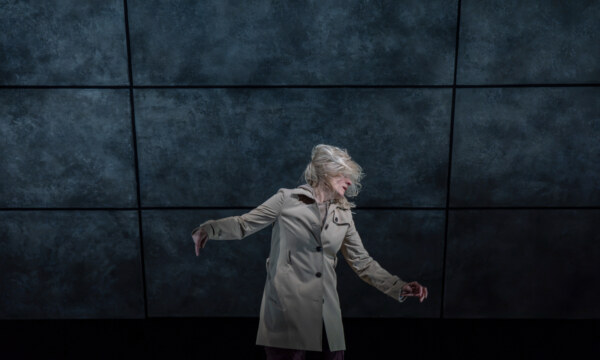
Cooke’s production is equally powerful. The set by Vicki Mortimer is a concrete cell, which highlights the feeling of claustrophobia that Halder experiences as his world grows smaller and smaller, and the lighting by Zoe Spurr is magical. But it is Tom Gibbons’s sound design that complements the performances especially well.
All this builds towards a show that is practically breathtaking. Tennant’s Halder is magnificent, and, with Cooke’s production supporting him, this is one take on Good that shouldn’t be missed.
Michael Higgs
Good is at Harold Pinter Theatre from 5th October until 24th December 2022. For further information or to book visit the theatre’s website here.








Facebook
Twitter
Instagram
YouTube
RSS