
Cheltenham’s legendary races explained
 2 March 2026
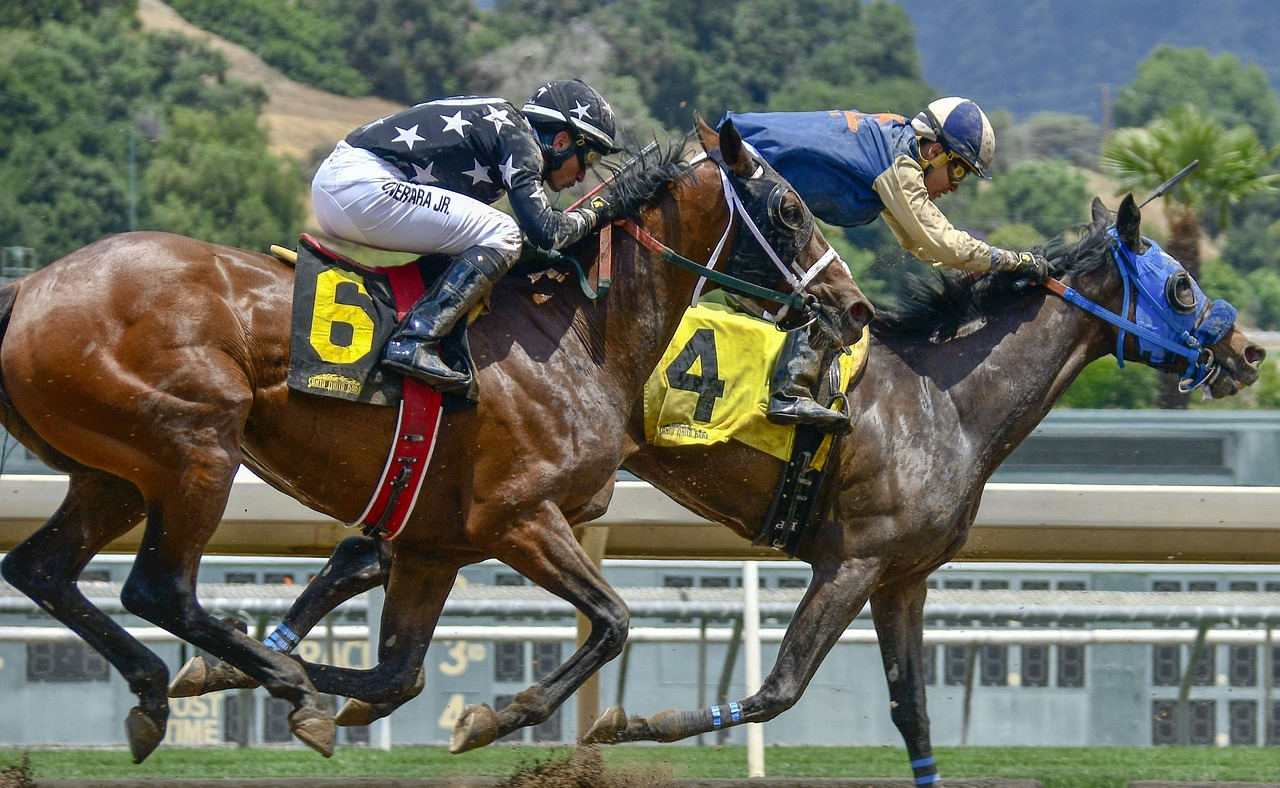
The Cheltenham Festival brings together 28 races over four days each March, but five championship contests stand above the rest in terms of prestige and history. These Grade One races create legends and represent the pinnacle of National Hunt racing for horses, trainers and jockeys alike.
Understanding what makes each race special provides a foundation for enjoying the festival, whether you’re attending in person or following the action through horse racing betting.
The Cheltenham Gold Cup
The Cheltenham Gold Cup sits at the summit of jump racing and has done so since it was first run in 1924. Contested over three miles and two-and-a-half furlongs on the Friday afternoon, the Gold Cup tests stamina, jumping and courage in equal measure with its famous uphill finish.
Golden Miller remains the most successful Gold Cup winner with five consecutive victories between 1932 and 1936, whilst Arkle’s three wins in the 1960s cemented his status as arguably the greatest steeplechaser of all time.
More recently, Best Mate captured the public imagination with his hat-trick of wins from 2002 to 2004, and Kauto Star made history in 2009 by becoming the first horse to regain the crown after his initial 2007 triumph.
The Champion Hurdle
The Champion Hurdle, first run in 1927, opens the festival on Tuesday and showcases the speed merchants of the hurdling division over two miles. While it lacks the Gold Cup’s distance test, the Champion Hurdle demands exceptional pace and precision over eight hurdles.
Hatton’s Grace became the first triple winner between 1949 and 1951, setting a template that would be matched by Sir Ken, See You Then, and the mighty Istabraq. The race also holds special significance for Dawn Run, who won it in 1984 before achieving the unprecedented double by taking the Gold Cup two years later.
The Queen Mother Champion Chase
The Queen Mother Champion Chase, established in 1959 and renamed in honour of the Queen Mother in 1980, represents the two-mile championship for chasers. Run on Wednesday over 17 fences, this race rewards electric speed combined with flawless jumping technique.
Sprinter Sacre’s demolition job in 2013, winning by 19 lengths, stands as one of the most dominant performances in Festival history. The race has produced a string of dual winners, including Badsworth Boy, Energumene, Moscow Flyer, and the brilliant Altior.
The Stayers’ Hurdle
The Stayers’ Hurdle completes the traditional quartet of championship races and is the oldest of them all, dating back to 1912. Contested over three miles with twelve hurdles on Thursday afternoon, this race finds the finest staying hurdlers.
Big Buck’s dominated the division with four consecutive wins from 2009 to 2012, establishing himself as one of the greats, whilst French-trained Baracouda showed that international raiders could succeed with his back-to-back victories in 2002 and 2003.
The Ryanair Chase
The Ryanair Chase, introduced in 2005 when the festival expanded to four days, fills the crucial gap between the Champion Chase and Gold Cup distances at two miles and four-and-a-half furlongs.
Whilst it’s the newest of the championship contests, it has quickly established itself as a target for high-class chasers who find the Champion Chase too sharp but the Gold Cup trip beyond them.
The race has attracted quality winners, including Imperial Commander, who used it as a stepping stone to Gold Cup glory the following year, and the popular Cue Card in 2013.
The editorial unit
















Facebook
Twitter
Instagram
YouTube
RSS