
Twisted Yoga

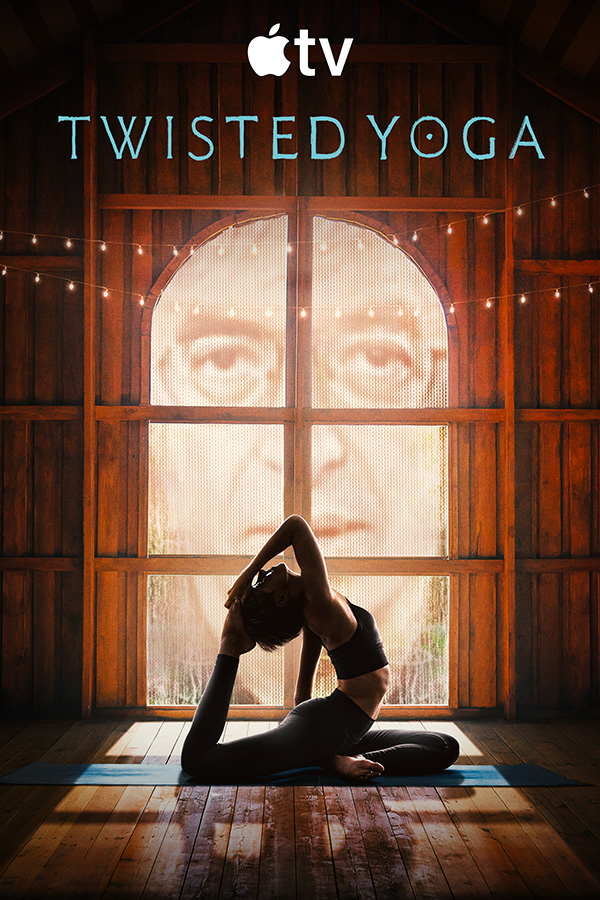
There’s a moment early in Twisted Yoga where everything looks exactly right. Sunlight pours into a high-ceilinged studio, rows of purple mats evenly spaced, bodies moving in slow, controlled sequences. It’s calm, curated, and faintly aspirational – the exact kind of place people go to escape the pressures of modern life.
The three-part Apple TV+ docuseries follows former members of Gregorian Bivolaru’s tantric yoga movement, tracing how that promise of wellness and community tipped into something more controlling. The structure – testimony, archive, investigation – is familiar, but the handling is more careful than most. The people at its centre aren’t folded into a single narrative. Their accounts remain distinct, resisting the Manson girls’ shorthand that reduces primarily female victims to a collective.
The starting point is entirely ordinary, and the problems creep in by degrees: expectations that feel slightly off, rules that become harder to question, a growing sense that more is being asked than was first promised. Twisted Yoga sits with this longer than you expect, and it pays off. By the time things turn, it’s already clear why leaving wasn’t an option.
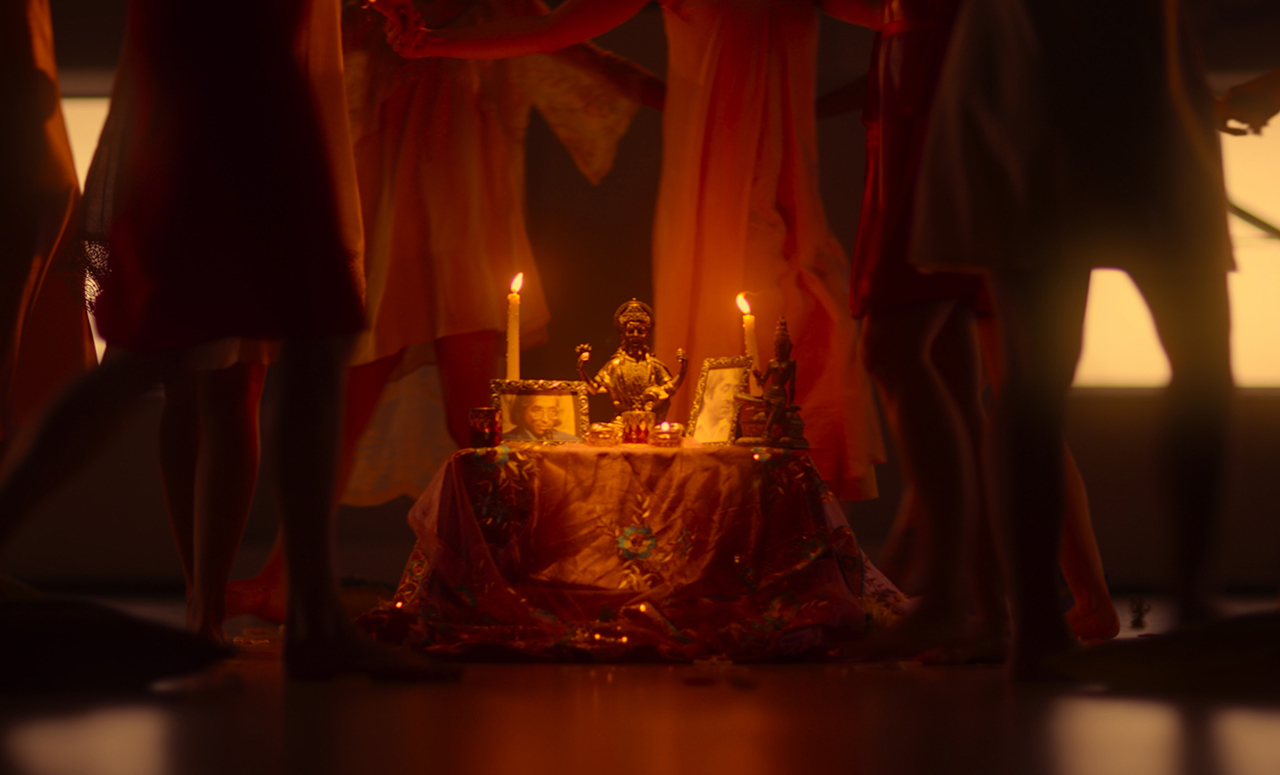
Rowan Deacon’s direction is controlled without feeling overdone. Interviews are staged with a clear sense of place – some in open, light-filled rooms, others in darker, more enclosed settings. The convoluted timeline is handled impressively well, with clever devices like a reenactment of someone pausing on a Facebook post advertising an open day at Bivolaru’s London studio. It’s an ordinary moment, which is exactly why it lands. When the outside world enters, the tone changes. Footage of the French police – who raided Bivolaru’s compound in 2023 – and investigative journalists is shot in cold, bluish tones, cutting cleanly against the warm glow of the yoga spaces. The contrast is blunt but incredibly effective. If there’s a weakness, it’s the way Bivolaru is presented. Devotees throw themselves before his photograph, placed beside a golden statue. Their fervent descriptions of him are intercut with close-ups of Krishna and Radha, while archive footage shows him teaching in communist-era Romania – grainy, slightly out of focus, as if from another age. It’s striking, but it edges into mythologising him, making him seem less like a man taking advantage of vulnerable people and more like a figure with a supernatural pull.
Twisted Yoga is at its best when it keeps things grounded. It shows how something that looks benign can change shape slowly, without ever announcing itself as a problem – which is exactly what makes it so easy to miss, and so difficult to get out of.
Christina Yang
Twisted Yoga is released on Apple TV+ on 13th March 2026.
Watch the trailer for Twisted Yoga here:




Facebook
Twitter
Instagram
YouTube
RSS