
Less frame, more face: Why rimless glasses are the quiet luxury trend worth knowing about
 19 March 2026
Fashion has spent the past two years whispering where it used to shout. The quiet luxury movement, driven by brands like The Row, Brunello Cucinelli, and Loro Piana, has reshaped how people think about everything from knitwear to handbags. The principle is simple: quality over logos, subtlety over spectacle, things that are made well rather than things that are made to be noticed.
Eyewear has been slower to follow, partly because glasses are inherently visible. They sit on the centre of the face. They are, by definition, the first thing people look at. But the shift is happening, and the clearest expression of it is the return of the rimless frame.
The appeal of almost nothing
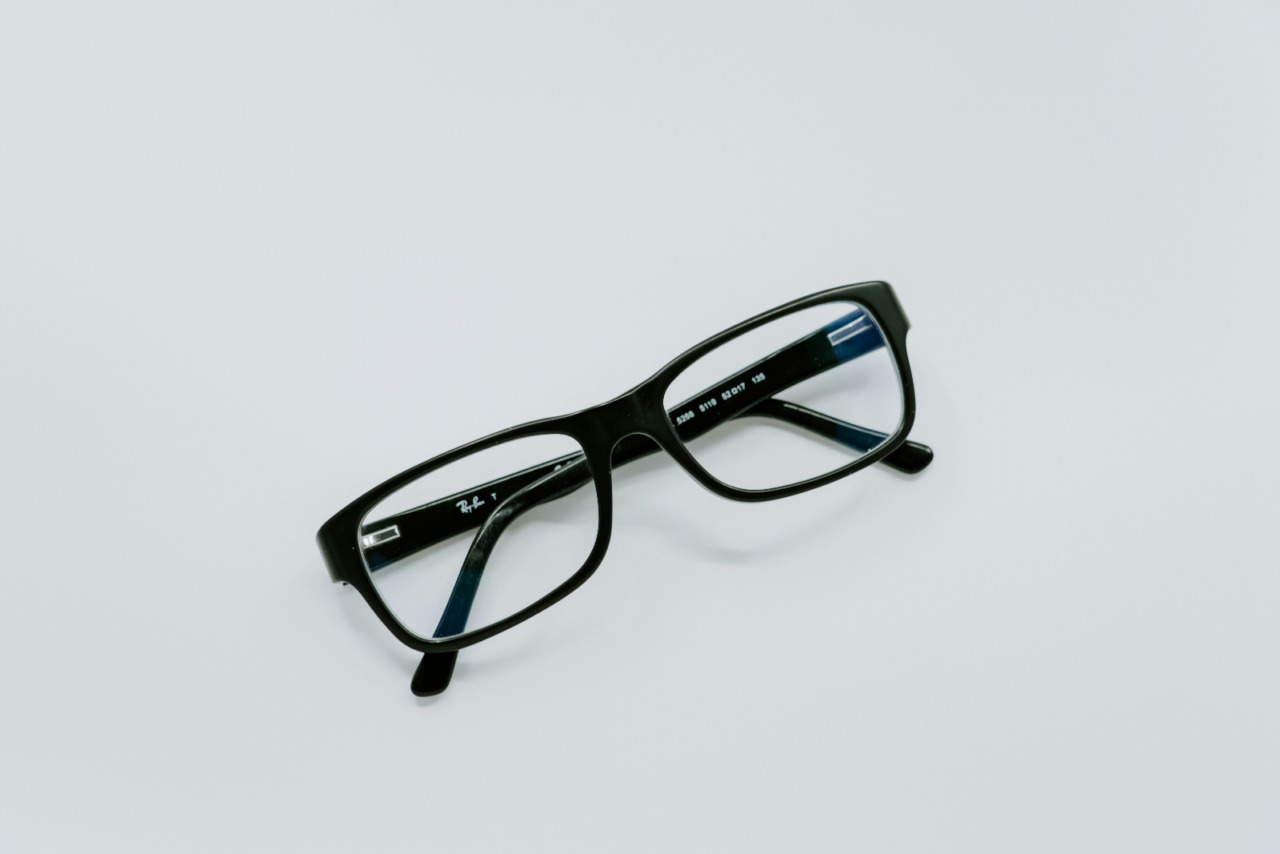
Rimless glasses are, by design, the least a pair of glasses can be. Two lenses, a bridge, two arms. No frame surrounding the lens. No acetate. No colour blocking. No branding visible at a distance. What remains is functional, minimal, and almost invisible on the face.
That invisibility is the point. Where bold acetate frames draw the eye to the glasses themselves, rimless frames draw the eye to the wearer. The face stays open. The features stay uninterrupted. For anyone who has ever felt that their glasses were competing with their outfit rather than complementing it, rimless frames resolve that tension entirely.
The aesthetic has deep roots in European fashion and architecture, where the most expensive things have always tended to be the least adorned. Rimless glasses follow the same logic. A pair of titanium rimless frames weighs almost nothing, lasts years, and communicates a kind of effortless intention that heavier, more decorative eyewear simply cannot. It is the eyewear equivalent of a perfectly cut white shirt.
Why the timing makes sense
The resurgence is not happening in isolation. London Fashion Week and the broader menswear and womenswear circuits have seen a consistent move toward pared-back accessories over the past several seasons. Oversized frames, coloured acetate, and statement sunglasses still have their place, but the editorial mood has shifted toward pieces that feel considered rather than conspicuous.
Rimless glasses fit that mood precisely. They signal taste without signalling effort. They work as comfortably in a boardroom as they do at a gallery opening or a weekend lunch. And unlike trend-driven frames that date within a season or two, rimless designs have a longevity that justifies the investment, however small that investment may be.
Where to start
The traditional barrier to rimless eyewear has been price. Because rimless frames require precision engineering and materials like titanium or stainless steel, they have historically sat at the premium end of the market. A pair from a luxury optician can easily exceed £400.
That is changing. UK-based retailer Glasses2You offers a curated collection of rimless prescription glasses crafted from titanium and stainless steel, with durable polycarbonate lenses included as standard. Frames start from £84.95, which makes the quiet luxury aesthetic accessible at a fraction of the luxury price point. Their virtual try-on tool allows you to preview how different rimless styles sit on your face before committing, which is particularly useful for a frame style where fit and proportion matter more than colour or pattern.
For anyone exploring the look for the first time, the key consideration is proportion. Rimless frames rely on lens shape and size to create their visual effect, so getting the width right relative to your cheekbones and the height right relative to your brow line is more important than it is with a full frame. A slightly rounded lens softens angular features. A rectangular lens adds structure to softer faces. The absence of a frame makes these subtleties more visible, which is part of what makes rimless glasses so quietly effective.
The case for restraint
There is something counterintuitive about spending less to look more considered. But that is the nature of quiet luxury. The most elegant choices are often the ones that remove rather than add. A rimless frame removes the visual noise. What is left is clarity, both literally and aesthetically.
For a culture that is increasingly tired of being sold to, that restraint has real appeal. Rimless glasses do not announce themselves. They do not reference a trend or a brand. They simply let the wearer be seen. In a fashion landscape that has spent years getting louder, that might be the most modern thing about them.
The editorial unit





















Facebook
Twitter
Instagram
YouTube
RSS