
The rise of tension-based design in modern exhibition spaces
 22 April 2026
Visit any large exhibition hall now and you will see a definite change. Hardly any panels and wooden boards are gradually giving way to clean smooth images that almost feel weightless. No visible joints. No uneven edges. Clearly defined and vivid graphics that are captivating. What is it that makes it as precise as that? And why are additional brands trending this way? You have ever encountered crooked panels or sloppy displays, and it can be rather exasperating. These problems are solved in a practical and more realistic manner through tension-based systems and when you learn how they work then the outcomes would be much easier to manage.
Definition and core concept of tension-based systems
Tension-based design uses controlled force to create a flat and stable surface. Instead of solid panels, the system relies on a flexible material stretched across a rigid frame. This force keeps the surface smooth and even.
The system has three main parts:
- A frame that defines the shape
- A fabric panel with a sewn edge
- A channel that holds the fabric in place
During setup, the fabric edge is pressed into the frame. As it fits into the channel, tension spreads across the entire surface. This removes wrinkles and prevents gaps.
One clear benefit is adjustability. Installers can correct small errors during setup. That makes it easier to reach a precise result without complex tools or extra steps.
Structural mechanics behind tension systems
The performance of a tension system depends on how force is balanced. When force is equal on all sides, the surface stays flat. If one side has less pull, the material may sag or form waves.
Frame quality plays a direct role. A weak frame can bend under pressure, which leads to visible defects. Most systems use aluminum because it combines strength with low weight. Frame depth is also important. Deeper frames hold their shape better under tension.
The seg fabric frame is a widely used example. It uses a silicone edge that fits into a narrow channel. This design allows even force along the entire edge, which helps maintain a smooth surface.
Fabric behavior must also be controlled. Most materials used in these systems stretch by about 1–3%. This range is enough to create tension without damage.
Key factors that affect performance include:
- Equal force across all edges
- Strong and stable frame structure
- Controlled fabric stretch within limits
If these factors are managed correctly, the system will keep its shape over time without visible issues.
Design advantages in exhibition use
Tension-based systems bring clear benefits to exhibition spaces. First, they create a clean and professional look. There are no visible fasteners or overlapping parts. The surface appears as one continuous image, which improves visual impact.
Second, setup time is shorter. Traditional panel systems often require careful alignment and can take several hours. Tension systems reduce that effort. In many cases, a full display can be assembled in much less time, even by a small team.
Third, transport is more efficient. Fabric panels can be folded, and frames can be packed into smaller sections. This reduces both storage space and shipping cost.
Here are the main advantages in simple terms:
- Lower weight makes handling easier
- Faster setup reduces labor time
- Smooth surface improves visual quality
- Compact packing saves space during transport
From real project experience, one benefit stands out repeatable results. Once the process is clear, the same system can be installed multiple times with consistent quality.
For brands that need reliable displays across different locations, this matters. It reduces risk, saves time, and ensures that every setup meets the same visual standard.
Application across exhibition environments
Tension-based systems are used across many types of exhibition spaces because they adapt well to different layouts and time limits. In trade shows, they allow fast setup and repeat use. A standard booth can be installed in a few hours, even with limited staff. This matters when event schedules are tight and delays are costly.
Retail spaces also benefit from this approach. Wall displays built with tension systems create clean edges and smooth surfaces that highlight brand visuals. Many stores update graphics every 3–6 months, and fabric-based systems make this process simple and cost-effective.
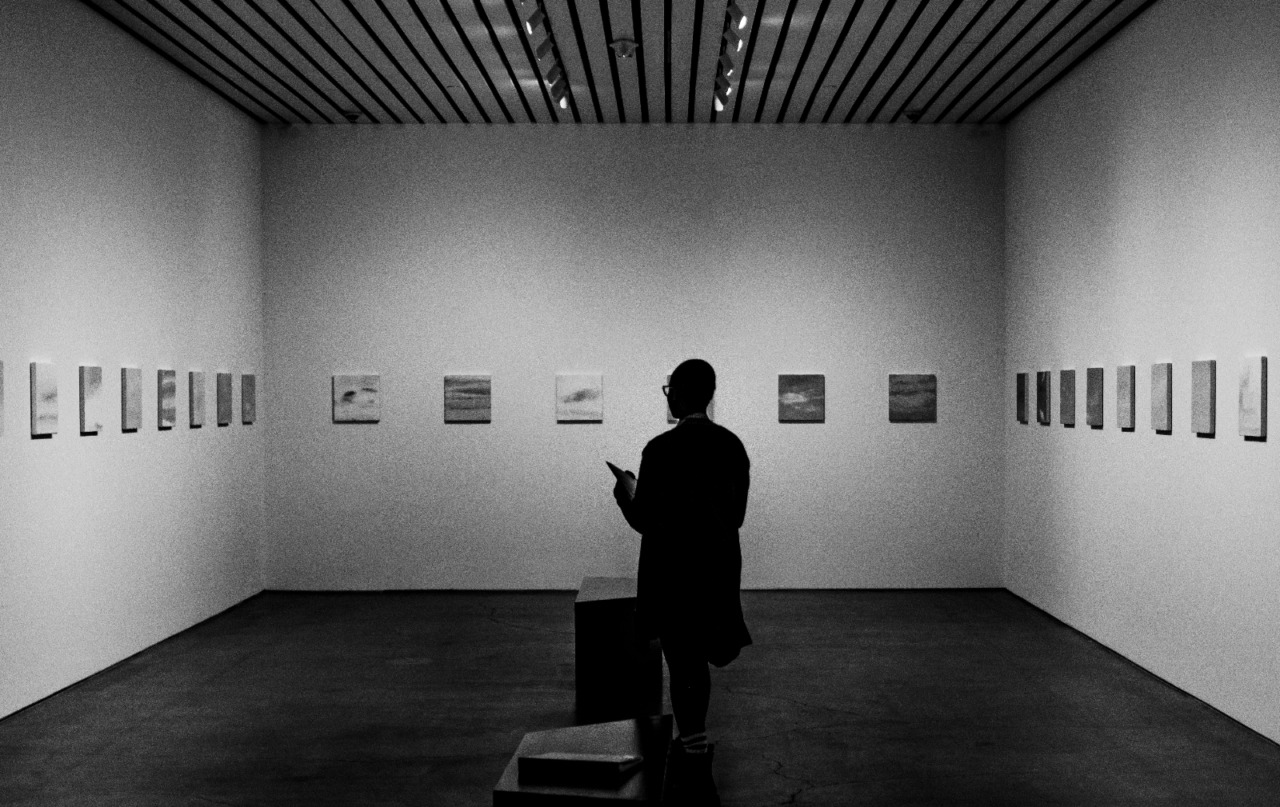
Museums and galleries use these systems for large visuals without heavy panels. The low weight reduces stress on walls and supports safe installation.
Common use cases include:
- Modular booths for trade events
- Feature walls in retail stores
- Temporary displays in galleries
Each use shows the same advantage: consistent visual quality with less effort.
Installation process and accuracy control
A precise result depends on a clear and repeatable process. It starts with surface checks. Walls or floors must be level within a small margin, usually ±2 mm. Any error at this stage will affect the final result.
The next step is frame assembly. Parts must be connected in the correct order, with alignment checked before tightening. Skipping this step often leads to uneven edges.
Fabric placement comes last. The material should be inserted evenly, moving from one side to the other. This ensures balanced tension.
Key control steps:
- Mark layout lines before assembly
- Check alignment during each stage
- Inspect the final surface for waves or gaps
Care at each step prevents costly corrections later.
Common errors and how to avoid them
Simple mistakes are the cause of most problems in tension-based systems. Unequal tension is one of the pitfalls. This occurs when the fabric is inserted either too fast or on only one side. The outcome is visible waves.
Bad frame alignment is another problem. In case the frame is not straight, the fabric will not be able to correct it. The slightest movement can influence the whole display.
The choice of materials is also important. Poor quality cloth can stretch excessively or be out of shape with time.
In order to prevent such problems:
- Insert cloth in a random manner.
- Position check frame prior to adding material.
- Use experimented materials that have consistent stretch limits.
In actual projects, failure is not because of design, but because of hasty set up. Prudent effort results in dependable outcomes.
The editorial unit





















Facebook
Twitter
Instagram
YouTube
RSS