
Atonement
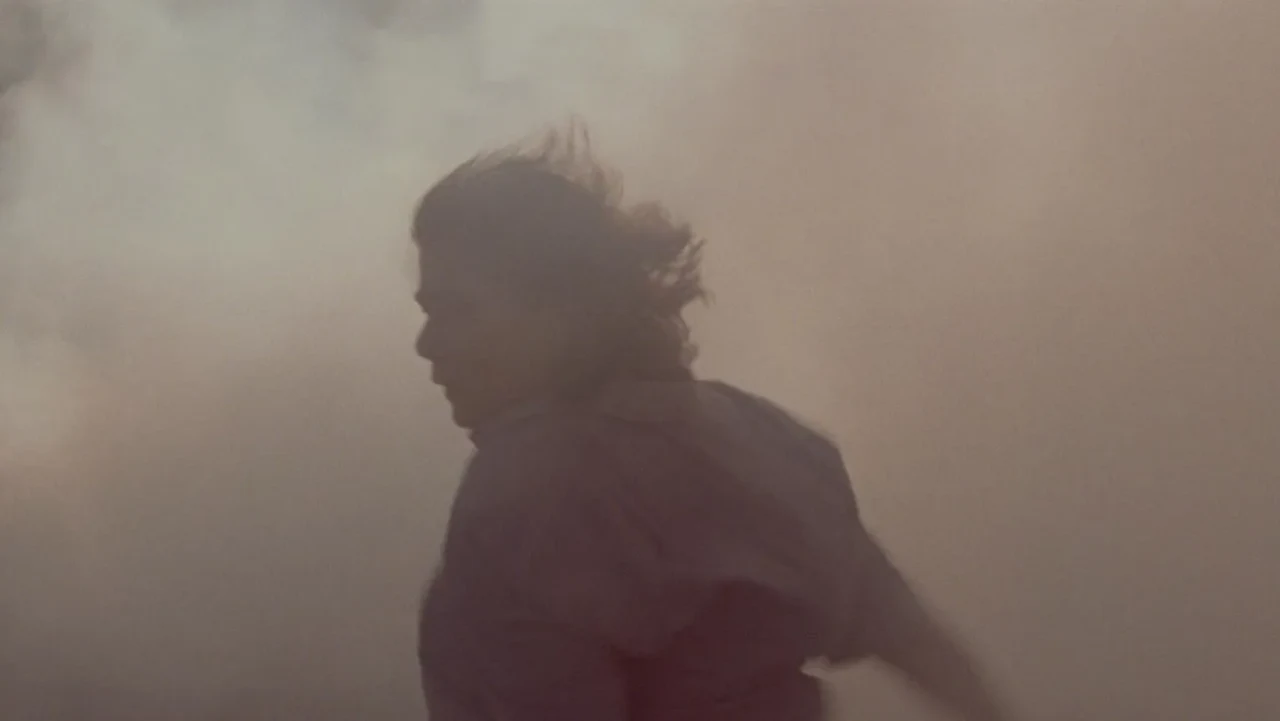

Reed Van Dyk’s debut Atonement begins with a fatal miscalculation during a firefight in Iraq and follows the damage it leaves behind years later. Inspired by war journalist Dexter Filkins’s 2012 New Yorker article of the same name, the film centres on Lou (Boyd Holbrook), a US Marine haunted by the deaths of three members of a civilian family his unit fired on. With the help of journalist Michael (Kenneth Branagh), Lou later seeks out the family matriarch Mariam (Hiam Abbass) in the hope of finding some form of reconciliation.
Van Dyk’s approach to war is striking precisely because it avoids the usual cinematography of war zones on film. There is no dramatic escalation towards violence, no lingering anticipation before disaster strikes. The explosions come abruptly, in the middle of ordinary life, because for the civilians living there, this violence is no longer exceptional. Mariam and her family react quickly, with the practised movements of people who have survived bombings and firefights before. That normalcy makes the opening tragedy even more disturbing and bleeds into the hospital scenes. Corridors are overcrowded, supplies are stretched thin, and horrific injuries pass through in waves, yet the doctors and nurses remain perfectly composed, marked only by a quiet sombreness. Van Dyk understands that constant exposure to violence does not always produce hysteria; often, it produces exhaustion and routine. The movie’s restraint gives these moments far more weight than stylised brutality would have.
Crucially, nobody here is reduced to a symbol. Framing the story through an anti-war journalist is a clever decision. The young American soldiers are neither absolved nor demonised, while the Iraqi family are written with an attentiveness that avoids turning them into vessels for Western guilt. Iraq War narratives are so often reduced to ideas about Christianity and Islam that it feels exceptional to centre a fiercely devout Iraqi Orthodox Christian family instead. Mariam’s religious beliefs shape the way she understands suffering and forgiveness. Abbass plays her with immense calmness, quoting scripture to quiet her son-in-law’s anger towards Lou and finding solace in church after emigrating to California with her remaining daughter’s family. Yet the feature never suggests that faith erases trauma or allows anyone simply to move on.
That ambiguity becomes the central question. Lou cannot fully articulate what he is searching for, and it remains unclear what lies beneath Mariam’s politeness. Van Dyk refuses to offer an easy answer. The reconciliation may be genuine, or it may simply be the closest any of them can come to continuing their lives. Atonement remains hopeful without becoming sentimental – a rare balance for a modern war film.
Christina Yang
Read more reviews from our Cannes Film Festival 2026 coverage here.
For further information about the event, visit the Cannes Film Festival website here.



















Facebook
Twitter
Instagram
YouTube
RSS