
The creative industries are being transformed by AI
 8 June 2026
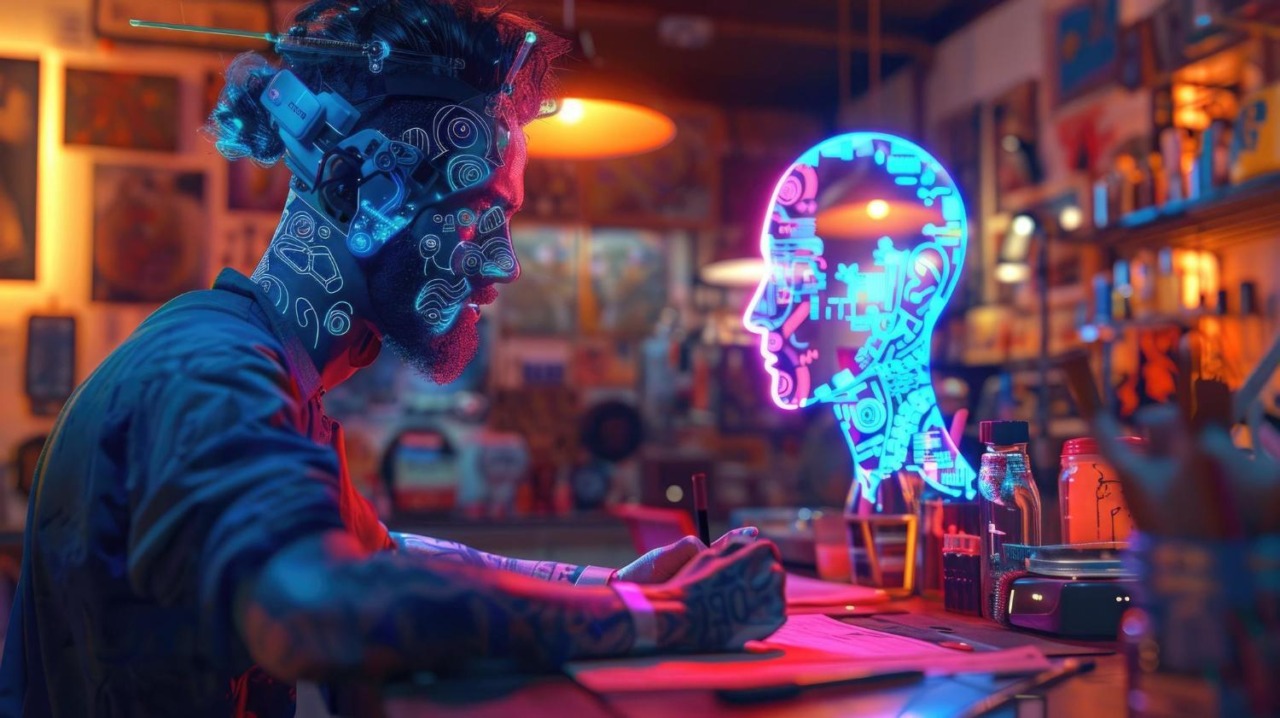
The creative industries have always absorbed new technology and emerged changed. Photography unsettled painting; synthesisers rattled musicians; digital editing upended film. Each time, the predictions of doom gave way to new forms of expression. Generative AI is the latest disruptor to arrive, and it may be the most sweeping yet, touching film, music, publishing, design, and the visual arts all at once. The transformation is messy, contested, and genuinely exciting, and understanding it means looking past both the hype and the panic.
A tool, a threat, and a provocation
The first thing to grasp is that AI occupies an unusual position in creative work. It is simultaneously a powerful tool that expands what individuals can make, a perceived threat to livelihoods built on traditional skills, and a philosophical provocation about what creativity even is. All three readings are valid at once, which is why the conversation is so charged.
For every artist who feels liberated by these tools, another feels their craft is being devalued. Both reactions are understandable. The technology genuinely lowers barriers, letting people realise ambitious ideas without years of technical training, and that same democratisation can feel like a threat to those who spent those years mastering their craft. Holding both truths together is essential to any honest discussion.
Film and visual effects: Big ideas on small budgets
In film, the impact is already visible in pre-production and independent work. Storyboarding, concept art, and previsualisation, once expensive and slow, can now happen rapidly. A director can visualise a sequence, test a look, or pitch a vision long before a camera rolls.
For independent and low-budget filmmakers, this is transformative. Effects that once required a studio’s resources are creeping within reach of small teams. The democratising potential is real: more voices, more stories, made by people who were previously priced out of ambitious visual storytelling. The worry, of course, is what this means for the skilled artists whose work has historically filled those roles, a tension the industry is still working through.
Music: Collaboration or competition?
Music sits at a similar crossroads. AI can now generate melodies, suggest chord progressions, master tracks, and even mimic vocal styles. For some musicians, these are welcome collaborators that spark ideas and handle tedious technical steps. For others, the prospect of AI-generated songs flooding streaming platforms feels like an existential threat to human artistry and fair pay.
The most interesting work tends to come from artists who treat AI as an instrument rather than an author, something to be played, subverted, and combined with human intention. As with the sampler or the drum machine before it, the tool itself is neutral; the artistry lies in how it’s wielded.
Visual art and design: The new studio workflow
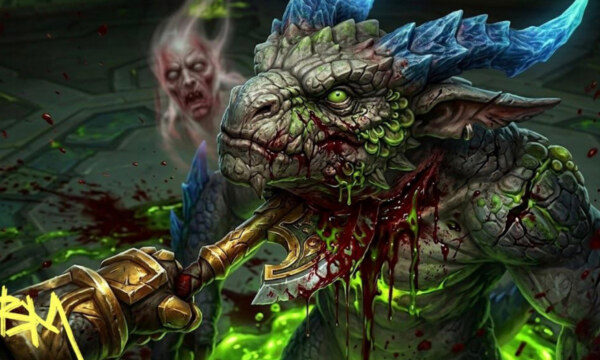
Nowhere is the shift more vivid than in visual art and design. Working illustrators, graphic designers, and studios are increasingly weaving image generation into their day-to-day process, for rapid concepting, mood-setting, and exploring directions before committing to a final piece.
Here, the practical concerns of professional creatives come to the fore, and not every tool addresses them equally. An AI Image Generator such as Adobe Firefly’s text-to-image feature has found traction among working designers partly because it was built with those professional anxieties in mind: its model was trained on licensed Adobe Stock and public-domain material rather than indiscriminately scraped images, and exported work carries Content Credentials that document how it was made. For a studio delivering paid work to clients, that combination of cleaner provenance and a clear creation trail matters as much as the quality of the output itself. It’s a reminder that, in professional contexts, how an image was made is becoming as important as the image. That said, the deeper debates around training data and artist consent are far from settled, and many creators remain rightly cautious.
Publishing and the written word
Writing and publishing are wrestling with their own version of this upheaval. AI can draft, edit, summarise, and translate at remarkable speed. Publishers see efficiency; many authors see a threat to craft and a flood of low-quality, machine-made content diluting the market.
According to The Guardian, the creative sector has become a central battleground in debates over copyright and AI, with writers, musicians, and artists pushing for stronger protections around how their work is used to train these systems. The outcome of those debates will shape not just the economics of creative work but the very relationship between human authorship and machine assistance for years to come.
The human element endures
Amid all this churn, one thing keeps reasserting itself: the enduring value of human perspective. AI can generate competent, even impressive output, but it works by recombining what already exists. It has no lived experience, no genuine point of view, no reason to make one choice over another beyond statistical likelihood.
This is precisely where human creators retain their edge. Taste, intention, cultural context, and the ineffable spark of a personal vision remain stubbornly human. The artists thriving in this new era are those who use AI to handle the mechanical and the repetitive while reserving the meaningful creative decisions for themselves.
An unwritten future
The creative industries are not being destroyed by AI; they are being reshaped, as they have been many times before. The tools are extraordinary, the disruption is real, and the ethical questions are far from resolved. What comes next will be decided not by the technology alone but by the choices of creators, audiences, lawmakers, and the companies building these systems.
If history is any guide, the result won’t be the end of human creativity but a new chapter of it, one with fresh forms, new debates, and art we can’t yet imagine. The brush has changed hands many times before. What matters, as ever, is the vision of whoever is holding it.
The editorial unit
Photo: Frolopiaton Palm on Magnific









Facebook
Twitter
Instagram
YouTube
RSS