
Wolfram
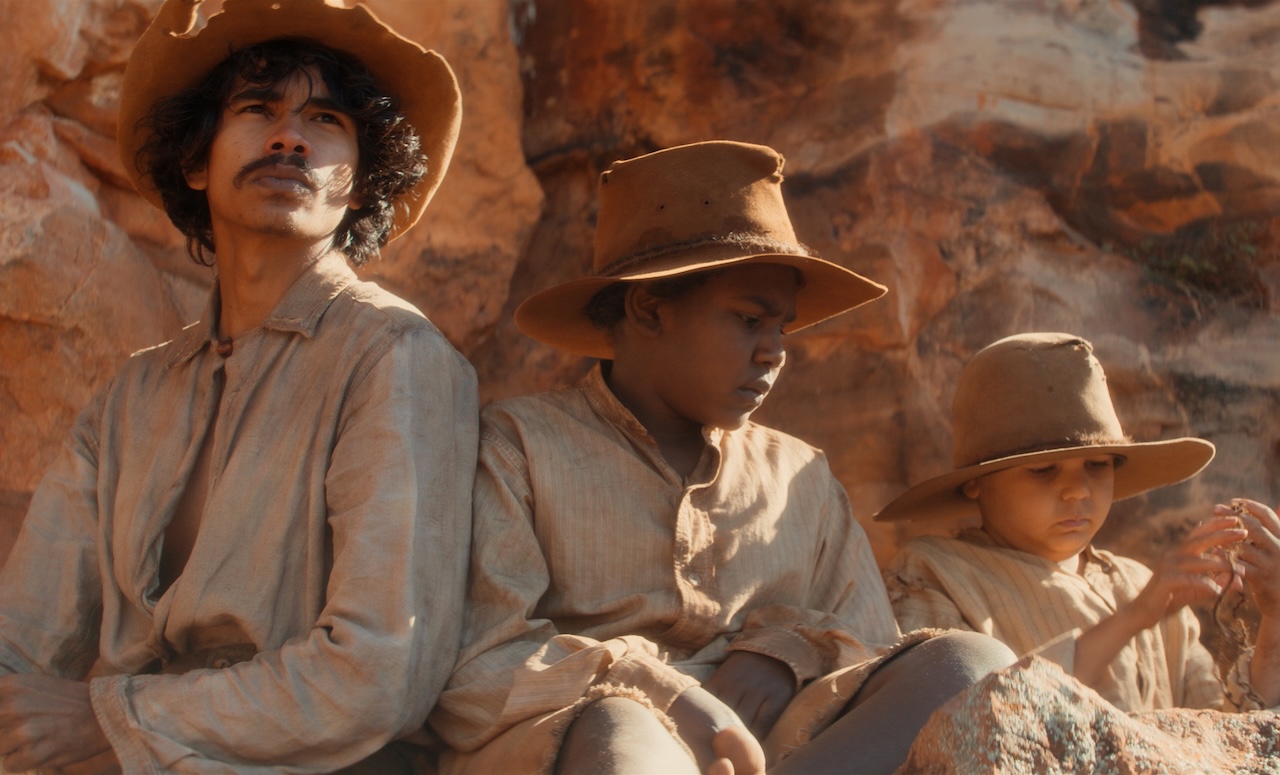


Warwick Thornton’s Wolfram is an indirect sequel to his 2017 Indigenous Western Sweet Country, revisiting themes of Aboriginal oppression, while seeking a less brutal and emotionally overwhelming tone this time around. As such, much of this narrative centres around two children, forced to work in wolframite mines, drawing comfort from one another and their memories of home. When outlaws arrive and stir chaos in town, the siblings seize their chance to escape – but the road to reunite with their parents proves long and unforgiving.
The commitment to exploring this gruesome part of Australian history through the eyes of the juvenile protagonists, unfortunately, translates into a sketch of what this film aims to be. The town’s dynamics, the practices of child labour and slavery, and the colourism that determines the level of abuse someone might face are all handled in a disappointingly superficial and oversimplified manner. This lack of meaningful engagement with the circumstances weakens the emotional impact the journey would have had, had the audience been made to feel the full weight of their experience.
If Wolfram were intended for a younger audience, the lack of nuance might be more justifiable, but its slow-burn structure and flashes of violence quite clearly suggest otherwise.
By forcing in last-minute reveals, the script and its contrived surprise give the film an unintended air of persiflage. To function as social commentary, the moments are simply too little, too late.
It is the movie’s technical craftsmanship that proves most memorable and effective. The immersive cinematography, helmed by Thornton himself, is aided by the very real plague of flies the filmmakers had on set. One can practically feel the stagnant air, heavy with heat, on one’s own skin through these haptic images. The relentless hum of insects attaching to each frame creates a downright kaleidoscopic experience. On an auditory level, the sounds of a musical saw add a haunting and cryptic layer to the children’s story, pleasantly at odds with their ongoing strain.
While Thornton’s latest feature offers a number of interesting individual elements, they do not cohere into a particularly captivating or rewarding experience. Sadly, Wolfram feels overwhelmingly like the first draft of a movie and not the finished product. An unsatisfactory addition to the director’s body of work, it provides only faint traces of the talent so evident in his previous films.
Selina Sondermann
Read more reviews from our Berlin Film Festival 2026 coverage here.
For further information about the event, visit the Berlin Film Festival website here.















Facebook
Twitter
Instagram
YouTube
RSS