
“We are fascinated with the absolute darkest sides of the human psyche”: Laura Donnelly and Mark Rowley on The Dark
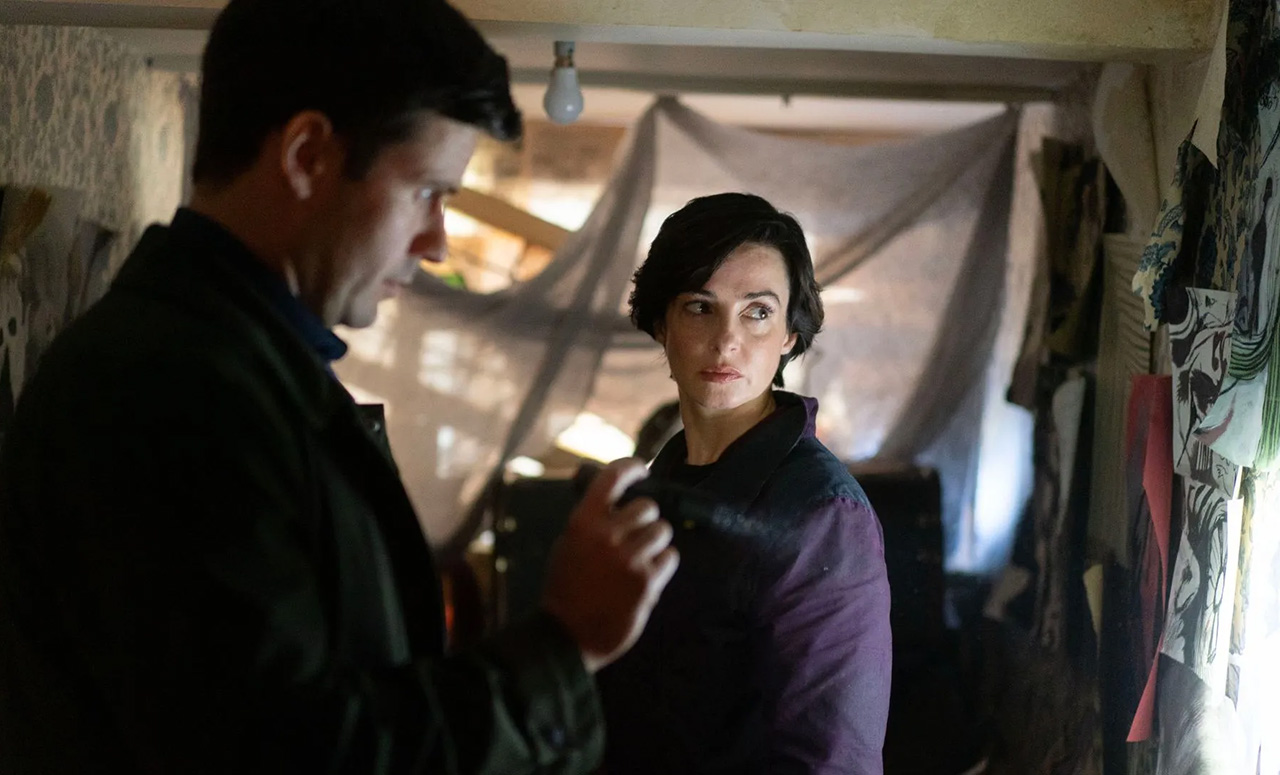

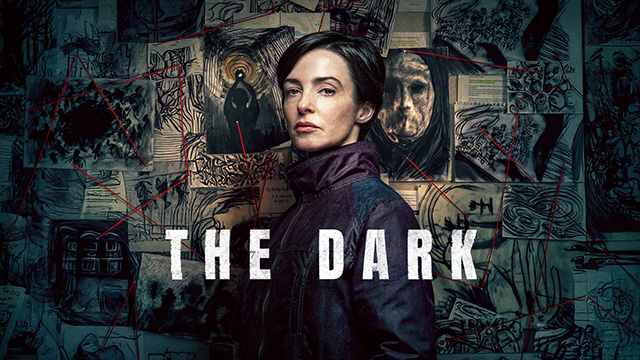
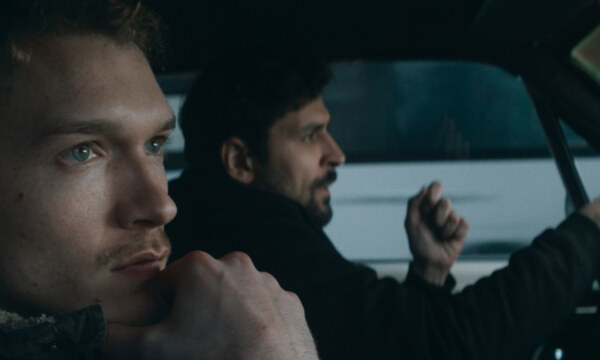
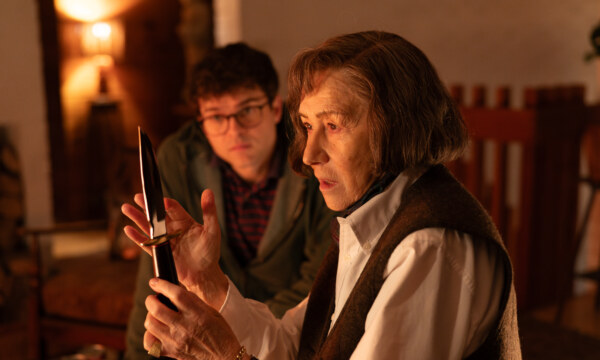
In The Dark, Detective Inspector Monica Kennedy (Laura Donnelly) investigates the ritualistic murder of a young man in the rural Scottish Highlands, with her partner, Detective Connor Crawford (Mark Rowley), alongside her. As the search for a masked killer unfolds, the case sends fear and suspicion through the surrounding community, while the landscape itself becomes central to the show’s atmosphere.
Ahead of the series release on ITVX, Donnelly and Rowley speak to The Upcoming about filming in the Highlands, reading the story from their characters’ point of view, and why audiences continue to be drawn to dark, unsettling stories.
Hi Laura and Mark, it’s so lovely to speak with you today. To start things off, would you like to tell us what audiences can expect from The Dark, and from your characters, Monica and Connor?
Laura Donnelly: I think audiences can expect a really fascinating and quite thrilling police hunt for a serial killer, but in a more interesting and original way that also explores what kind of effect it has on the people who are left behind. The show really focuses on the community around it: the families of the victims, and the relationships that exist between these two detectives, between Monica and her family. There’s just so much richness there that we get to explore.
Mark Rowley: Just to add on to what Laura was saying, there’s a real kind of eeriness and haunting atmosphere when you watch it, something that kind of sticks with you. I’d imagine if you watched this show and then took the dog out for a walk at night, there might be a little residual feeling of, “Maybe there’s someone watching me.”
On that note, executive producer Ben Stevenson described the show as a “hide-behind-the-sofa thriller”. Beyond the murders and the serial killer, what is it about the show that really gets under your skin?
LD: I do think the atmosphere has been set primarily by Gilles Bannier, who directed the first few episodes, as well as by the landscape in which the story is set. There was something very specific that was already there on the page when I read the first script: it was essential that it was set in Scotland, in the Highlands. The atmosphere of small rural towns and communities within this vast, beautiful and dramatic landscape, combined with the weather in the Highlands, can make everything feel darker, harder, colder and eerie – especially at the time of year in which we were shooting, and in which The Dark is set. Gilles has done such a beautiful job of bringing in the landscape as another character in the series. I think it’s going to make it not only “hide-behind-the-sofa” viewing, but also really cosy. I always end up watching things that feel really cosy to watch, even if they have very dark subject matter.
MR: Laura and I are both drawn to these kinds of characters, whether it’s serial killers or documentaries about that sort of thing, and a lot of people are as well. Especially in those documentaries, there’s often this idea that people around them don’t have a clue. Not to say that ours is under the radar, without giving anything away, but it does make you think. Hopefully, when people watch the show, they go, “Oh, actually, it could be anyone.”
What did filming on location allow you to do as actors that a studio environment wouldn’t have?
LD: So much of this is set outdoors, and that was a big appeal to me in doing it, because I was promised right from the start that we would not be spending any time in police precincts, interrogating people over desks in those places. Nobody – Ben, Gilles, and the two of us – wanted it to look like the typical cop show in that way. We were in one of the most beautiful countries in the world, with its own incredibly unique atmosphere, and we wanted to use it. So that’s really what it brought: the ability to do so much of this with authenticity, to be outside in those incredible spaces, and to go to houses that are really exactly what they seem to be in the show. Any time you’re getting to be in the real thing, it’s always going to make your job not only easier, but so much more enjoyable.
MR: It keeps the show going at pace as well, because we’re always searching, always moving – which is great. Shooting was a bit funny, though, because we’d be in someone’s house and then our green room would be some teenager’s bedroom or whatever. We were like, “It’s crazy, we’re doing a show about young boys going missing, and our green room is essentially an older teenager’s bedroom.” Maybe it was a bit method sometimes.
When you’re working on a script like this, do you experience the story as an actor who knows what’s coming, or as a viewer who’s trying to piece everything together?
LD: I’m always reading it from an acting point of view. I read everything from an acting point of view – every book that I read, I read from an acting point of view. I’m always thinking, “How would I feel at that moment?” As an actor, when you read a script, you always know which character you’re reading for, so you see everything through their point of view right from the beginning – well, I do, anyway. Often, for me, when it comes to performance, it’s the instinct of that very first read that gives me 95% of how I’m going to want to play it, because the effect it has on me on that first read tells me so much about the effect I then want to create going forward. So reading it from an acting point of view for the first time is so, so informative for me.
MR: I think you’ve just got to, especially with these shows, remember that a lot of it is made in the editing room as well, so you never really know how they’re going to do things. That in itself is an interesting part of it. I think the most you can do is what Laura was saying: come at it from your perspective as an actor, try and give what you’ve got to give, and then just see where it goes from there. Seeing it slowly build together is really nice, when you see it all come together.
The Dark is based on the first book in a series of three books so far. Have you read this book or the others, and would you be excited to return if future seasons were greenlit?
LD: I have read the second book as well as the first. I thought I wouldn’t get too far ahead of myself and read the third, but there’s also a fourth one being written at the moment, so it gives us huge scope for going forward. What I really love about the idea of getting to come back to it and explore the books further is that each story, from what I can tell so far, has very much got its own atmosphere, its own flavour. This is something we’ve all talked about as we sat around the green room and stuff in between takes: you could really lean into each series having its own atmosphere, almost being its own subgenre, its own kind of little film tribute, in a way. It could create something really, really unique for each standalone season, and that’s what I would be really excited about exploring.
MR: Laura has mentioned previously that each book, or each season, could have its own time of year, and I think she was really on the button there. When you get to winter, it’s so dark, and when summer comes around, it’s so amazing to be in the Highlands – it’s beautiful and lovely, but then you have that darker tone underneath. That makes it feel like a different show each time, which is great, but it still comes back to following these characters.
The books sold very well, and this show is already getting a lot of buzz before it has even aired. Why do you think audiences are so drawn to stories like this?
LD: That is a question that endlessly fascinates me, and I give it a lot of thought. I fundamentally don’t know. I’m sure there are psychologists who could explain it to me in great detail, but we are fascinated with the absolute darkest sides of the human psyche. I wonder if it’s being able to explore that from the safety of your own home, with the distance of you and a screen, and also knowing that it’s not real. All of that allows us to explore it in a safe way, the same way kids sometimes play remarkably dark games. It’s getting to take a look at the thing that scares you, but while feeling like you’re safe doing it. But I really don’t know, other than that this stuff has fascinated me all my life, and so many other people I know, and it just continues to be that way with so many people.
MR: I saw Obsession two nights ago, and it was great – what a movie. I think we are all kind of obsessed with being scared and a little bit freaked out. Especially in the last couple of years, with television and film, we’re seeing that more and more, which feels like perfect timing for this show, and for the way it explores that kind of serial killer story, especially in the way it’s done and the way the murders are carried out.
Christina Yang
The Dark is released on ITVX on 12th July 2026.
Watch the trailer for The Dark here:





Facebook
Twitter
Instagram
YouTube
RSS