
The best tech of 2026: Five devices that defined a quieter year
 13 July 2026
Technology in 2026 has stopped shouting about itself. The year of the great leap seems to have passed – no more foldables that fold twice, no more glasses promising to replace the phone by Tuesday – and what we have instead is a quieter kind of confidence. The devices that shipped this year feel less like prototypes wearing a suit and more like the things we actually asked for: better battery, saner software, a bit less plastic. Artificial intelligence, of course, is everywhere, baked into every menu and every marketing deck, though how much of it we truly need remains an open question. Here are five that caught our attention.
Samsung galaxy S26 ultra
The flagship of the phone year arrived on 11 March, and the standout is restraint rather than spectacle. The Galaxy S26 Ultra keeps its 6.9-inch AMOLED and 5,000mAh battery but quietly returns to an aluminium frame after two years of titanium, shaving off a few grams.
The 200MP main camera now opens to a brighter f/1.4 aperture for cleaner low-light shots, and the headline trick is a world-first Privacy Display that narrows the viewing angle so the person next to you sees a dark screen while you check messages or even play the best online slots games. Running One UI 8.5 on Android 16, it starts at $1,299. Mature, not revolutionary – and that is rather the point.
Xiaomi Pad 8 Pro
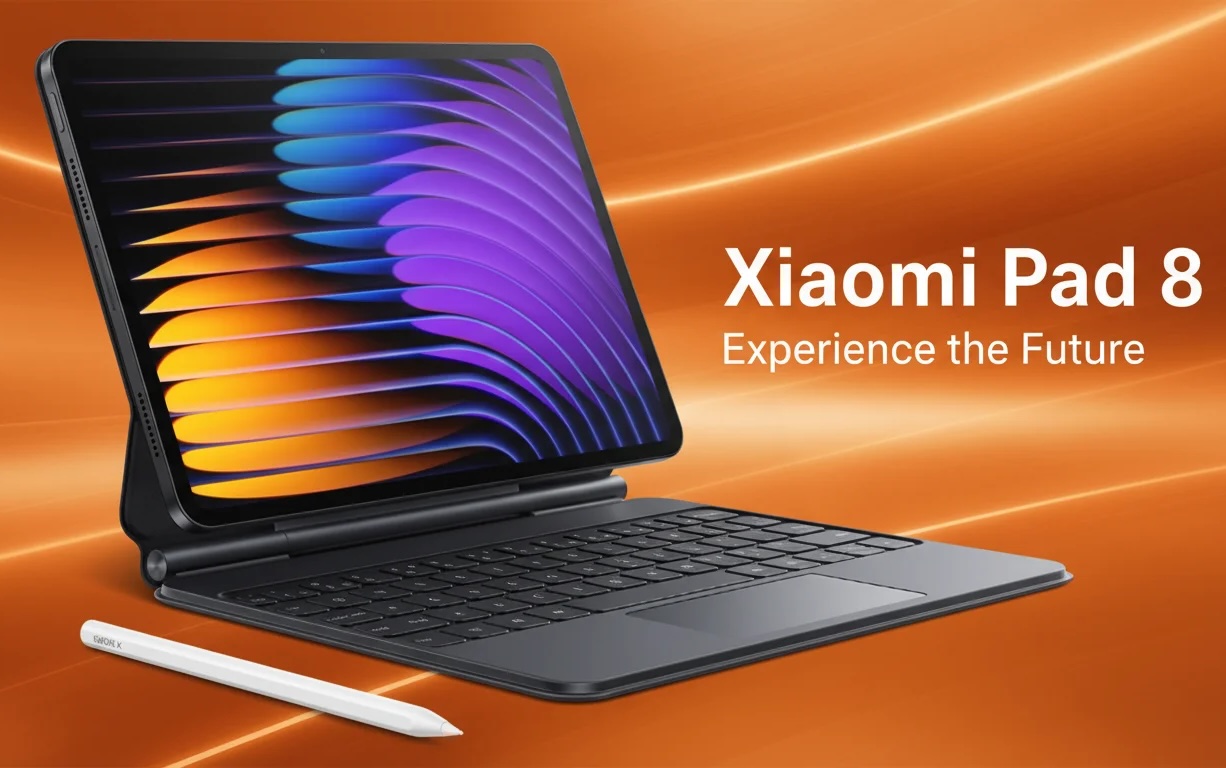
Tablets have quietly become the family device nobody talks about, and Xiaomi’s Pad 8 Pro, released globally at the end of February, makes the laptop-replacement case as loudly as anyone. It pairs an 11.2-inch 3.2K display running at 144Hz with the flagship Snapdragon 8 Elite, so the line between tablet and computer is now mostly philosophical. A 9,200mAh battery and 67W charging keep it going through a working day, and a 50MP rear camera is frankly overkill for a slate. With optional Focus Pen and keyboard, it lands near €599 – considerably less than the Apple and Samsung tablets it happily undercuts.
Apple MacBook Air M5
The laptops of 2026 are thin, silent and frankly ridiculous in their battery life, and the M5 MacBook Air, announced on 3 March, is the clearest example. The fanless design means it never spins up, the ARM-style M5 chip sips power while doing genuinely heavy lifting, and Apple quotes up to 18 hours away from a plug – a full working day and then some. Base storage finally doubles to 512GB, and the new N1 wireless chip brings Wi-Fi 7 and Bluetooth 6. Starting at $1,099, it is the kind of machine you forget you are carrying, which is possibly the highest compliment one can pay a laptop.
Amazfit Balance 3
Smartwatches have grown up too, and the ones worth buying no longer demand a subscription to feel useful. The Amazfit Balance 3, part of this year’s Zepp OS 6 lineup, pushes health tracking further than most of us know what to do with while stretching battery life well past the nightly-charge era. Its new HybridCharge readiness score is the interesting bit – it blends sensor data with what you actually tell it about your sleep, mood and soreness, rather than pretending the wrist knows everything. Add dedicated HYROX training modes and markedly improved GPS accuracy this year, and it nudges rather than nags.
Samsung Galaxy Buds 4 Pro
And spoilt we were with earbuds. Samsung’s Galaxy Buds 4 Pro, out alongside the S26 on 11 March, bring a redesigned dual-driver setup with a woofer roughly 20% larger than last year’s, plus 24-bit/96kHz Hi-Fi audio for anyone with the files to feed it. Adaptive ANC 2.0 reads the room and adjusts in real time, Bluetooth 6.1 keeps the connection tidy, and a new head-gesture system lets you nod to answer a call or shake to decline. An IP57 rating shrugs off sweat and rain, battery runs about six hours with noise cancelling on, and the price holds steady at $249.
Technology in 2026 is not dazzling. It is simply, reliably good.
The editorial unit
























Facebook
Twitter
Instagram
YouTube
RSS