
The rise of micro-leisure: Redefining uk entertainment in the digital age

 10 August 2026
Have you noticed how much more planning a simple night out seems to require these days? A decade or so ago, deciding to catch a film, go for a quick drink, or grab a bite to eat felt beautifully spontaneous. You would simply wander down to your local high street and see where the evening took you. Today, between booking tables weeks in advance, navigating complex ticketing apps, and facing the increasingly steep costs of West End shows or live music, traditional entertainment has transformed into a major, highly calculated project.
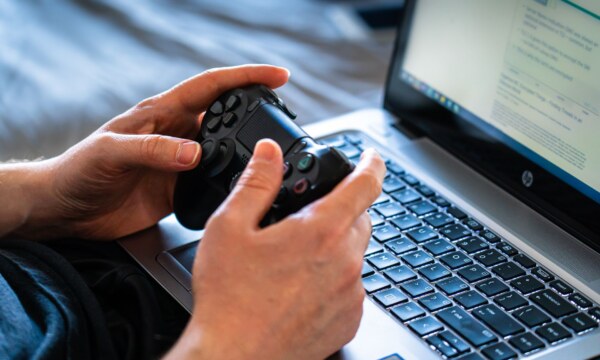
It is no surprise that many of us are reassessing how we spend our precious free time. The way we relax in the UK is undergoing a quiet but significant revolution, shifting away from expensive external outings towards digital-first home experiences. Online publications like The Upcoming have been tracking these cultural and lifestyle shifts for some time, noting how modern audiences are prioritizing convenience, comfort, and immediate value. We are moving away from the pressure of big, costly weekend events and leaning into high-quality, accessible entertainment that we can enjoy from the comfort of our own sofas.
This change isn’t just about saving money; it is about reclaiming control over our downtime. When you have worked a long week, the prospect of navigating delayed trains, fighting through crowded city centres, and standing in queues just to unwind can feel more like a chore than a holiday. Home-based digital leisure offers an instant antidote. It is customisable, immediate, and entirely on our own terms, allowing us to enjoy premium experiences without the associated logistical headaches. Our homes have become our personal sanctuaries, fully equipped to deliver top-tier entertainment at the touch of a button.
The gamification of the modern lifestyle
A significant part of this transition lies in how effortlessly playfulness has woven itself into our daily routines. We see this everywhere we look, from interactive dining apps to fitness trackers that reward you for hitting your daily step goals.
Consider your average morning routine. You might open a coffee shop app to collect digital stamps, turning your daily flat white into a small quest for a free beverage. Perhaps you use a language learning app that rewards you with virtual points and friendly competition for keeping a daily streak alive. Even high-street dining has embraced this trend, with interactive loyalty programmes transforming a simple meal out into an engaging game where you can track rewards and progress.
This gamification of daily life has trained us to appreciate brief, interactive moments of play. We no longer feel the need to dedicate an entire Saturday afternoon to a hobby to feel a sense of recreation. Instead, we find little pockets of entertainment throughout the day, turning ordinary tasks into lighthearted, engaging activities that break up the monotony of the working week. It is a subtle shift, but it has completely changed our expectations of what entertainment can be. We now expect our digital interactions to be active, rewarding, and, above all, fun.
Value-driven micro-leisure
This brings us to the concept of micro-leisure. Essentially, these are short, highly engaging bursts of entertainment that fit seamlessly into our hectic daily schedules. Instead of committing to a three-hour film or an all-day excursion, we are turning to bite-sized digital experiences that offer maximum recreational value in a fraction of the time.
What makes micro-leisure so appealing to the modern UK consumer? It comes down to flexibility. When life feels fast-paced, finding a clear, uninterrupted block of free time can feel nearly impossible. Micro-leisure fits beautifully into the cracks of our day: during a fifteen-minute train commute, whilst waiting for the kettle to boil, or in that quiet half-hour before turning the lights out at night.
By choosing high-engagement digital options, we get the mental break we need without the heavy time investment or the stress of organising a grand outing. It is a smarter, more mindful way to manage our personal downtime. We can enjoy a sense of playfulness and relaxation without feeling overwhelmed by logistics, ensuring that we always have a little space to decompress, no matter how busy our schedules might be.
Interactive gaming incentives
This appetite for convenient, high-value entertainment has also transformed how we view online rewards and promotions. Years ago, customer loyalty was defined by collecting paper stamps at the local bakery or keeping a plastic key fob handy for supermarket discounts. Today, those traditional systems have evolved into sophisticated digital promotions that double as entertainment in their own right.
Mainstream digital gaming has perfected this approach, turning routine interactions into something far more interactive and engaging. Rather than simply offering static rewards, premium gaming platforms now structure their promotions to feel like mini-games themselves. For example, when looking for a quick, engaging break, modern players often seek out well-curated incentives that offer immediate, straightforward fun. A great example of this is the variety of free spins available through Virgin Games’ Red Hot Rewards, which provides a high-quality, accessible way to enjoy a moment of casual leisure without any complicated rules or lengthy commitments.
These digital incentives keep the experience fresh and exciting, proving that you do not need to spend hours at a physical venue to enjoy a premium sense of play. It is micro-entertainment at its most refined, designed to fit effortlessly into a busy lifestyle. Naturally, because these activities involve real-money gaming elements, it is always important to keep things balanced and enjoyable. Setting clear limits and choosing to play responsibly ensures that these small breaks remain a positive, relaxing part of your day.
The future of digital leisure
As we look ahead, the boundaries between physical and digital entertainment will undoubtedly continue to blur. The traditional distinction between “going out” and “staying in” is fading, replaced by a more sophisticated, hybrid leisure culture.
UK consumers now expect their free time to be seamless, personalized, and high in value. Premium loyalty schemes, interactive digital platforms, and curated online spaces are setting a new standard for how we unwind. We are no longer content with passive consumption, such as staring mindlessly at a television screen; we want to participate, customise our experiences, and feel valued for our engagement.
Ultimately, the rise of micro-leisure represents a healthy rebalancing of our relationship with free time. By embracing these accessible, high-quality digital experiences, we can find genuine relaxation and joy in the small moments of every day. Entertainment is no longer a destination you have to travel to; it is a companion that travels with you, ready whenever you have a few spare minutes to sit back, relax, and enjoy.
The editorial unit




















Facebook
Twitter
Instagram
YouTube
RSS