
Melanie Martinez at the O2 Arena
 Shot by LA Benoit
12 September 2026
Shot by LA Benoit
12 September 2026
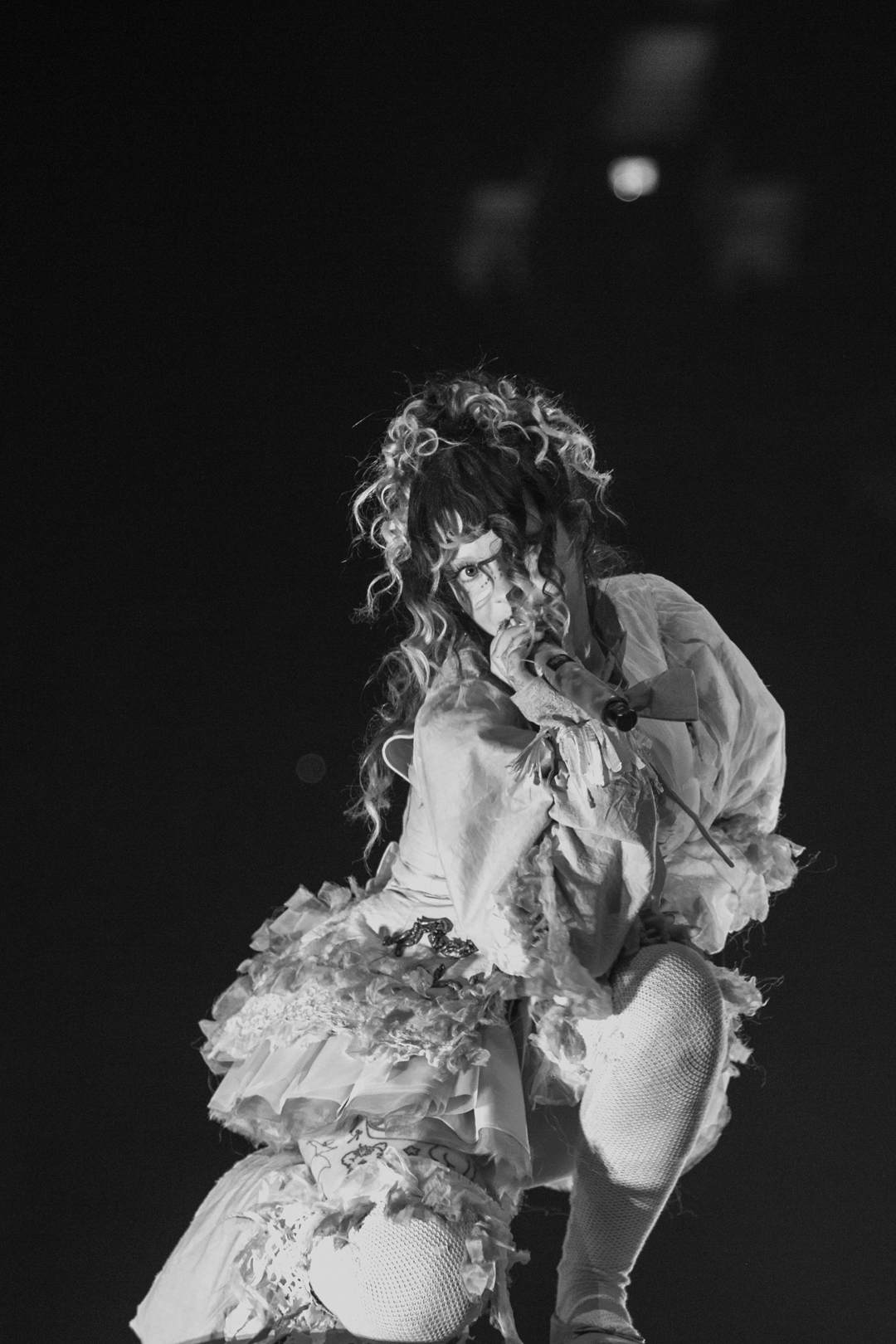
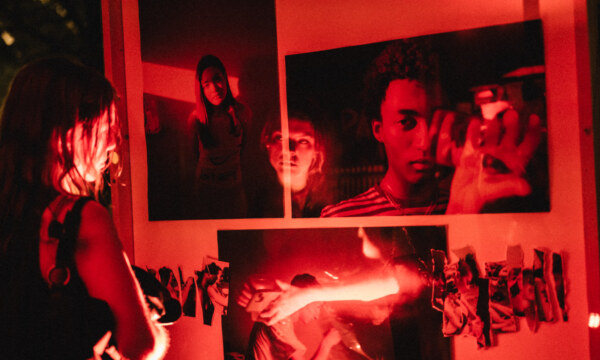
Somewhere between the strings, confetti and bursts of fire, Melanie Martinez climbs out of a suitcase to open her Hades: The Sacrifice Tour.
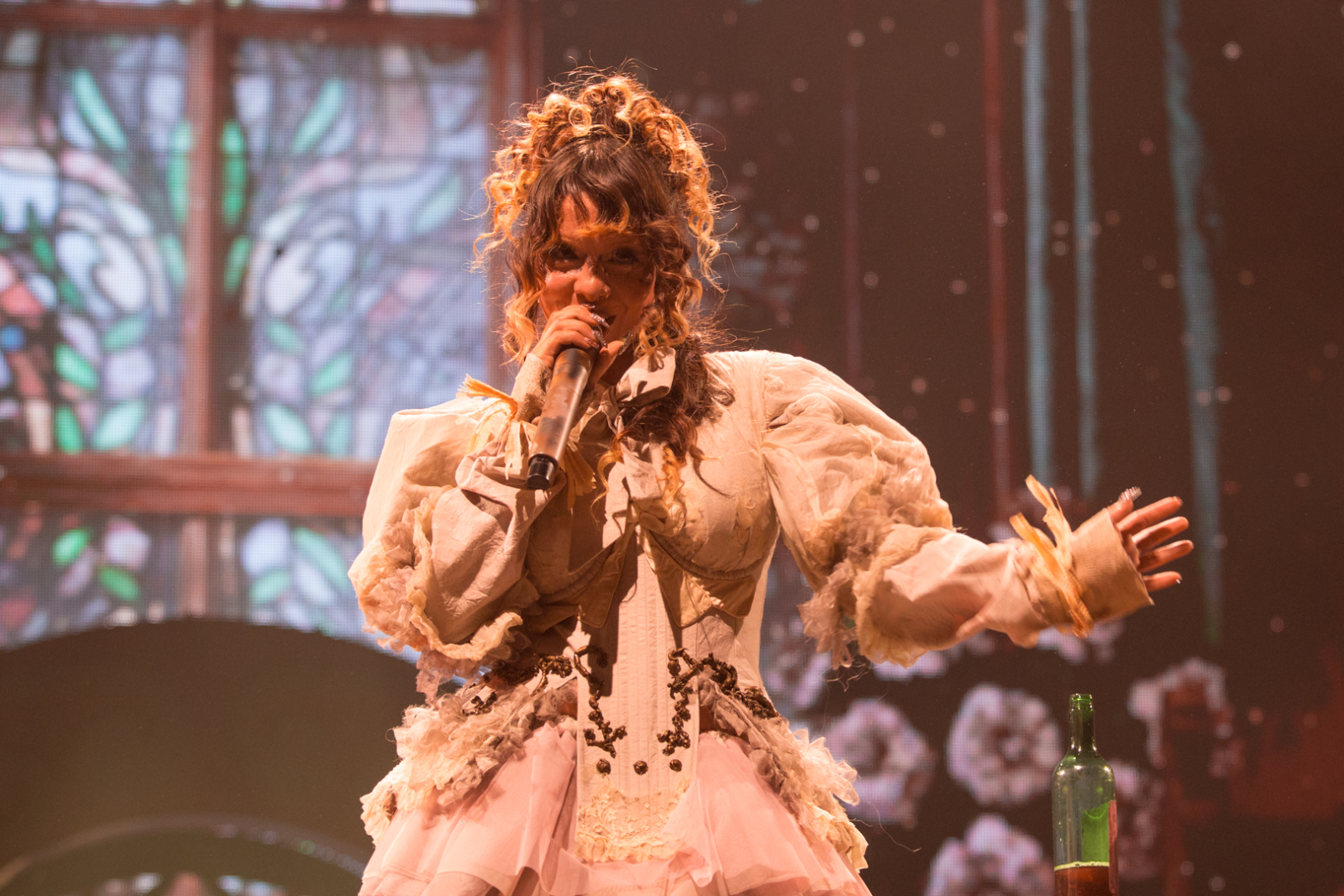
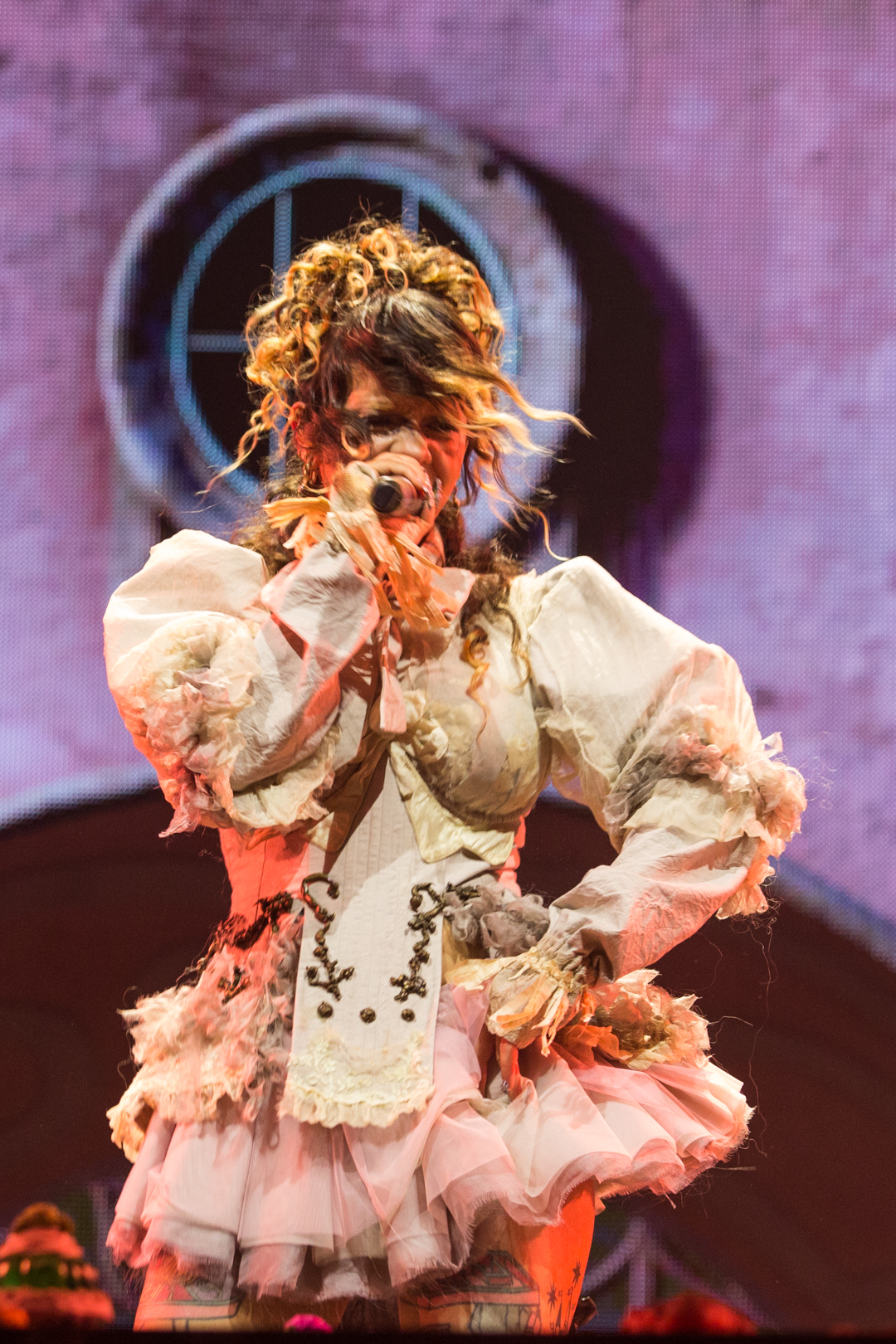
She’s perched on a bed for Garbage, surrounded by dancers moving in uneasy, mechanical circles as the orchestration fills the O2. Martinez’s live vocals are remarkably sharp from the jump, cutting through the heavy production with a crisp, studio-quality clarity. Her voice pierces through an aesthetic that feels deliberately strange, setting up a dystopian world where nothing exists purely for decoration.
That world belongs to Hades Tech, the fictional corporation at the centre of Martinez’s Hades era – an industrial cyber-purgatory where technology has become a system for controlling its human subjects. The setlist acts as a continuous script, using pre-recorded interludes of Martinez’s pop-star alter ego, Circle, alongside Hades Tech screens that address her as a “subject”. The transitions cleverly fold the next song title into Circle’s narration and let the story move forward before the music even starts. Whispers and coughing phase into The Plague, with digital rats scattering across the B-stage as Martinez is dragged into the song against screeching industrial noise.
Hades repeatedly turns its ideas into something one can actually see, and Monopoly Man is also a strong example of this. A towering bank facade rises around Martinez, giving the song’s corporate critique a physical role. It gets one of the loudest reactions of the night, alongside The Vatican. The response says plenty about this crowd – Martinez doesn’t need to reach back into her older material to hold the room; they’re already invested in Hades.
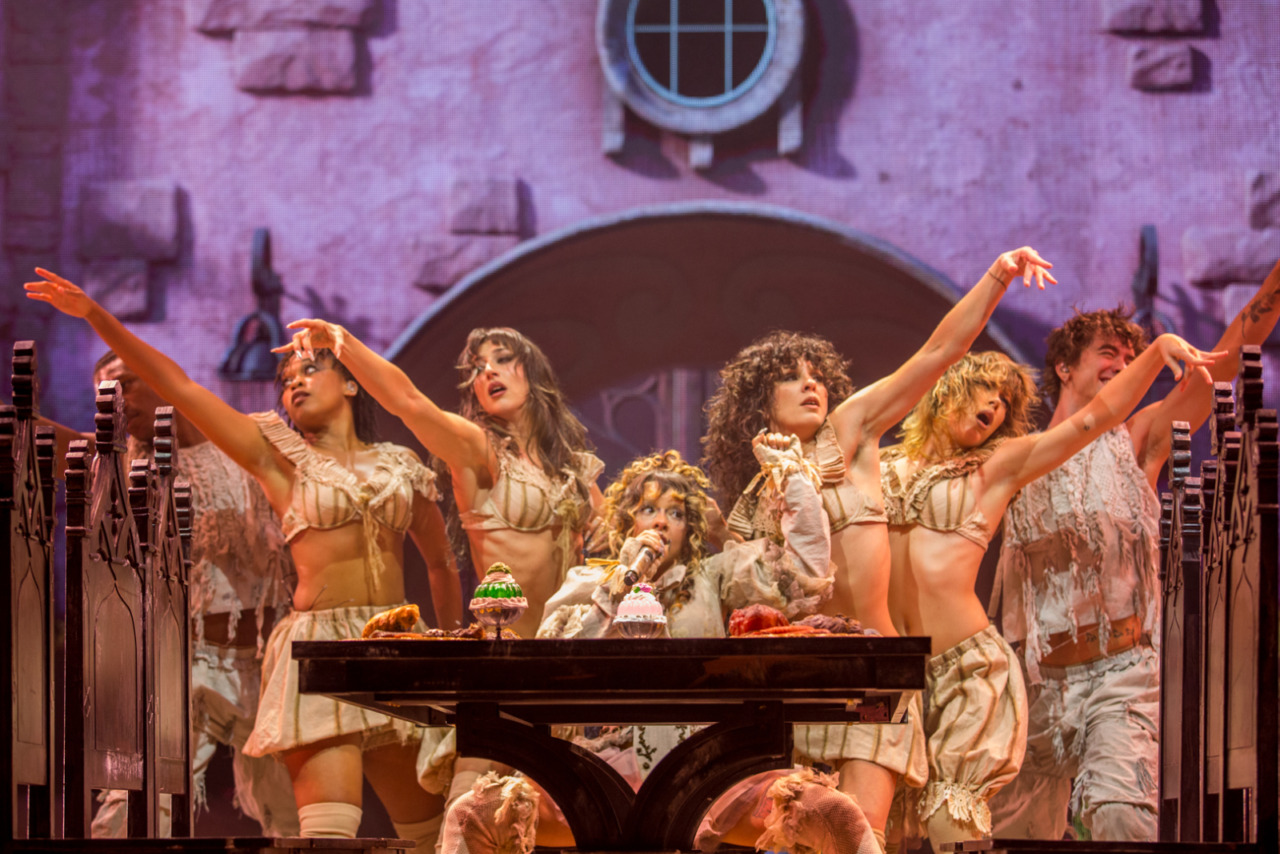
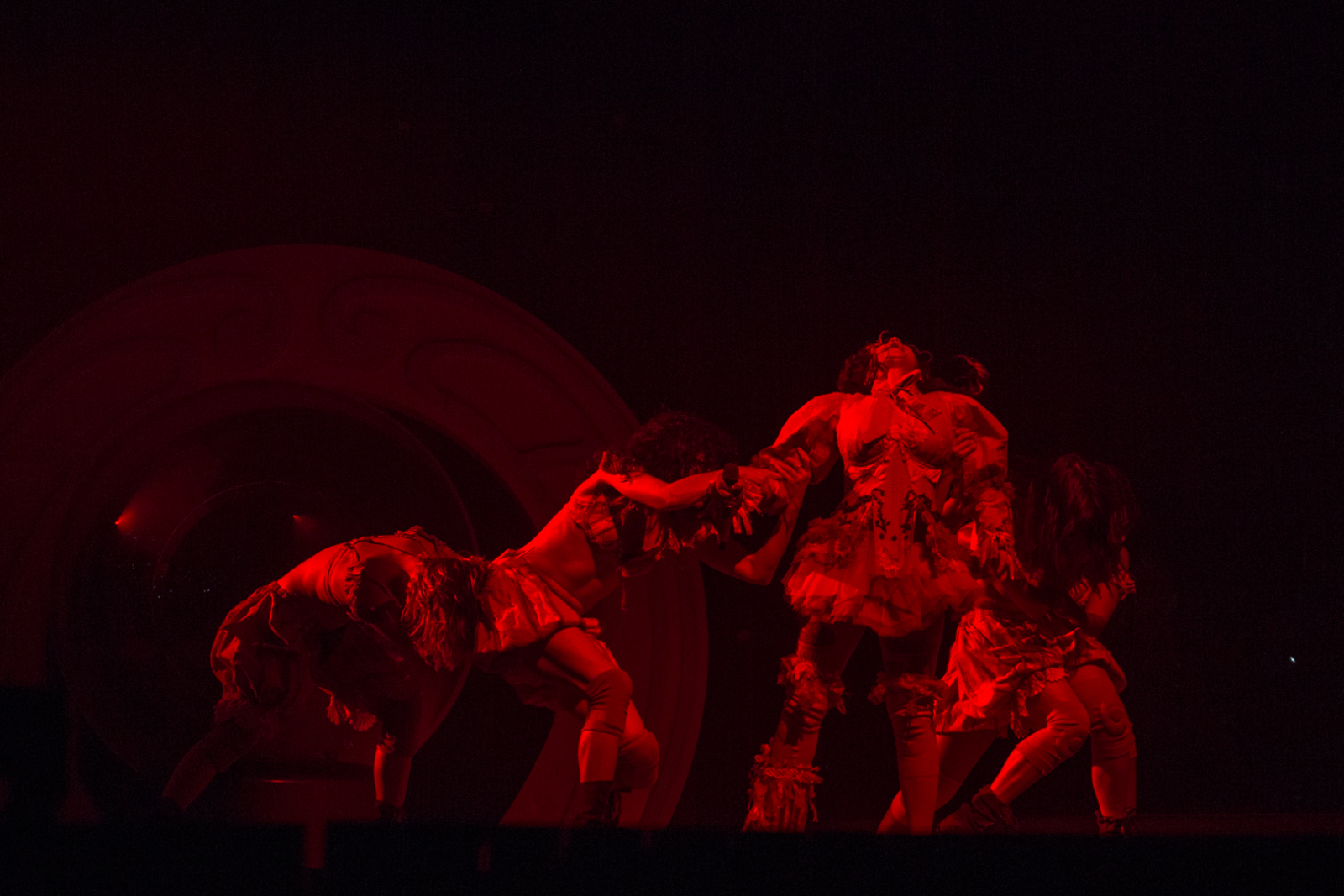
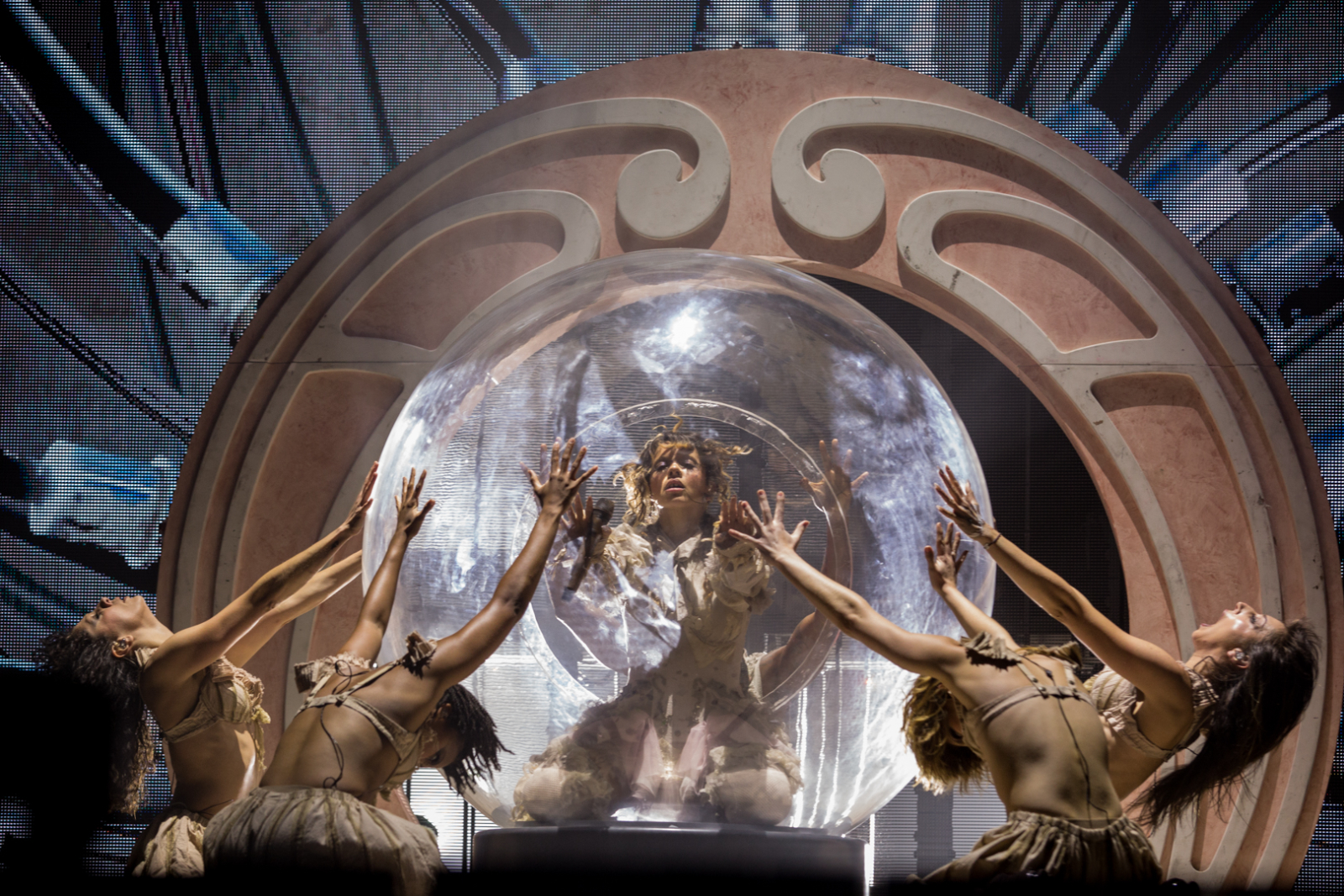
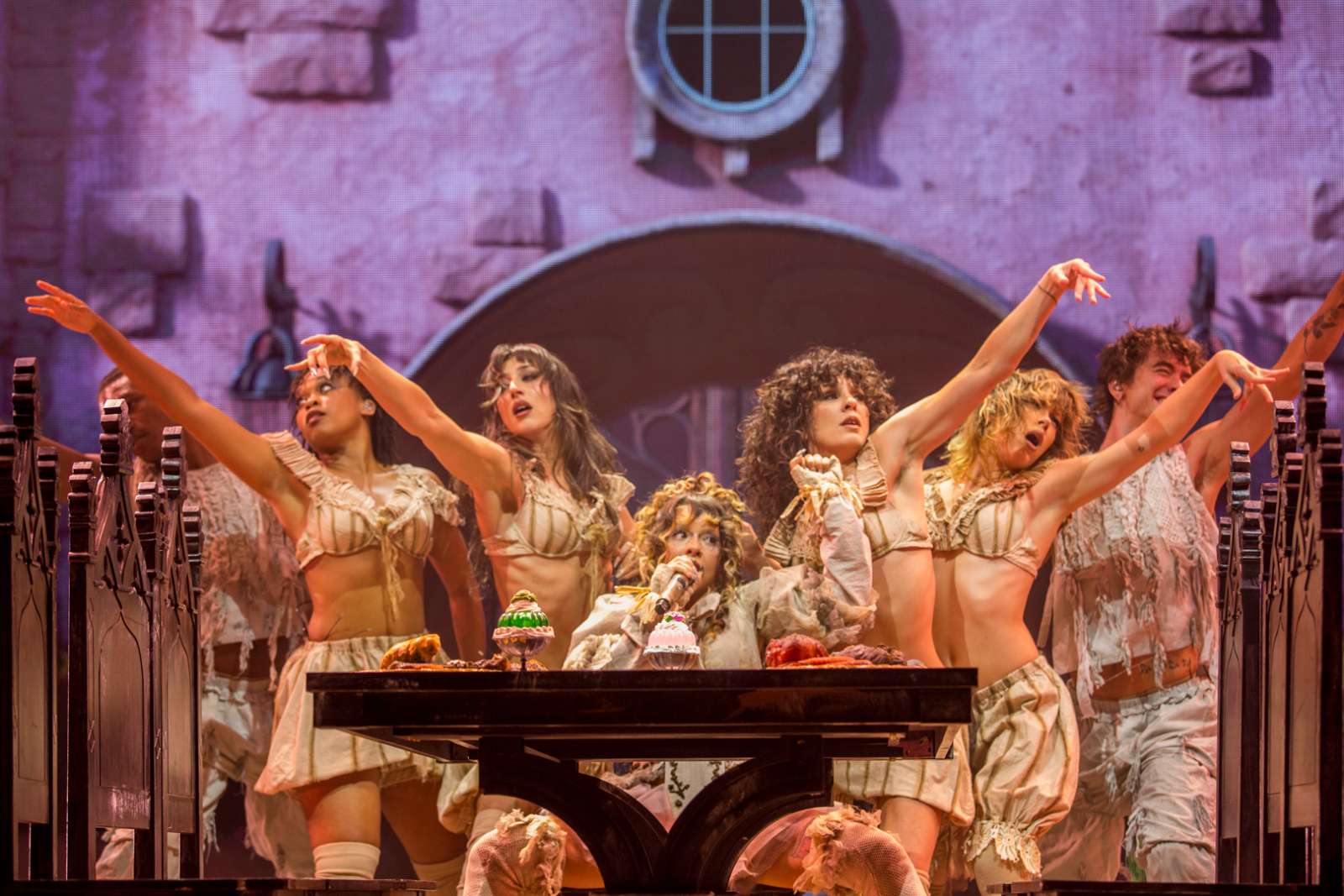
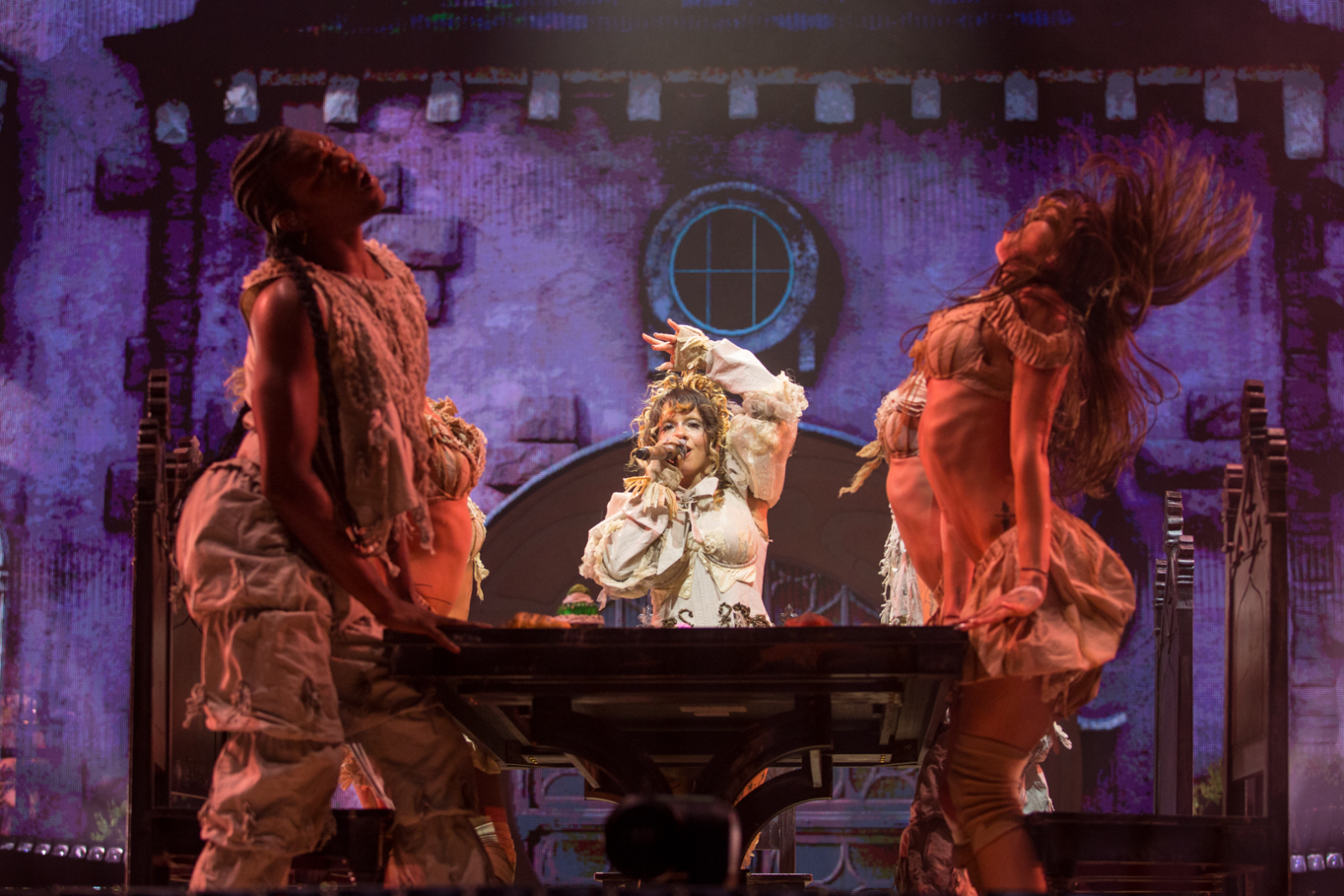
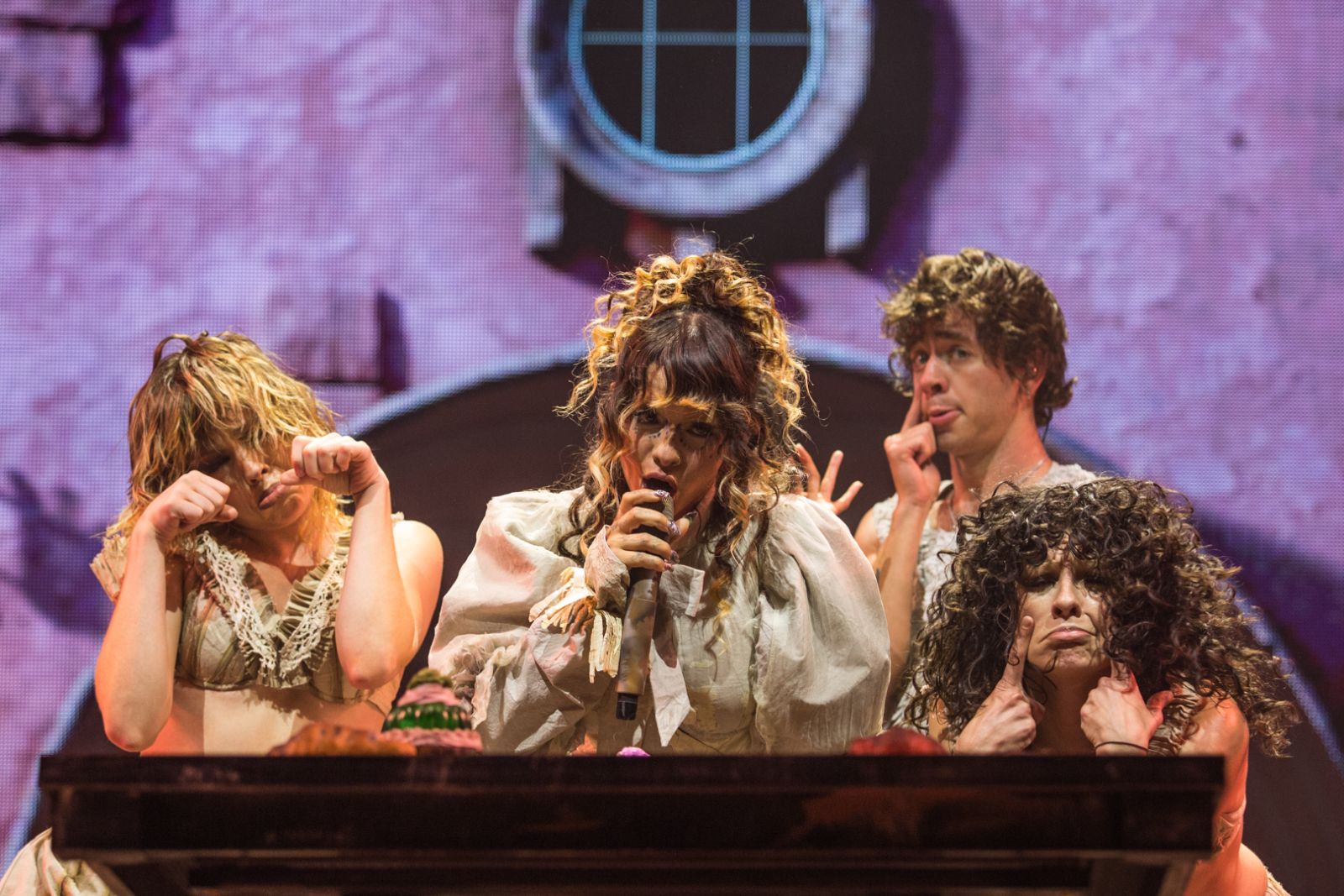
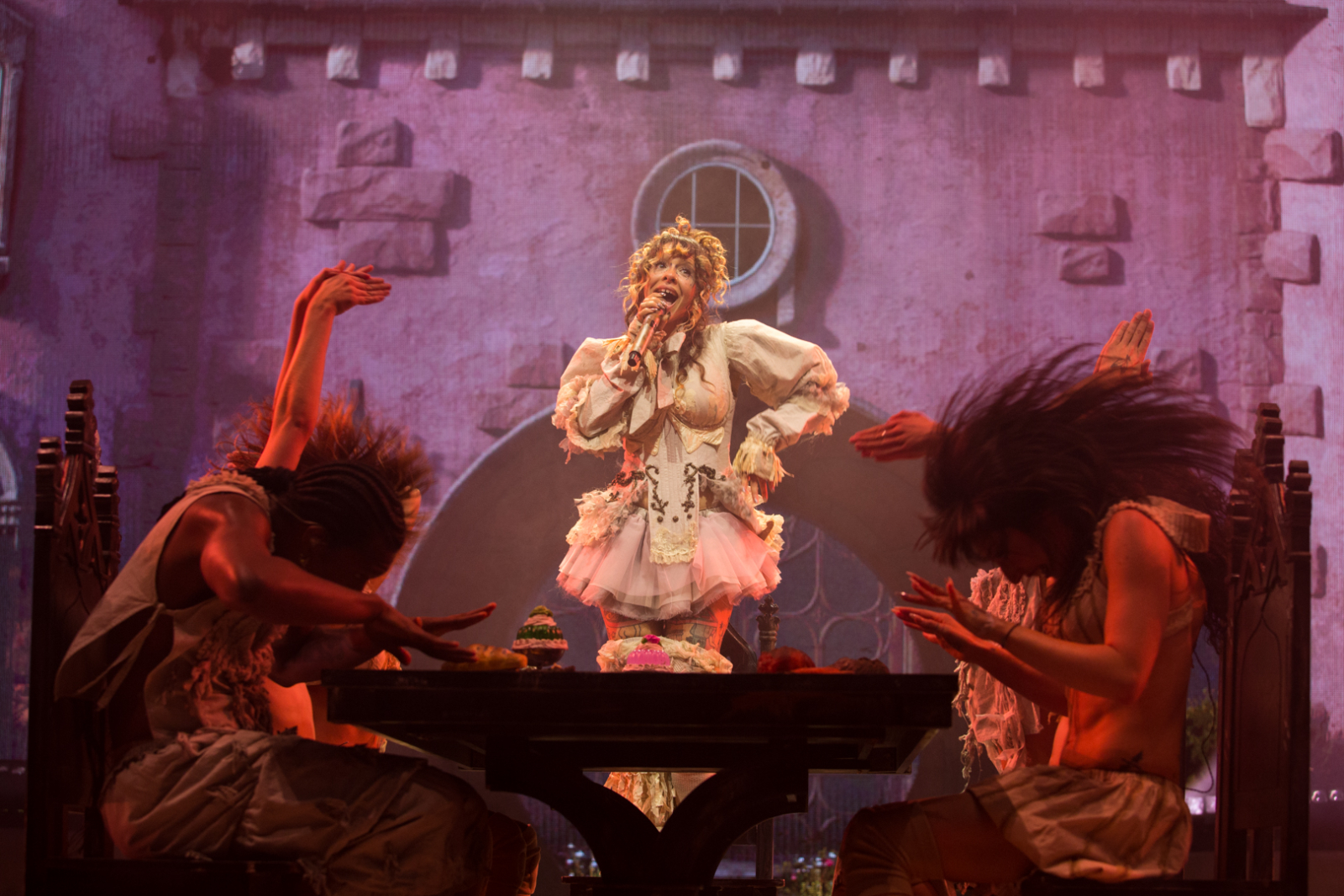
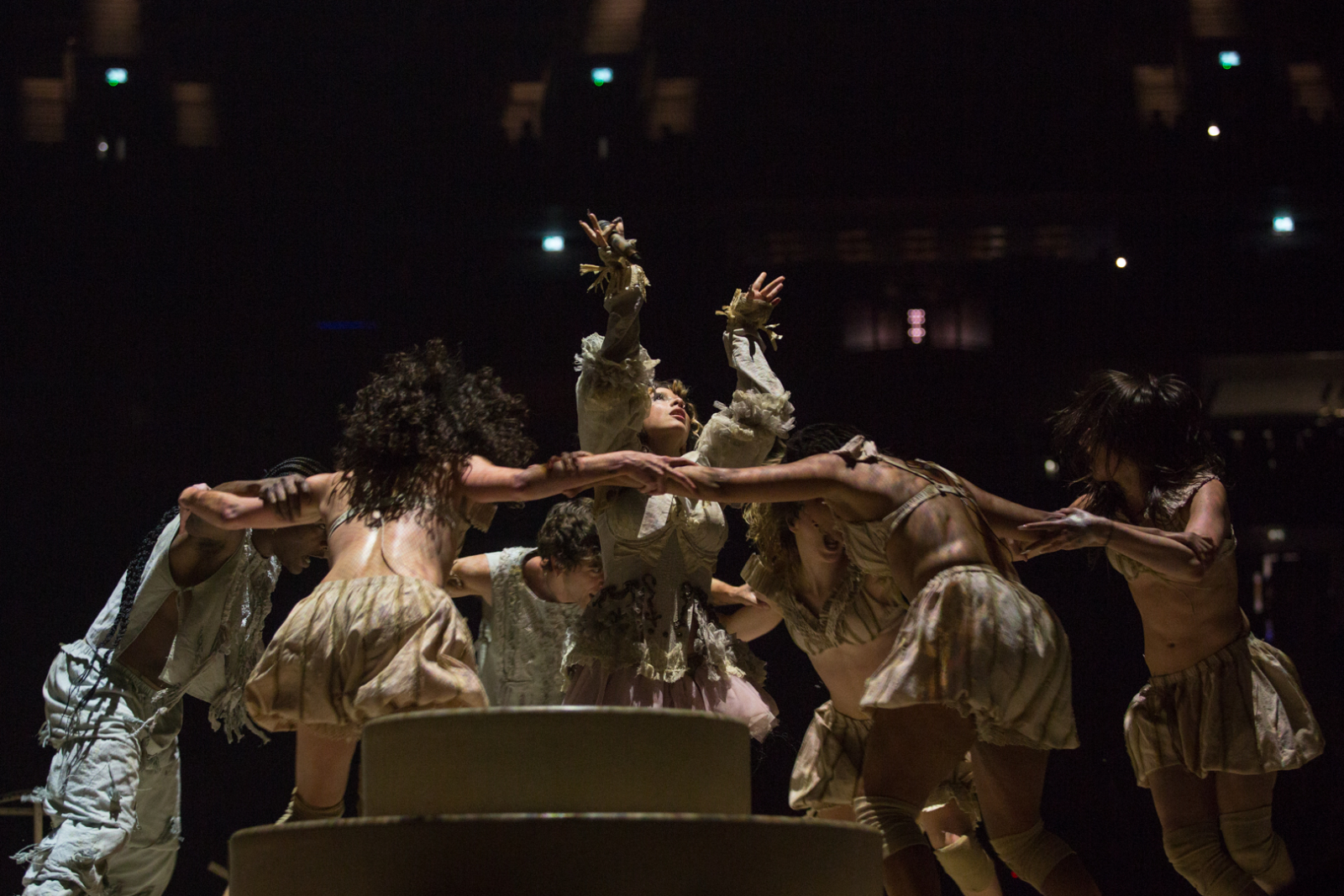
The contemporary dancers are just as important to what makes the show work. Their choreography is intricate enough to feel like another narrative thread, with formations constantly shifting around Martinez, sometimes carrying her, surrounding her or physically manipulating her. Remarkably, the intense physical stamina required by these routines never compromises her pitch – as heard in Weight Watchers, where ribbons bind Martinez in a carousel-like sequence before her plastic body-mould dress opens during the bridge. It opens to reveal artificial organs, which the dancers physically remove. It’s one of the show’s most unsettling images.
But their presence takes on a very different mood during Avoidant. Martinez brings a fan onstage and sits with them in front of a mirror, while cloud-like white smoke gathers around the pair. The dancers slowly climb onto the stage, sitting down and leaning against one another until they surround them, showing just how much they can shape the feeling of a scene without taking centre stage. Here, her vocals beautifully shift from eerie, spoken-word murmurs to a raw, belted delivery.
That shift between the dreamlike and the nightmarish carries into the encore, when the B-stage becomes a cosy living room for The Last Two People on Earth. Martinez spins around with a single dancer, giving the song an unexpectedly intimate feel. It builds towards its final moments, and the action moves back to the main stage, where the rest of the troupe collapse and writhe through fire and sparks.
When the house lights come up, the arena returns to normal. For once, there’s no screen telling the audience what comes next.
The lack of a final teaser feels earned. By balancing such an overwhelming, hyper-detailed visual universe with a steady vocal performance, Martinez lets the music and the spectacle speak entirely for themselves. Pop shows of this scale often use visuals to mask vocal fatigue, but Martinez does the opposite – her clear, unwavering tone matches the precision of the set design, sending the crowd out into the London night with a completely realised piece of performance art.
Dionysia Afolabi
Photos: LA Benoit
For further information and future events, visit Melanie Martinez’s website here.



Watch the video for Gutter here:




















Facebook
Twitter
Instagram
YouTube
RSS