
Freya Ridings at the Royal Albert Hall
 Shot by Paul Boyling
6 October 2026
Shot by Paul Boyling
6 October 2026
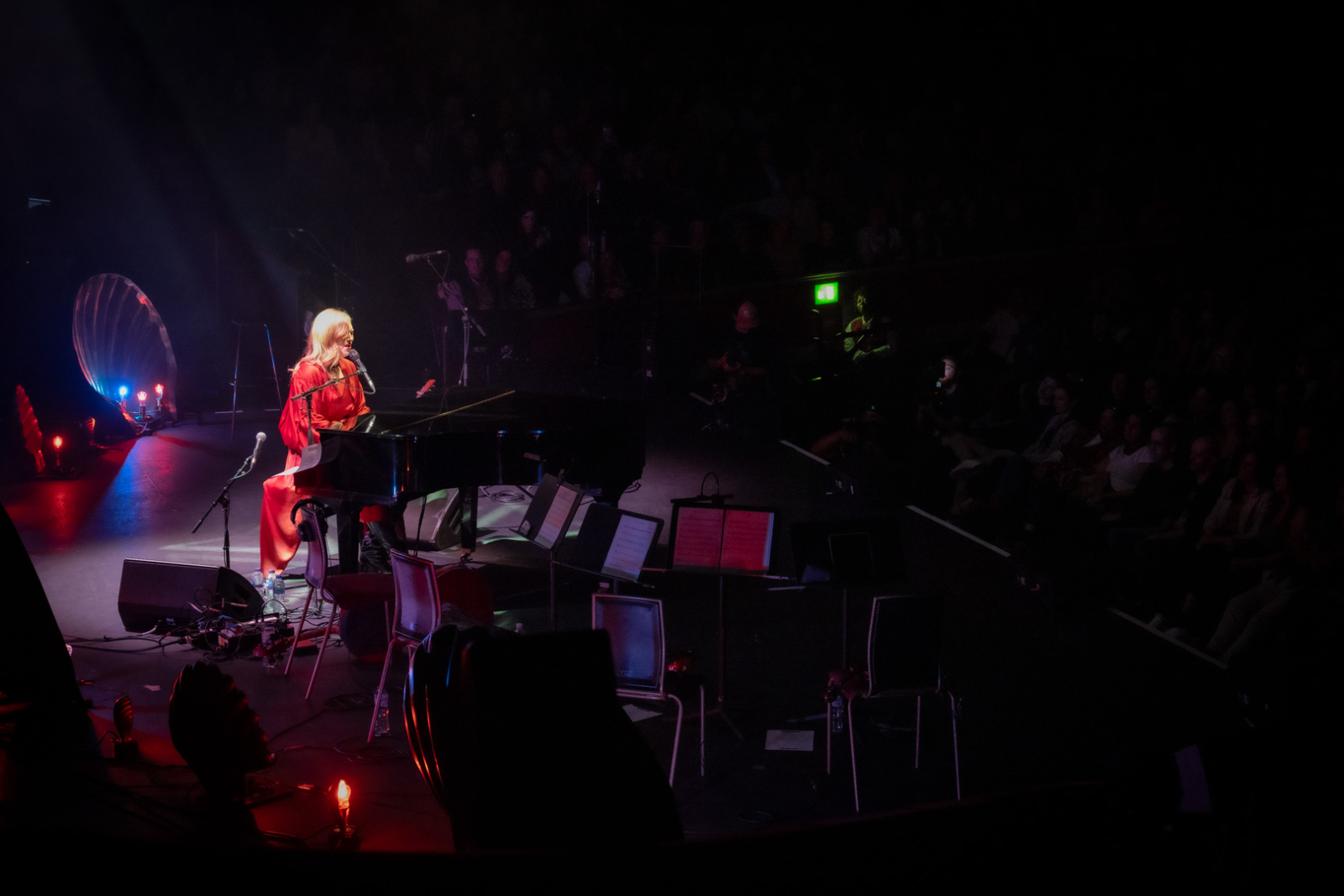
Performing at her dream venue since she was seven and in her hometown of London, Freya Ridings transforms the grand Royal Albert Hall into an intimate “living room” during her Mother of Pearl tour through controlled instrumentation, orchestral layering and emotionally resonant storytelling.
As the lights go down, cheers are followed by a strict silence from the older crowd before Ridings’s family introduces the show with a reading from her mother’s new book. Their parental presence alongside the passage’s themes of love, family and connection foreshadow what lies at the heart of the evening: a personal, shared experience of human nature and cherishing loved ones, from grief to heartbreak and self-love and belief. Before the show even begins, its emotional and thematic identity has been deliberately established by blurring the lines between public persona and private life, suggesting Ridings’s deep trust, vulnerability and authenticity with her audience, inviting them as welcome guests rather than mere spectators. By sharing her family, she shares her roots and partial inspiration for her music, creating a sense of originality.
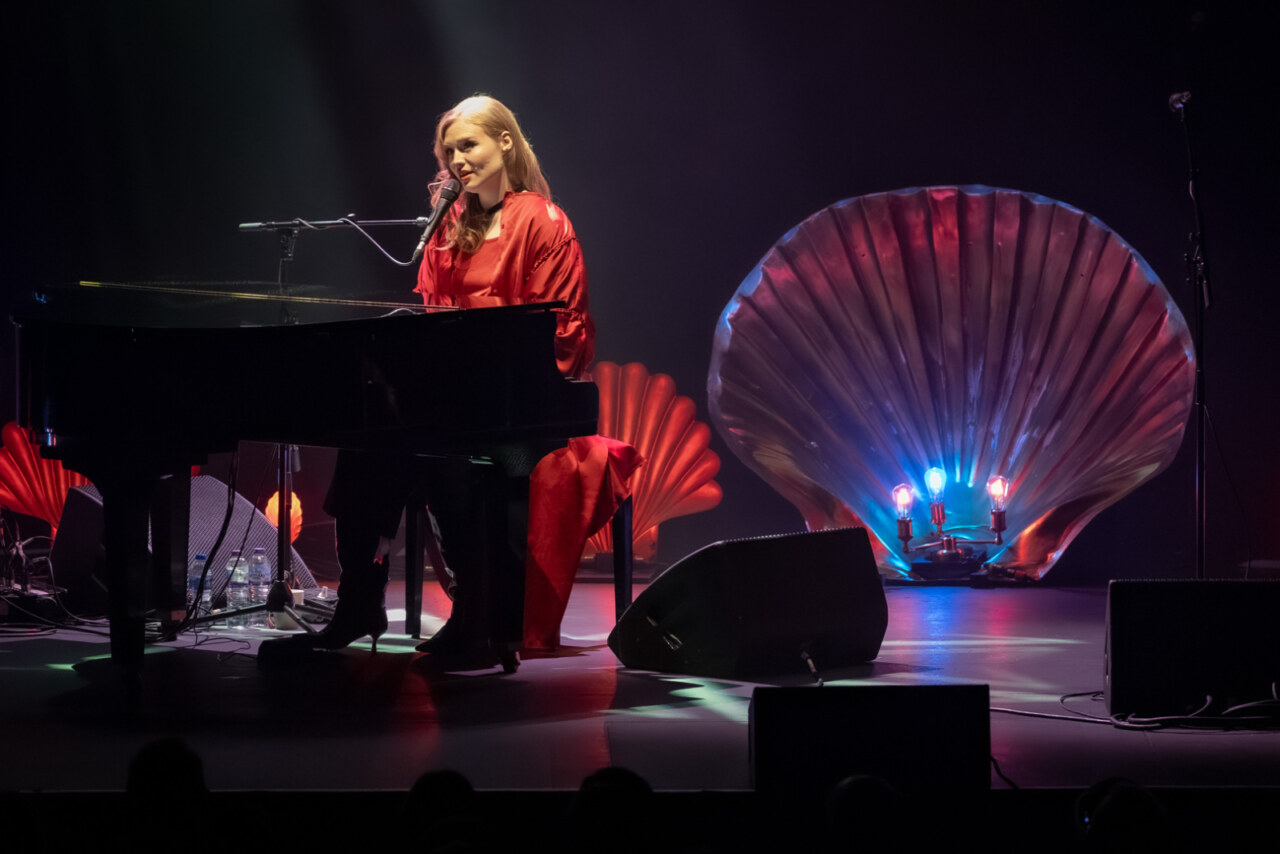
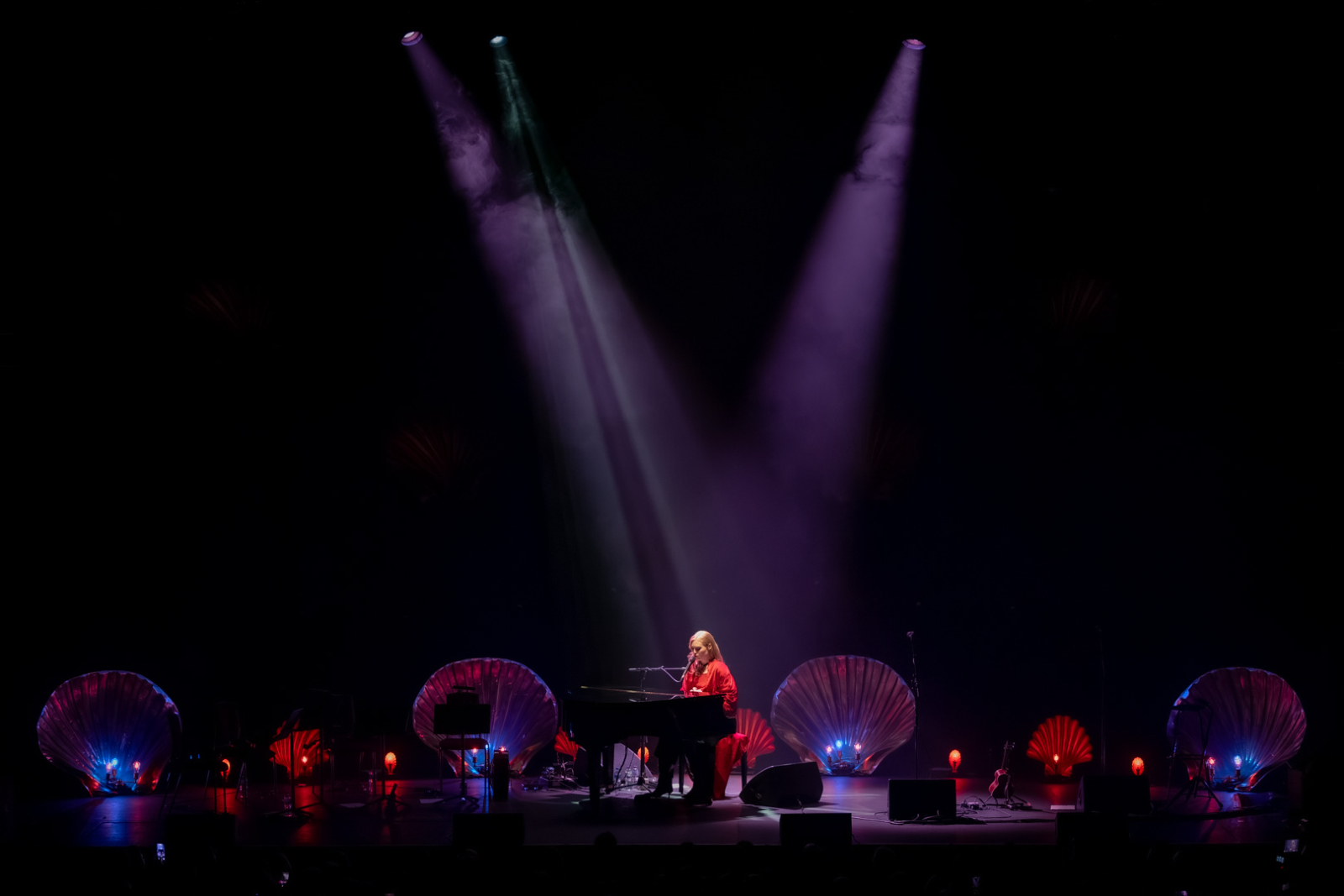
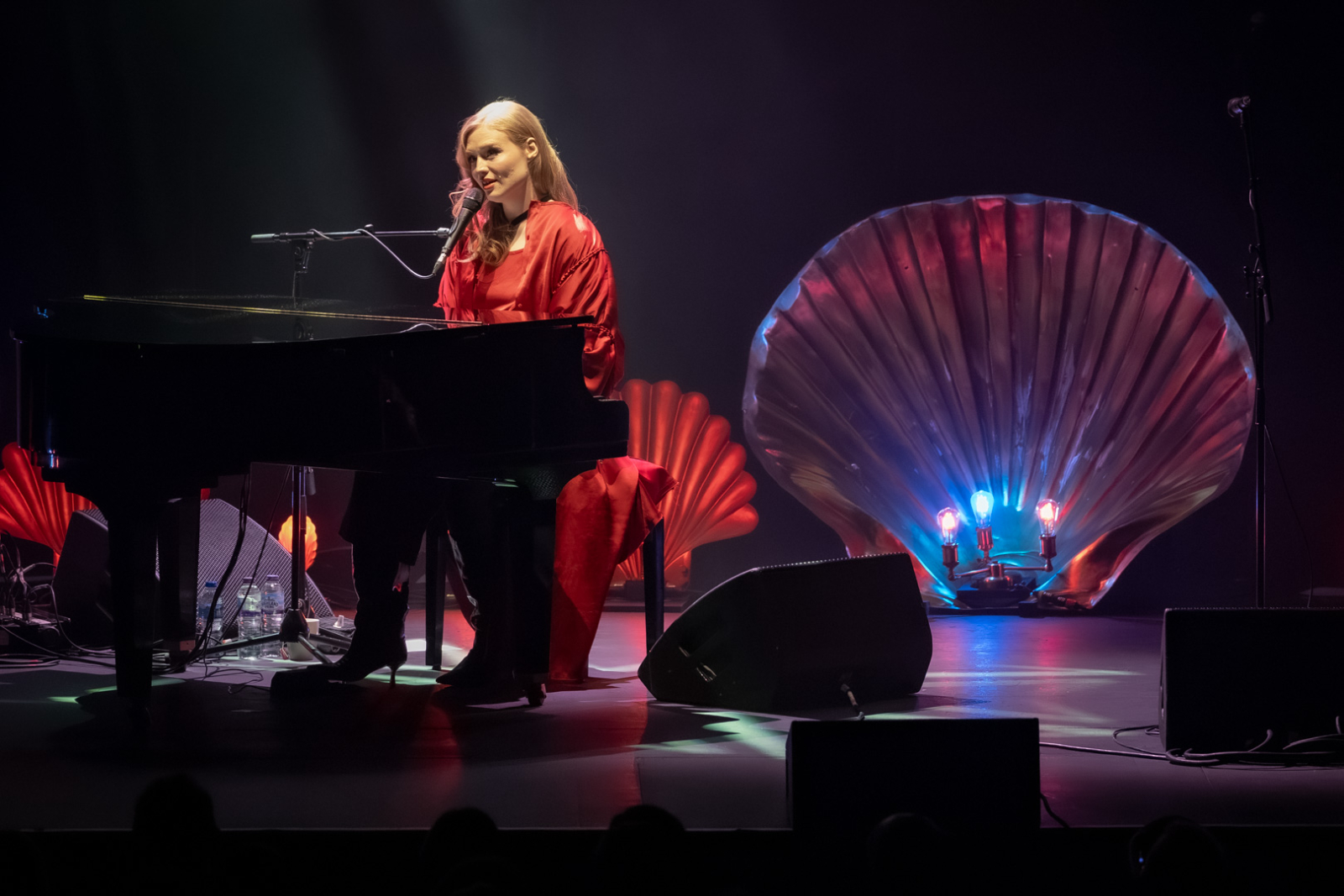
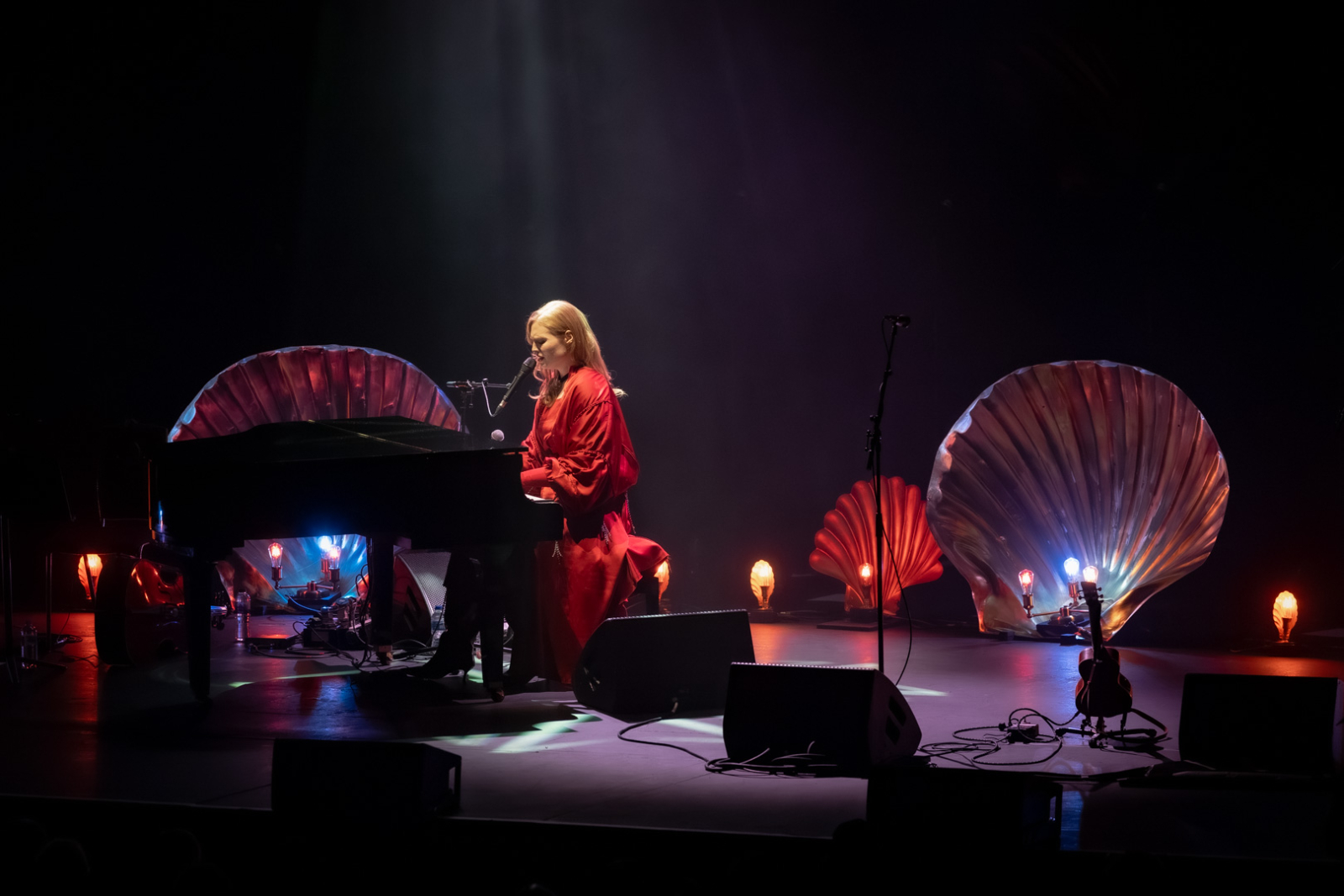
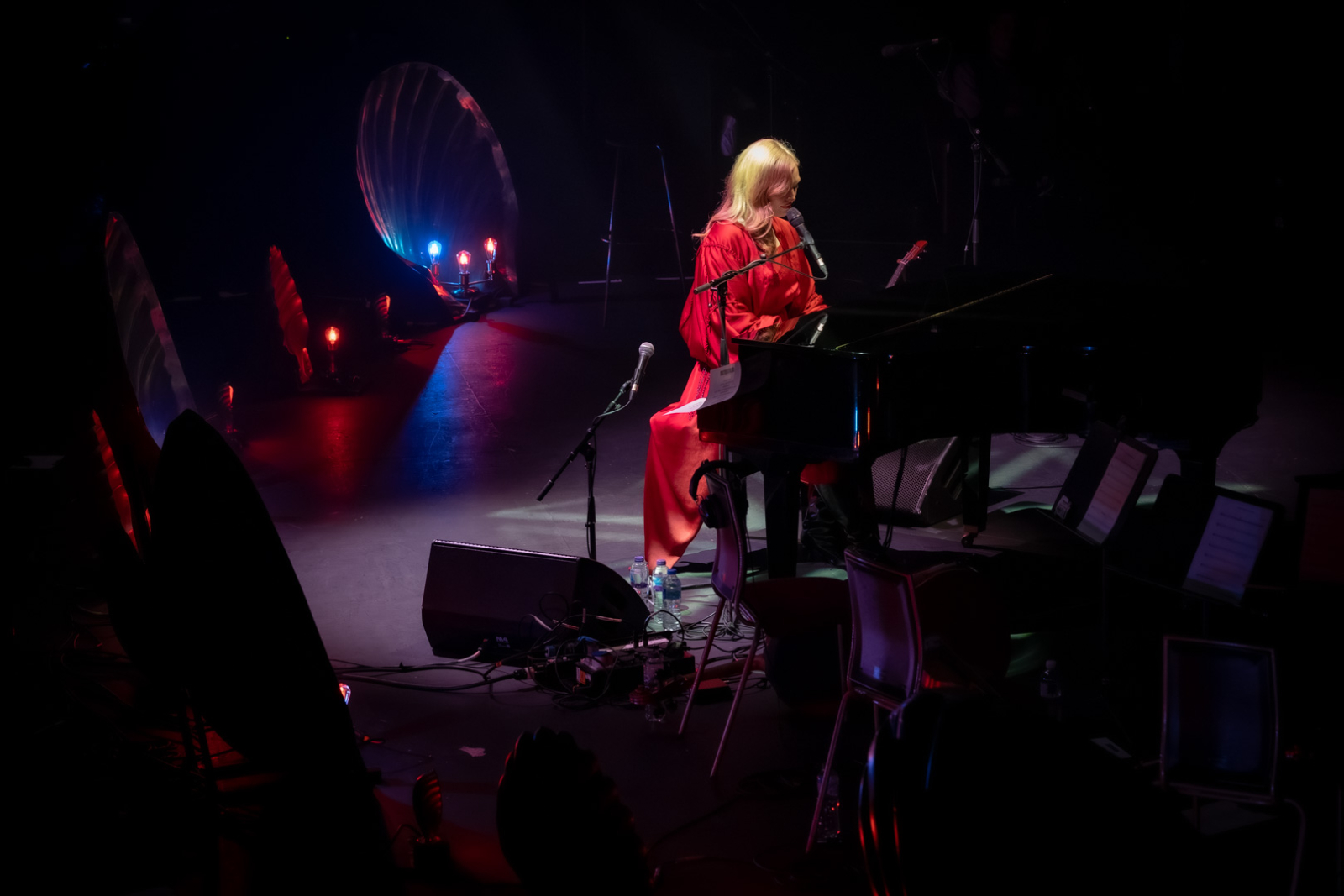
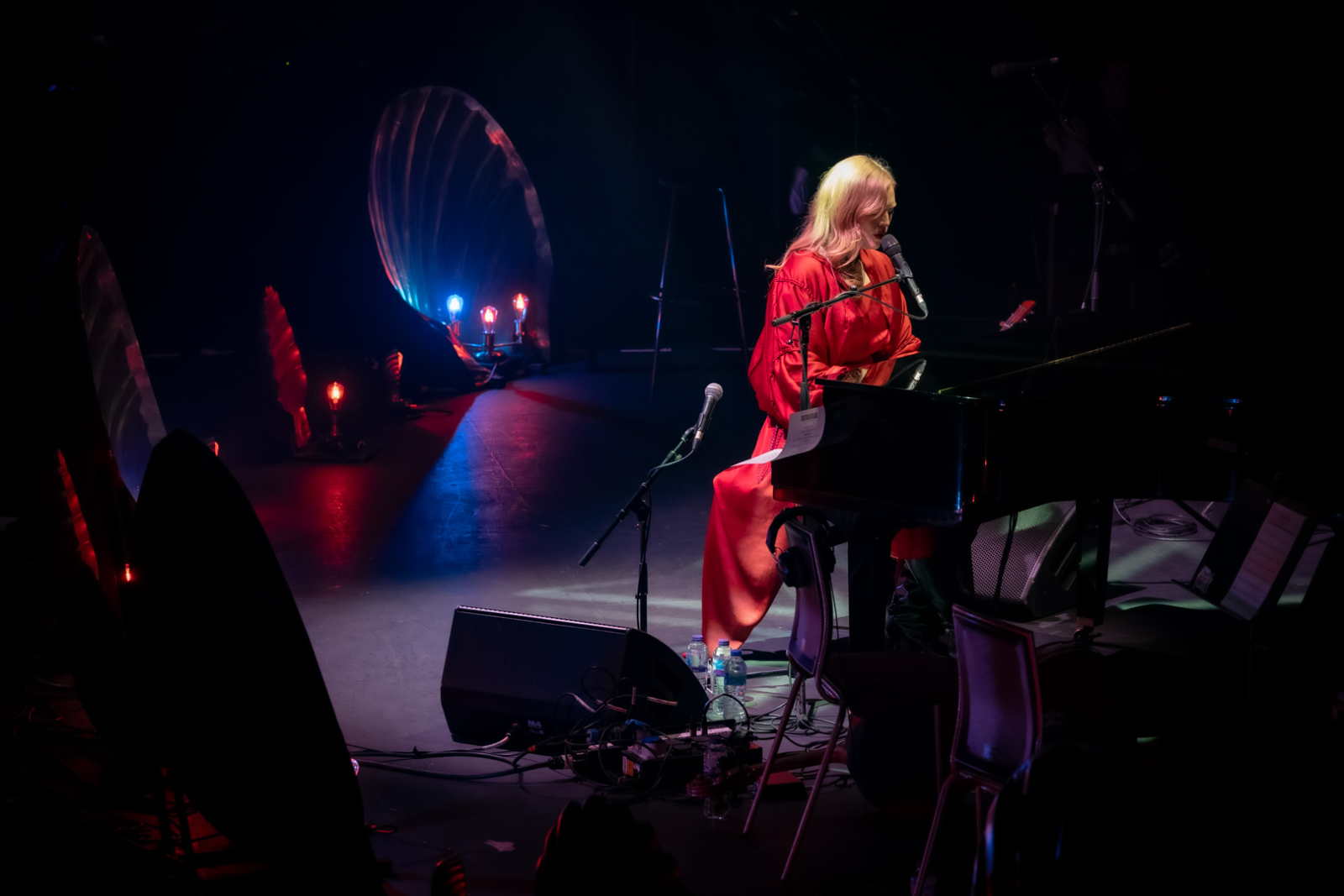
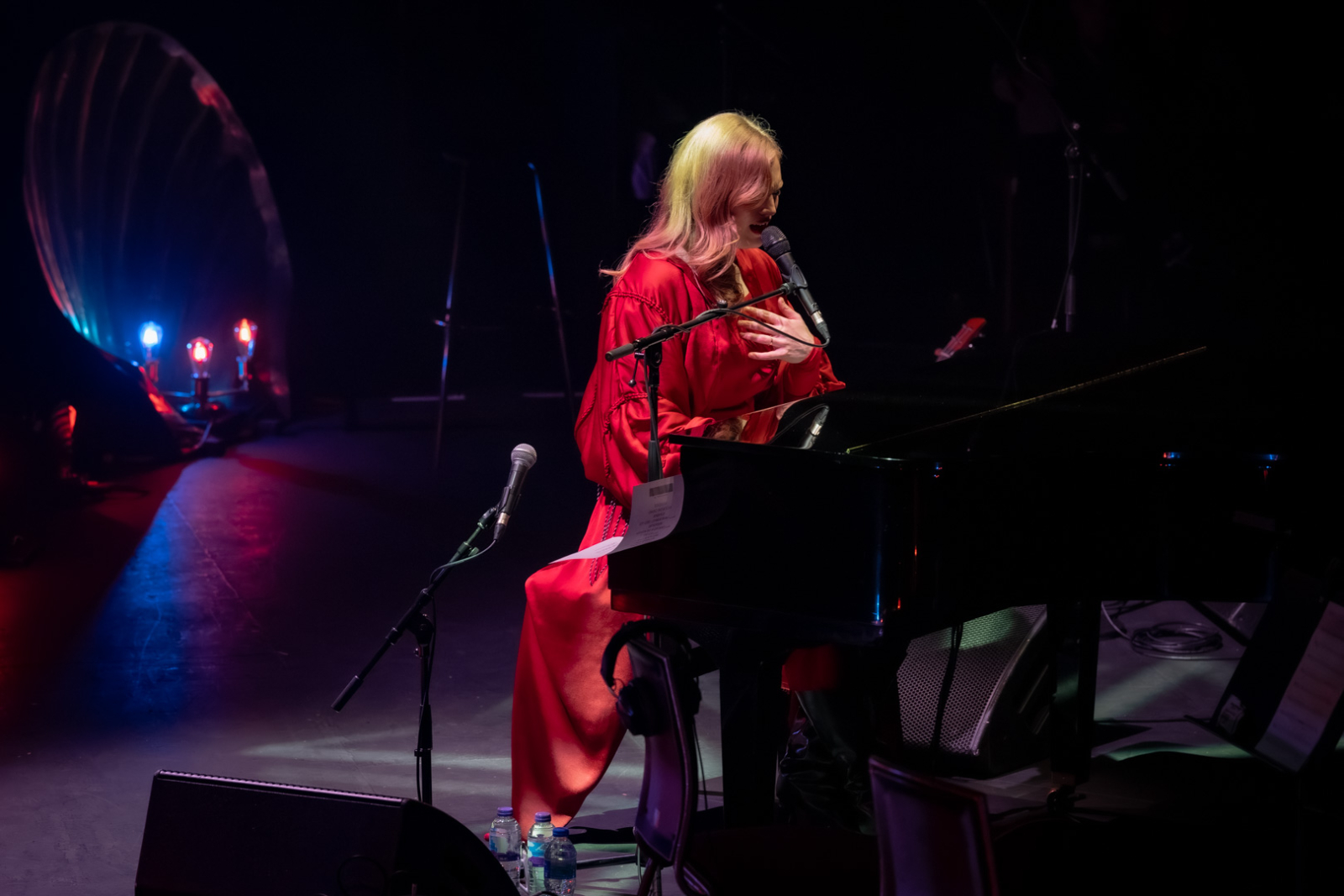
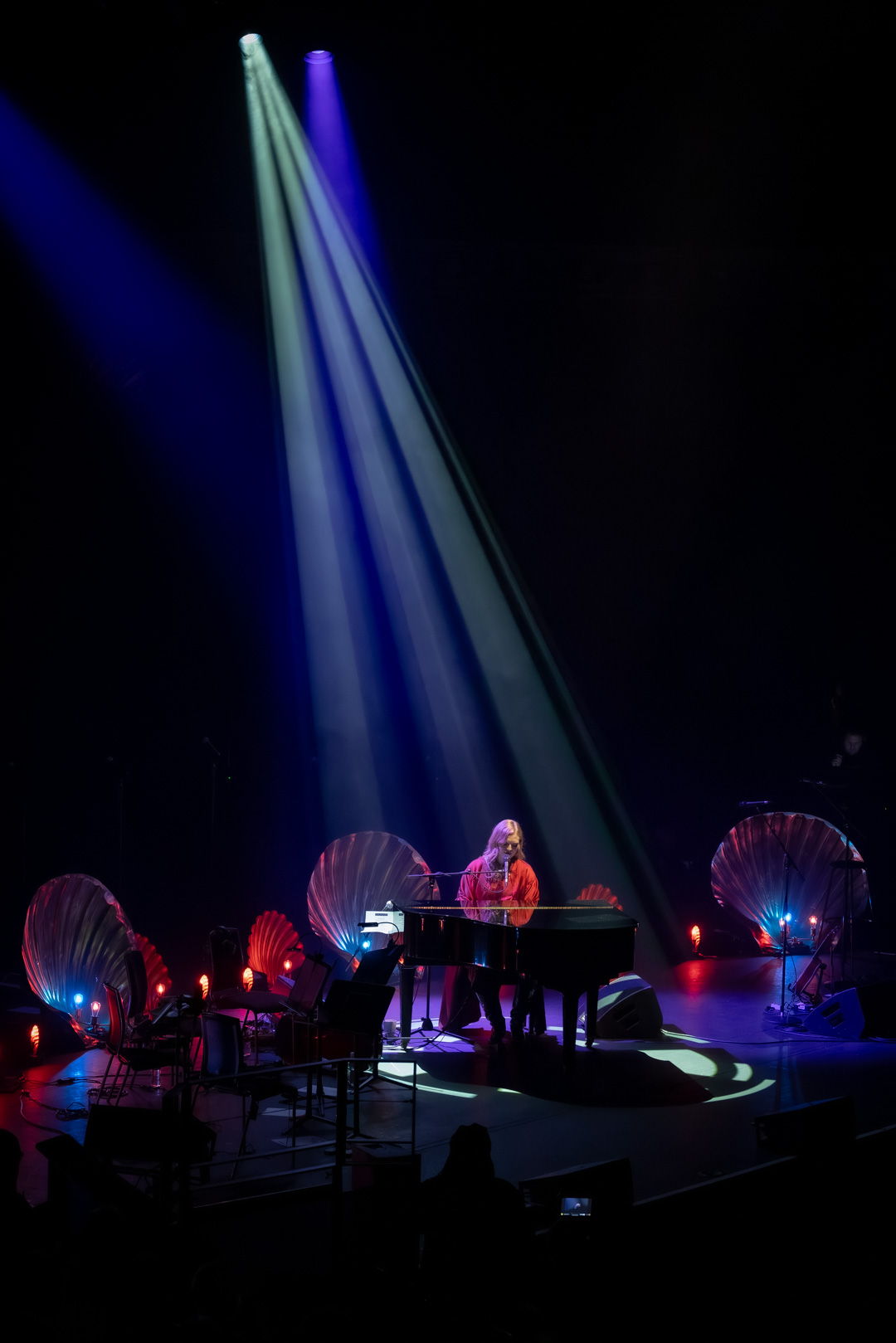
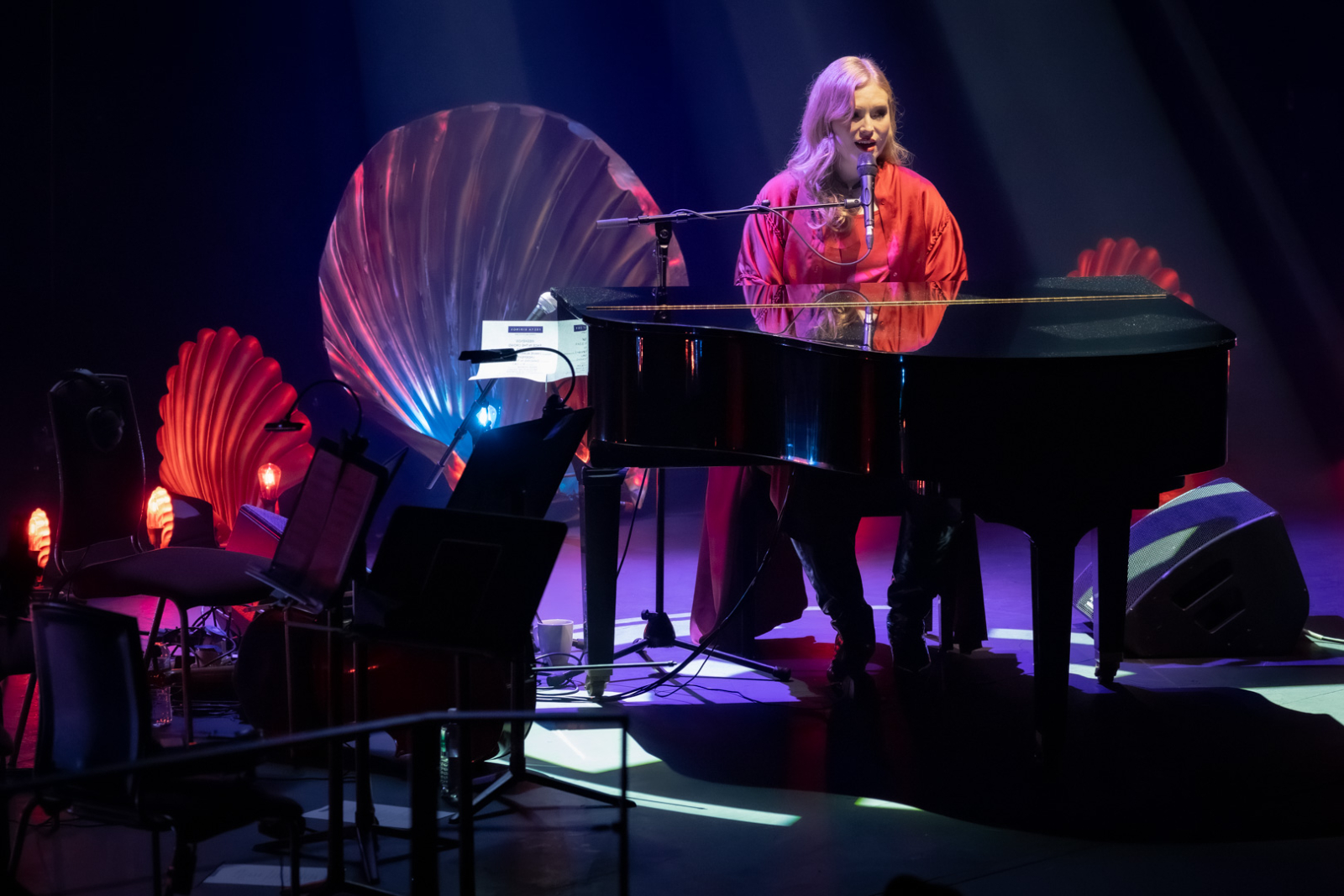
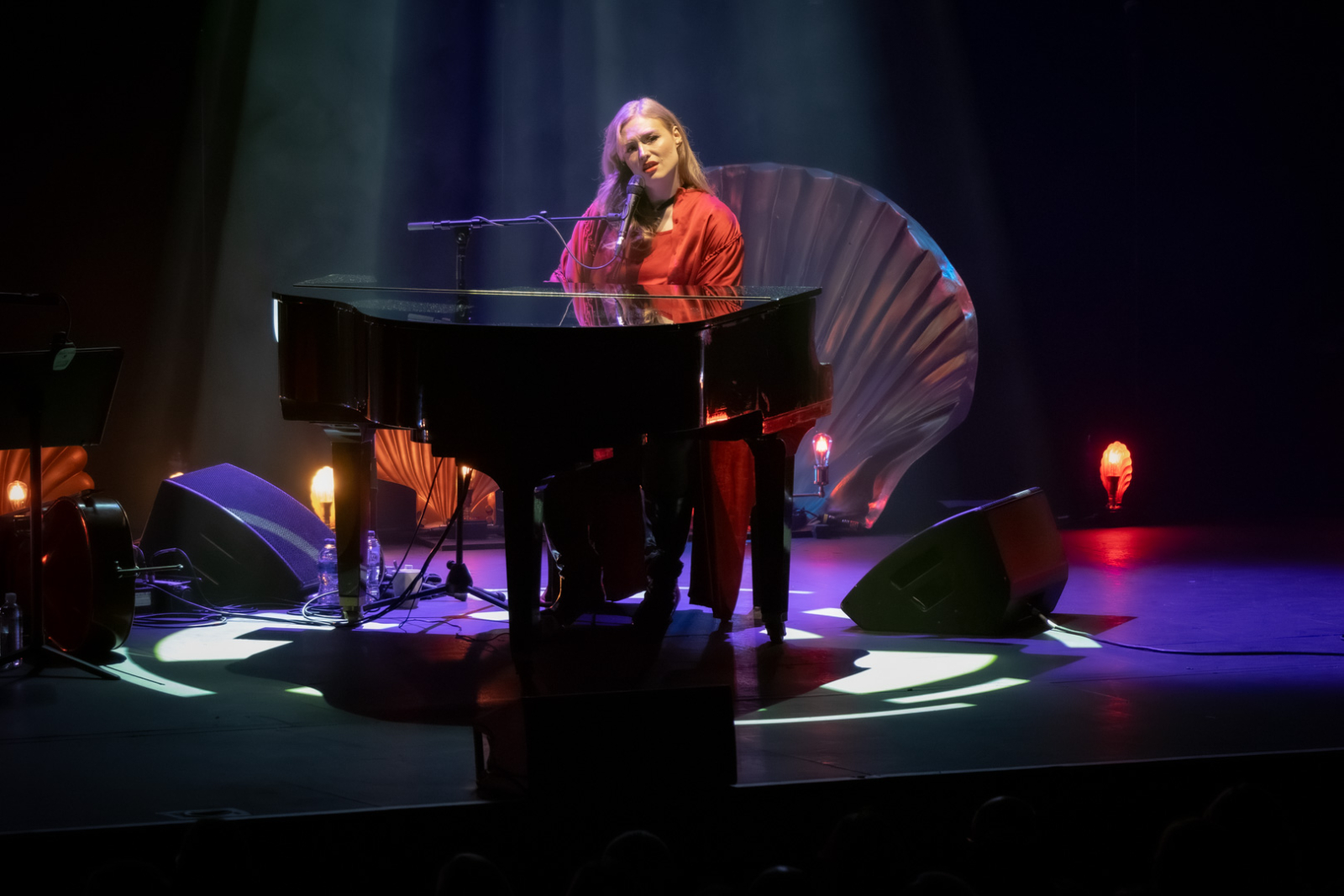
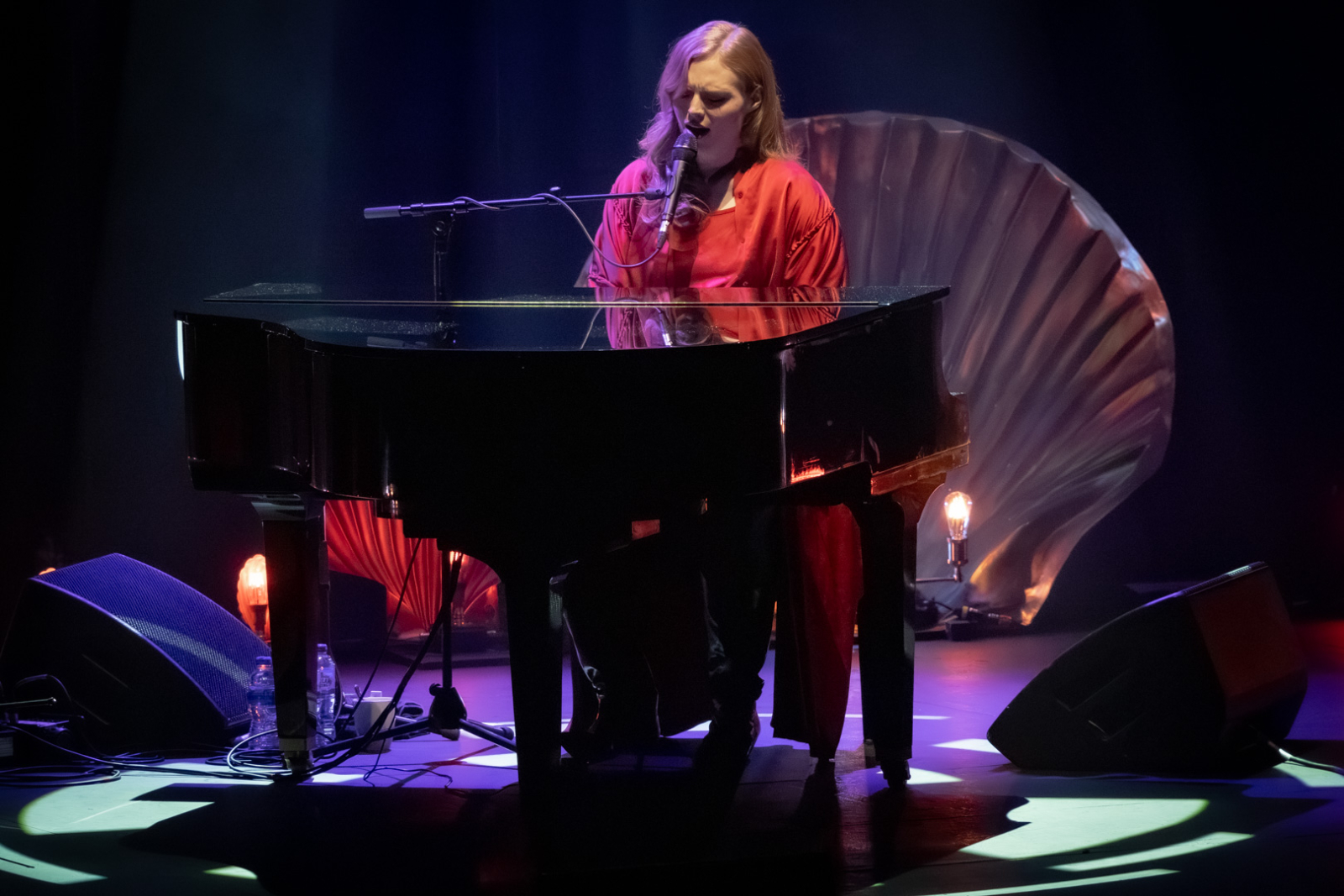
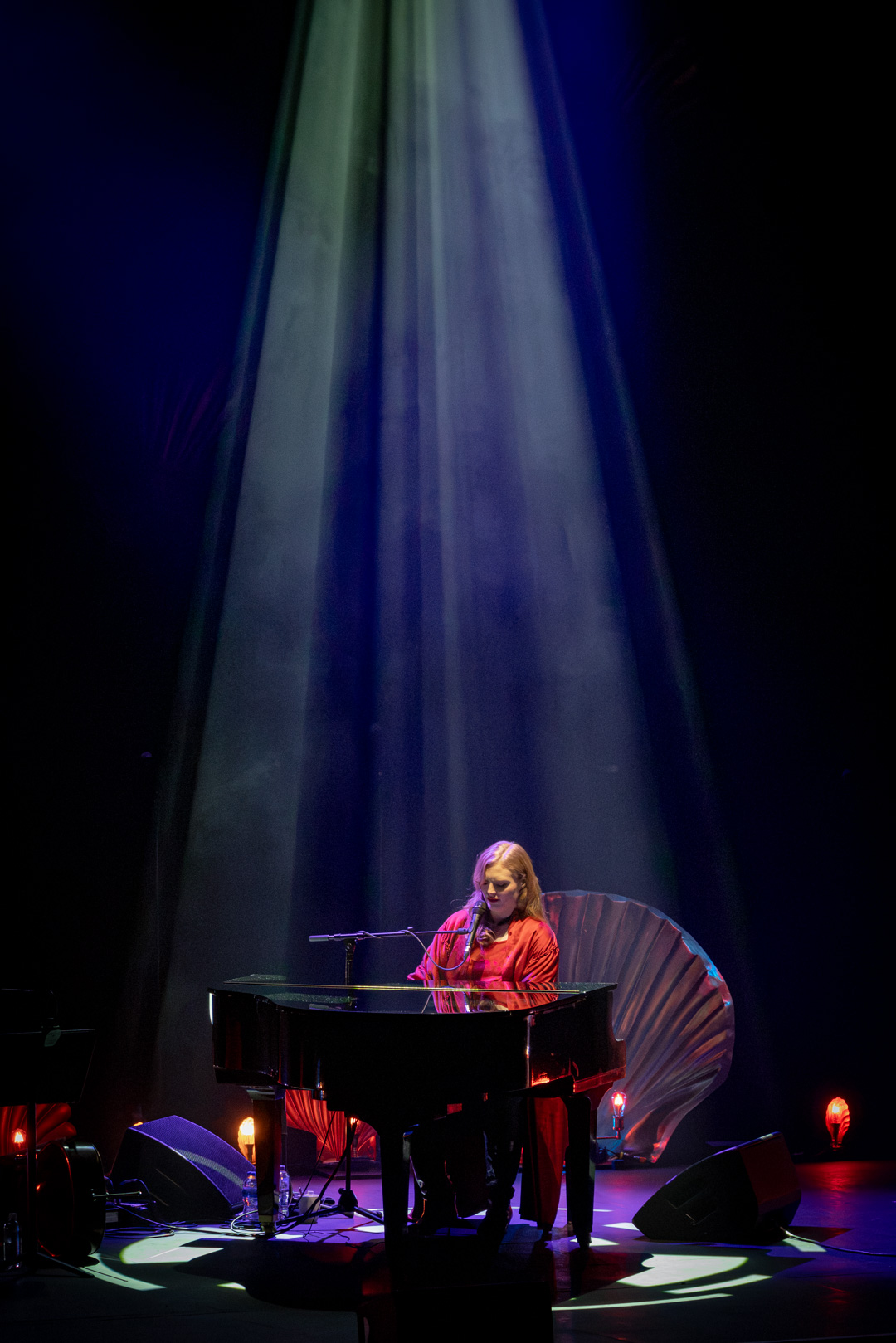
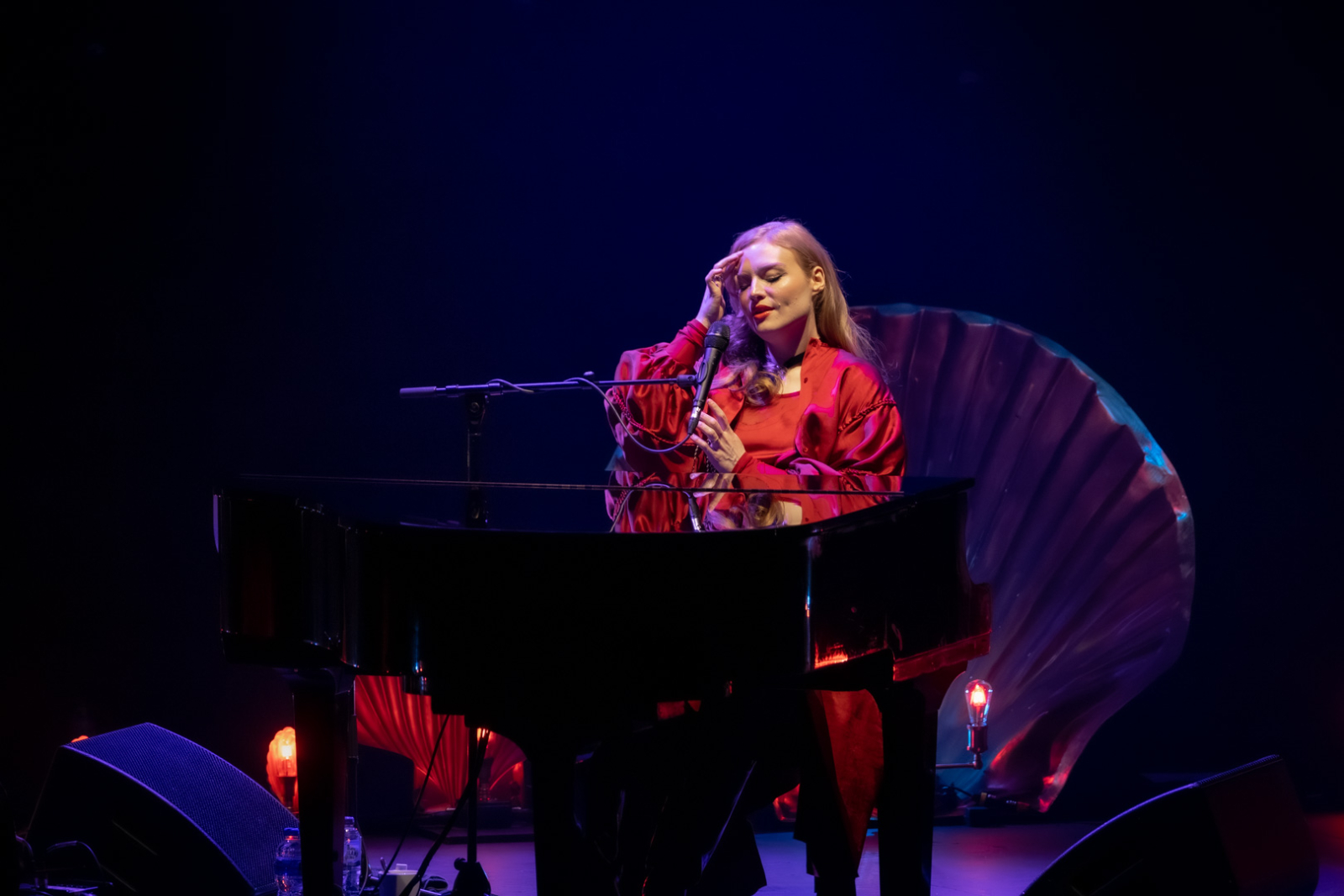
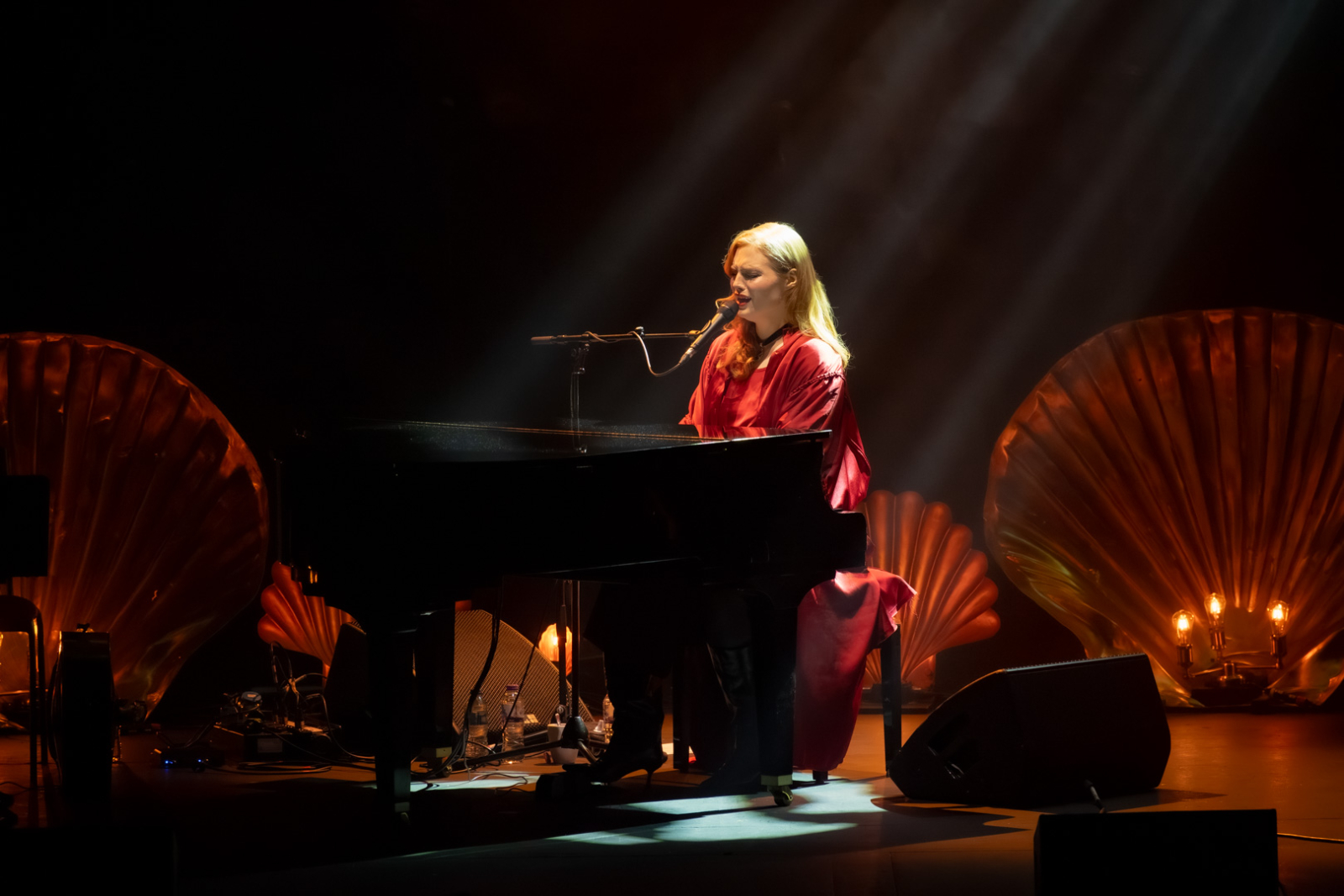
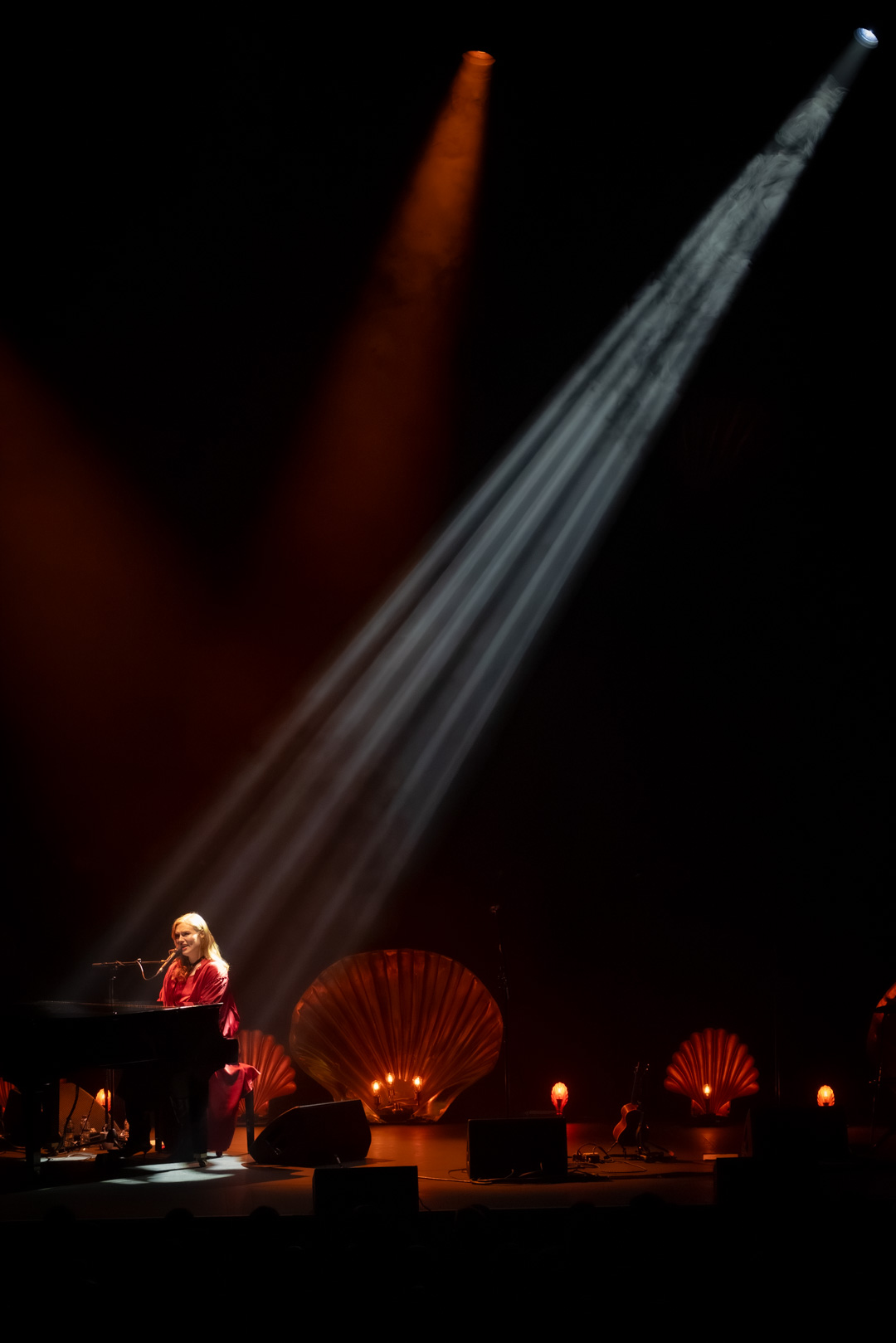
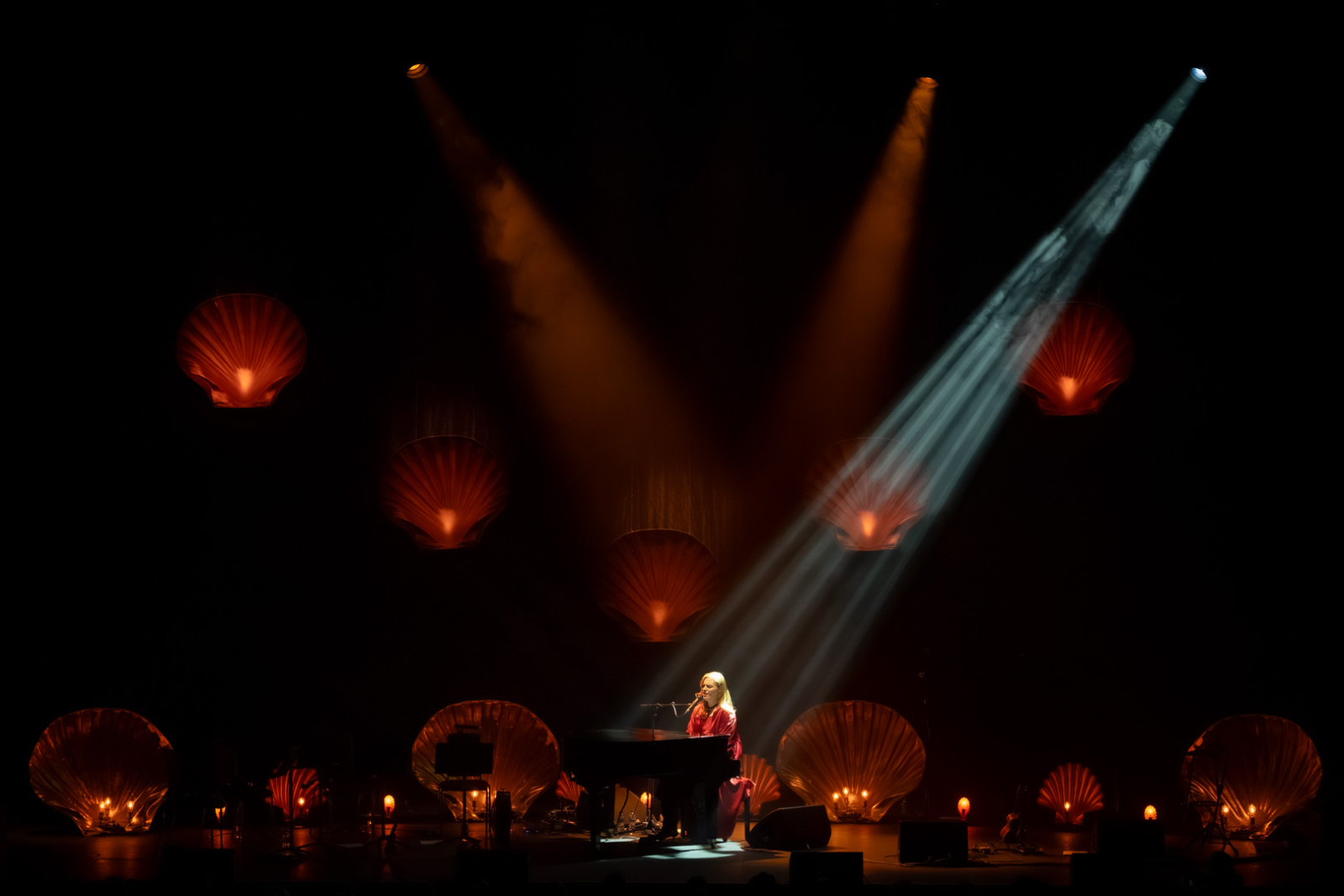
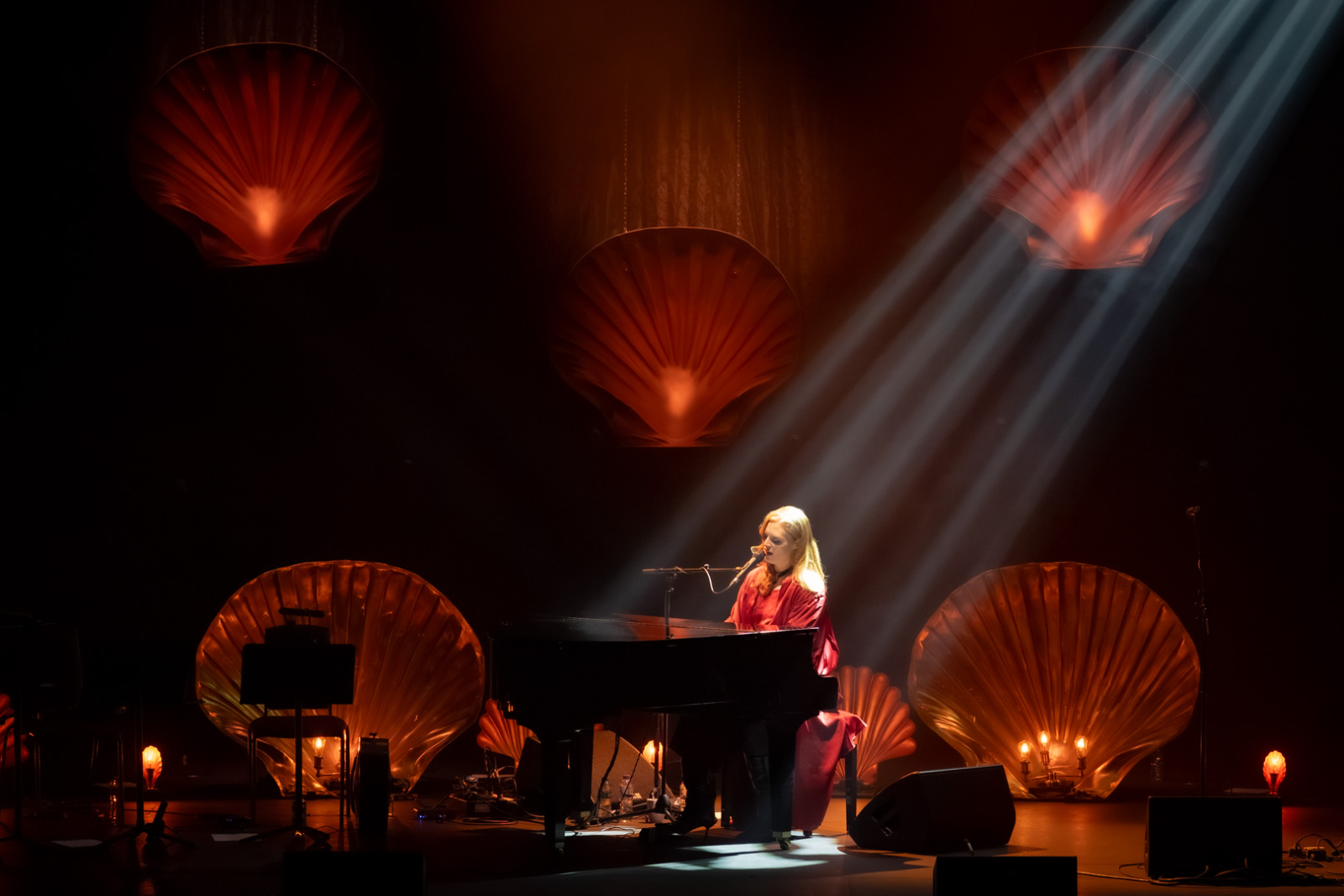
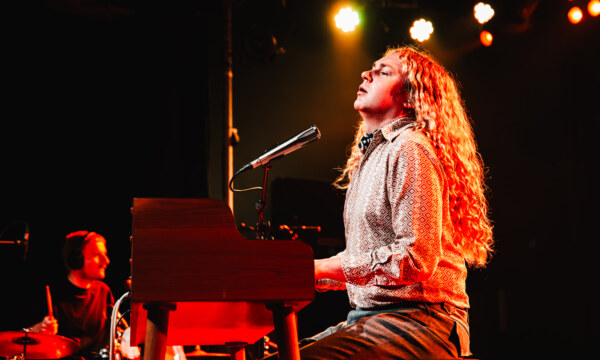
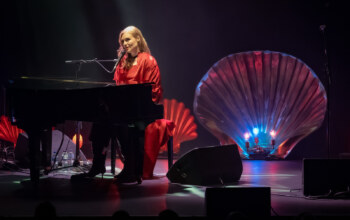
Ridings plays her opening songs, Weekends and Didn’t Want to Let You Go, alone onstage with her piano, showered in white and tinted pink spotlights that illuminate her red bohemian silhouette with draped sleeves, enhancing her whimsical energy. Each key is played purposefully, with smooth chord transitions melting into each other and gliding beneath her magnetic voice. Her strong voice effortlessly oscillates between deeper, huskier tones and higher, more delicate notes, demonstrating her sheer range and vocal command, especially when the piano drops away in the final chorus of Weekends to leave her vocals exposed. Singing with her hand over her heart becomes a visual motif throughout the night, suggesting her melodies truly come from the soul and feel sacred to her. The North London singer introduces the Mother of Pearl section of the set with album-opener Euphoria, a fiery chant that she builds into a soaring, emotional chorus. Opposed to the previous laments, the piano’s darker register is matched by greater depth and intensity in her voice, singing with determined, warrior-like passion that reflects the awakening anthem’s meaning of survival and freedom from a deceptive relationship. Accentuated high notes fill the entire hall, powerful enough to make the hair on the back of the neck stand up, proving Ridings doesn’t need enormous production because her voice becomes it.
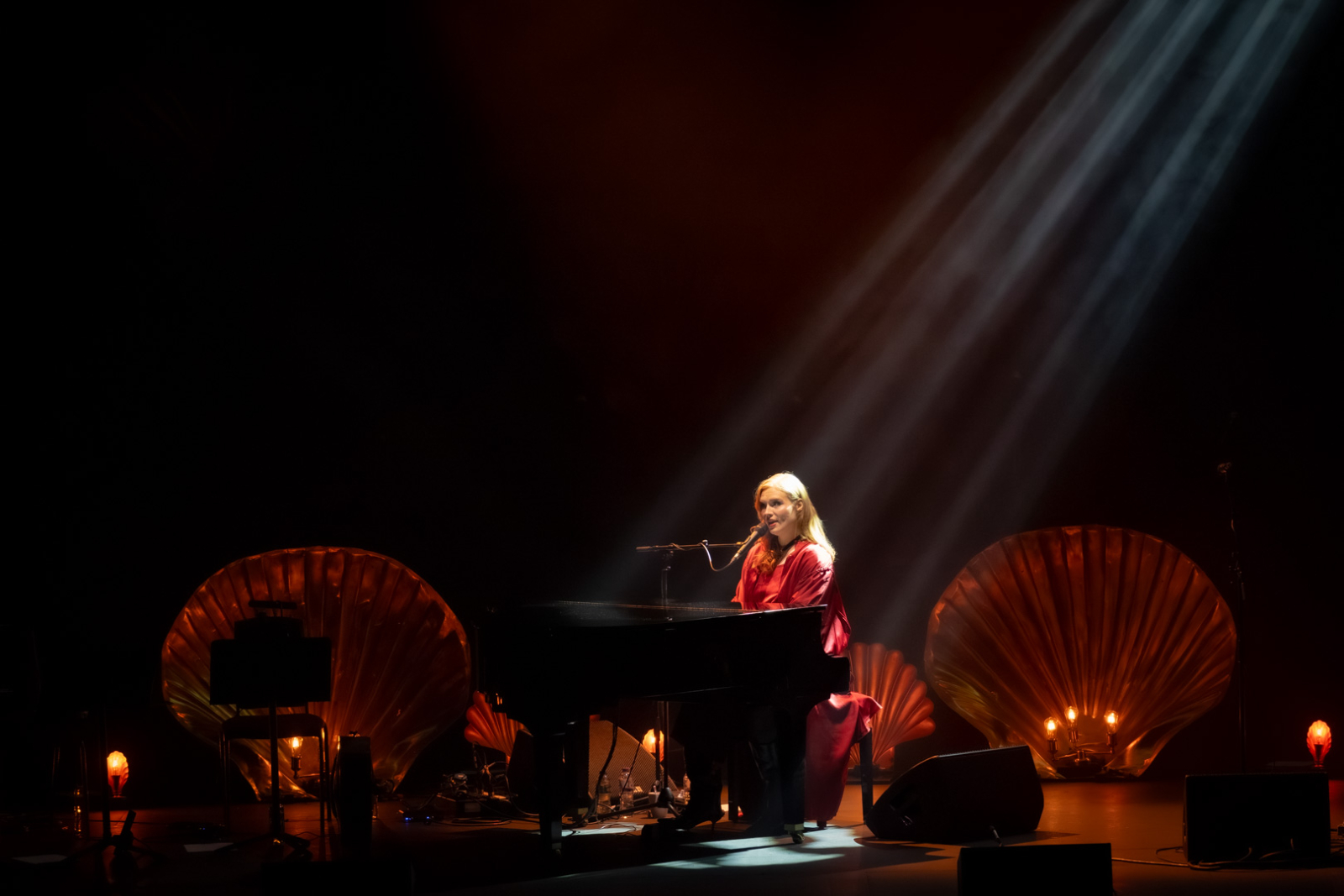
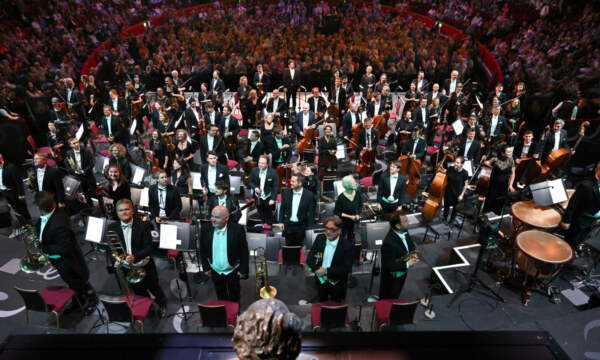
After reminiscing about her participation in the BBC Proms at the Royal Albert Hall as part of her school choir and dreaming of headlining, an all-women orchestra joins her onstage to expand the sound. The cello comes in first during the chorus of Undefeated, followed by violins that harmonise with her voice. Each drops out completely at moments and re-enters gradually to leave space for her rather than competing. The orchestra becomes deliberate and controlled rather than excessive, subtly entering, building momentum and withdrawing gracefully to complement rather than overpower her voice. After inviting her husband and folk-pop musician Ewan J Phillips onstage, further personalising her performance, Ridings dedicates Dancing in the Kitchen to those struggling with confidence growing up. The playful acoustics of the ukulele bring a carefree lift to the melody, reflected in the seashells surrounding her changing from orange to pink, while the orchestra join for the second half and Ridings’s voice continues to pierce through poignantly. This careful dynamic architecture uplifts the live experience, while her storytelling makes the songs more emotionally legible, allowing the audience to understand their personal stakes and relate to them.
Sonic layering goes further when the choir arrives in a semi-circle behind Ridings, dressed in all black, singing R U O K? with passion and expressive hand movements. The chorus feels grandiose, with every compositional layer accumulating in full force, creating a multidimensional soundscape that builds layers of intricacy as instruments filter in and out. The backing vocalists’ echoes of “Are you okay?” build desperation and anxiety, illustrating the song’s storytelling and demonstrating Ridings’s mastery of tension and momentum. Again, everything strips back to piano and voice to seal the song herself. Wild Horse is another standout, with lyrical imagery of liberation from chains and a more immediate, urgent tempo. The guitar becomes more prominent as backing vocals intensify the urgency, mirroring its theme of freedom and giving Mother of Pearl a more convincing live identity through its physical arrangements.
Ending the night with an encore, Ridings asks the crowd to hold up their flashlights in dedication to lost loved ones, creating what she calls a “beautiful sea of stars” for Lost Without You, a song about loss and rebuilding. After this quiet communal moment, the evening ends theatrically with Castles, as the audience stands for the first time, dancing and clapping along. Energy peaks after a night of stillness as full instrumentation returns in a burst of sound, visualising the show’s journey from intimacy to collective joy. During the standing ovation, Ridings bows, blows kisses and walks offstage teary-eyed. Although some of her slower ballads share similar structures, with repeated title choruses and piano-led arrangements, their individual meanings and live instrumentation distinguish them. She takes deeply personal material and transforms it into a communal, carefully orchestrated live experience where her voice remains the emotional centre.
Jennifer Hensey
Photos: Paul Boyling
For further information and future events, visit Freya Ridings’s website here.
Watch the video for Wild Horse here:







Facebook
Twitter
Instagram
YouTube
RSS