
Wilaya | Berlin Film Festival 2012
 16 February 2012
Wilaya is a full-feature drama by Spanish director Pedro Perez Rosado (The Ashes of the Volcano, Agua Con Sal) produced by Jose Maria Morales and set against a true backdrop of the Saharaui Conflict, a Moorish ethnic group of 150.000 Sahrawi exiles.
The exiles are living in a refugee camp in Algeria, with no passport and no country to call their own, still waiting to this day for the referendum that will define their status under international law. With one of the roughest deserts in the world serving as their natural prison, Saharawis are forgotten by the UN and left to live their life of daily struggle in a poor neighbourhood of sheds.
That being said, Wilaya does not blatantly poke our eyes with all this information – it is subtly hidden in-between the plot lines only as a vague implication, allowing us to experience the pace and nature of life in the Wilaya of Samara camp, from observational atmospheric shots over the course of the film. As Rosado reveals – he has learned not to over-dramatise from Umberto Eco, even when the subject matter is of greatest personal concern. In Wilaya, themes like daily sufferings, women’s dependence on men, falling in love in a society that only acknowledges arranged marriages are touched upon with a very skilful subtlety.
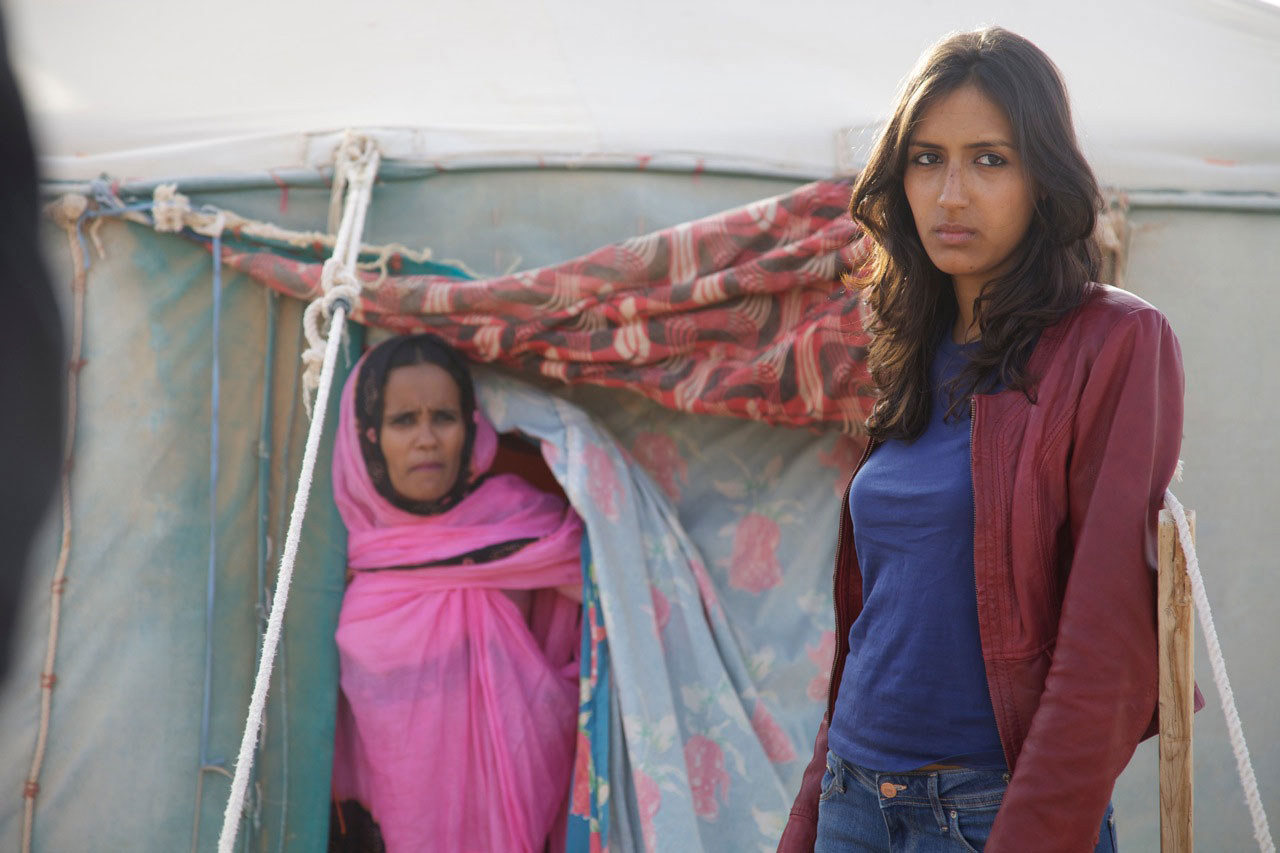
Nadhira Mohamed as Fatimetu In Wilaya
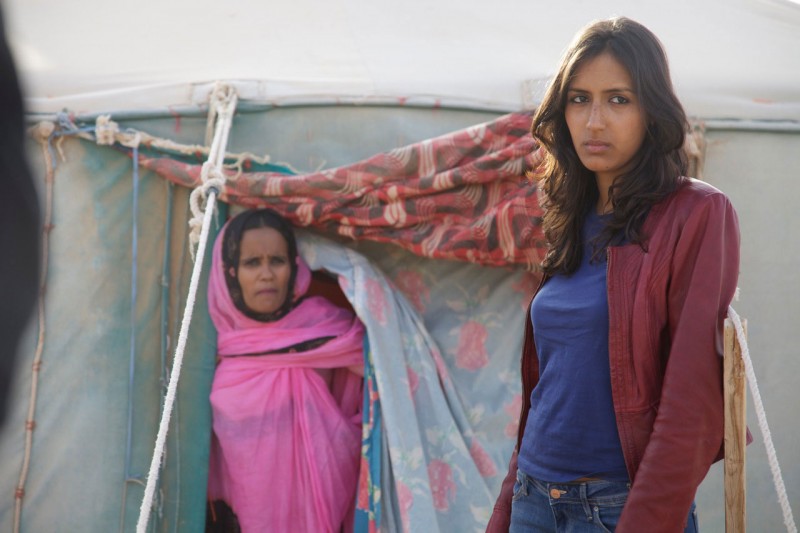
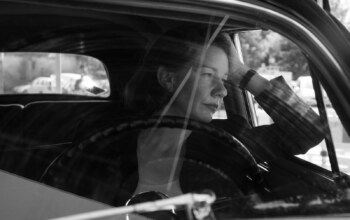
The film tells a story of a young and beautiful Saharawi woman Fatimetu, played by Nadhira Mohamed, who delivers an extraordinary performance. Having been living in Spain with foster parents for 16 years, she returns to the camp after the death of her mother to temporarily take care of her disabled sister Hayat (Memona Mohamed). Both sisters find it difficult to adjust to this situation, having been separated for so long, and Fatimetu struggles to adapt to the lifestyle which became completely unfamiliar to her.
She is unlike other Sahrawi women: Fatimetu does not wear a hijab, walks around in jeans and flip-flops, and is the first female to work as a camp’s driver with her newly-bought 4×4 jeep. Upon returning, she is torn apart between life in the desert, which she slowly begins enjoying and accepting, and her memories of family and friends she left in Spain. The reconciliation with Hayat and discovering her true roots and identity is one among many things Wilaya is about.
This beautifully shot, poetic, sensitive and contemplative picture with a replenishing soundtrack by Aziza Brahim (who also plays Sdiga in the film) will suit those who want to rest their eyes from the familiar and slow life down for a moment. Those with no patience or interest in non-Western will probably be bored after the first ten minutes.
Rating: ****
Ruta Buciunaite













Facebook
Twitter
Instagram
YouTube
RSS