
Mariupolis

 24 February 2016

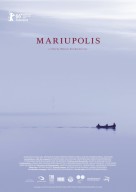
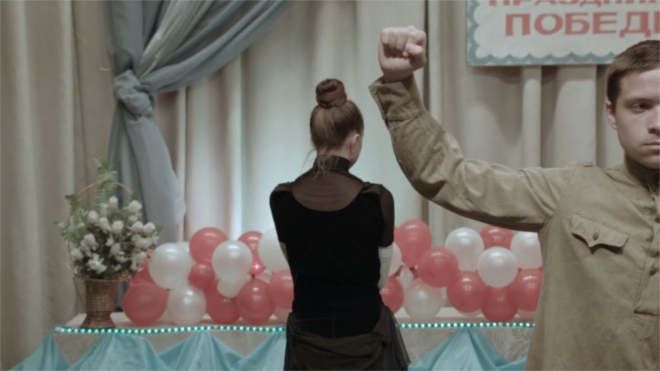
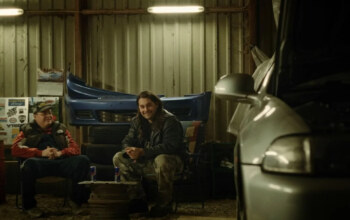
It isn’t hard to see what Mariupolis is trying to achieve. Set in the Ukrainian city of Mariupol, this film juxtaposes heart-warming imagery of daily life with images of bombings and military activity related to the Ukraine-Russia conflict. There’s no denying that it’s very visceral in its presentation; much of the footage is presented from a handheld camera perspective, and isn’t overproduced or retouched. However, that same raw imagery that makes Mariupolis so real and engaging also makes it seem decidedly amateur in its execution. Much of it is home-video in its image quality, and there’s little sense of shot composition, rather it’s a frantic rush to capture whatever possible, with very casual camera placement that doesn’t account for the whole image or the quality of lighting. Of course, it’s difficult to expect an entire film crew to be present on the scene, and the director does well with the resources available, but the end result is a noticeable loss of quality.
It’s hard to tell whether Mariupolis is a full-fledged documentary or not. Many of the scenes between individuals or characters feel overtly scripted, to almost school play levels, but sequences such as the work at the foundry and the departure of the trams at the movie’s opening are undoubtedly real-world footage. It’s difficult to tell just how much agency the film’s creators have in its events: are they simply observing real life, or instigating the vignettes presented? There’s an undeniable sense of uncertainty here, a lack of clear intent typical of a director on only their first or second project, and the production as a whole suffers for that. Whether it’s the heavy-handed juxtaposition of the civilians and the military, or the rough-round-the-edges film quality, it’s difficult to miss indicators that this director has yet to master the nuances of his craft.
That said, there are some strokes of brilliance, among them the use of traditional music as an accompaniment to the other drama of the film. In instances such as this, the emotional core is shown clearly, and to reasonable effect. On the whole, however, Mariupolis really fails to make an impact, as its lack of directorial confidence may dissuade or even antagonise its viewer.
James Ager
Mariupolis does not have a UK release date yet.
Read more of our reviews and interviews from the festival here.
For further information about Berlin Film Festival 2016 visit here.






















Facebook
Twitter
Instagram
YouTube
RSS