
How virtual and augmented reality transforms fashion retail
 21 June 2019
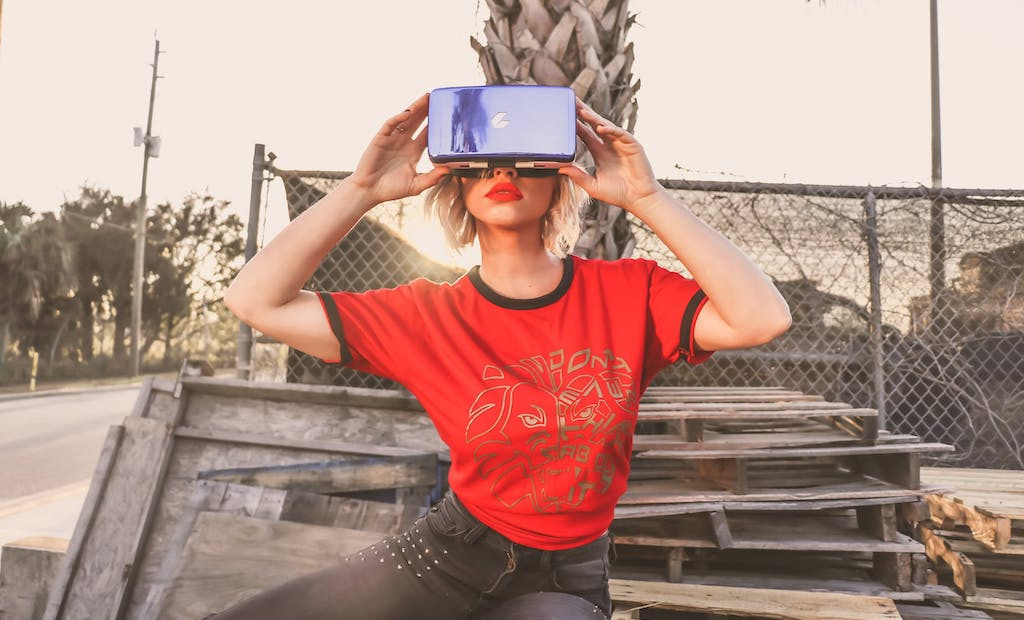
Virtual and augmented reality has picked up steam over the past few years. While many people think that their most obvious applications are in the world of gaming, it’s interesting to see how they are slowly transforming the way people shop for clothes. There used to be a time when buying clothes required going to the mall or a retail store, but online shopping made it possible to make all your purchases without leaving your home. VR and AR take things up a notch by re-creating your retail shopping experience.
The biggest fashion brands realize that they need to adapt to digitalization. Traditional retailers are increasingly finding it difficult to compete against online vendors. This applies in particular to brands that target millennial customers. Millennials are known for valuing experience and storytelling, two things that can be presented via VR and AR platforms.
Malls and retail outlets are designed to keep customers inside by using nifty tactics such as strategic placement of lighting fixtures, product arrangement, and traditional marketing methods like banners. This isn’t far off from what gaming halls do to ensure that customers won’t leave their premises. Countless lights are used so that consumers can’t tell the time and they offer free snacks and drinks.
VR and AR present information in real-time and in a way that engages customer attention. Graphics, text, audio, and other visual enhancements all work in cohesion to simulate the real-world experience. In fashion retail, this means you wouldn’t merely look at pictures before deciding to make a purchase. You can view the clothes just like how you would in an actual physical store, providing an experience that equips you with a more informed decision about buying which products you want.
One of the first brands to capitalize on VR and AR is Zara. They offer an augmented reality shopping app. By using the app, customers can point their smartphone cameras at shop windows, images on their website, or in-store podiums and they’ll see fashion models come to life. It’s akin to watching a fashion show in which real models wear the products you’re interested in buying.
Shoppers understand that one of the downsides of online shopping is that they can’t touch or feel the products before buying. But VR and AR address this problem. GAP, for instance, has invested in an app called Dressing Room. This app uses avatars to give customers an idea of how their products will fit without having to visit their physical store.
Without question, virtual and augmented reality has a variety of applications in the world of fashion. Some of these can now be experienced today, with more and more brands coming up with their own VR and AR apps to entice more customers and offer a brand new shopping experience. Any brand that wants to remain competitive should hop on the trend before it’s too late.
The editorial unit
























Facebook
Twitter
Instagram
YouTube
RSS