
“Empathy is about the best tool to help shift opinions”: Director Phyllis Nagy on Call Jane
 1 November 2022
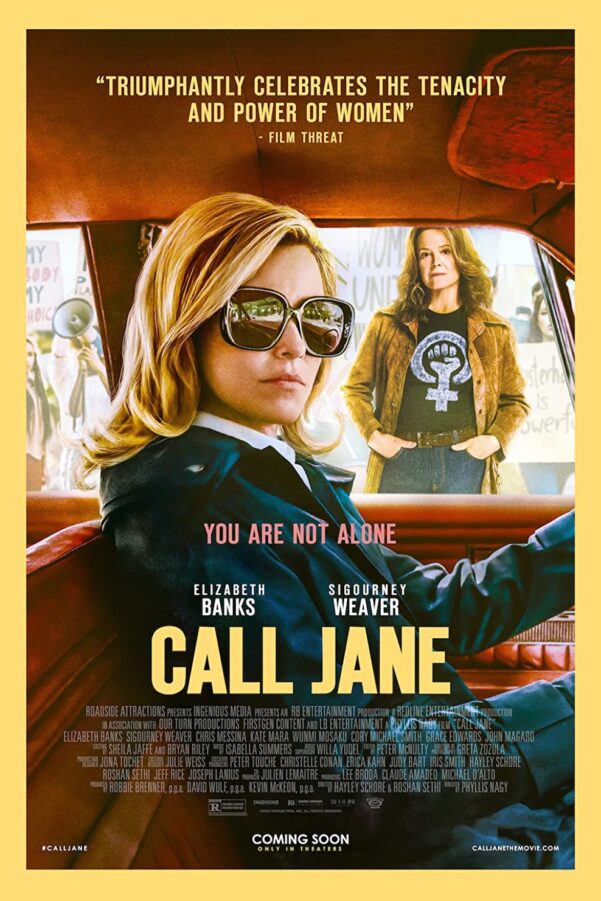
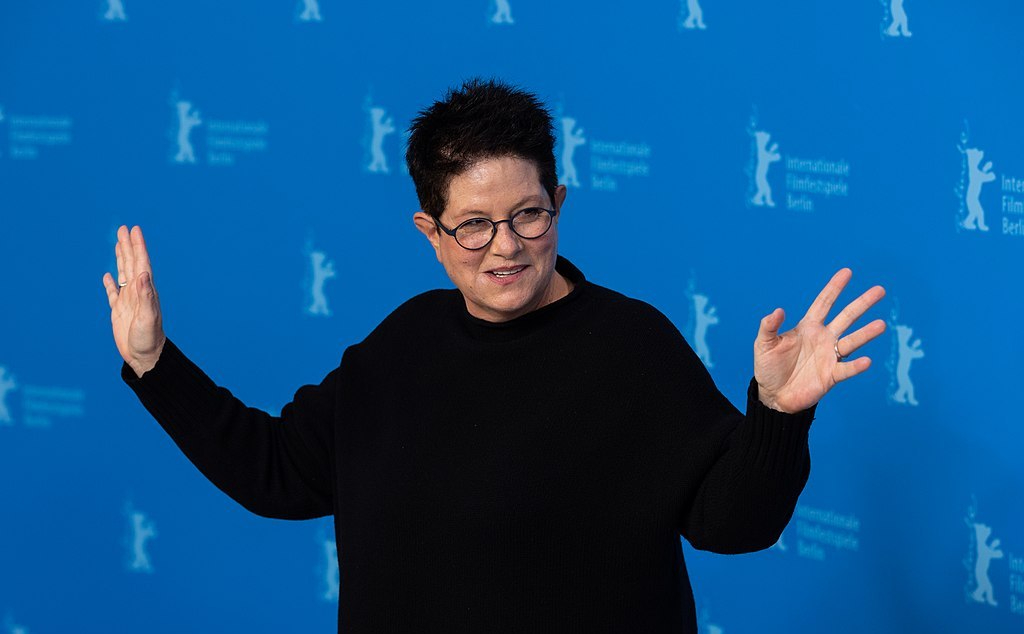
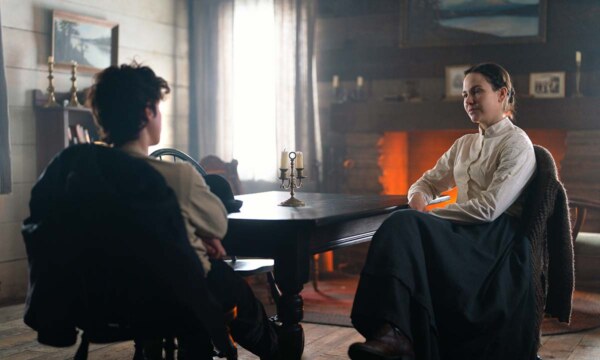
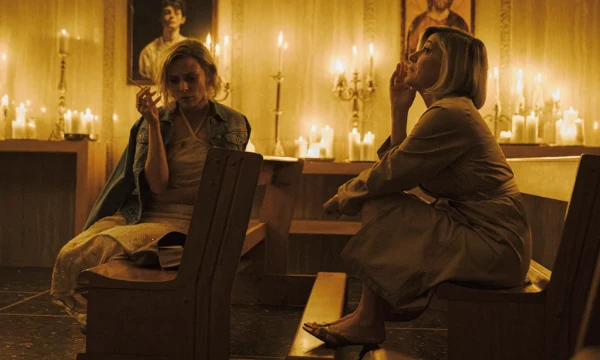
Call Jane is one of those pieces of American cinema that seem to come around at just the appropriate time. In the midst of a rapid rolling back of female reproductive rights by the US Supreme Court, the comedy-tinged drama tells the story of the Jane Collective, an underground, female-led service based in Chicago in the late 60s and early 70s that sought to provide safe abortions at a time when abortion was still a criminal act in most parts of the country. Directing a stellar cast that includes Elizabeth Banks and Sigourney Weaver, Phillis Nagy, previously best known for penning the screenplay for Todd Haynes’s Carol, directs her first feature after the television drama, Mrs Harris.
The Upcoming had the pleasure of speaking with Nagy at the London Film Festival about the making of Call Jane, the lightness of touch that the production brings to the subject of abortion, and filming on 16mm film.
How did you initially come to be involved in this project?
Well, our lead producer, Robbie Brenner, sent me the script and, never having heard of the Jane Collective, I was fascinated and couldn’t believe it was real that this group resisted – but they did! So I was attracted to the notion of making a movie about collective action, which is something that we’ve lost sight of – at least in America – and the opportunity to work on something that afforded a lightness of touch.
Do you think that lightness of touch is a good way of working through such issues generally?
Absolutely. We have seen many films dealing with abortion that are sombre and about pain and people suffering, which does happen, but these are films of exceptionalism rather than the experience that most women have, which is of a perfectly ordinary procedure, and a part of what the film does is that it seeks to normalise that procedure, and to take away that feeling of it always being difficult. Statistics tell us that it’s not.
Abortion is unfortunately still a divisive issue in 2022. In light of this, what is it that you hope people on both sides of the divide can take away from Call Jane?
Well, I think that in America it’s not a divide: there’s a very clear majority of people who feel that it’s fine and that it’s a woman’s choice. That said, we hope that somebody in the vocal minority has their point of view shifted a little bit. Empathy is about the best tool in order to help shift opinions.
This is your cinematic debut after directing for television. Now that you have some distance from the making of the film, would you say there are any differences between directing for TV and directing for the cinema?
My first film just ended up on HBO – today it would have been considered my feature debut. We shot it on 35mm with movie stars. That film was half the budget, so what I learned on that first film was how to make a movie on a budget. This one was more challenging in terms of period and also shooting on film, this time on 16mm. All the lessons I learned the first time were put to good use here.
How much difference do you think it makes filming on film as opposed to digital?
On a period piece like this, a great deal. It provides a texture and a depth of feeling, which is necessary for the period.
Matthew McMillan
Call Jane is released nationwide on 4th November 2022.
Read more reviews and interviews from our London Film Festival 2022 coverage here.
For further information about the festival visit the official BFI website here.
Watch the trailer for Call Jane here:










Facebook
Twitter
Instagram
YouTube
RSS