
Dear Octopus at the National Theatre
 15 February 2024
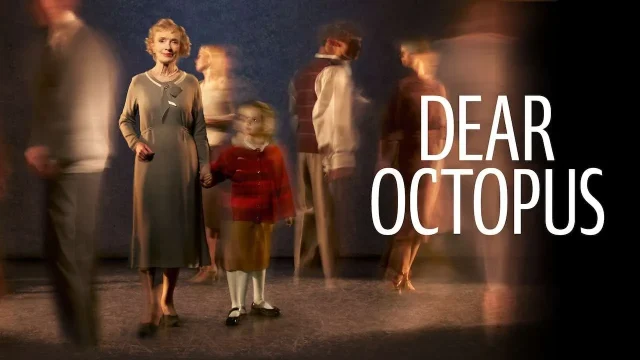
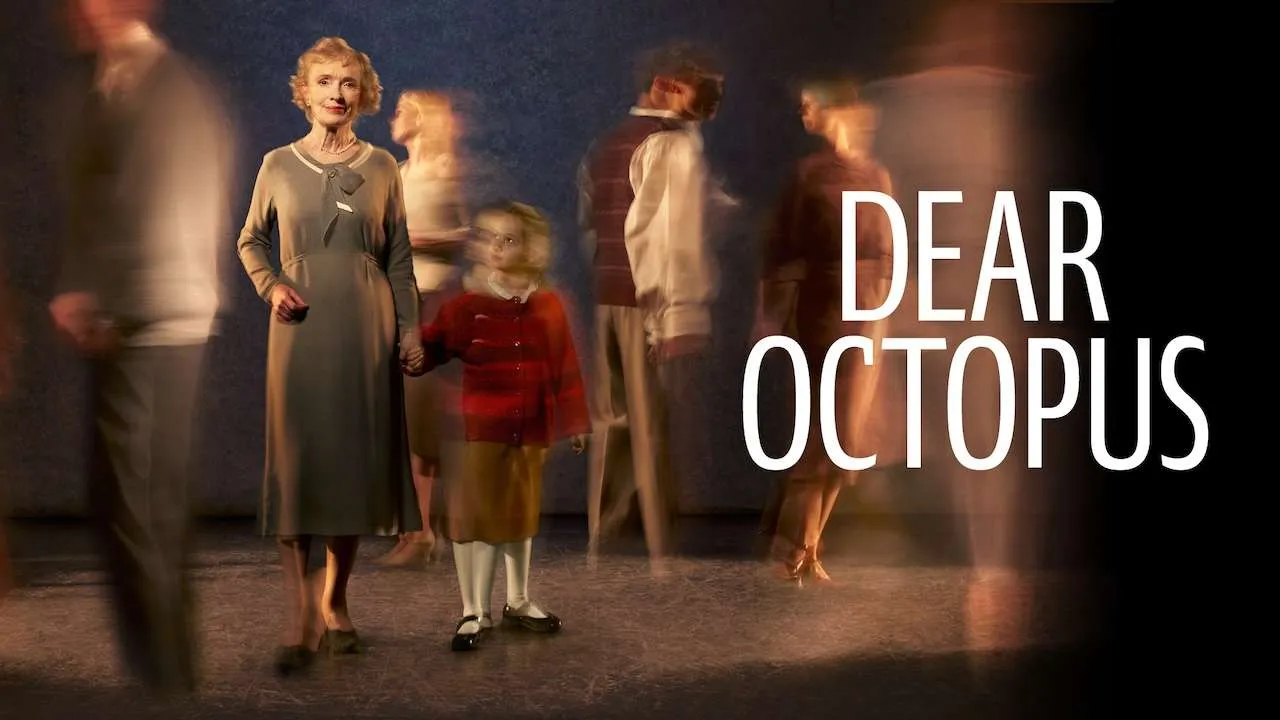
In a world fraught with uncertainty and perpetual change, Dear Octopus teaches us that one constant remains: the enduring ties of family. Directed by Emily Burns (Jack Absolute Flies Again) in its first revival of Dodie Smith’s warmly engrossing 1938 comedy since a 1967 West End hit, the play is an uproarious yet deeply moving exploration of the bittersweet complexities of growing up, growing old and the constant ebb and flow of familial relationships.
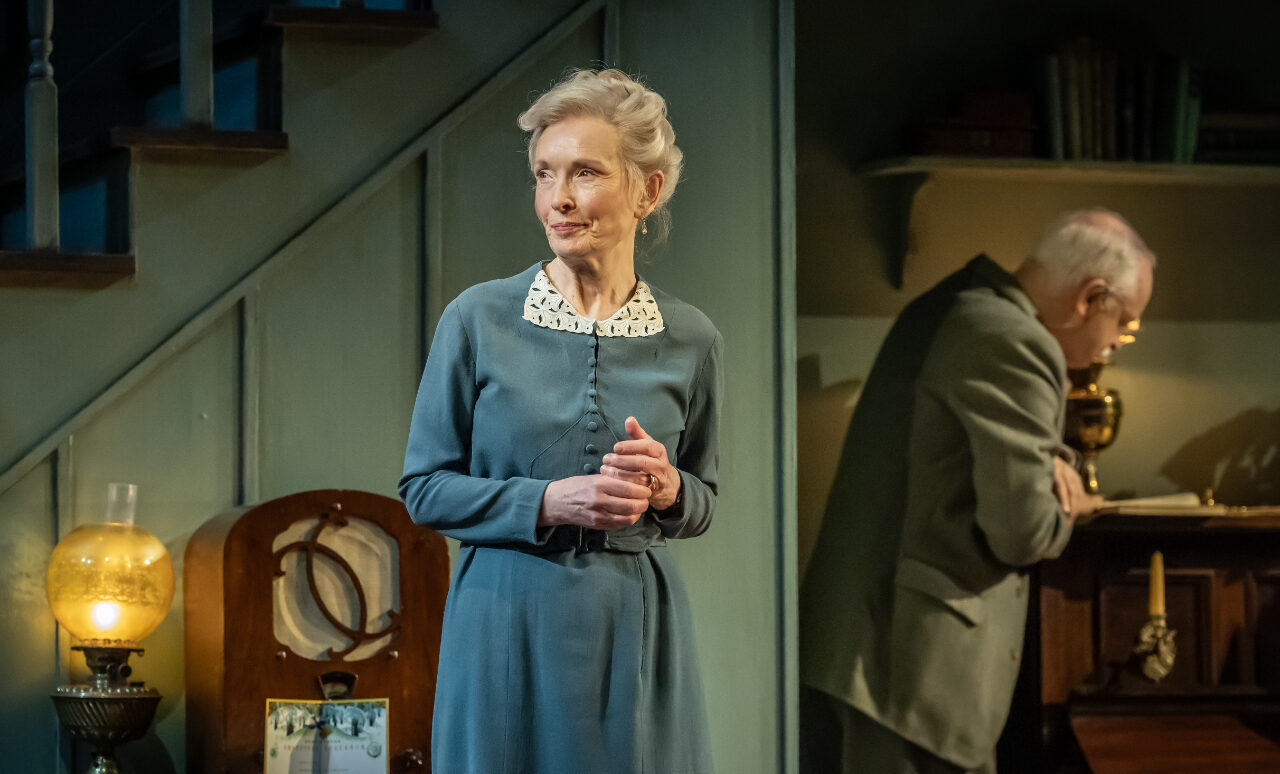
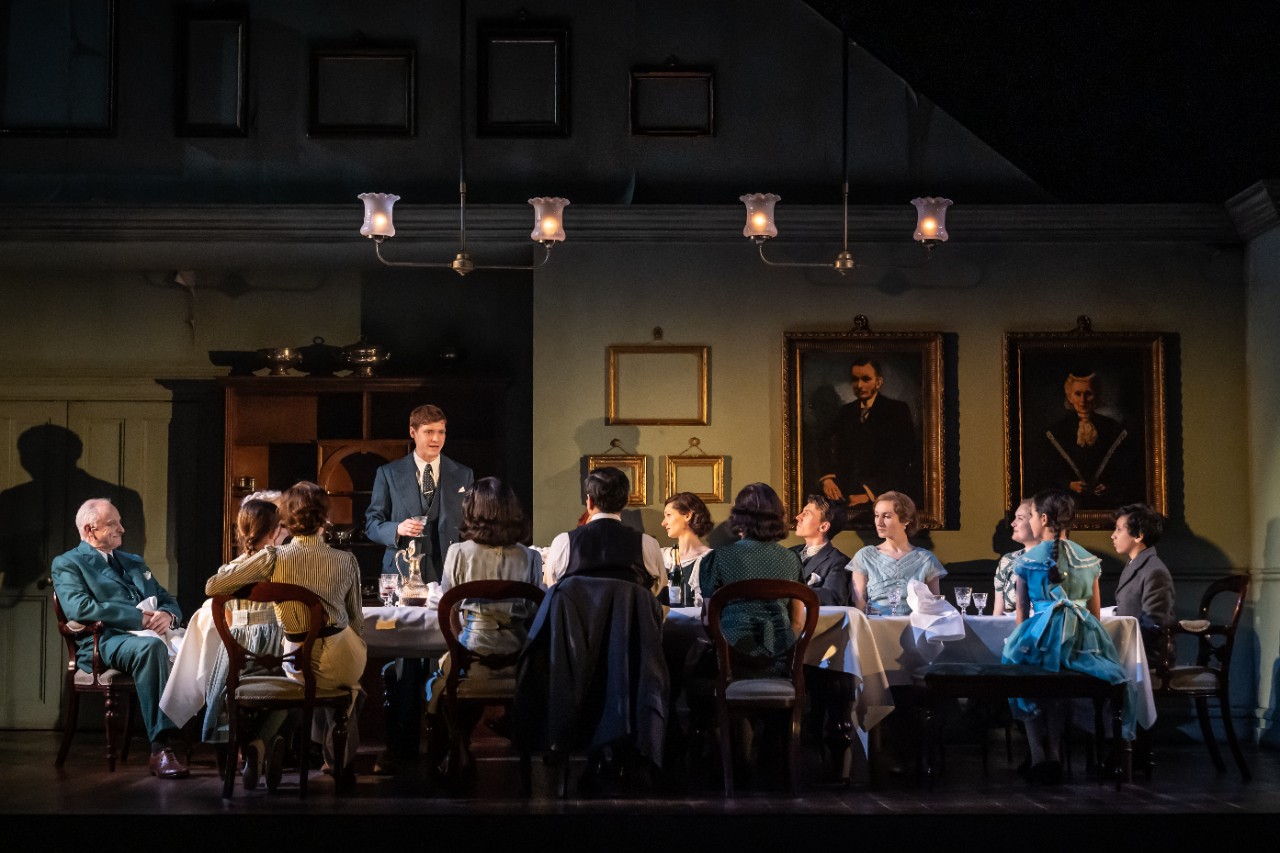
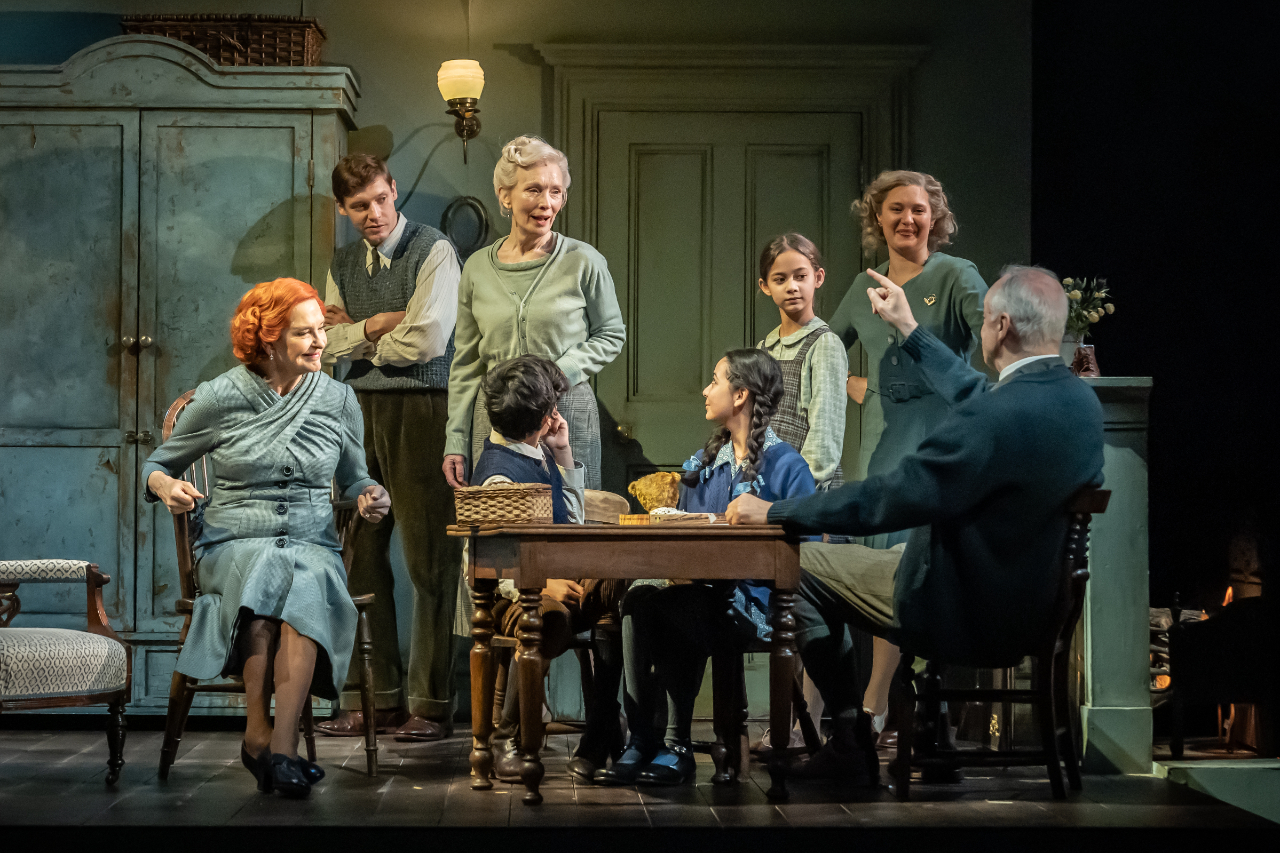
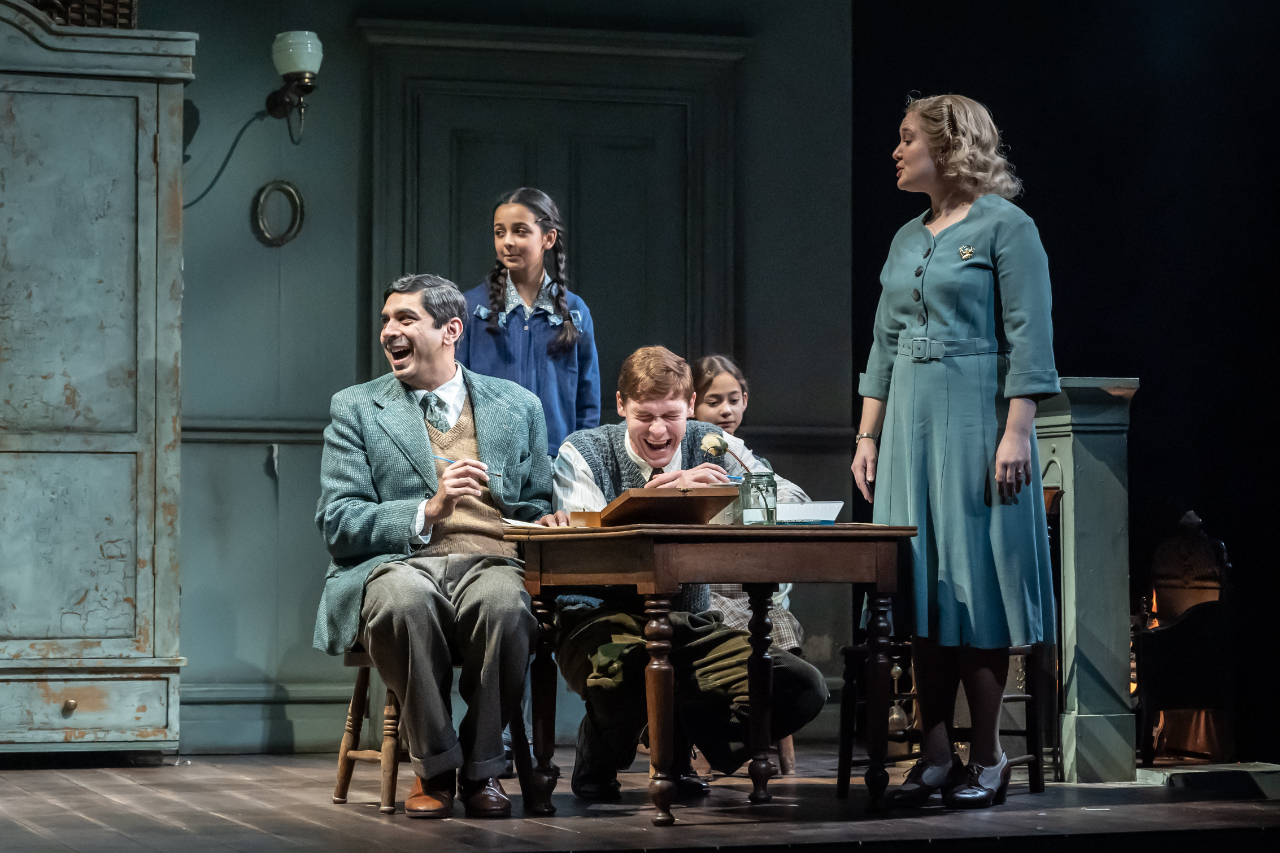
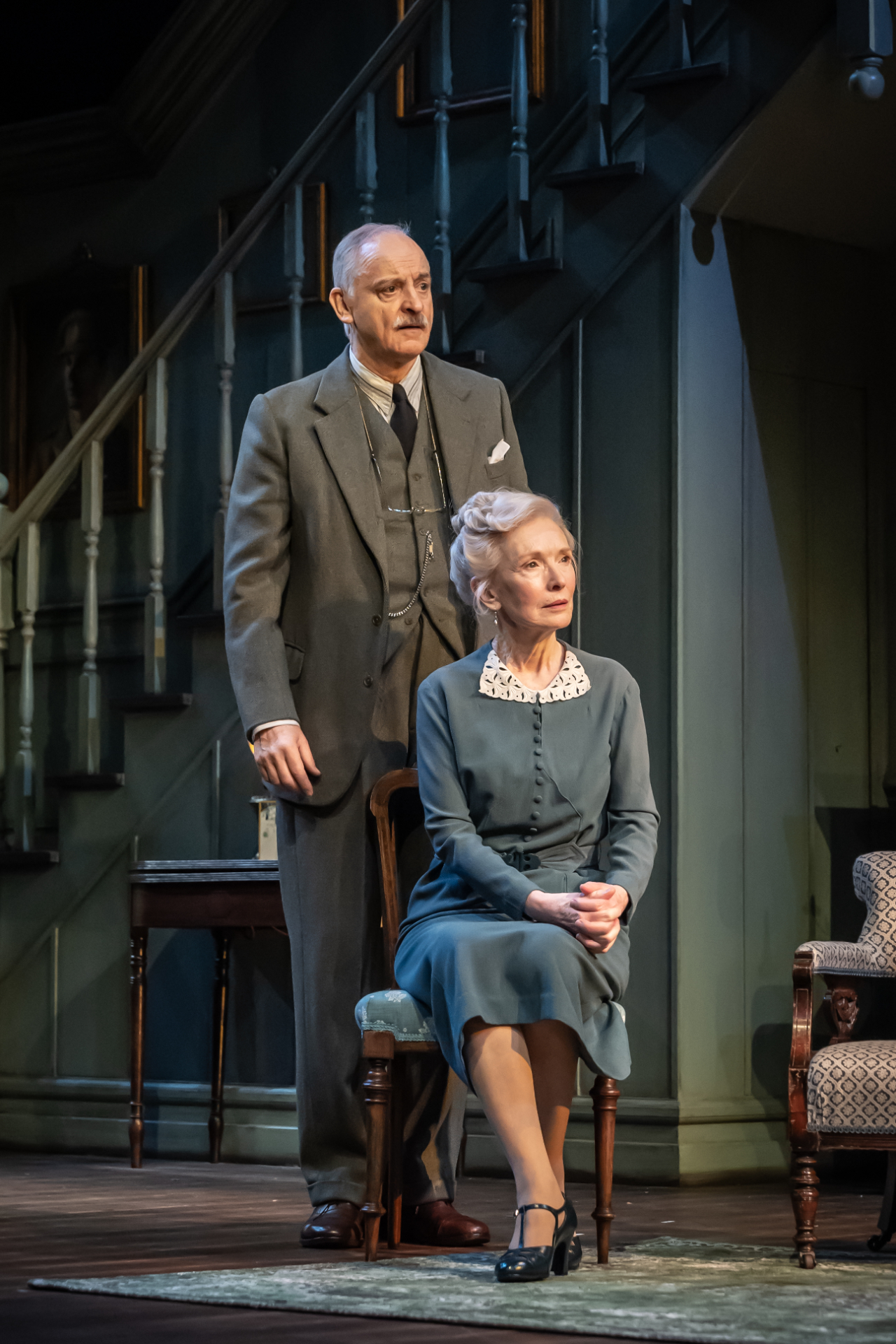
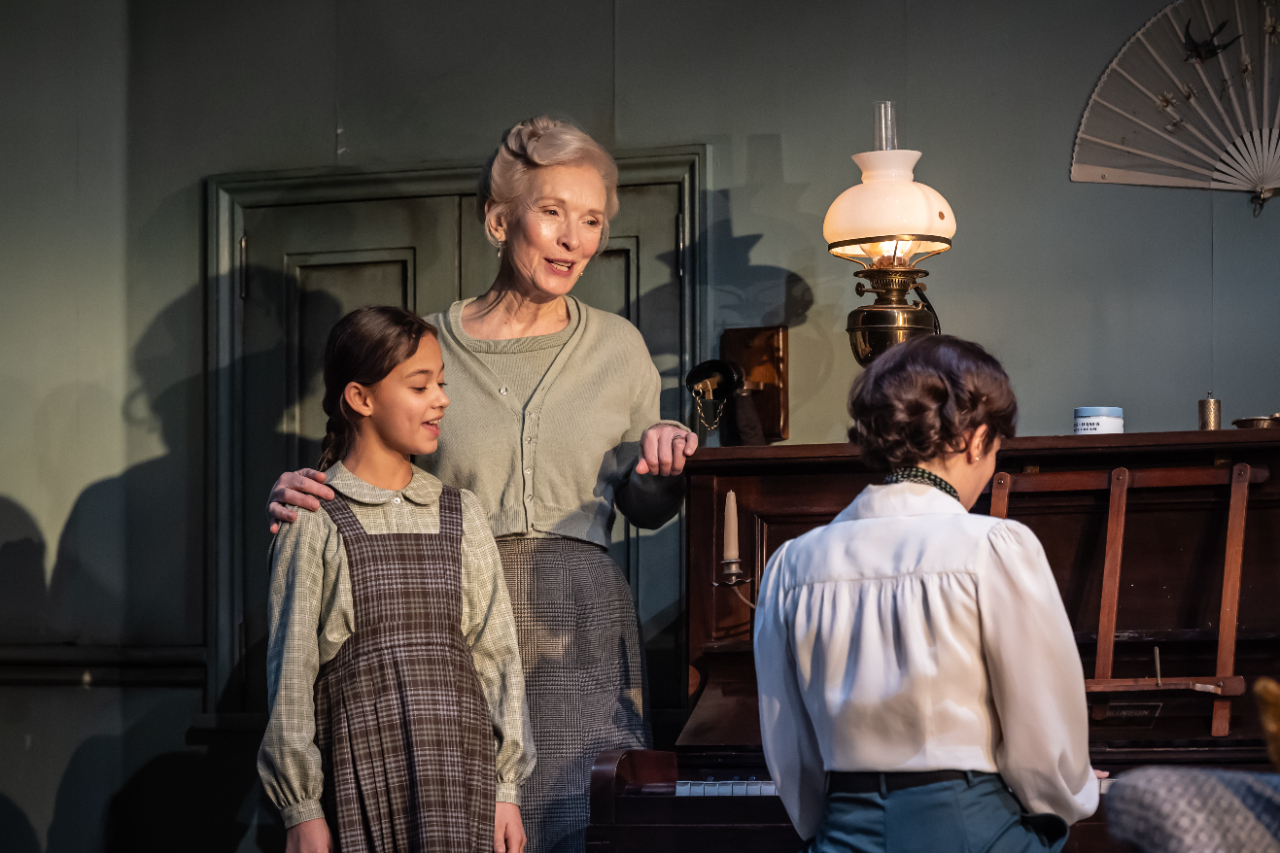
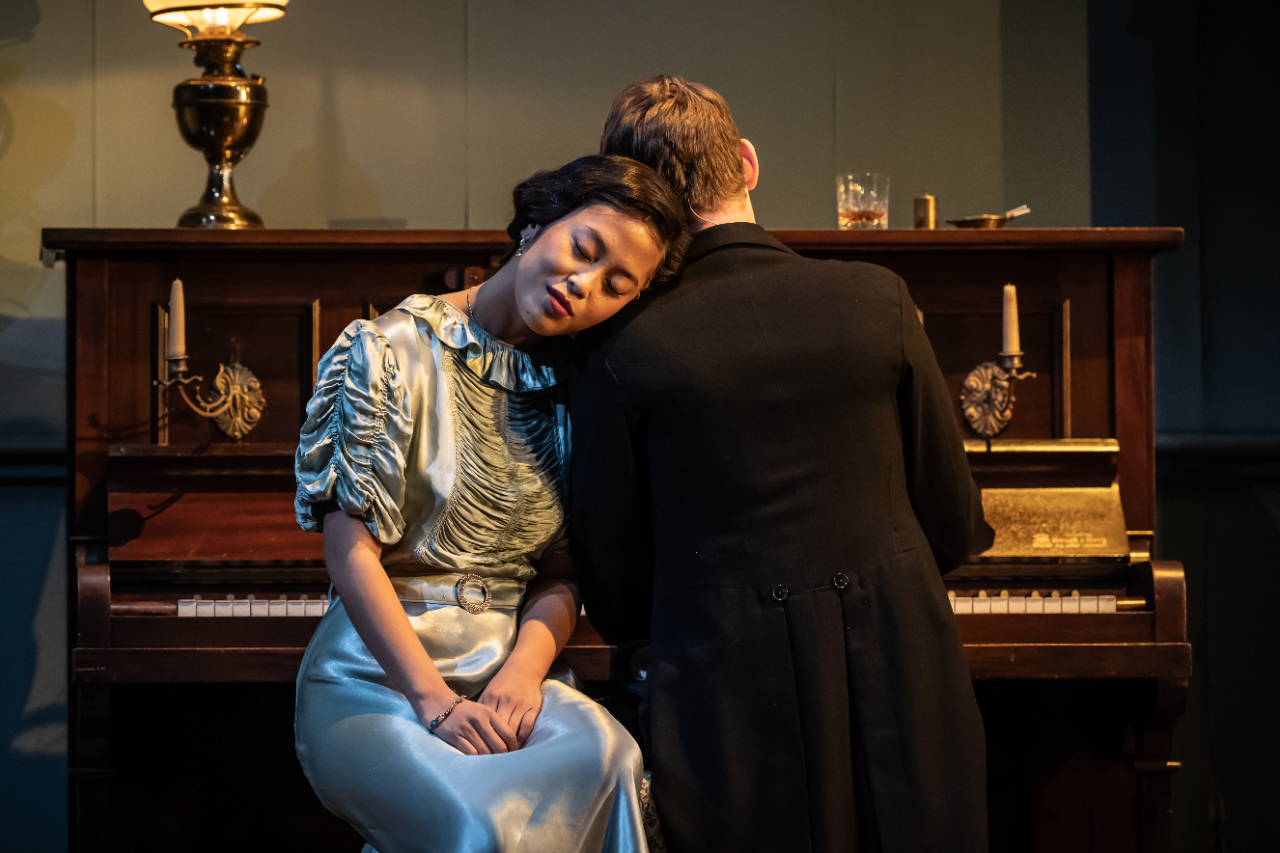
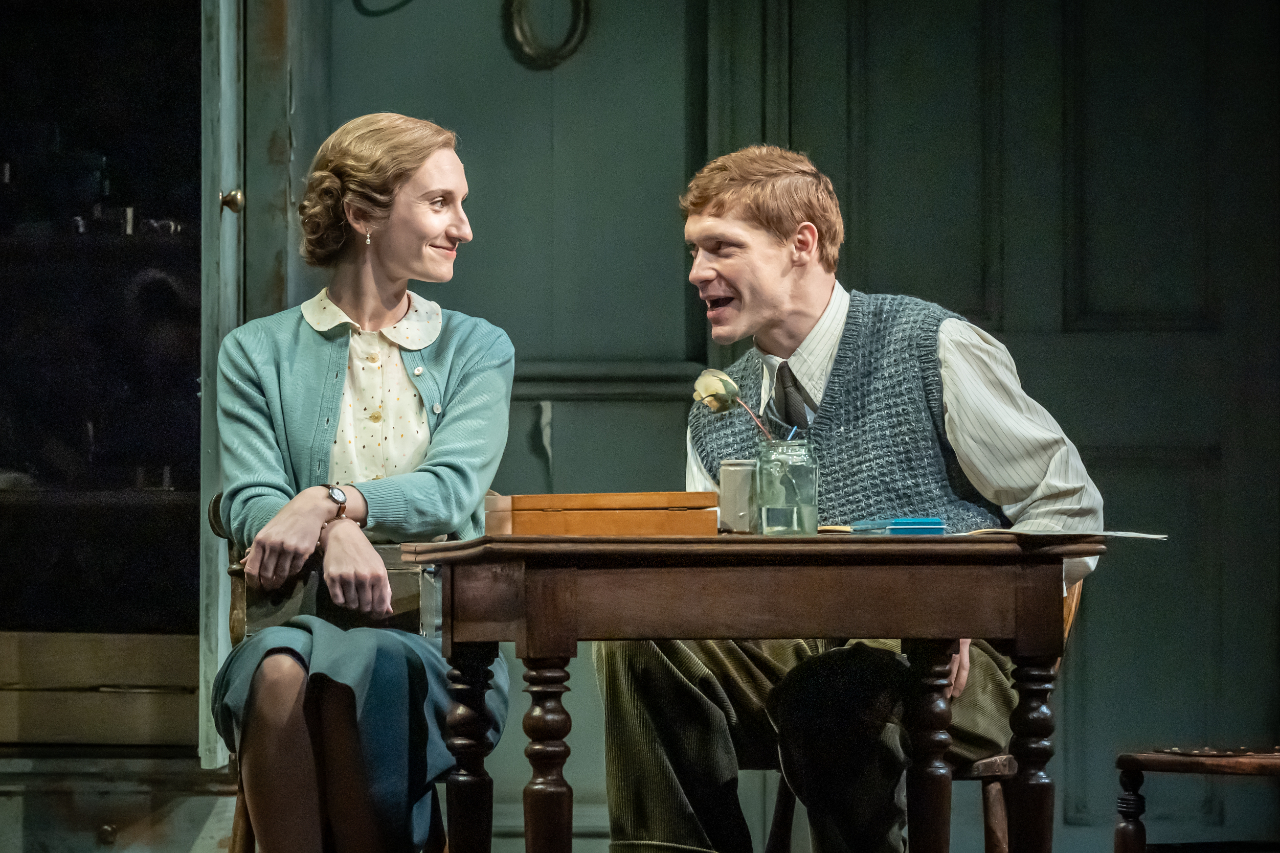
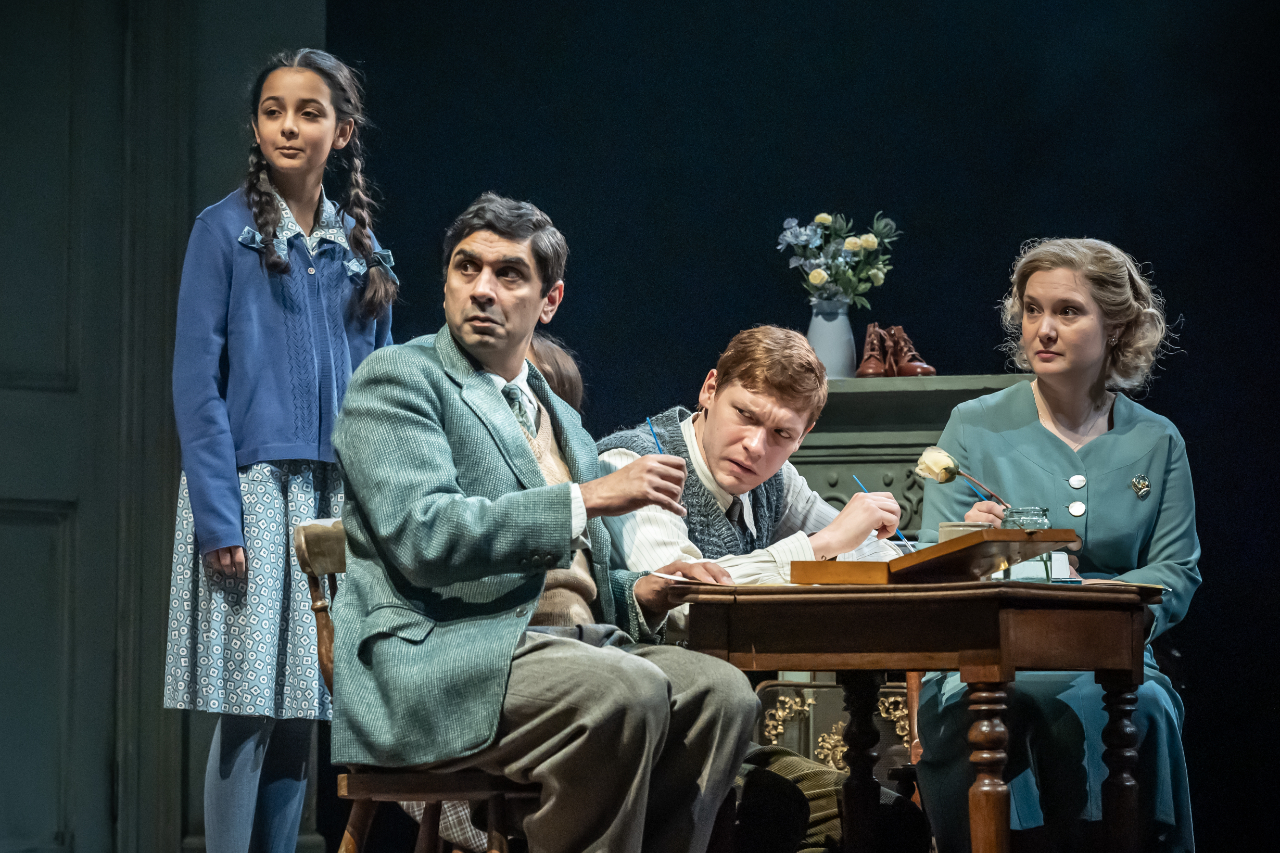
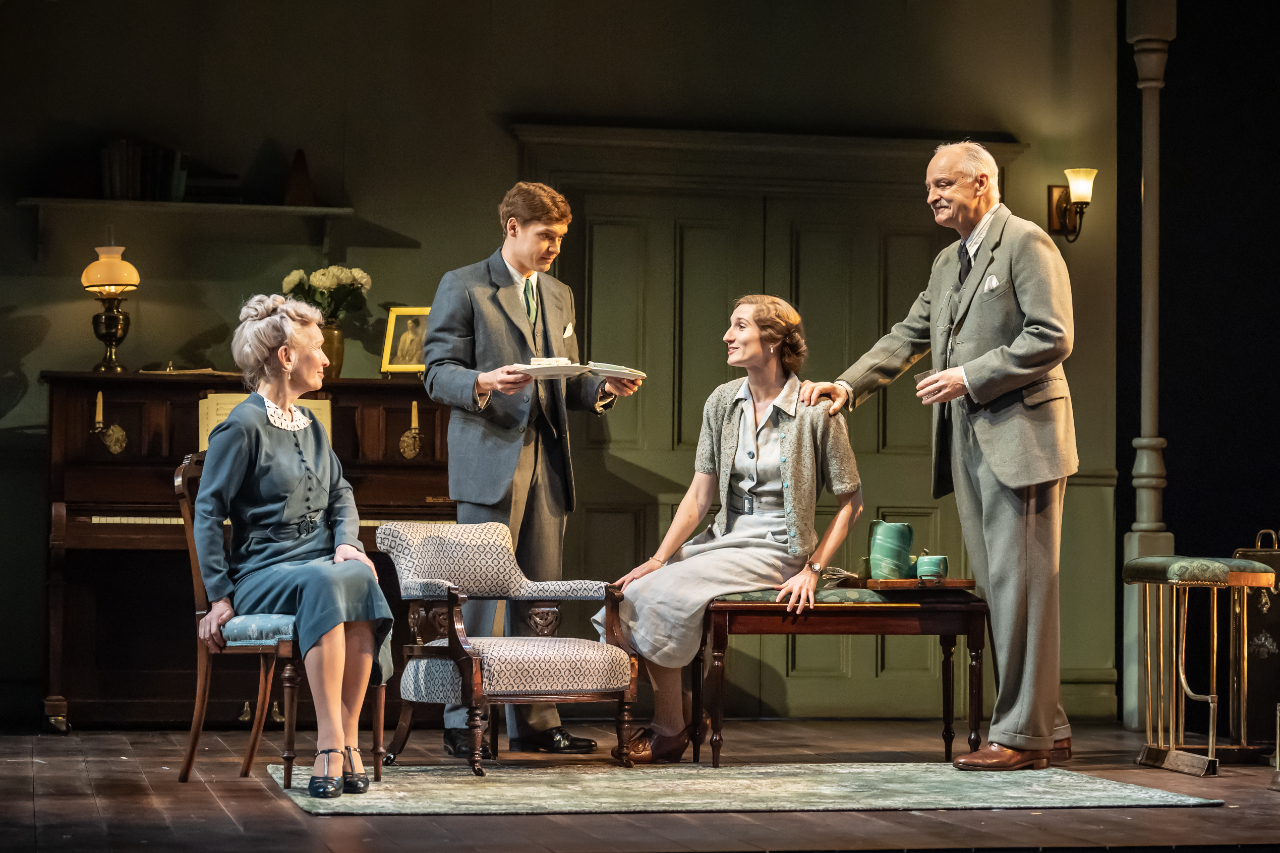
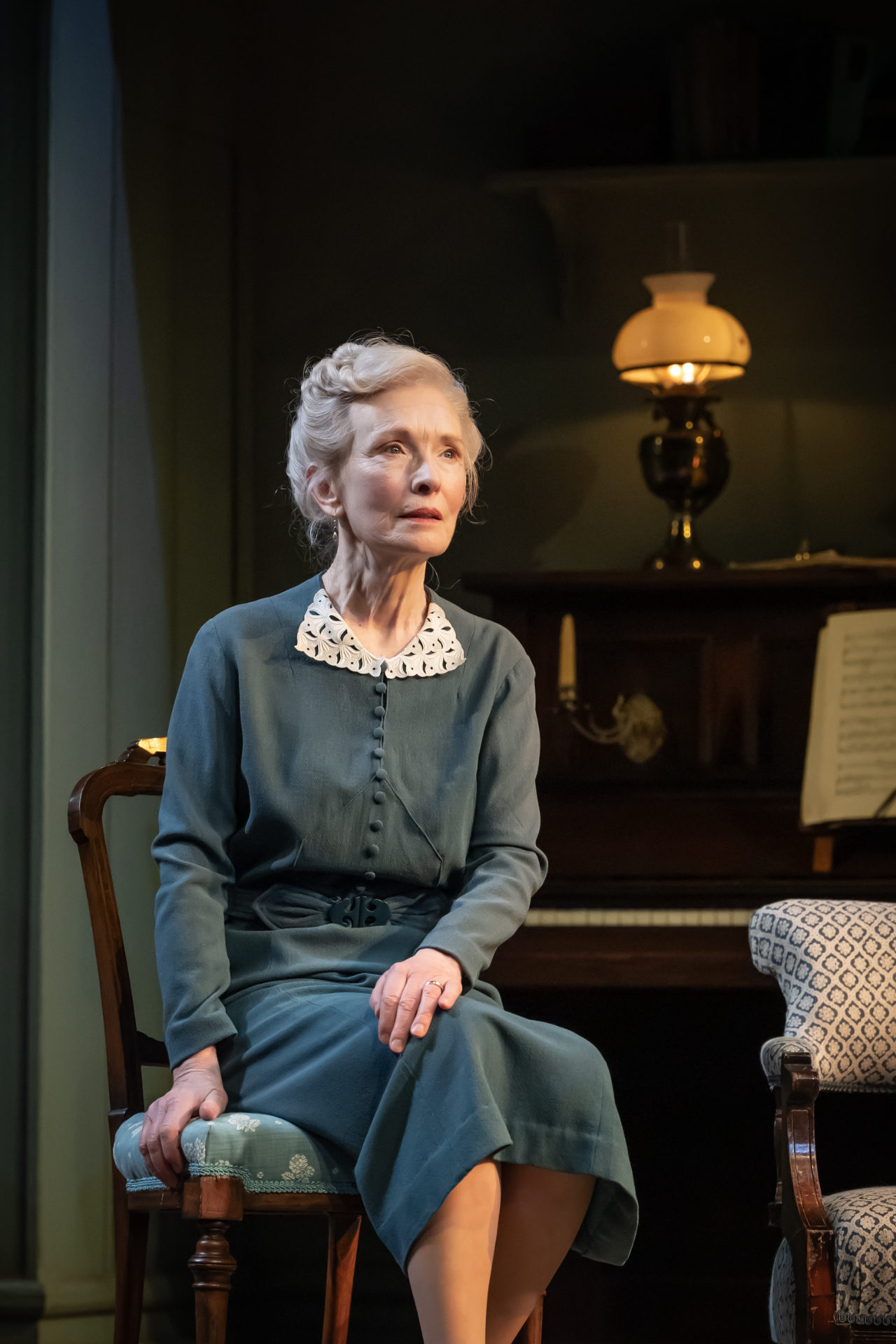
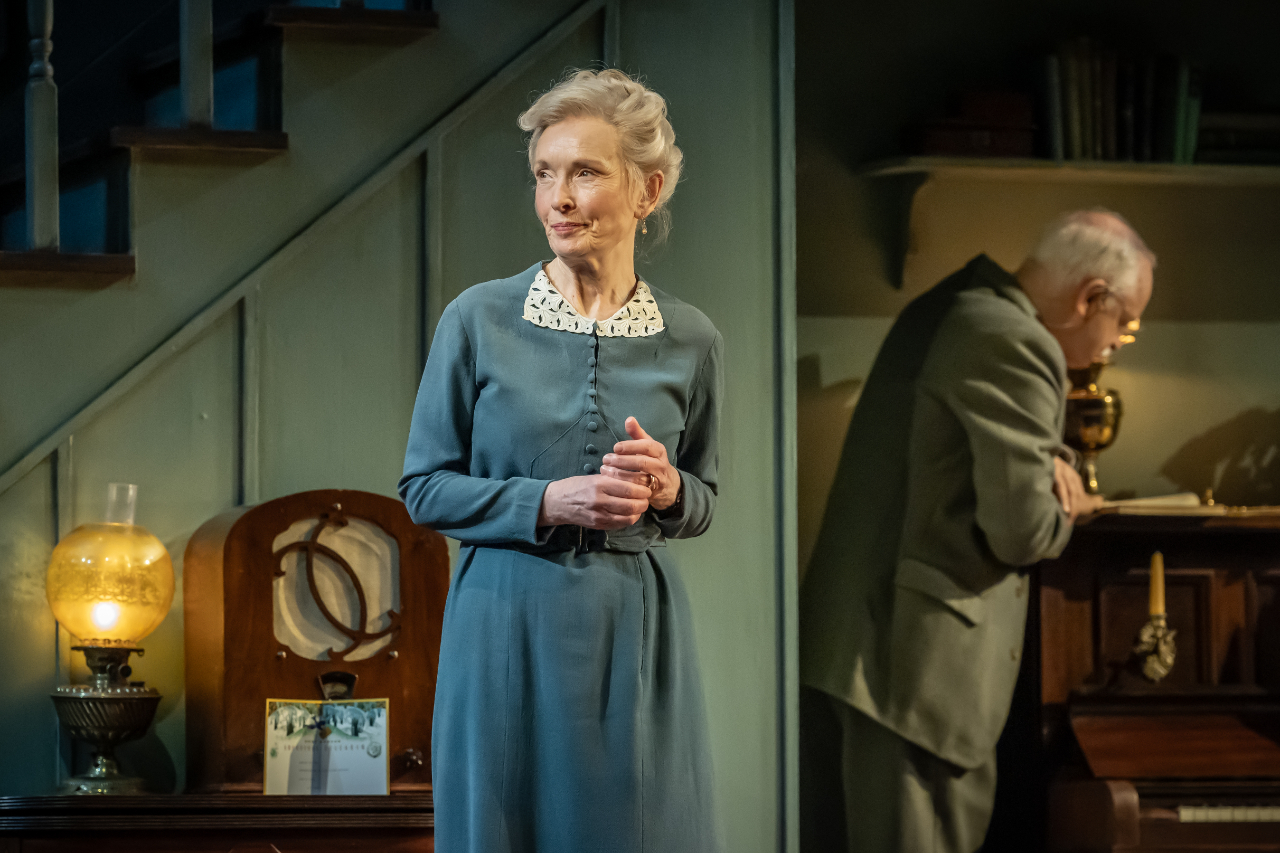
Set on the brink of World War II, the Randolph family gather in their family home for a weekend to celebrate the golden wedding anniversary of Charles (Malcolm Sinclair) and Dora (Lindsay Duncan), who cannot believe how quickly their returning children have become now middle-aged adults. The stage pulsates with the vibrancy of a bustling, multigenerational household, causing audience eyes to dart around trying to keep pace with the characters introduced and interactions unfolding. Watching the formidable matriarch Dora incessantly interrupt her guests with yet another chore elicits hearty laughter, as does Billy Howle’s performance as the maddeningly naïve Nicholas who is somehow the last to find out that he is in love with Fenny (played by Bridgerton star Bessie Carter).
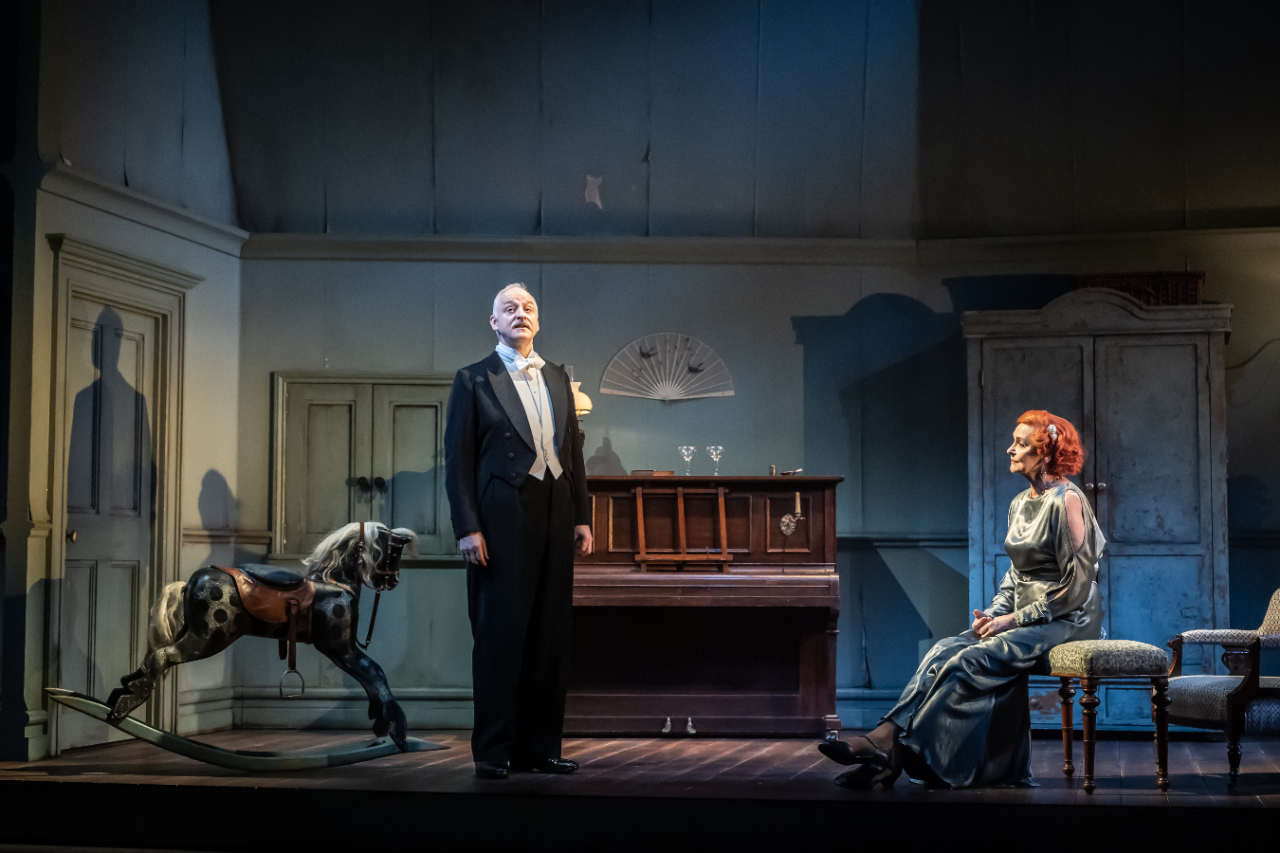
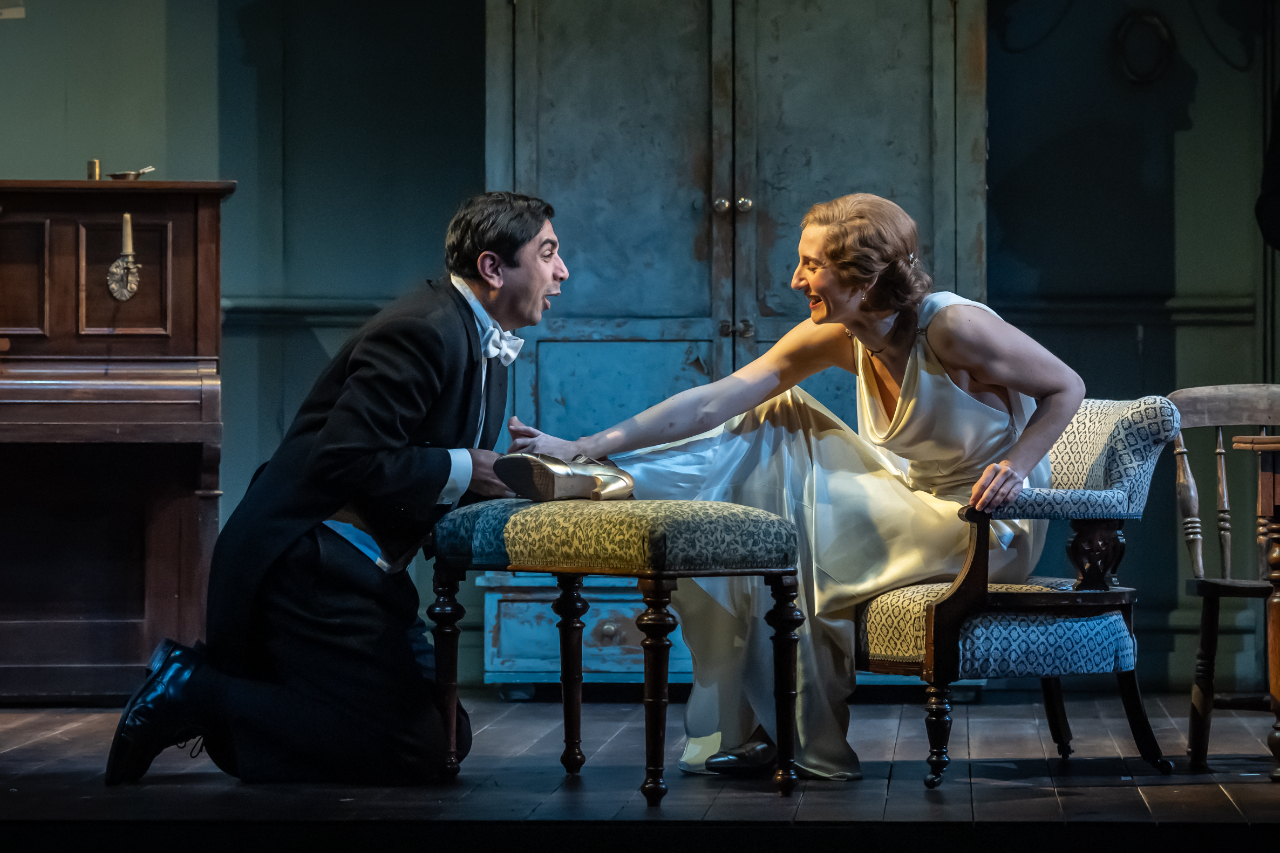
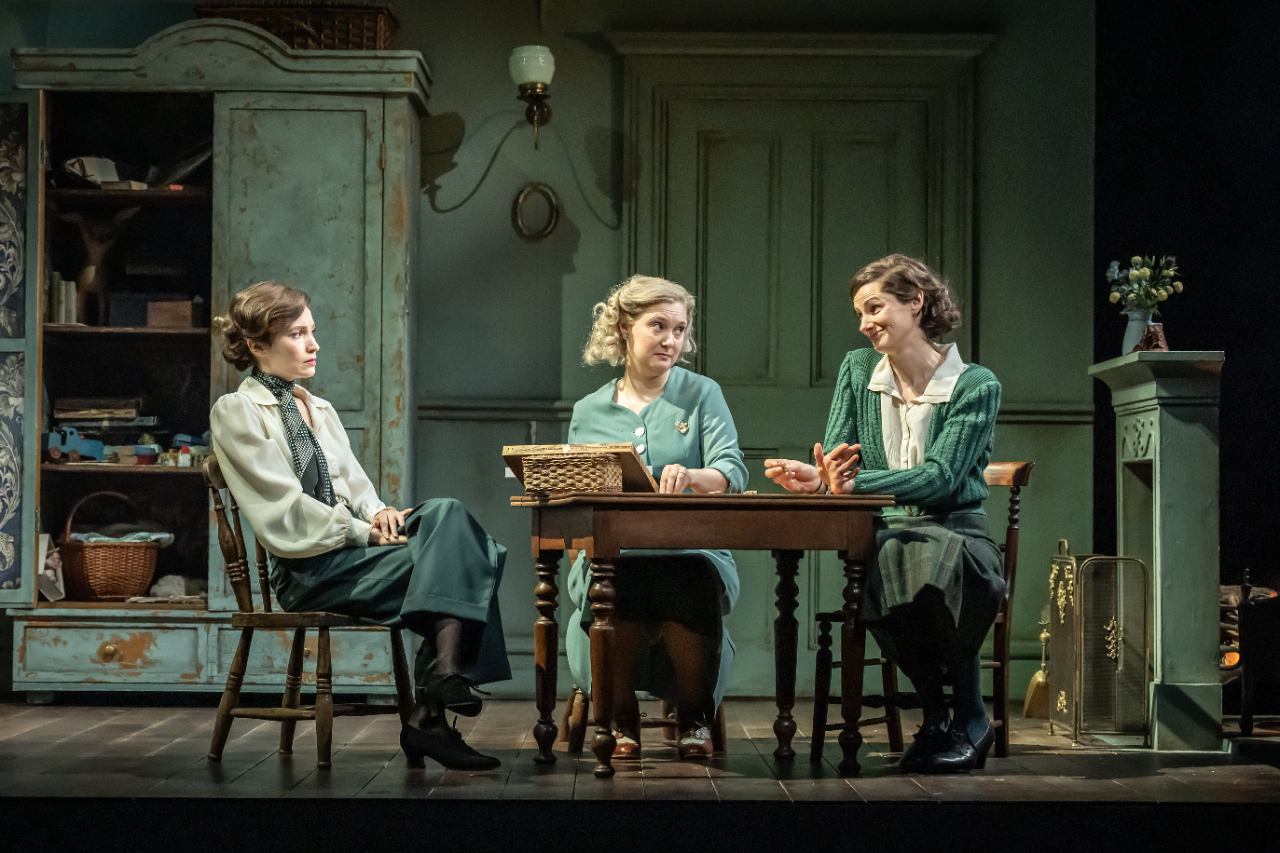
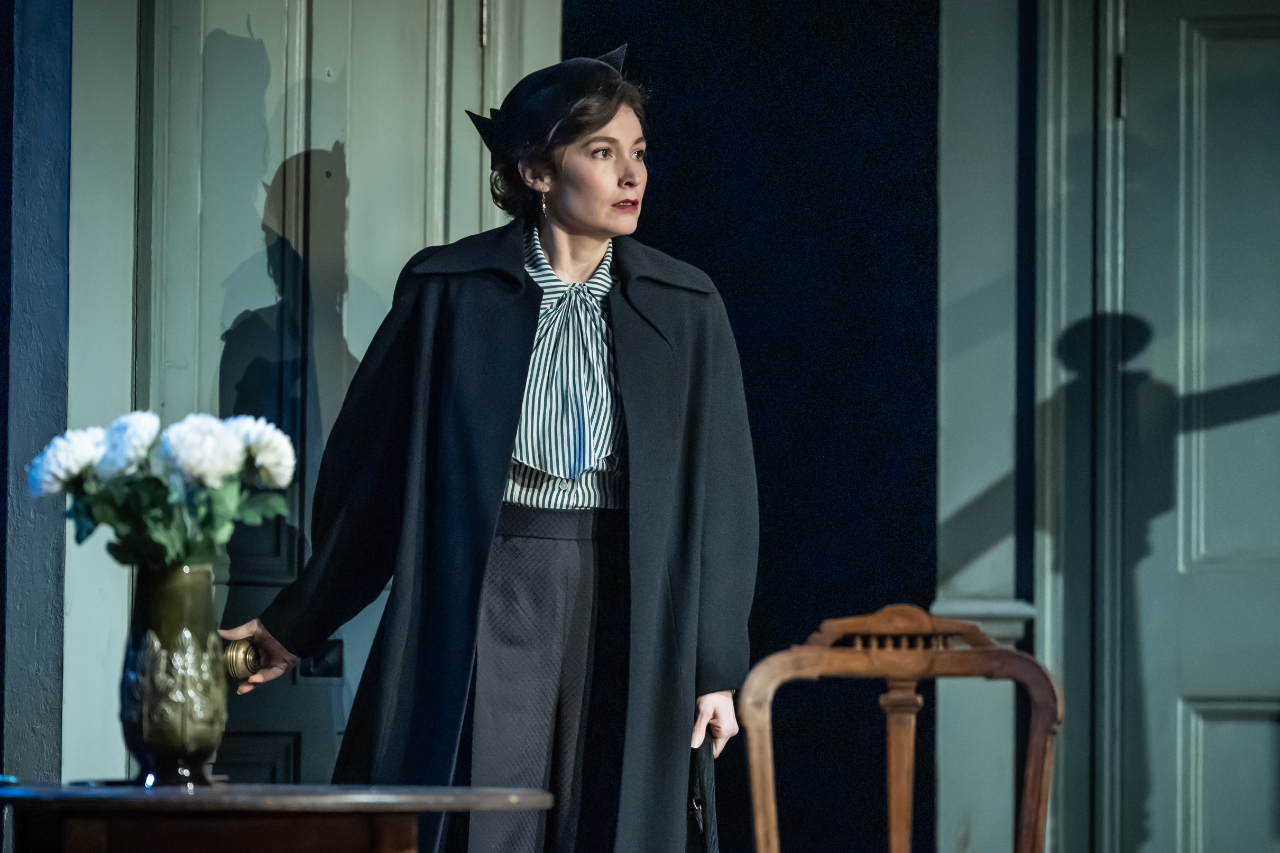
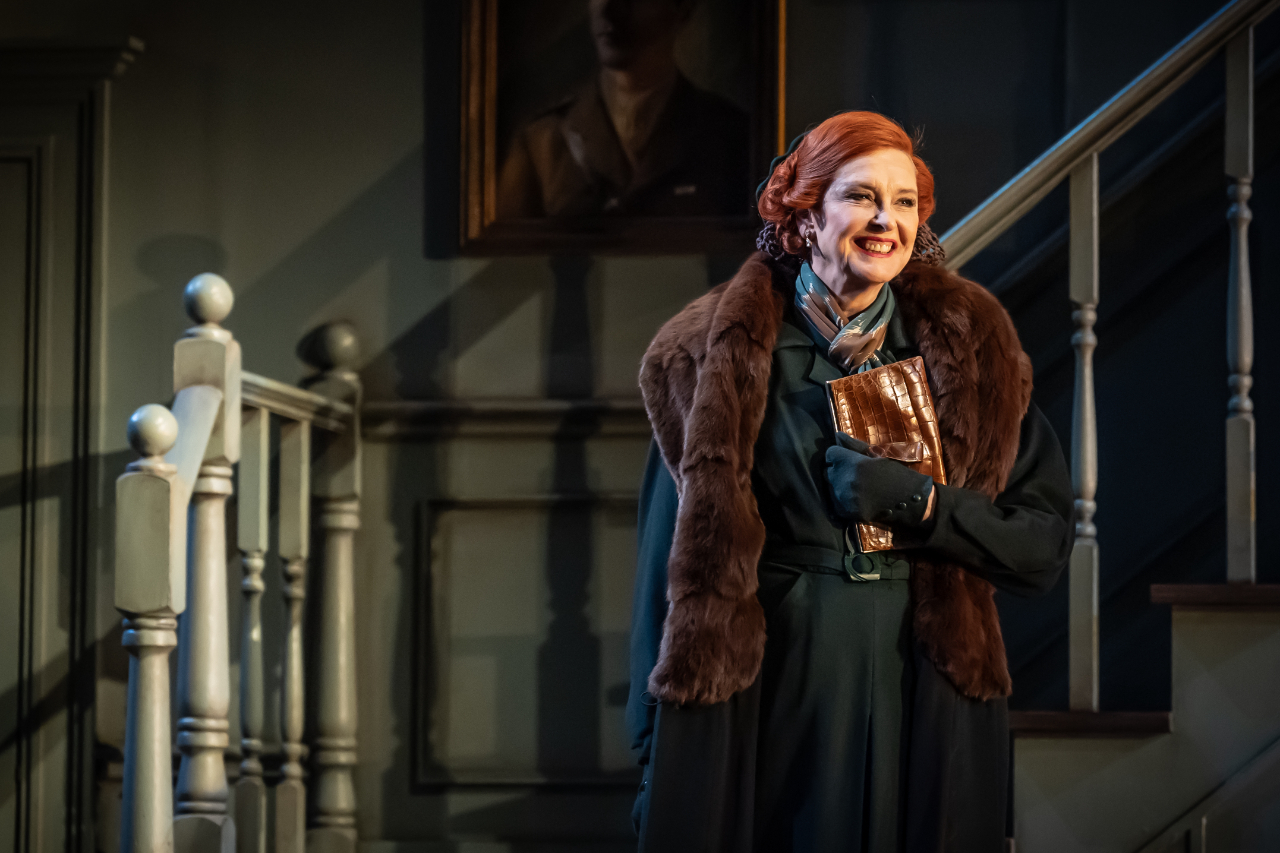
Burns’s production shines brightly on the women, each with her own unconventional trajectory: Margery (Amy Morgan) embodies the quintessential 1930s housewife who “lends” her husband Kenneth (Dharmesh Patel) to Fenny in a jealous arrangement and Hilda (Jo Herbert) is a driven businesswoman with OCD (her only incentive for considering marriage is having someone lock her doors so she can stop her repetitive checking). Meanwhile, Cynthia (Bethan Cullinane) returns after seven years, her absence shrouded in her clandestine affair with a married man. Their respective paths, regrets and mistakes are powerfully validated, resonating with audiences today just as strongly as they did decades ago. Also tackled at hand is the pervasive discontent with ageing amongst women. Kate Fahy as great-aunt Belle fervently resists age with hair dye and copious amounts of makeup, contrasting with Dora’s embrace of it. The play’s timeless relevance holds a mirror up to our social media-driven culture where anti-ageing products are relentlessly marketed to women.
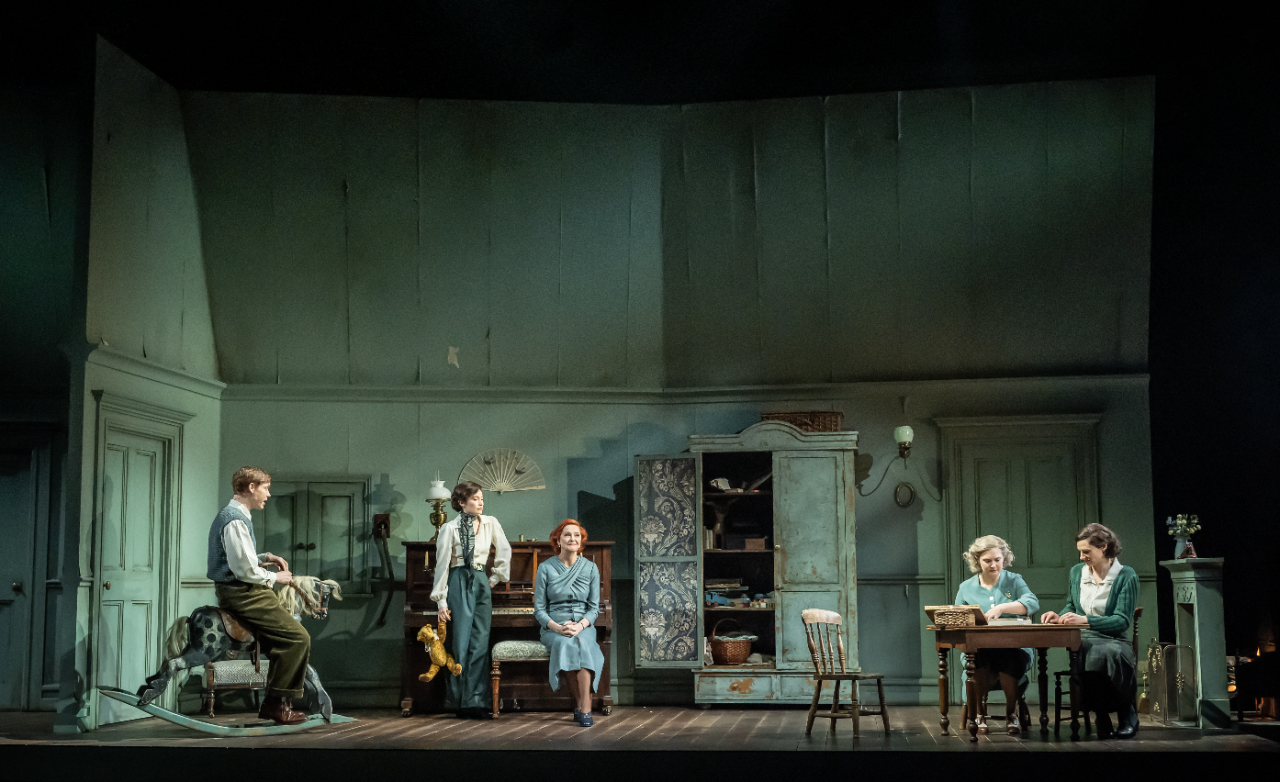
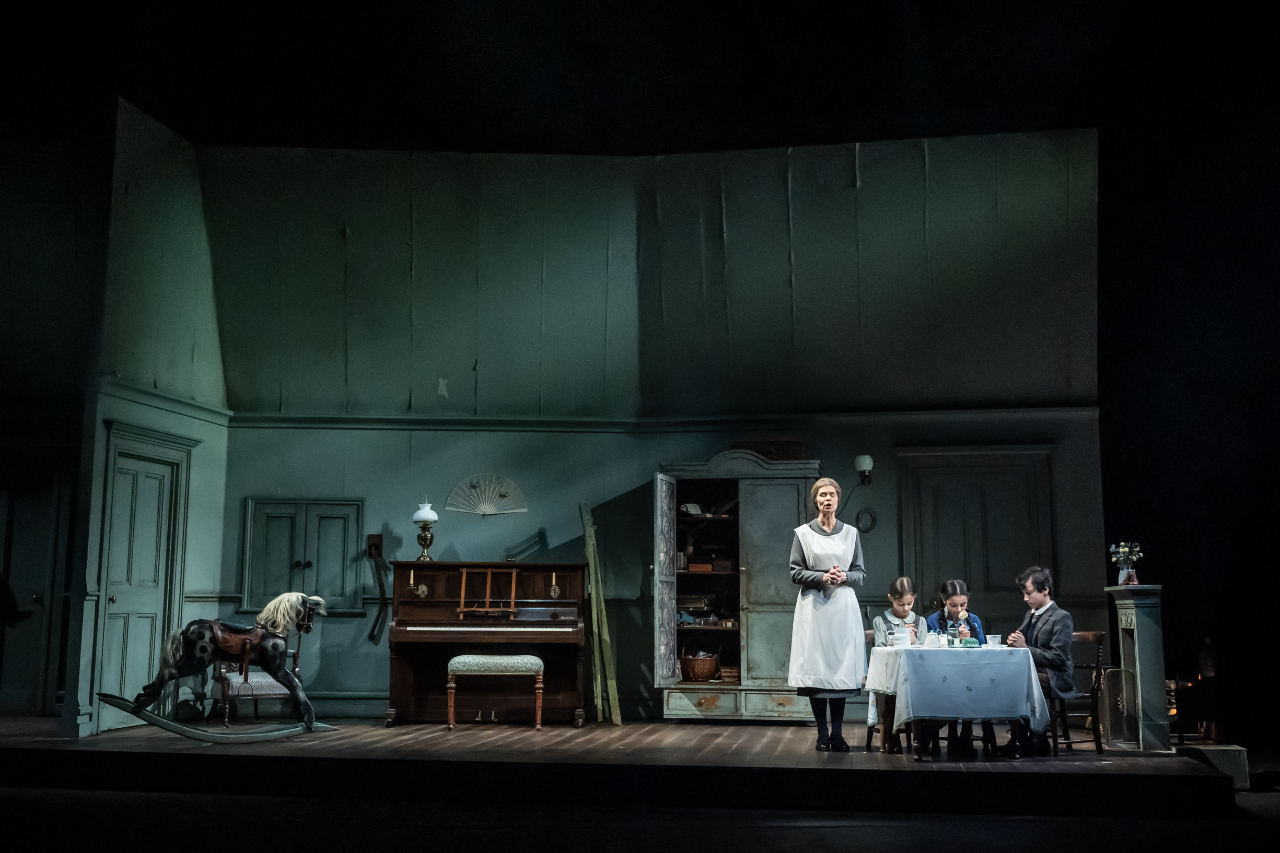
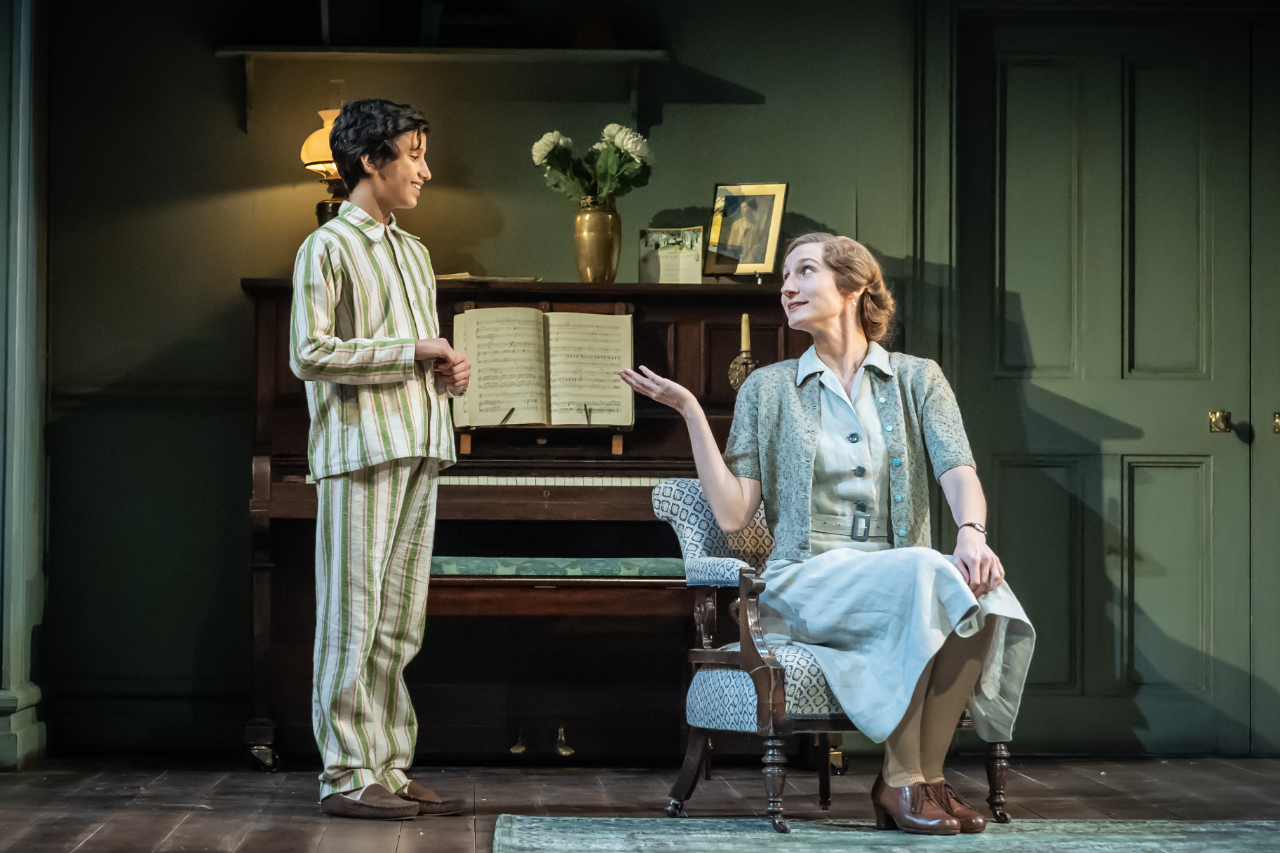
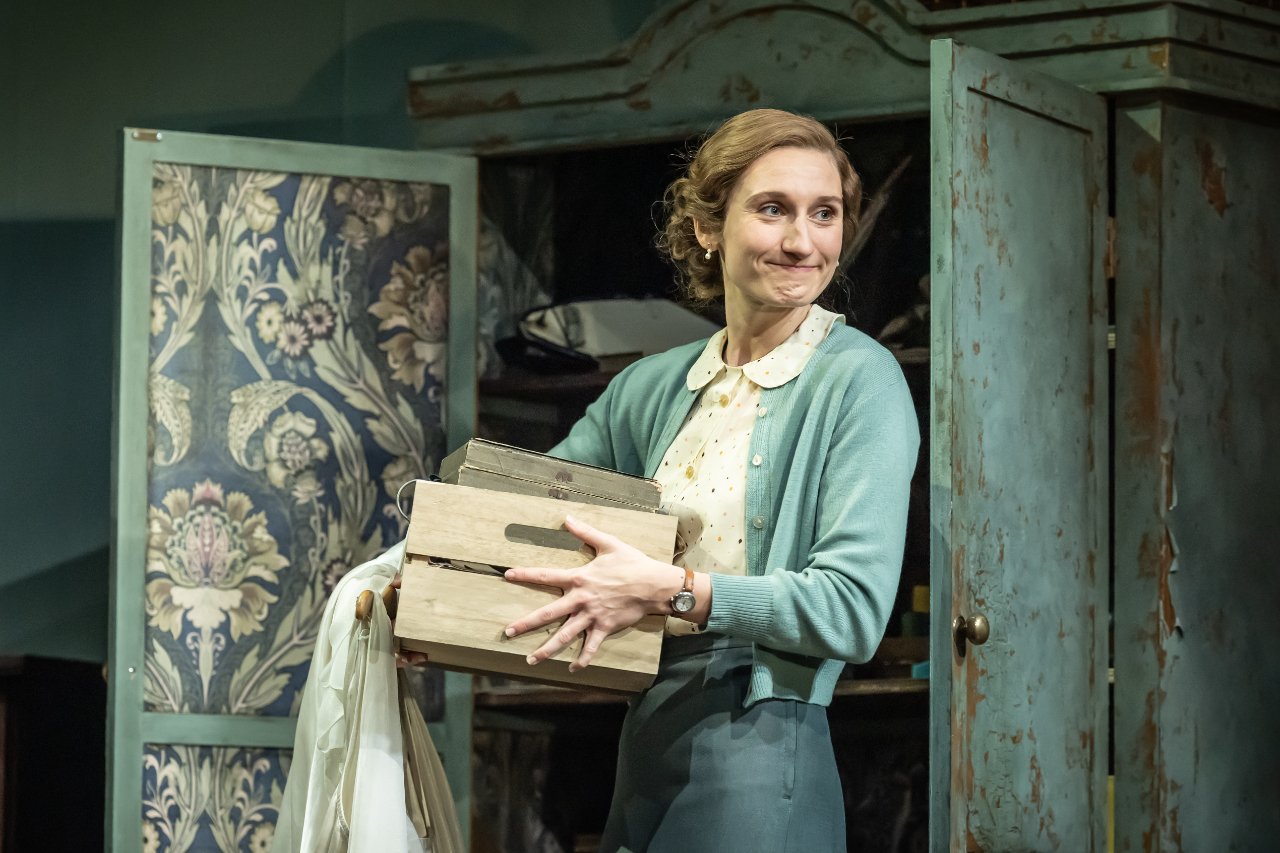
To preserve its quaint charms, Frankie Bradshaw ingeniously transforms the stage into a revolving 1930s living room characterised by faded greens and browns. “This room’s shrunk,” Cynthia remarks at one point, but it’s only really the people in it who have gotten bigger – beyond a physical regard. Death looms as a constant motif with portraits of great-grandparents overlooking the dinner table, and with frequent mentions of deceased siblings Peter and Nora, lost family members maintain a palpable presence onstage, kept alive by memories recalled and cherished.
Dear Octopus is sparse in plot, but is far from tedious, thanks to the remarkable ensemble of grandchildren whose bursts of timely comedy keep things lively from start to finish. The production asks us to confront the inevitable passage of time and life’s deeper anxieties of ageing, grief and loss, offering moments of levity to soften the impact. But beyond its message of a fated return to family, it’s also about returning to oneself and reconnecting with the pieces that never left the familiar walls of your childhood home.
Ruweyda Sheik-Ali
Images: Marc Brenner
Dear Octopus is at the National Theatre from 7th February until 27th March 2024. For further information or to book visit the theatre’s website here.

























Facebook
Twitter
Instagram
YouTube
RSS