
Much Ado About Nothing at Orange Tree Theatre
 17 August 2026
We return to the stately surroundings of Thomas’s College in Richmond, this time to complete the two-part saga of Orange Tree Theatre’s Love’s Labour’s Lost/Much Ado About Nothing double bill, having already braved a sweltering Saturday afternoon reviewing the former. The Upcoming commented that “Love’s Labour’s Lost does stand on its own merits” – does Much Ado About Nothing accomplish the same feat?
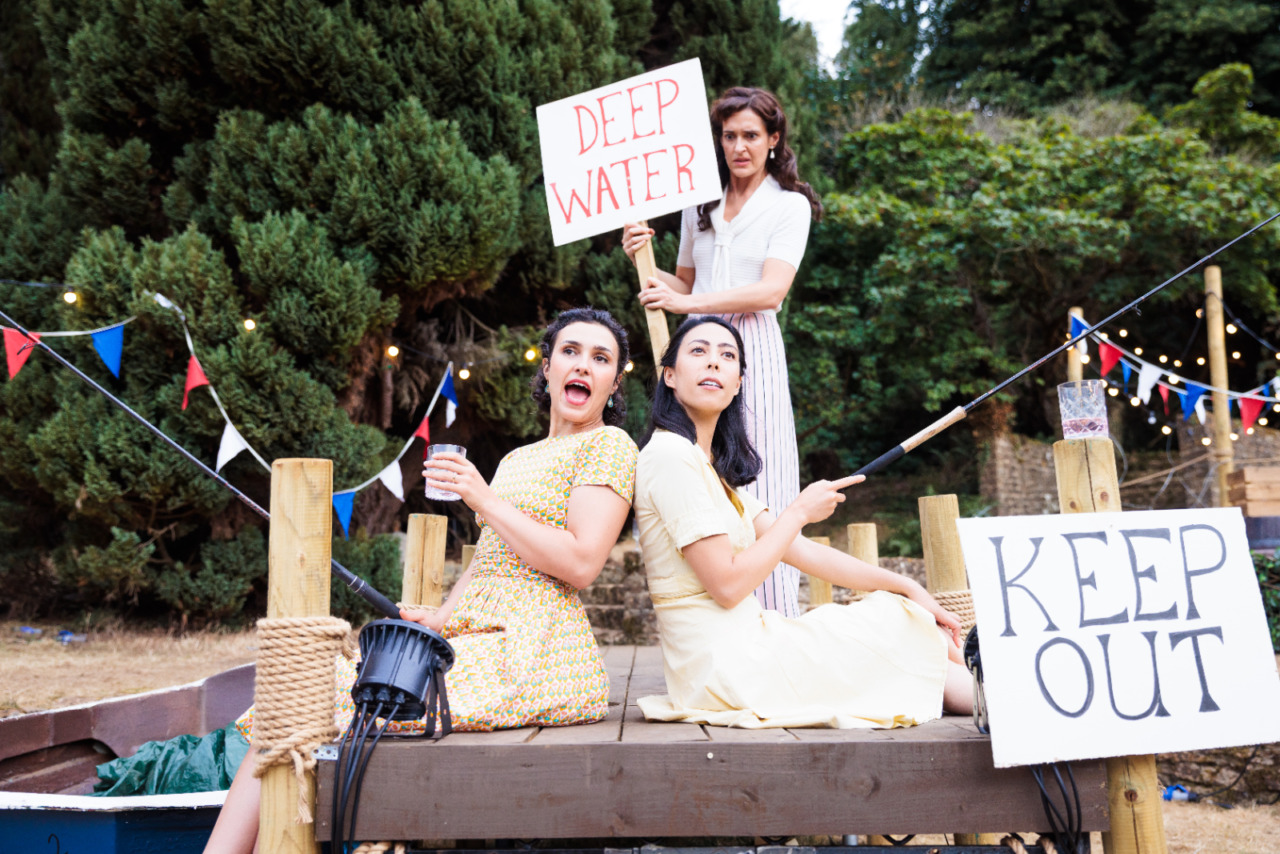
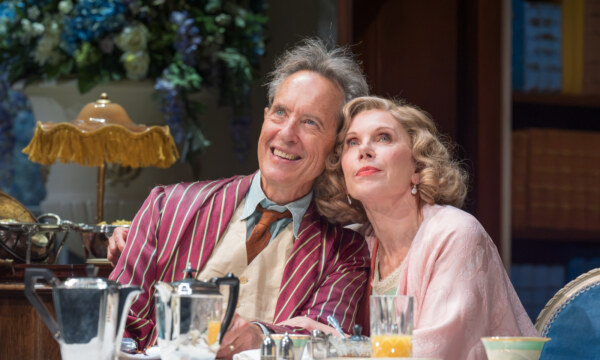
Director Tom Littler’s inspired decision to set both plays either side of WWII sees the cast returning to the English countryside of Love’s Labour’s Lost, now post-VE Day. The set remains mostly the same, although Neil Irish subtly dresses it with hints of wartime neglect before Leonata’s family arrive, followed by the Prince of Navarre et al back from active service and still in their uniforms. This version of “Messina” is a far more grounded setting for the audience than late-16th century Italy, complete with suitably evocative post-war costume design from Irish and Anett Black. Also, while …Lost was often punctuated by music from Matthew Floyd Jones, here this is used sparingly, such as during the Charleston sequences, allowing the dialogue’s wittiness to shine.
The scheming and sparring unfold with this cast wonderfully handling Shakespeare’s writing – while some of Shakespeare’s works can feel less accessible to modern audiences, the characters in this iteration take on easily identifiable archetypes. Dogberry is now Constable Dogberry, for example, with Matt Pinches deploying a thick West Country accent for full comic effect, and Robin Simpson’s Friar Boyet (carried over from the reverend character in …Lost) resembles a typical parish vicar.
Once again, James Sheldon’s Benedick is an outstanding highlight, still full of comic charisma but now tarnished somewhat by his experiences in the war. As Beatrice, Phoebe Pryce is delightful as his romantic foil, matching Benedick’s verbal jabs with ease and remaining unafraid to call out any nonsense. Hero herself says less than her counterparts, yet Joëlle Brabban expertly manages to portray the character’s rollercoaster journey of joy and betrayal in her expressions. With Claudio, Chirag Benedict Lobo takes a complicated character, easily swayed by jealousy, and leans into his headstrong tendencies; it may come off a little soap-opera, but for the plot’s dramatically large swings, it’s very fitting.
So yes, Much Ado About Nothing carries its own weight as a standalone play, with enough comedy and entertainment to enjoy by itself, especially from the two romantic leads. With Littler’s decision to make it a sequel to Love’s Labour’s Lost, however, the characters’ development and the shared timeline present a strong case for experiencing both productions together: the first play establishes these characters and their world, while the second shows them returning to it after six years of war.
Much Ado About Nothing is a triumphant production in its own right, with its connection to Love’s Labour’s Lost adding another layer of charm to this distinctly British take on Shakespeare – one the Bard himself would surely be proud of.
Gem Hurley
Photos: Courtesy of Orange Tree Theatre
Much Ado About Nothing is at Orange Tree Theatre from 1st until 22nd August 2026. For further information or to book, visit the theatre’s website here.
Watch the trailer for Much Ado About Nothing at Orange Tree Theatre here:














Facebook
Twitter
Instagram
YouTube
RSS