
Timestalker
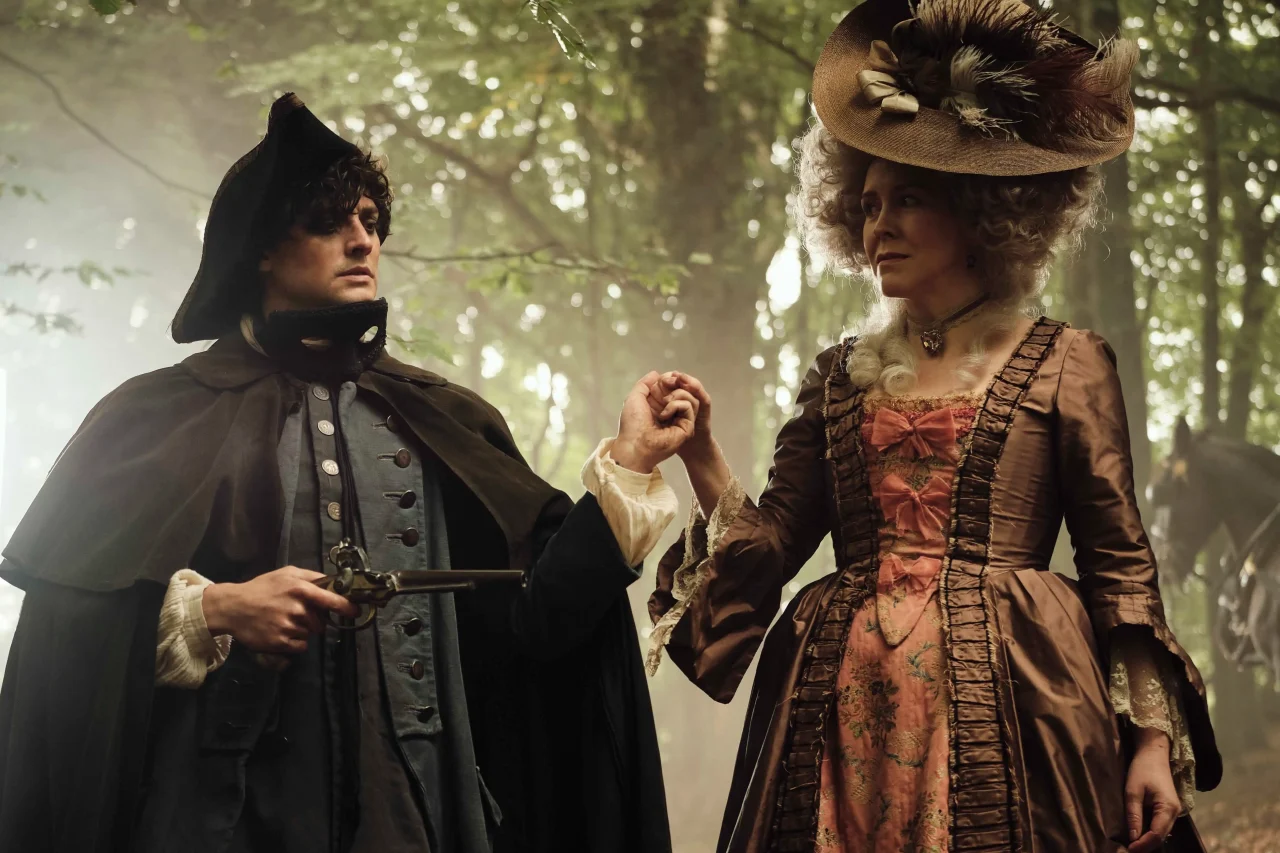


The riddle of reincarnation is the problem of repetition. No matter the place, no matter the age, no matter the body: the same thing will happen. You’ll make identical mistakes; you’ll fail to adapt to circumstances; you’ll meet a gruesome end. Alice Lowe (writer-director-star) skewers the trauma of time travel in this quippy and colourful picaresque that springs across the centuries – the 17th, 18th, 19th, 20th –following Agnes, a lovelorn woman chasing versions of a man (Aneurin Barnard) who doesn’t love her back. Agnes’s violent desperation to entrap her supposed soulmate identifies her as the “stalker” of the title, and, in WH Auden’s words, “If equal affection cannot be / Let the more loving one be me.” Heads might roll, in this case.
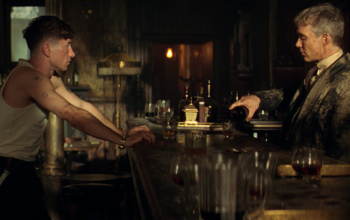
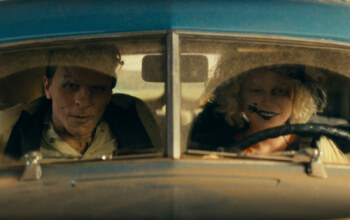
Lowe’s previous and first film Prevenge (2016) situated comedy in the slasher genre; Timestalker retains this dry, pugnacious humour and feeds it into romance, period pastiche and fantasy. Across the epochs, Agnes embodies a range of figures: a peasant, a queen, Cleopatra, and most tragically, a wild-eyed fan of the New Romantics. In each era, she’s pursued by a repertory band of players who channel specific types: the villainous male admirer (Nick Frost), the arch witness and sage (Jacob Anderson), the unsung amour (Tanya Reynolds). These broad performances create a prevailing atmosphere of irreverence and unease. Character tics recur from one time to the next: the animal growls of a belligerent king, in striking sonic sequences, echo in the present.
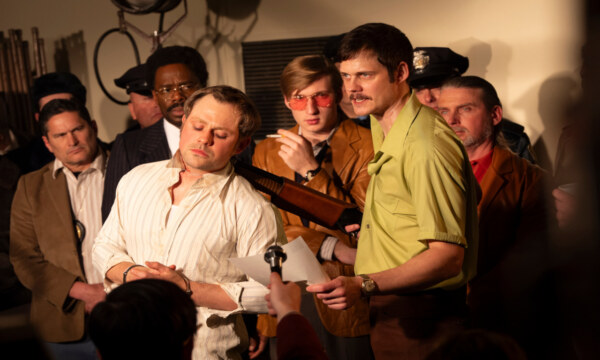
Lowe is a stronger performer and writer than director. She amusingly dovetails between appearing doe-eyed and deadpan, while the jokes are sharp and the split-second time-hops suggestive. The umpteen dialogue scenes display little flair for choreography or blocking, but visual interest is provided by Felicity Hickman’s painstaking production design, which captures the lurid reds, pinks and purples of 1793, as much as it does of 1980. While sweary retorts and grotesque demises pockmark the narrative, Lowe maintains chords of pathos. The dominant feature of repetition is melancholy, after all: the sadness drawn from unbreakable habits. It recalls Virginia Woolf’s aeon-spanning novel Orlando, whose protagonist also carries their experience across every age, before “it took her and broke her, and she was aware of her defeat at its hands as she had never been before”. It’s worth noting that was a comedy, too.
Joseph Owen
Read more reviews from our Locarno Film Festival coverage here.
For further information about the event visit the Locarno Film Festival website here.










Facebook
Twitter
Instagram
YouTube
RSS