
The Wolf of Wall Street vs The Big Short: Two wild takes on Sall Street
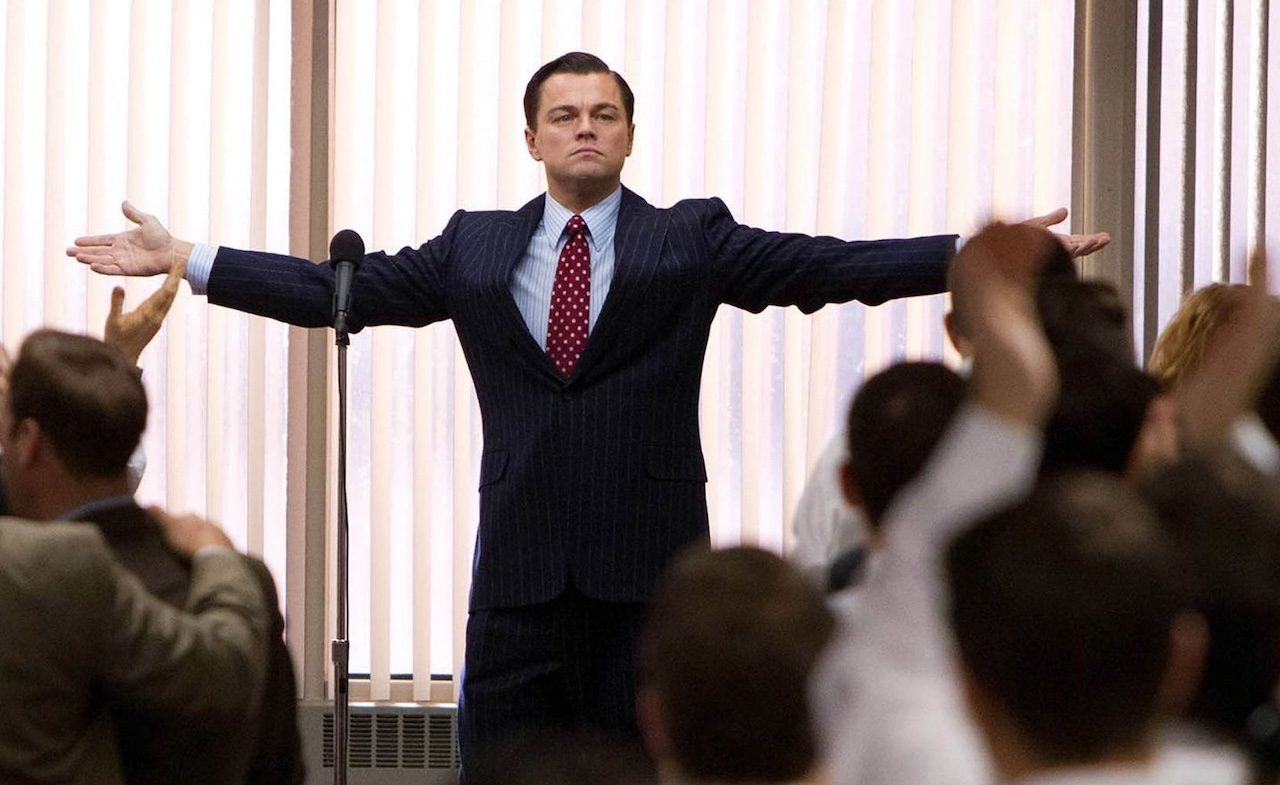

Hollywood has produced many films about finance, but few have captured public imagination quite like The Wolf of Wall Street and The Big Short. This article explores how each film portrays the culture, risks, and realities of Wall Street, and why they remain two of the most compelling financial dramas of the modern era.
How each film frames the world of high finance
Both films dive into the chaotic, high-pressure environment associated with America’s financial hub. Early on, viewers are introduced to the Wall Street meaning that shapes both narratives: a place of immense opportunity, intense ambition, and at times reckless excess.
Yet each film approaches the subject from a very different angle. The Wolf of Wall Street is flamboyant, fast-paced, and unapologetically indulgent, while The Big Short takes a more analytical, almost documentary-style approach to expose the inner workings of the 2008 financial crisis.
The Wolf of Wall Street focuses on individual behaviour and moral decay within a deregulated environment. It portrays brokers as characters chasing quick wealth through questionable tactics, dramatized through Martin Scorsese’s trademark energy.
In contrast, The Big Short, directed by Adam McKay, explores systemic failure. It shows how complex financial products, ignored warnings, and widespread denial contributed to an economic collapse that affected millions. Together, they provide a fascinating contrast between personal greed and structural vulnerability.
Tone, style, and storytelling: Wild vs wry
The most striking difference between the films lies in their tone. The Wolf of Wall Street is loud, absurd, and deliberately provocative. It exaggerates the world of boiler-room stock selling to reflect the outrageous behaviour of Jordan Belfort and his colleagues. The characters operate in a universe where restraint barely exists. Their parties, spending habits, and questionable decisions are brought to life with bright colours, quick editing, and relentless humour.
Meanwhile, The Big Short adopts a more grounded, educational tone. It recognises that mortgage-backed securities and credit default swaps are not inherently cinematic, so it blends comedy with clever storytelling devices.
Celebrities explain technical concepts directly to the audience, breaking the fourth wall in a way that makes complex finance more accessible. This combination of dry wit and sharp commentary allows the film to criticise the financial system while keeping viewers engaged. Its humour is understated rather than chaotic, matching the sobering nature of its message.
Characters and morality: Anti-heroes and reluctant visionaries
Jordan Belfort, played by Leonardo DiCaprio, is an unrepentant anti-hero who revels in his own destructive behaviour. The film does not excuse his actions, but it does showcase his charisma, making him compelling to watch. The moral landscape in The Wolf of Wall Street is blurred; characters rarely question their choices until the consequences arrive. This ambiguity mirrors the ethical challenges of high-pressure sales environments, where success often overshadows responsibility.
In contrast, The Big Short centres on individuals who spot a crisis long before the rest of the market. They are not traditional heroes, yet they are not villains either. Characters such as Michael Burry, Mark Baum, and the team led by Charlie Geller and Jamie Shipley grapple with the uncomfortable realisation that betting against the housing market means profiting from economic catastrophe.
Their unease gives the film its emotional weight. Unlike Belfort, they are self-aware, conflicted, and motivated by a desire to expose wrongdoing, even if personal gain is part of the equation. The result is a more morally complex and introspective narrative.
What each film says about financial culture
The Wolf of Wall Street suggests that financial excess is driven by ego, thrill-seeking, and a belief that rules are optional. It highlights how persuasive leaders, combined with lax oversight, can create environments where unethical behaviour becomes normal. The film’s emphasis on sales culture, manipulation, and greed reflects longstanding criticisms of aggressive brokerage firms.
The Big Short, however, focuses on systemic issues rather than individual misconduct. It argues that the crisis was not the result of a few rogue traders but a flawed financial structure built on risky loans, inaccurate credit ratings, and widespread complacency. Banks, regulators, and investors all played a role in enabling the bubble. By illustrating how ordinary Americans suffered the consequences, the film underscores the human cost of financial mismanagement. Its message is clear: when the system fails, real lives are affected far beyond Wall Street boardrooms.
Why these films still resonate today
One reason both films remain influential is their ability to mix entertainment with insight. The Wolf of Wall Street captures the seductive nature of wealth and the dangers of unchecked ambition. Viewers may laugh at its outrageous moments, but the underlying message is serious: when money becomes the only goal, ethics often erode.
The Big Short resonates because it reflects a crisis that many people lived through. Its explanation of complex financial mechanisms helps audiences understand how the global economy became vulnerable, and why better regulation and transparency remain essential. In a world where financial markets continue to evolve rapidly, the film serves as a reminder that oversight and accountability matter.
Conclusion
While The Wolf of Wall Street and The Big Short both explore the world of finance, they do so from completely different angles. One is a wild, character-driven tale of excess. The other is a sharp, educational examination of systemic collapse. Together, they offer a compelling, balanced perspective on Wall Street’s culture, its risks, and its far-reaching influence. Their contrasting styles ensure that both films continue to engage and inform audiences, reminding viewers that behind the glamour and complexity of finance lie decisions that shape economies and lives alike.
The editorial unit





















Facebook
Twitter
Instagram
YouTube
RSS