
“I want to be political because we’re living in a time that calls for conscience – and for political films”: Ilker Çatak on Yellow Letters at Berlinale 2026
 22 February 2026
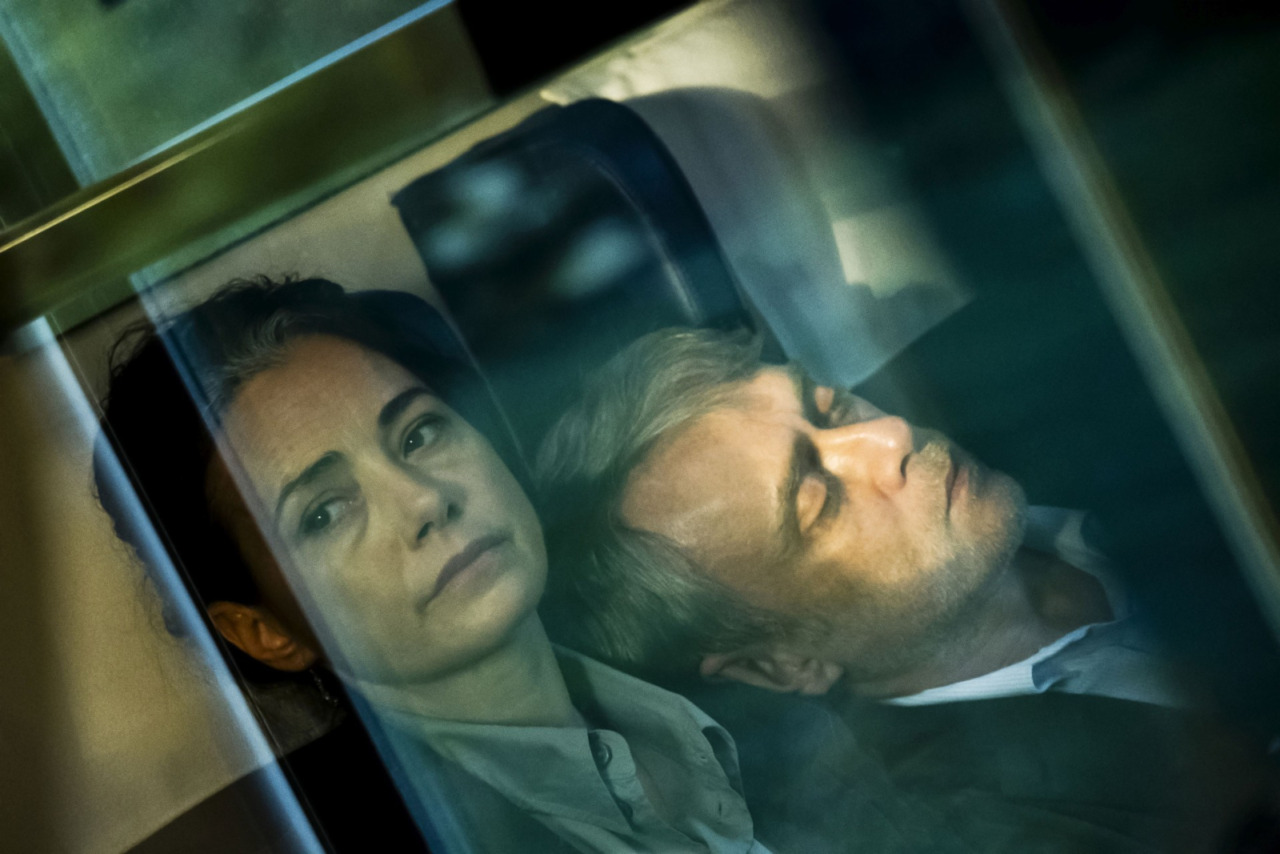
Powerful drama, Yellow Letters, has captivated audiences and critics alike, securing the prestigious Golden Bear at the Berlinale 2026. This culturally resonant film, directed by German-born Turkish filmmaker İlker Çatak, boldly presents its setting as “Berlin as Ankara”, where the German capital stands in for its Turkish equivalent, exploring a compelling narrative of authoritarian crackdowns. The story delves into the intimate consequences for a well-to-do couple facing unjust dismissals and persecution for perceived political dissent, highlighting how state mechanics are weaponised on a personal level. We had the opportunity to speak with the director during the festival about his acclaimed work.
Why did you decide to make Yellow Letters now, and what inspired its focus?
As an artist, you’re always seeking your most compelling story. After 2020, I reached a point in my career where I wanted to challenge myself, to risk more by tackling complex and political subjects. Through research and conversations with people who had been unjustly dismissed, we developed this narrative. My core interest was always how politics divides families, focusing on the human impact rather than just the systemic issues.
Was the film’s ambiguity regarding the characters’ “crimes” and the “Berlin as Ankara” setting a deliberate choice?
Yes, ambiguity is crucial to my storytelling. I seek scenarios where every character has a valid point, as this creates the most interesting dilemmas. The idea for the “Berlin as Ankara” title cards came from my co-writer Enis Kesteloot. He suggested we explicitly state the setting as a character, much like a film might describe music or a city as a character. It was a creative gamble, and to me, filmmaking should always involve taking risks.
Was it impossible to make this feature in Turkey?
While shooting in Turkey would have been possible, financing it from there was not. The decision to make it in Germany was an artistic one. I wanted to critique the tendency in the West, particularly in Germany, to point fingers at other nations without self-reflection. By showing parallels to 1933 and the current rise of right-wing parties, I wanted the audience to reflect on their own society, rather than just feeling comfortable.
The movie features various flags, including Ukrainian. What is the significance of this universal representation?
You’ll see many flags in the film – LGBTQ, Ukrainian, Kurdish, Palestinian. This isn’t about specific countries, but about “the war” as “many wars”. We deliberately kept it abstract because I didn’t want the film to be tied to a particular time or conflict. This approach makes it universal, allowing people from different backgrounds to connect with it from their own perspectives, which was a key creative decision.
What was the most challenging aspect of the shoot?
There were many difficulties, including managing a large cast of around 60 actors with dialogue and complex logistics. I was also personally exhausted, having just come off the Oscar campaign. Coordinating between a German crew and Turkish actors, often translating everything myself, felt like running my mind on “double CPU”. However, my deep belief in the film and its message made the immense effort worthwhile.
Could you elaborate on the casting of Özgü Namal and Tansu Biçer?
Both are incredible theatre actors. I’ve admired Özgü Namal since I was 15; she became a huge star in Turkey before retiring. My casting director suggested her, and despite her retirement, she agreed to return for this project, feeling it was the right fit. Tansu Biçer is also an amazing talent. Their chemistry was immediate and undeniable. I trusted them completely, giving them freedom to shape their roles, which is a testament to their professionalism – a quality not always recognised enough in Western media for actors outside its direct purview.
What’s your opinion on films being political, and are there limits to this?
I don’t believe there are limits, but it’s a personal choice for every artist. I choose to be political because I see a world that desperately needs political conscience and political films. Our brains are constantly being “hacked” by endless digital distractions, preventing political engagement. I also felt the criticism levelled at a veteran director at a festival press conference for his nuanced answer to a complex political question was unfair, highlighting the unhealthy and reductive nature of much online communication.
Beyond authoritarianism, what other issues does the film explore?
The film touches on various issues: artistic expression, patriarchy (for example, a husband’s control over his wife’s artistic choices), and wider societal dilemmas. My aim is to place these complex topics in the room for discussion, to spark dialogue rather than provide definitive answers.
How much improvisation did you allow your main actors?
I allowed my main actors a great deal of freedom, viewing them as “Lionel Messis” of acting. My role was to provide a solid script and a trusting environment, enabling them to do their art. I don’t interfere with how they achieve their performance; they are virtuosos. However, for non-professional actors, improvisation is managed more tightly, as it’s a specific craft.
Do you generally prefer working with stars or a mix of talent?
I don’t necessarily require stars, but in this case, I was fortunate to work with Özgü Namal, who is a major star in Turkey, and Tansu Biçer, who is also highly respected. While not essential, having stars certainly helps a film gain more exposure.
How did you achieve the film’s unique visual design, creating an “illusion of Turkey” within Germany?
It involved identifying existing Turkish elements within Germany and framing them carefully to bring that illusion to life. Crucially, I also deliberately included German elements to create a sense of “irritation” or disorientation for the audience. This approach draws from Brecht’s epic theatre, inviting viewers to actively engage with the narrative and reflect on their immediate surroundings.
What dialogue do you hope Yellow Letters sparks among audiences?
I hope it prompts a discussion about what we, as artists, as humans, and as citizens, would do if we found ourselves in the challenging situations faced by the characters. I don’t know what my own actions would be, but I’m truly curious to hear how others would respond.
Have you ever received state financing from Turkey for your films?
No, I’ve never received financing from Turkey, largely because I’ve never applied. While some prominent directors do receive Turkish funding, I feel it would be inappropriate for me to take those limited resources when I have access to Germany’s robust financing system.
What is the role of religion in the film, particularly the scene in the mosque?
Historically, institutionalised religions acted as early forms of the state, making laws and governing. Today, I often see them functioning more like economic and political unions. The mosque scene, for example, emphasises networking and money, suggesting that for institutions, religion can be a capitalistic union. While individual faith is personal, the institutionalised view of religion, to me, leans heavily towards politics and economics.
Do you believe Yellow Letters will be easily shown in Turkey, considering past government interference with film festivals?
I would be surprised if it wasn’t. There’s significant interest in the film, partly due to the involvement of Turkey’s biggest star. In my view, the film is not an accusation against the system; it’s a family story and an invitation for dialogue. I believe it’s presented in a way that makes a ban unlikely.
Laura Della Corte














Facebook
Twitter
Instagram
YouTube
RSS