
Summerfolk at the National Theatre


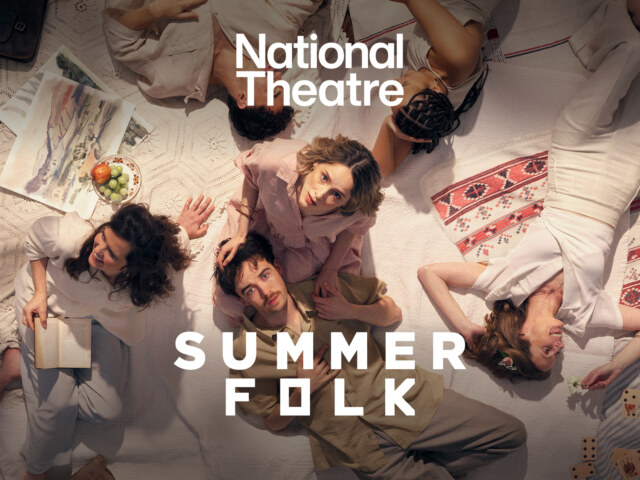
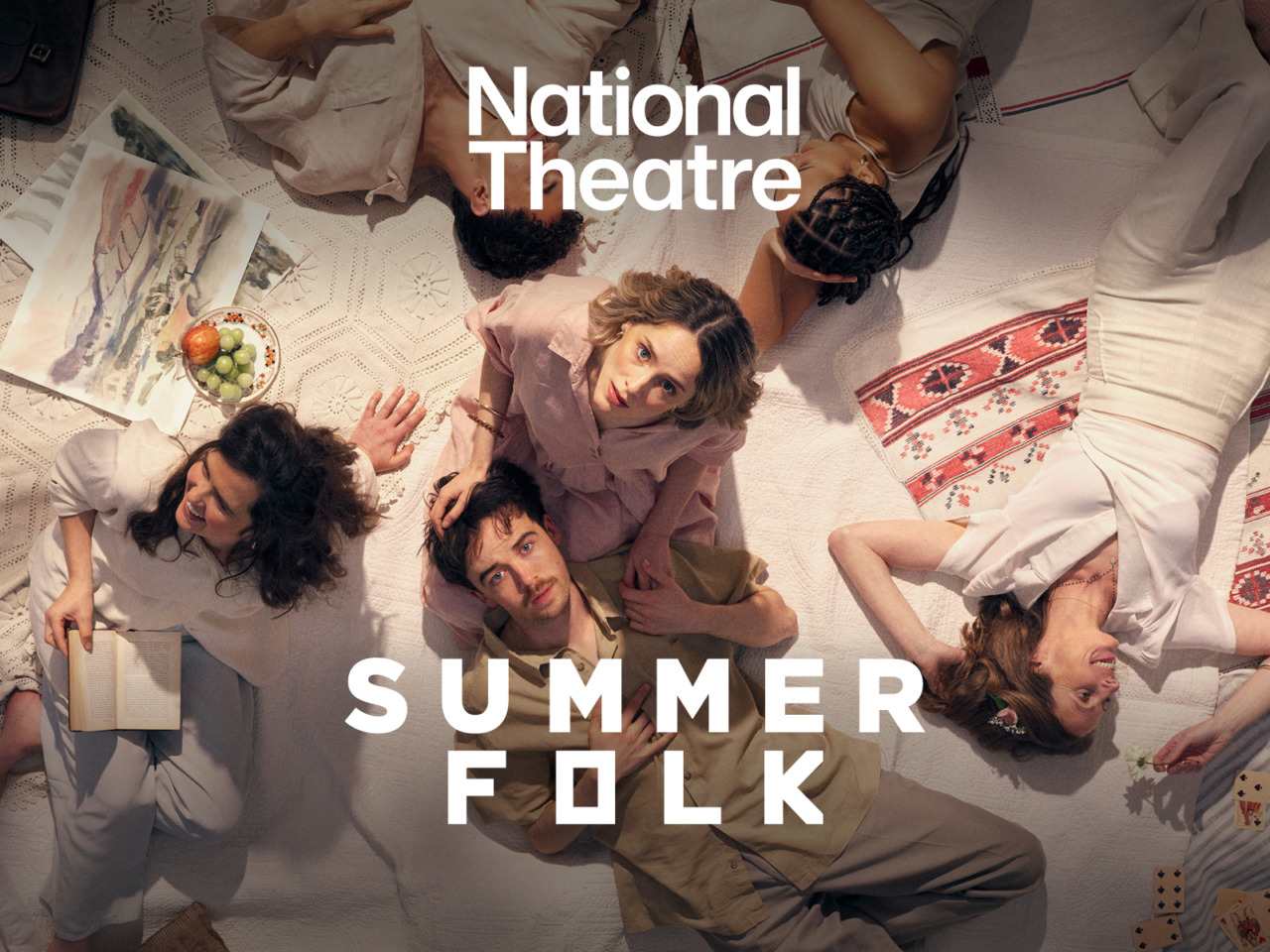
In the summer of 1905, somewhere in the Russian countryside, a cluster of families has decamped to their dachas (summer cottages), hauling along grievances, adulterous impulses, and thwarted ambitions. At first, one feels one has wandered into Chekhov. Yet this is Maxim Gorky’s Summerfolk, written in the year of Chekhov’s death.
The play can seem like The Cherry Orchard after the auctioneer has gone home and Lopakhin’s summer villas, the dachas, have at last been built. Into them come the beneficiaries of modern Russia: lawyers, doctors, engineers, civil servants, and their unhappy spouses. They are voluble, self-regarding, and indiscreet. They flirt, bicker, gossip, and drink in the long afternoon light. What they cannot do, for all their talk, is live with much conviction.
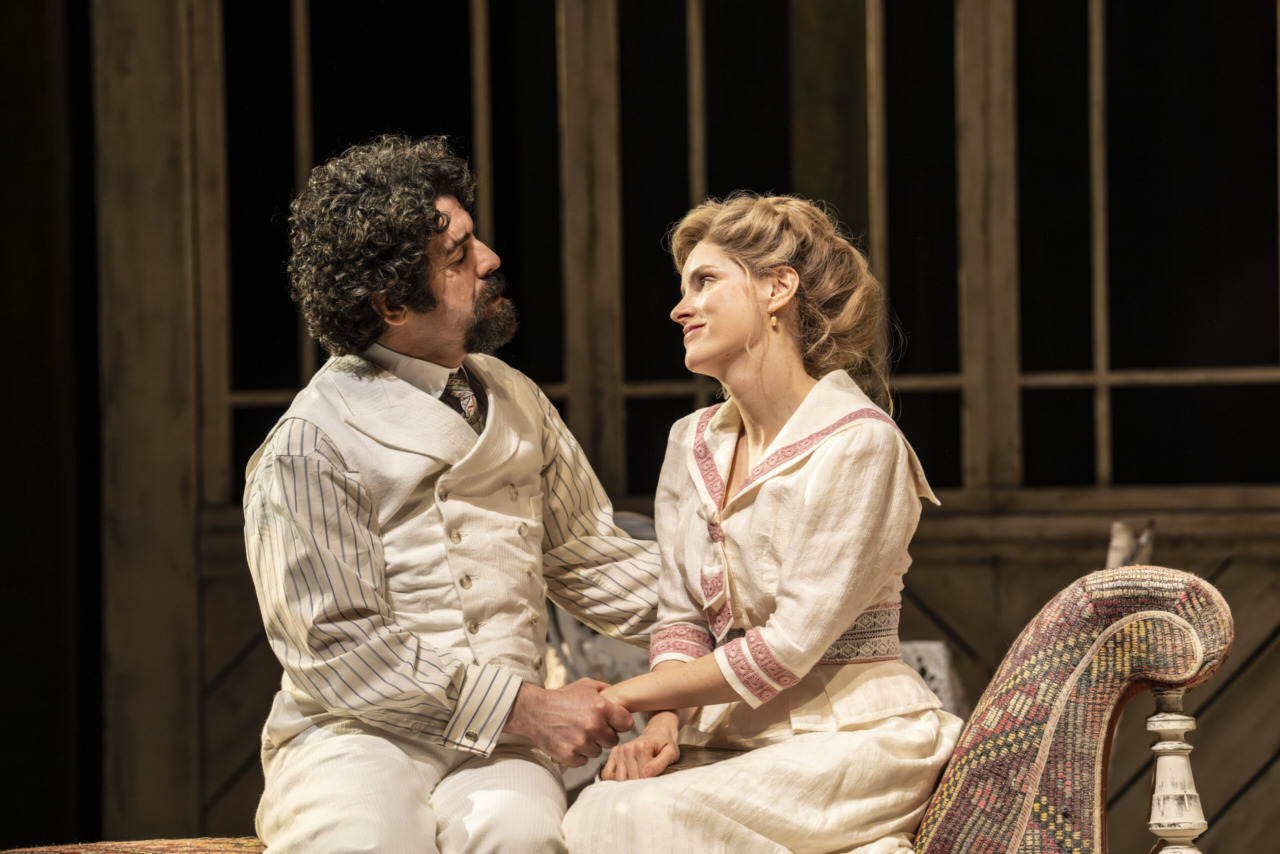
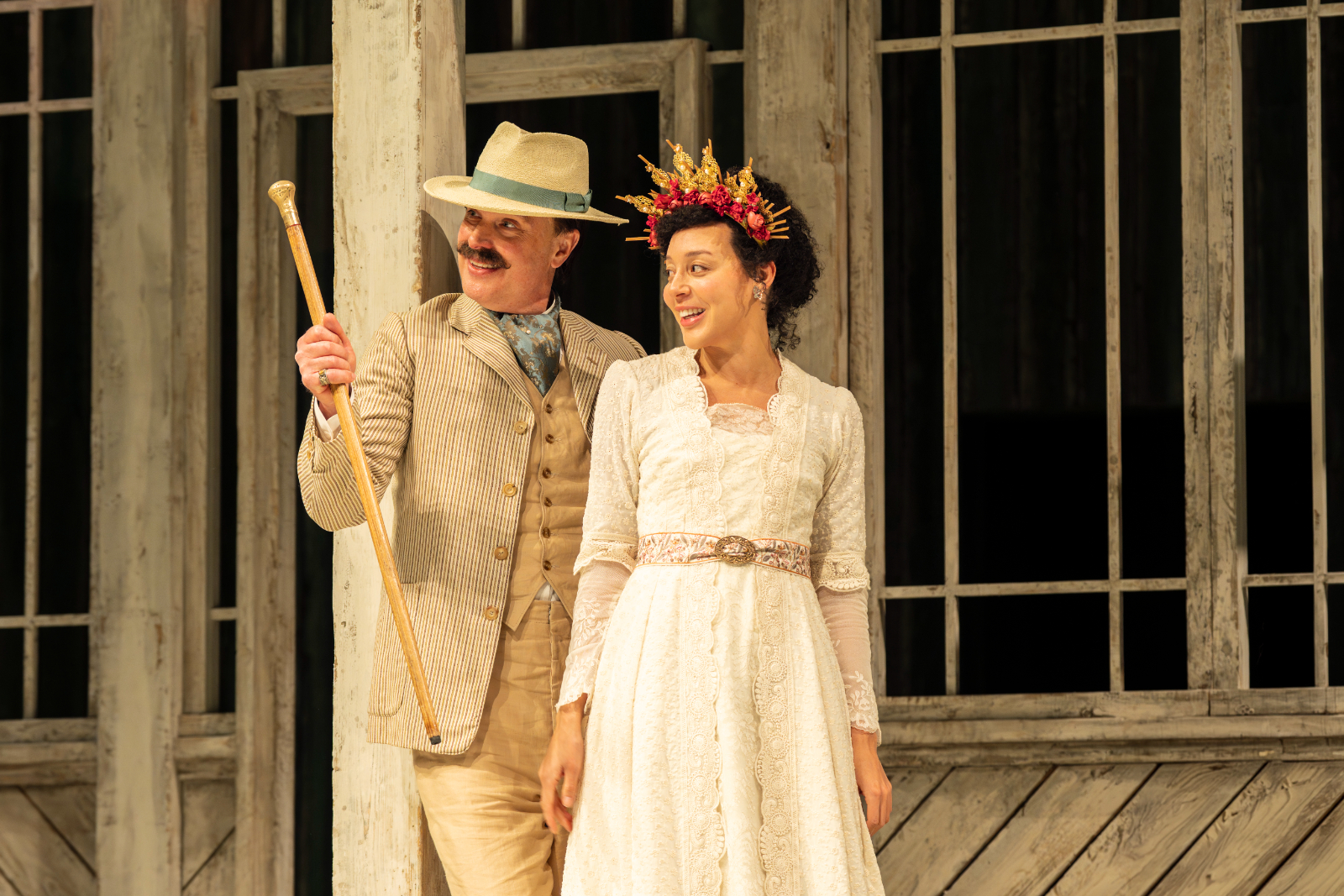
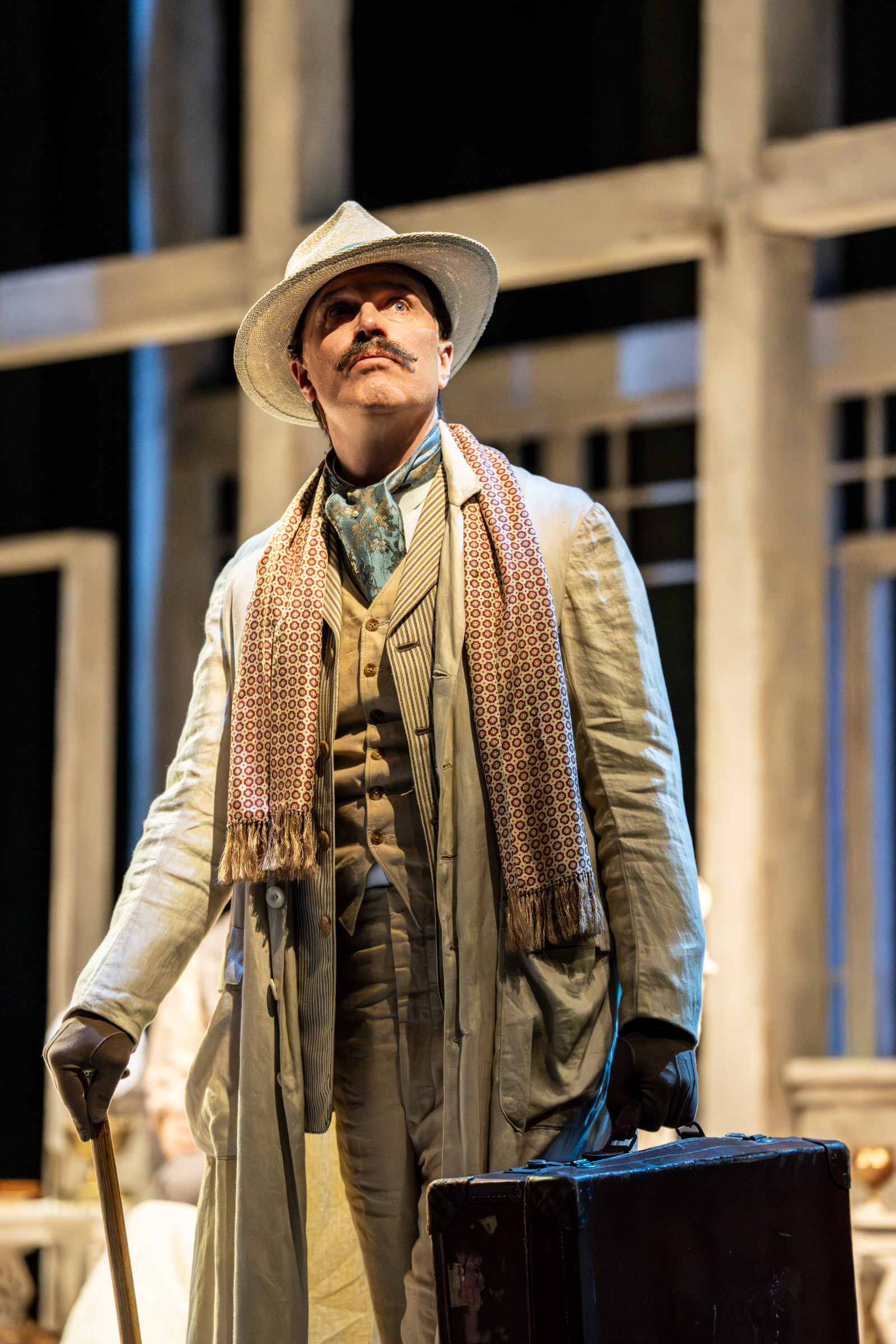
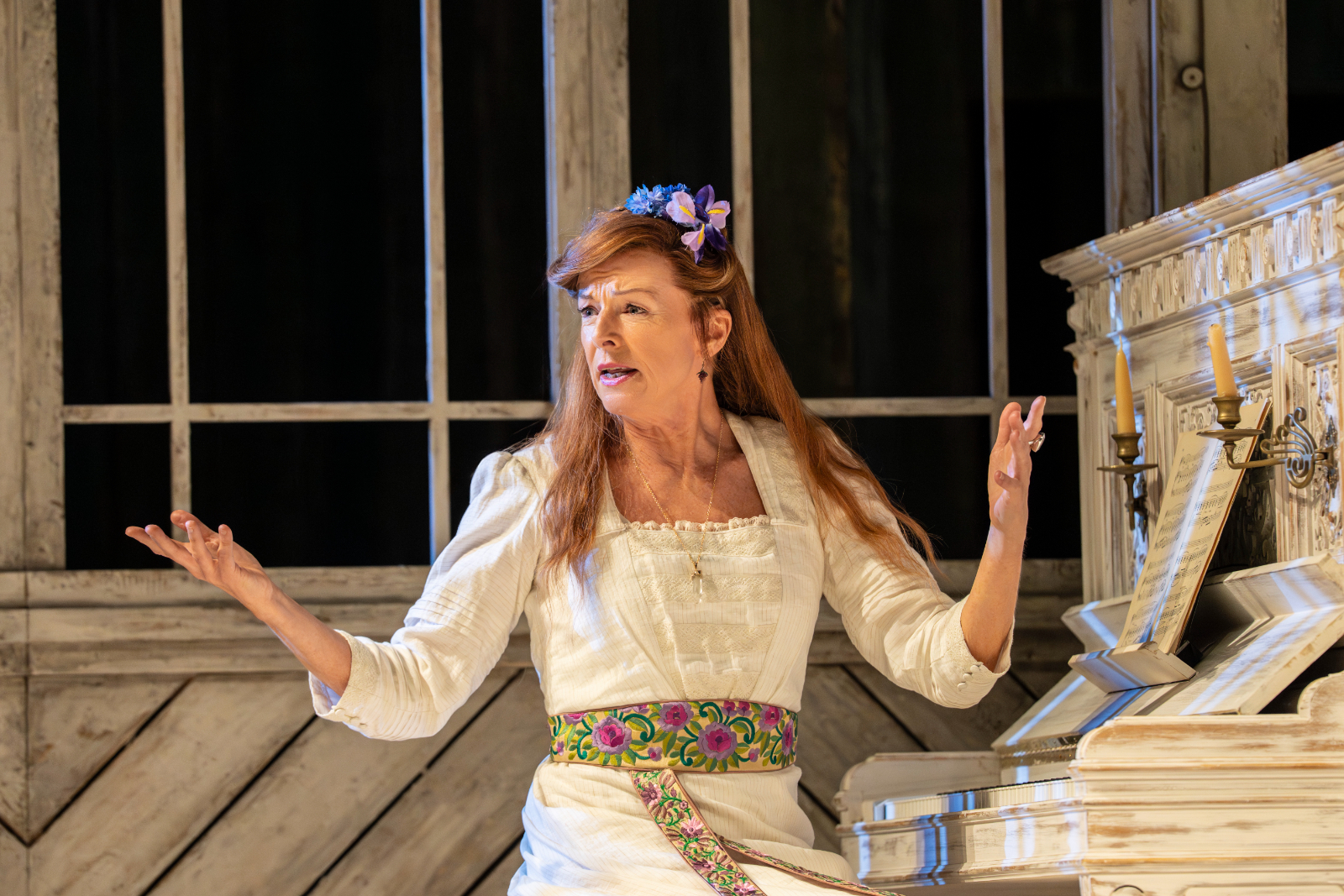
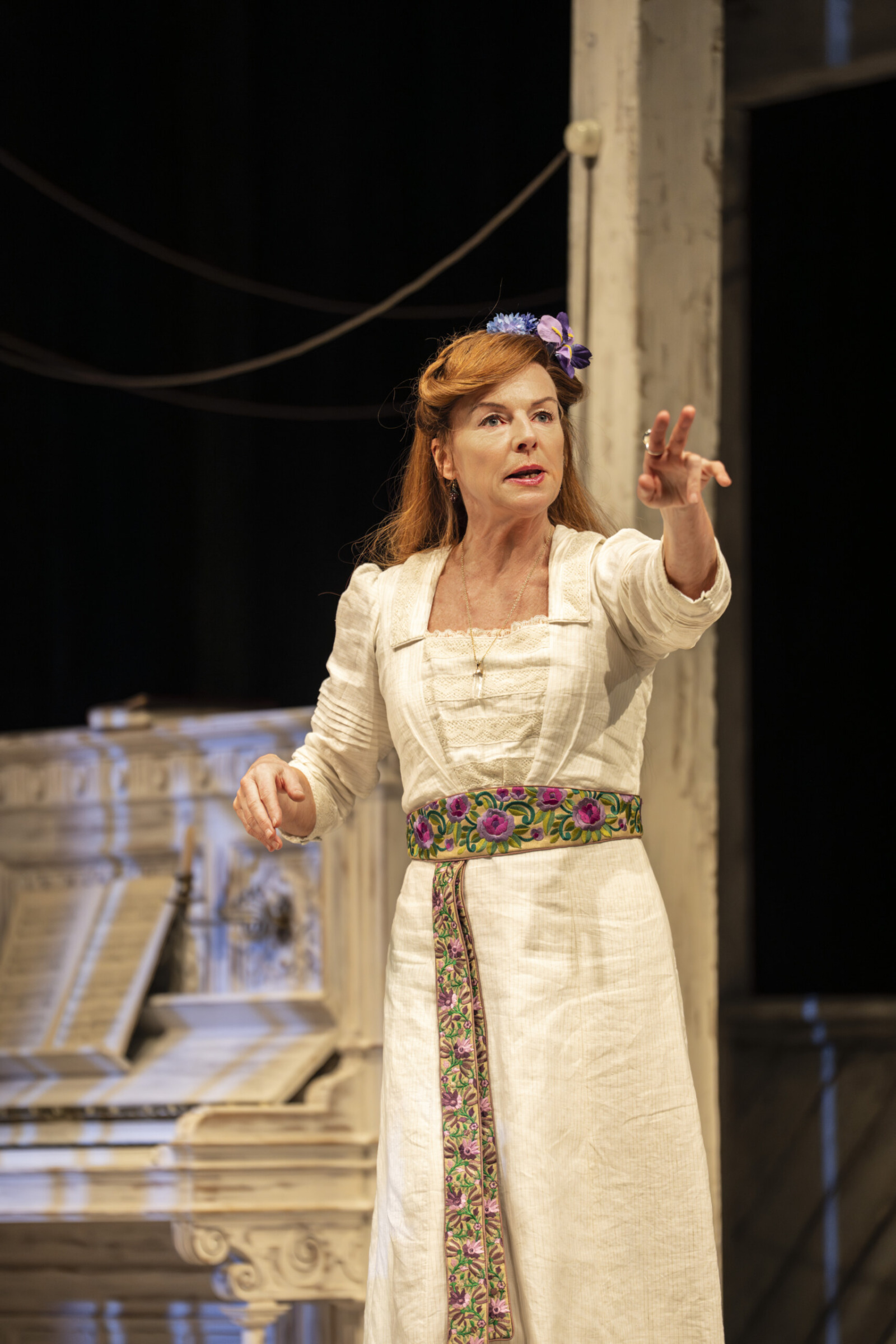
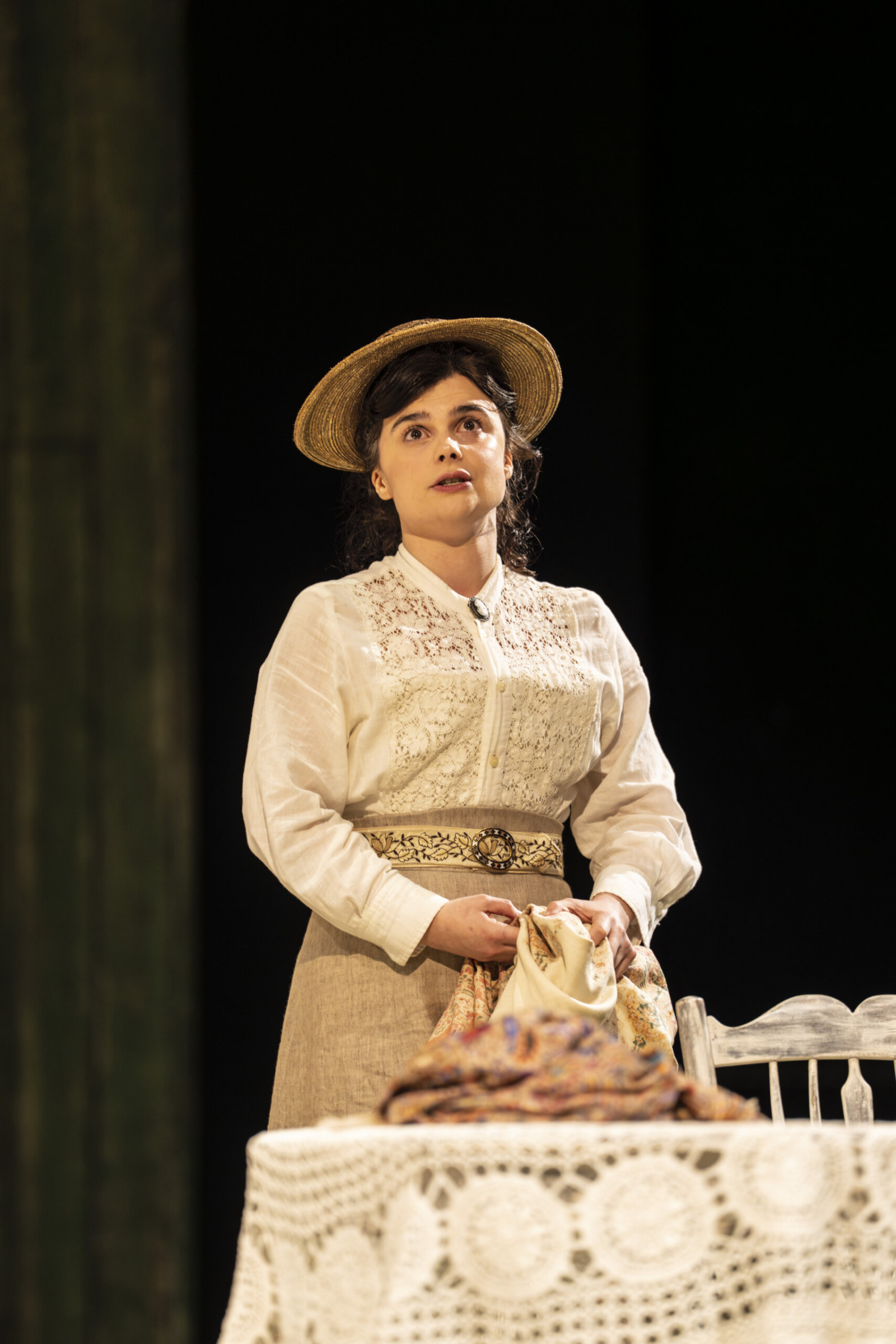
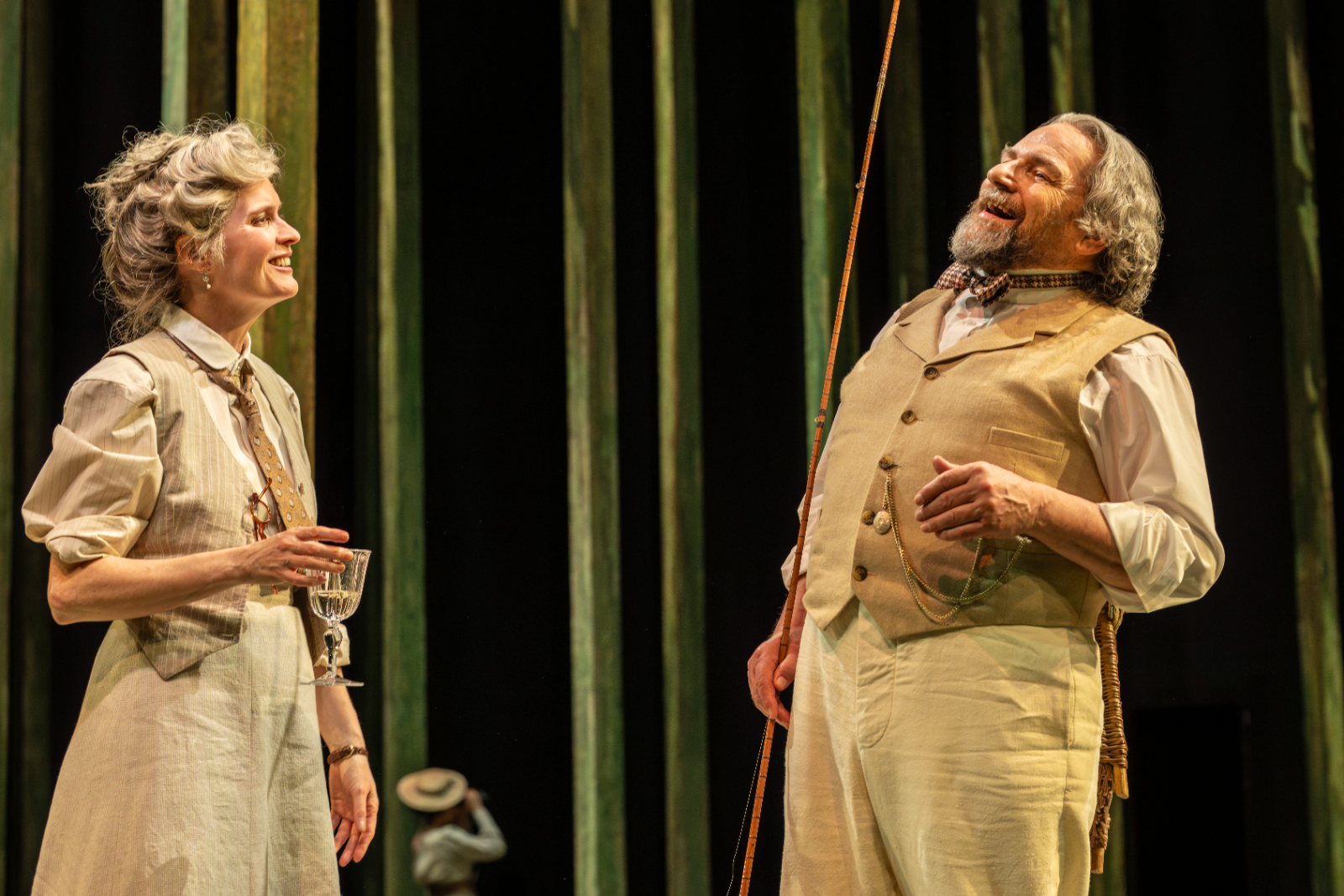
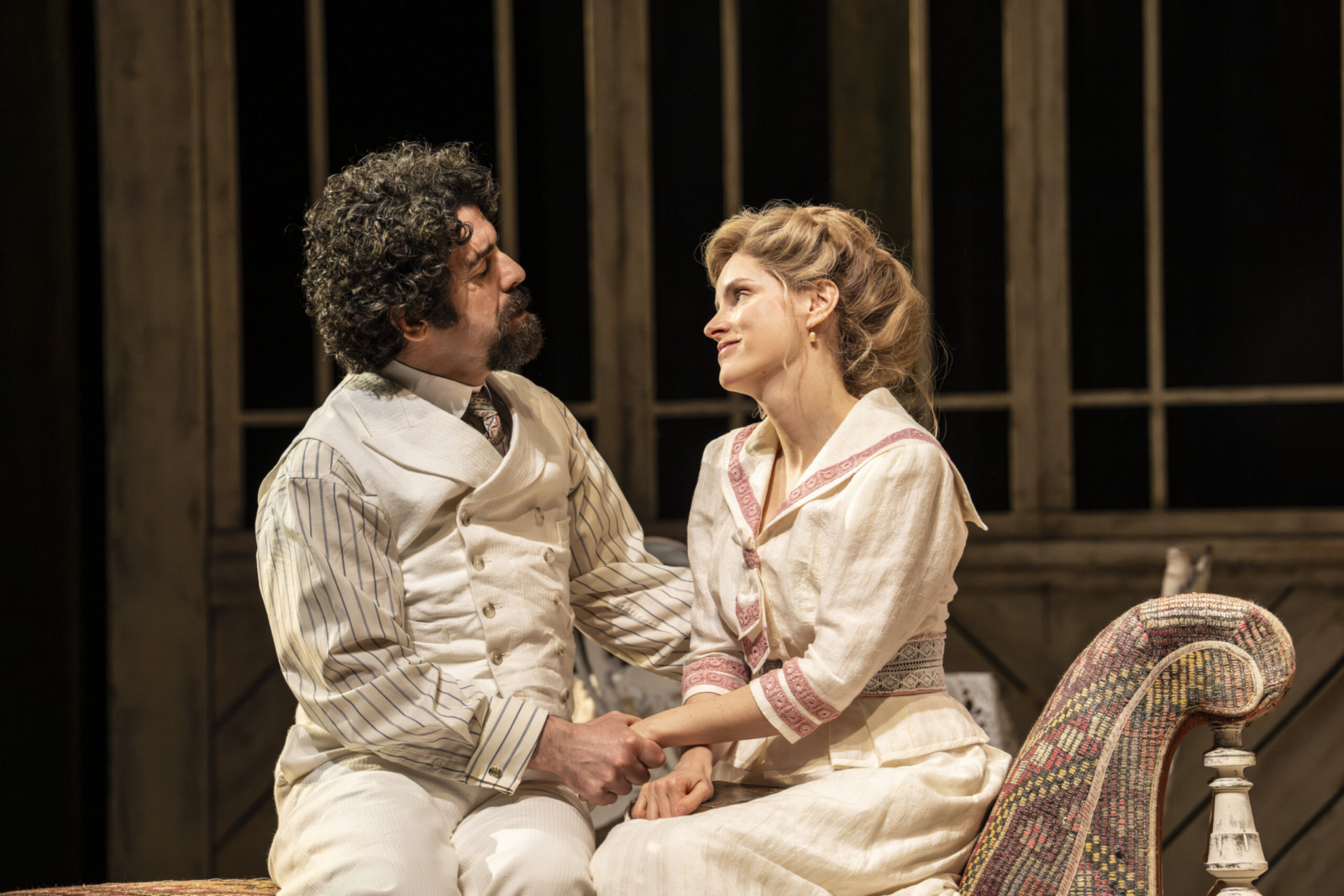
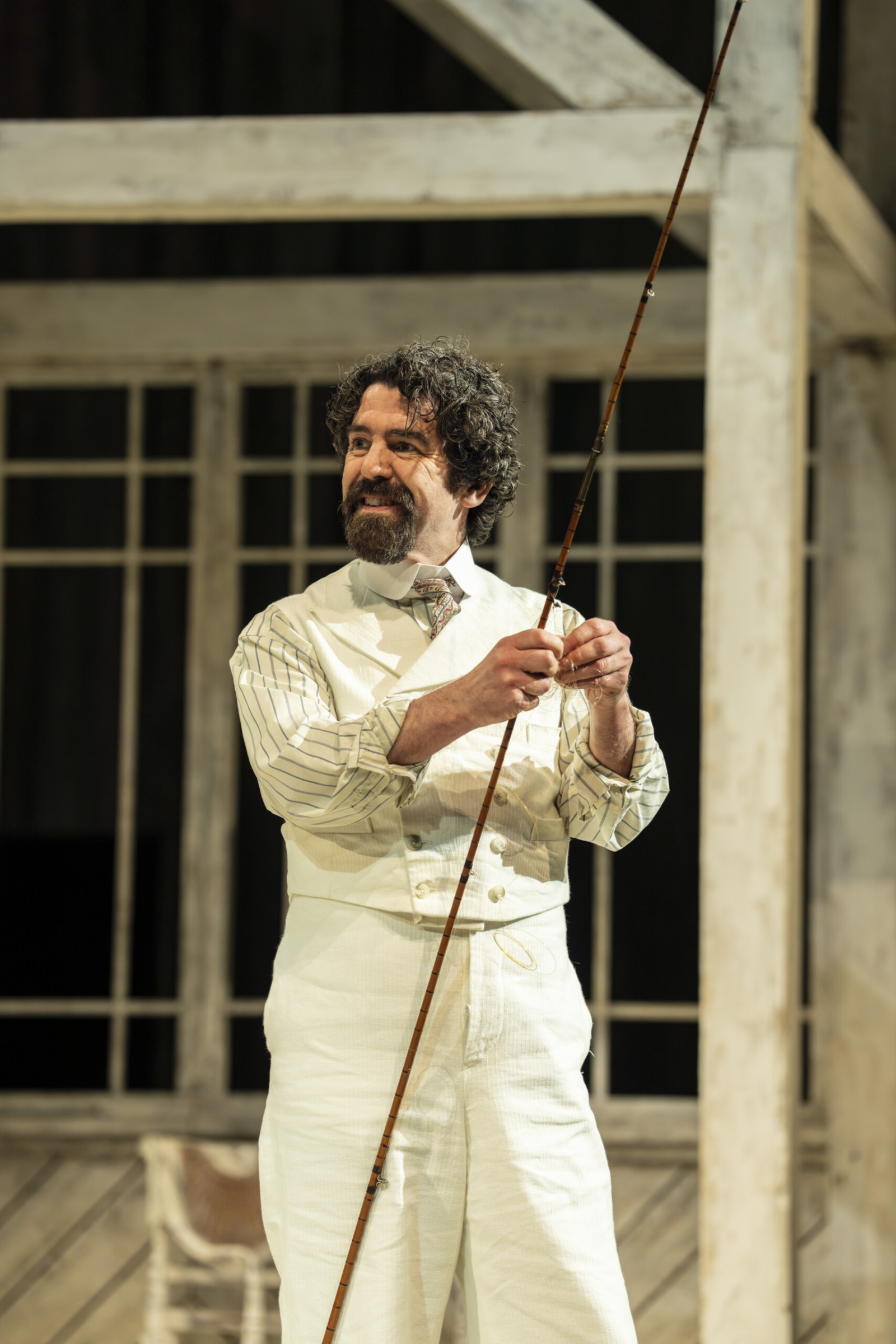
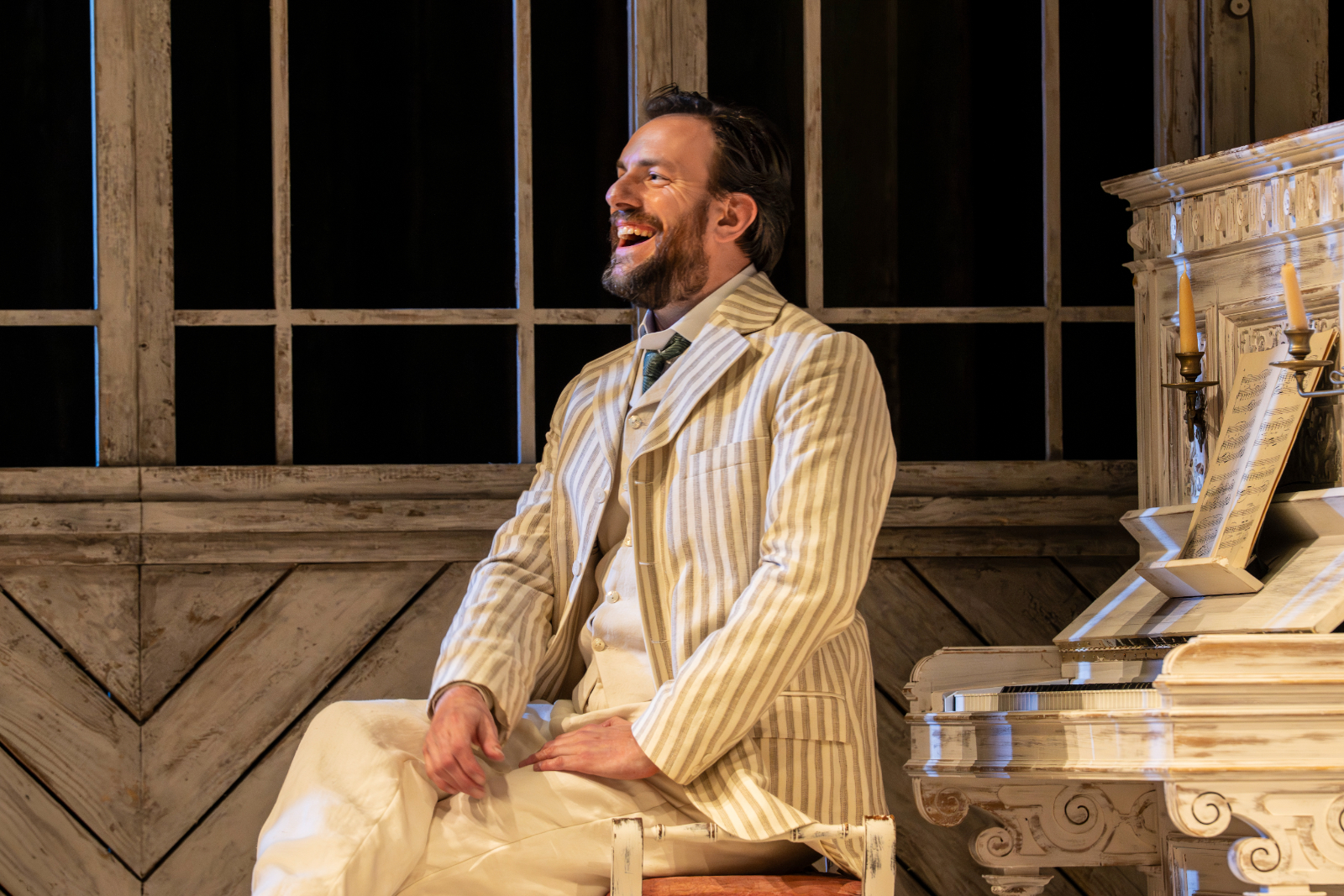
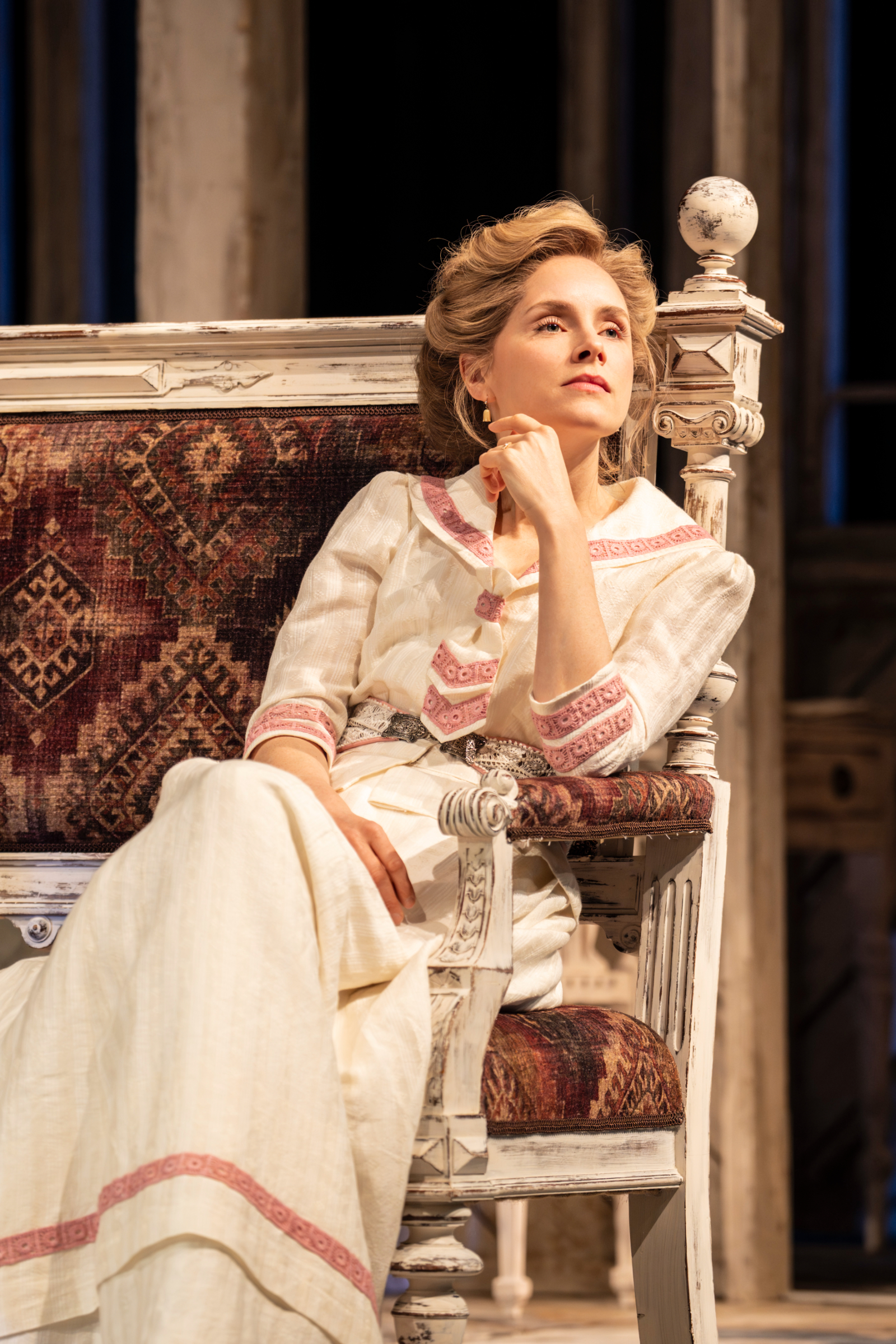
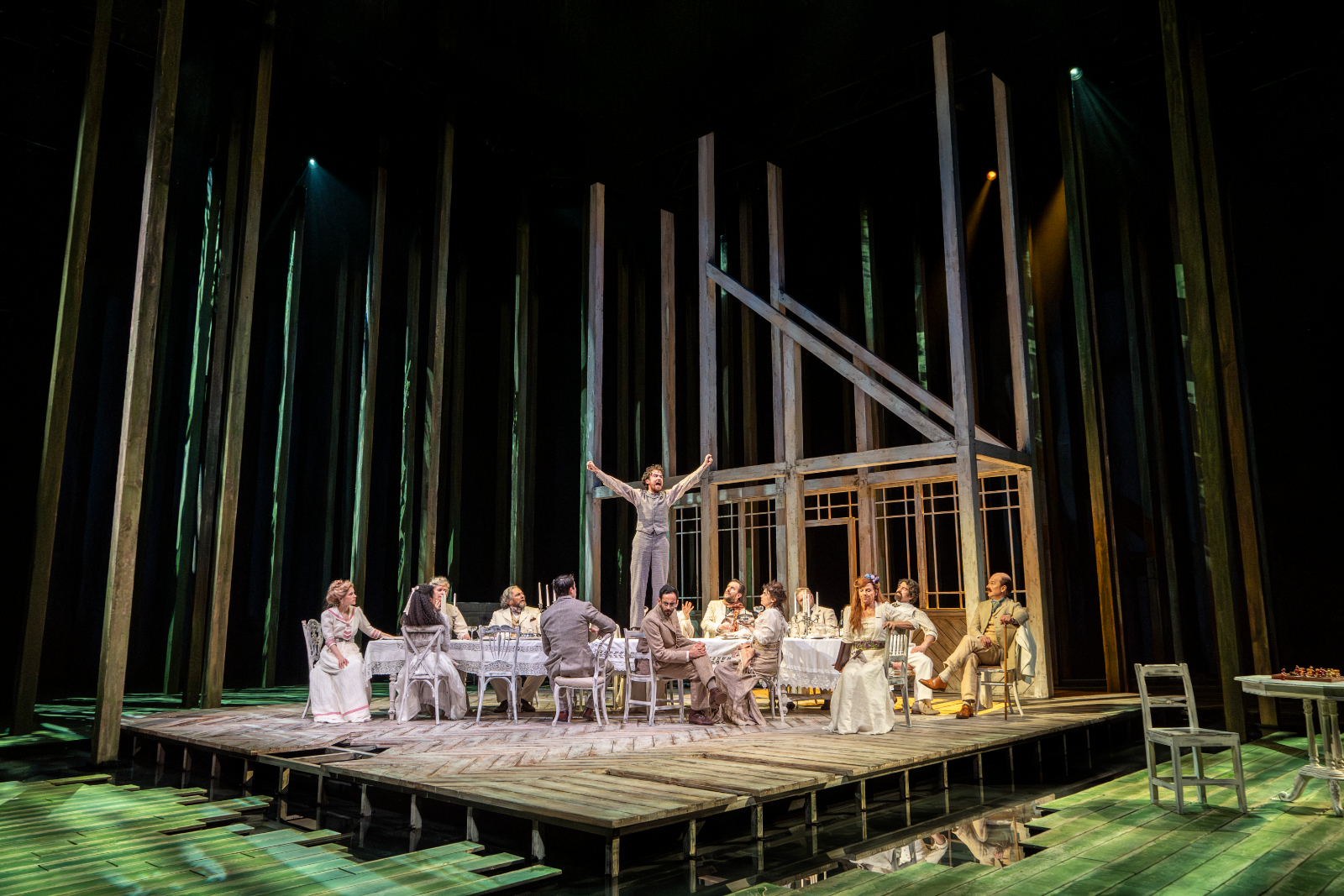
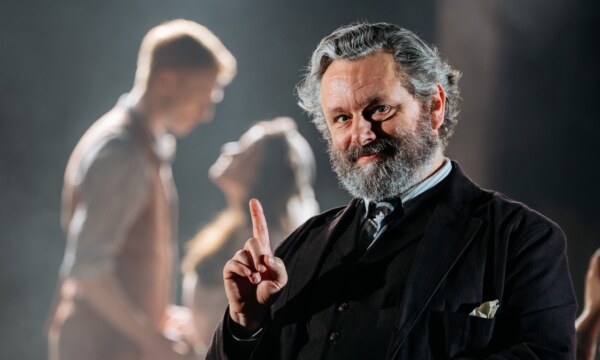
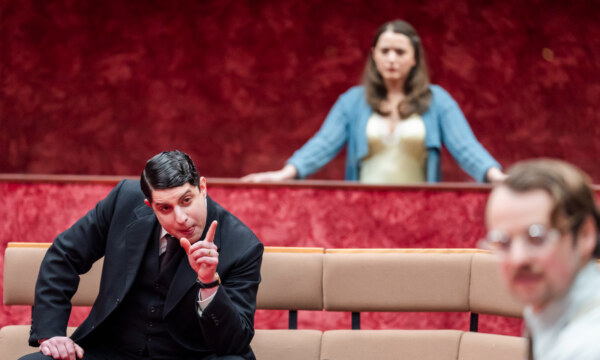
In a new adaptation by the sibling playwrights Nina and Moses Raine, director Robert Hastie has assembled a uniformly brilliant cast. Basov (Paul Ready) is an unscrupulous, wealthy lawyer who presides over his dacha. Beside him is his wife, Varvara (Sophie Rundle). She is gentle, inward, and increasingly appalled by the coarseness of the world she inhabits. Her disenchantment sharpens when she encounters Shalimov (Daniel Lapaine), the writer she once revered, only to discover not a prophet but merely another man, vain, depleted, and, to top it all, bald.
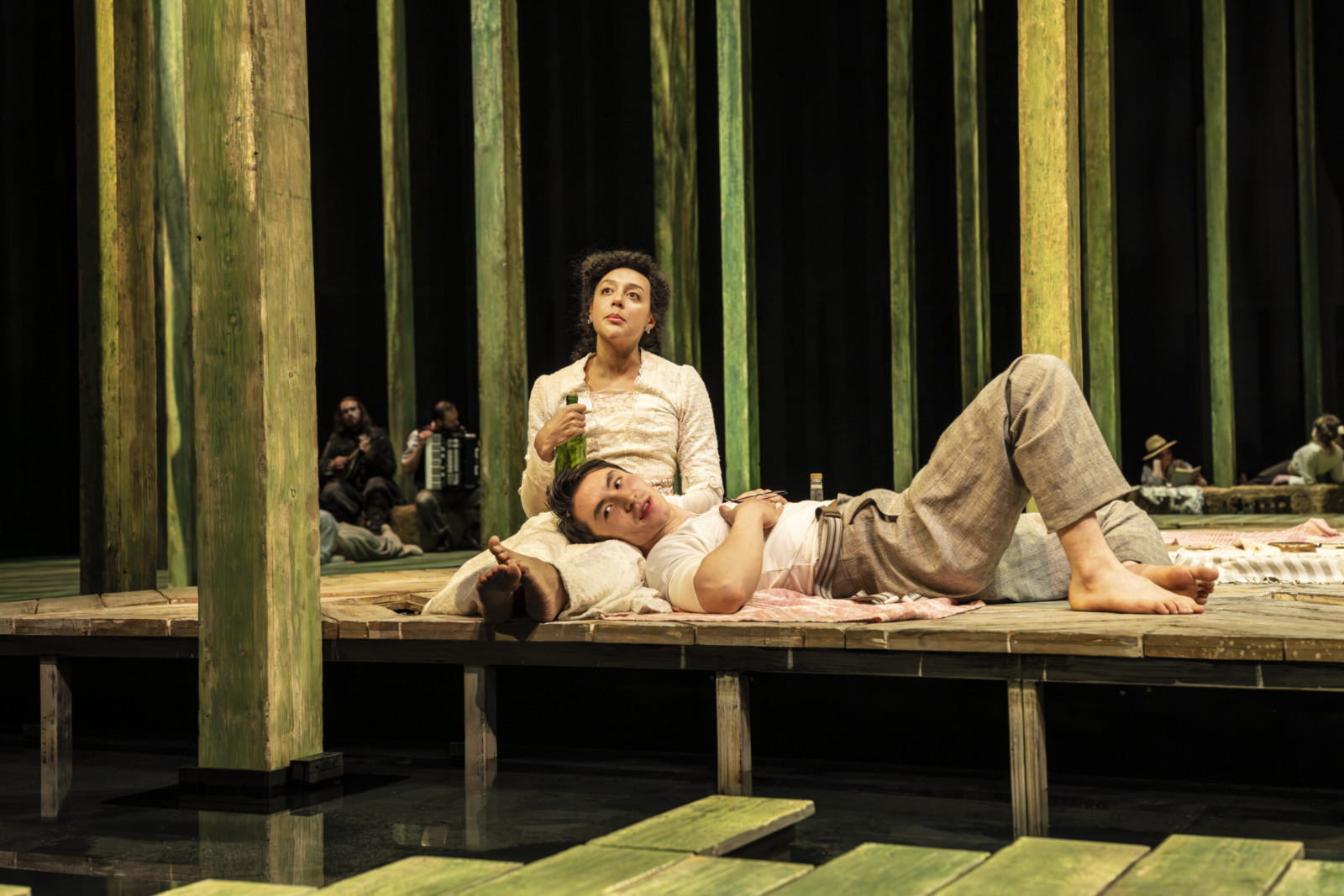
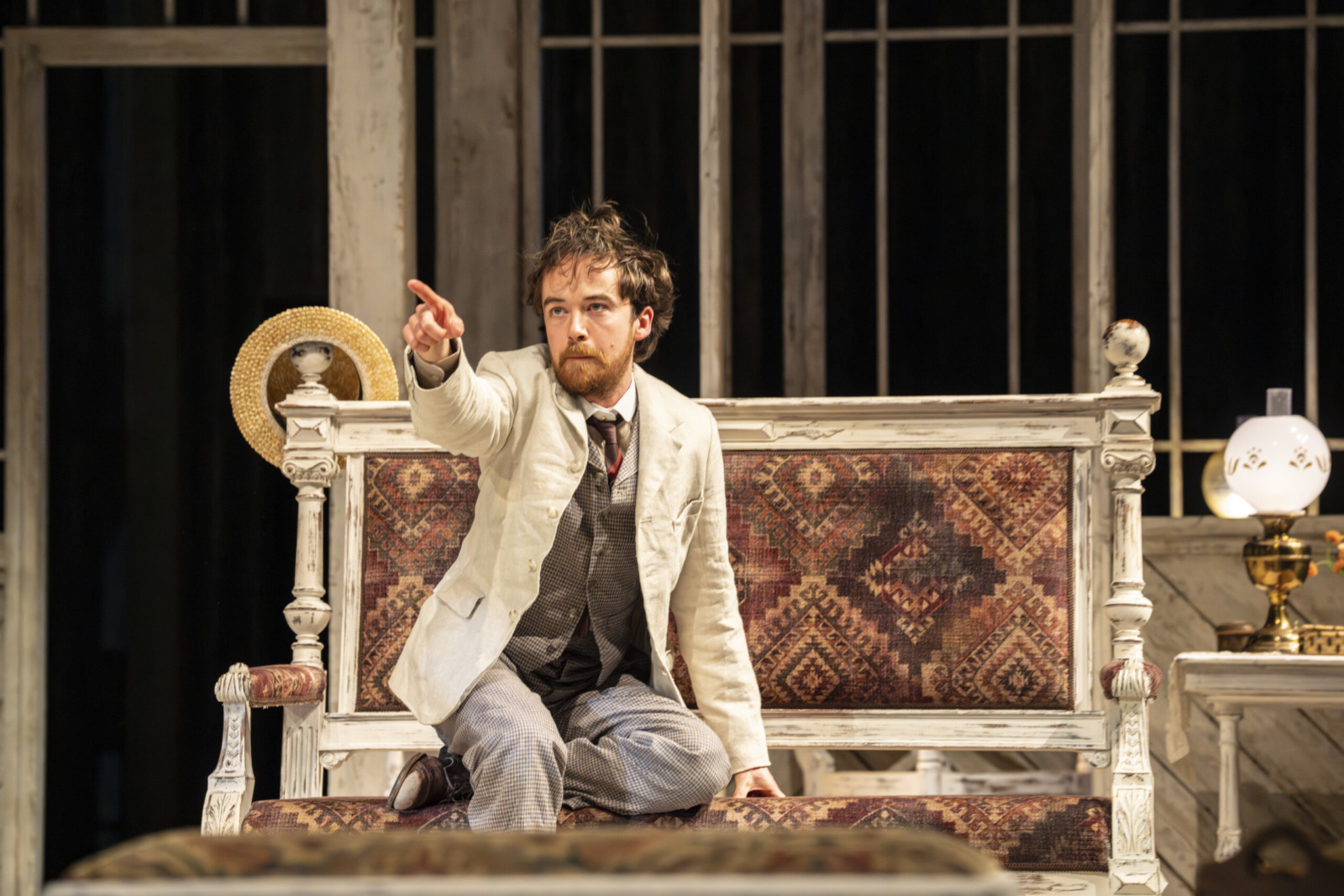
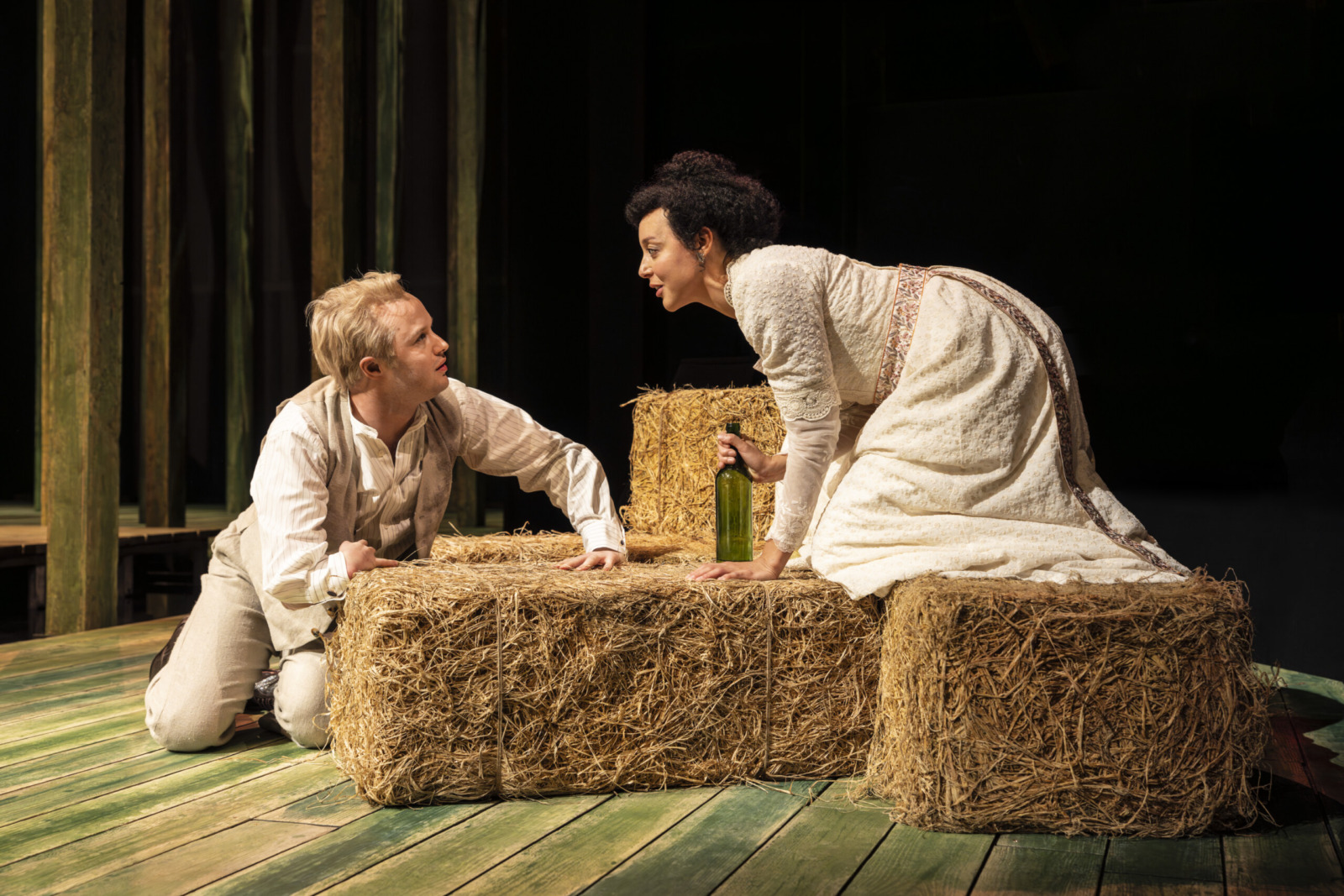
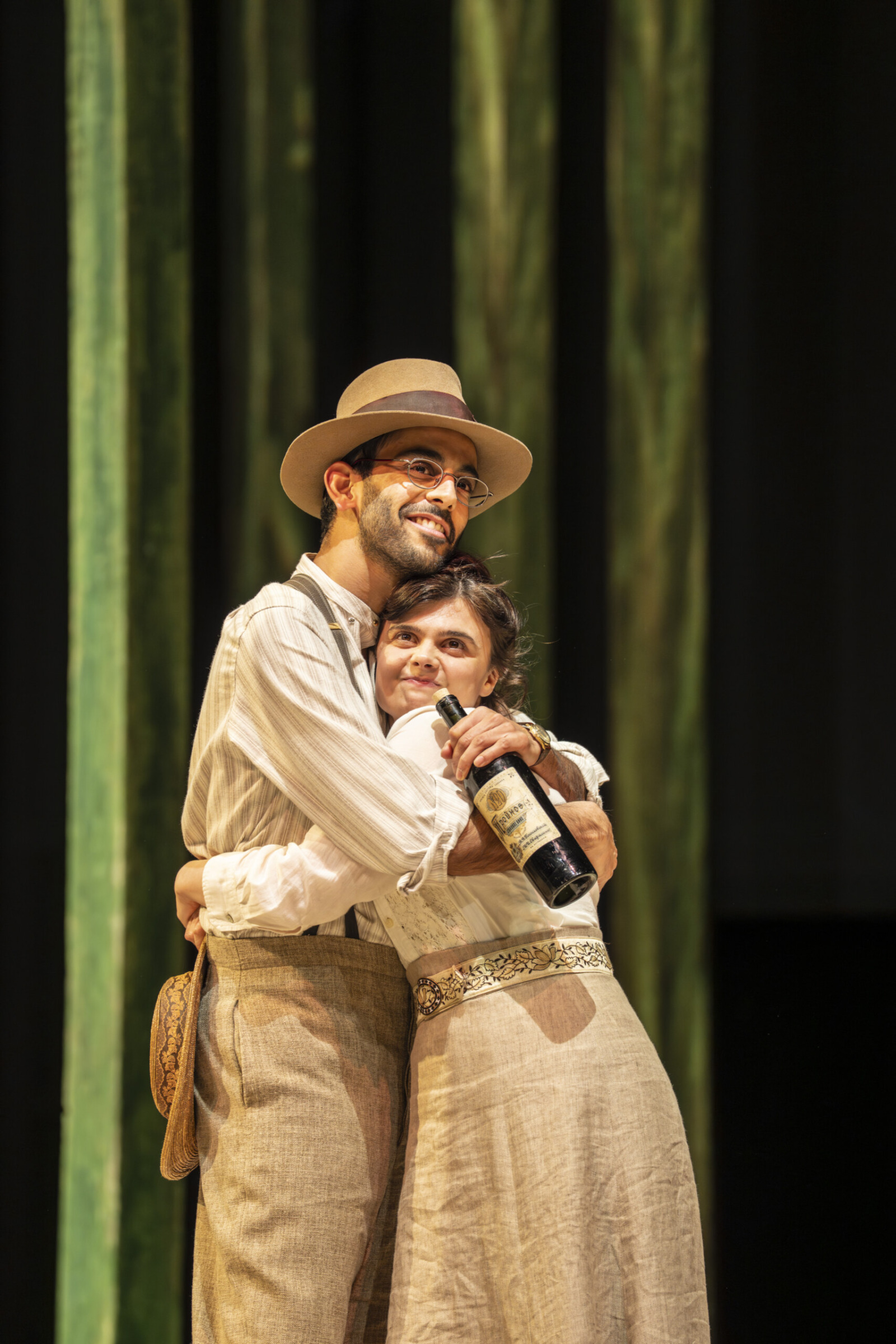
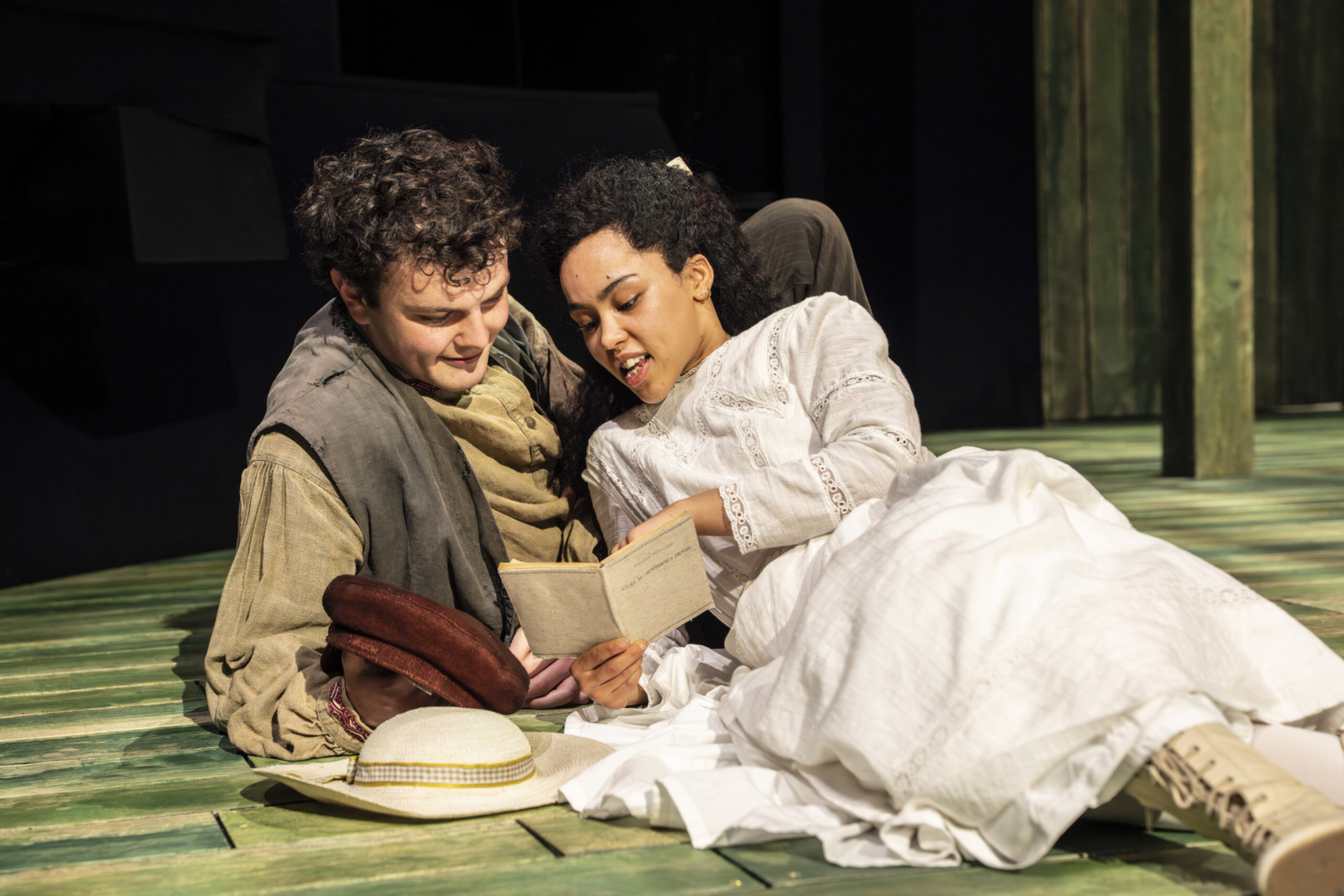
Varvara’s younger brother (Alex Lawther) disguises his intelligence in buffoonery, and the older woman doctor Maria (Justine Mitchell), whom he loves, forms with him the drama’s most delicate bond. Their attachment, improbable and unfulfilled, acquires a kind of radiance precisely because it is set against the frivolity of everyone around them.
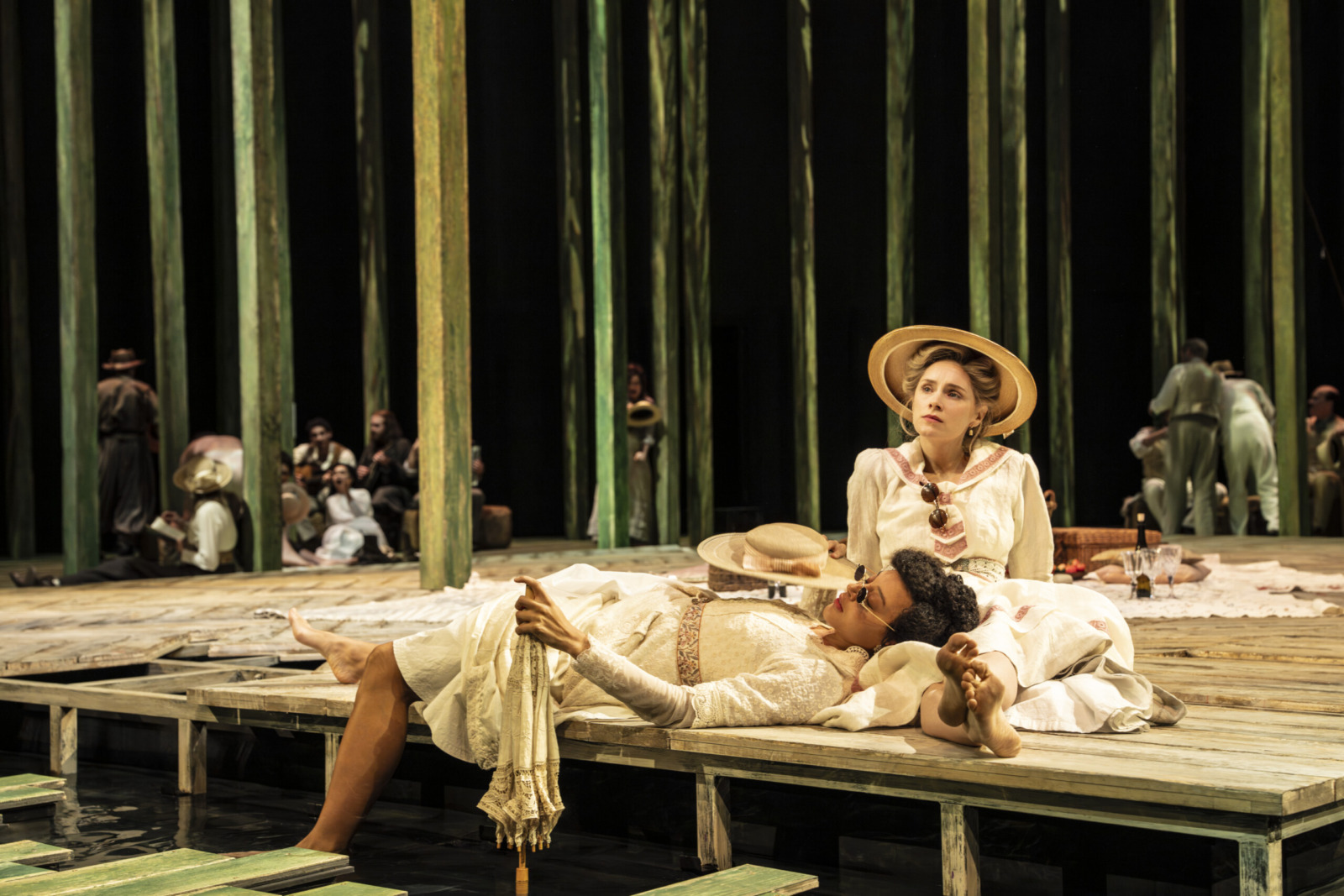
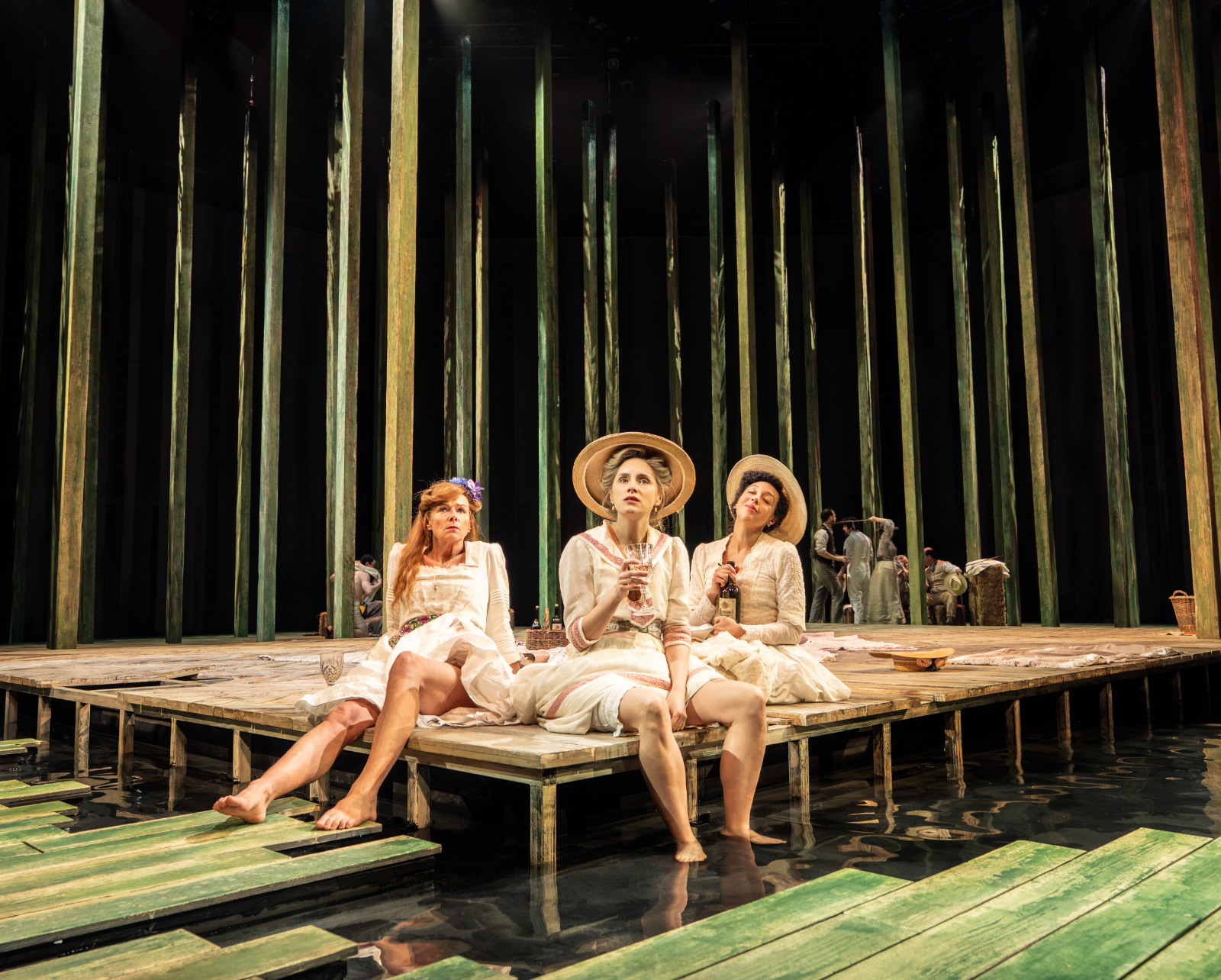
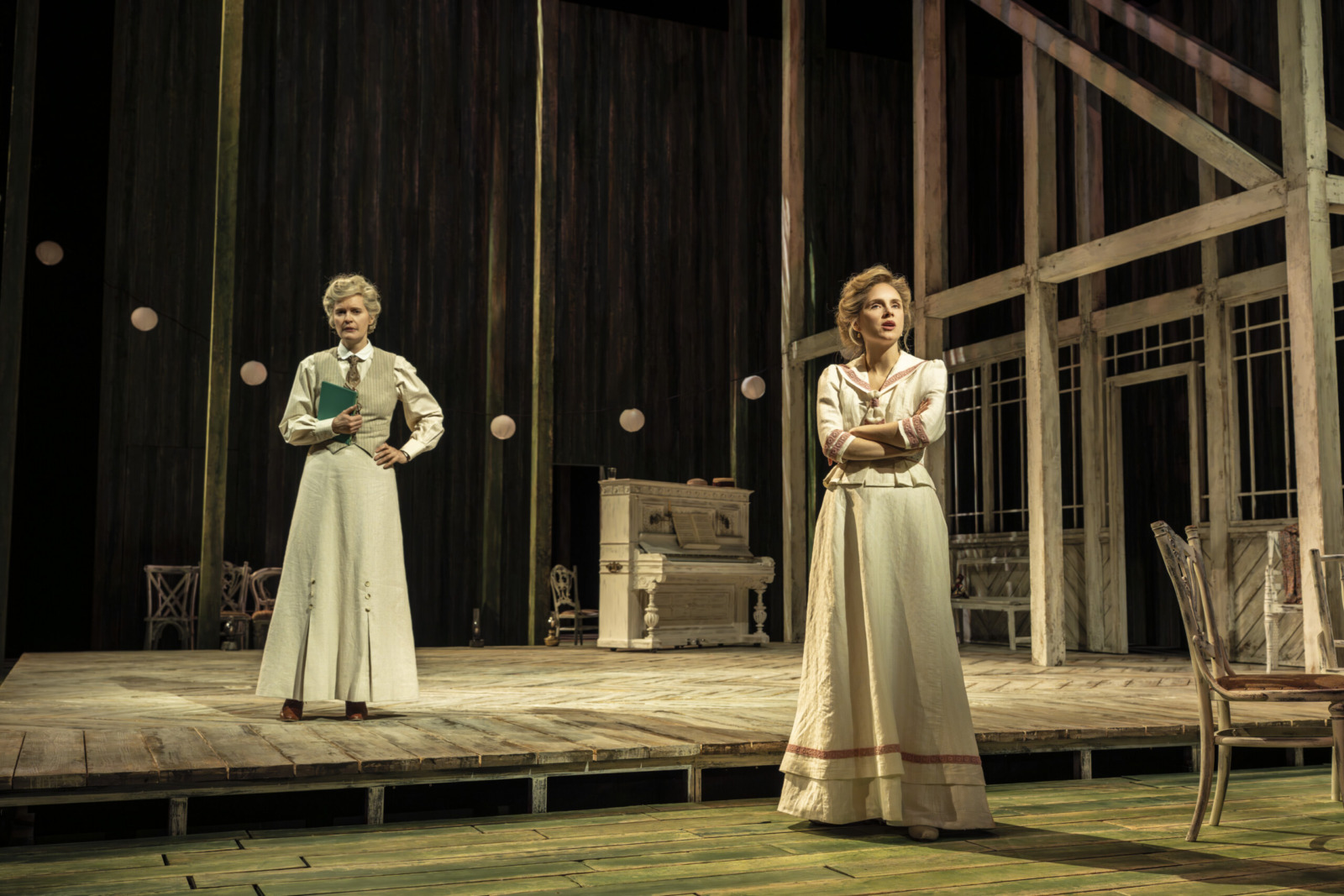
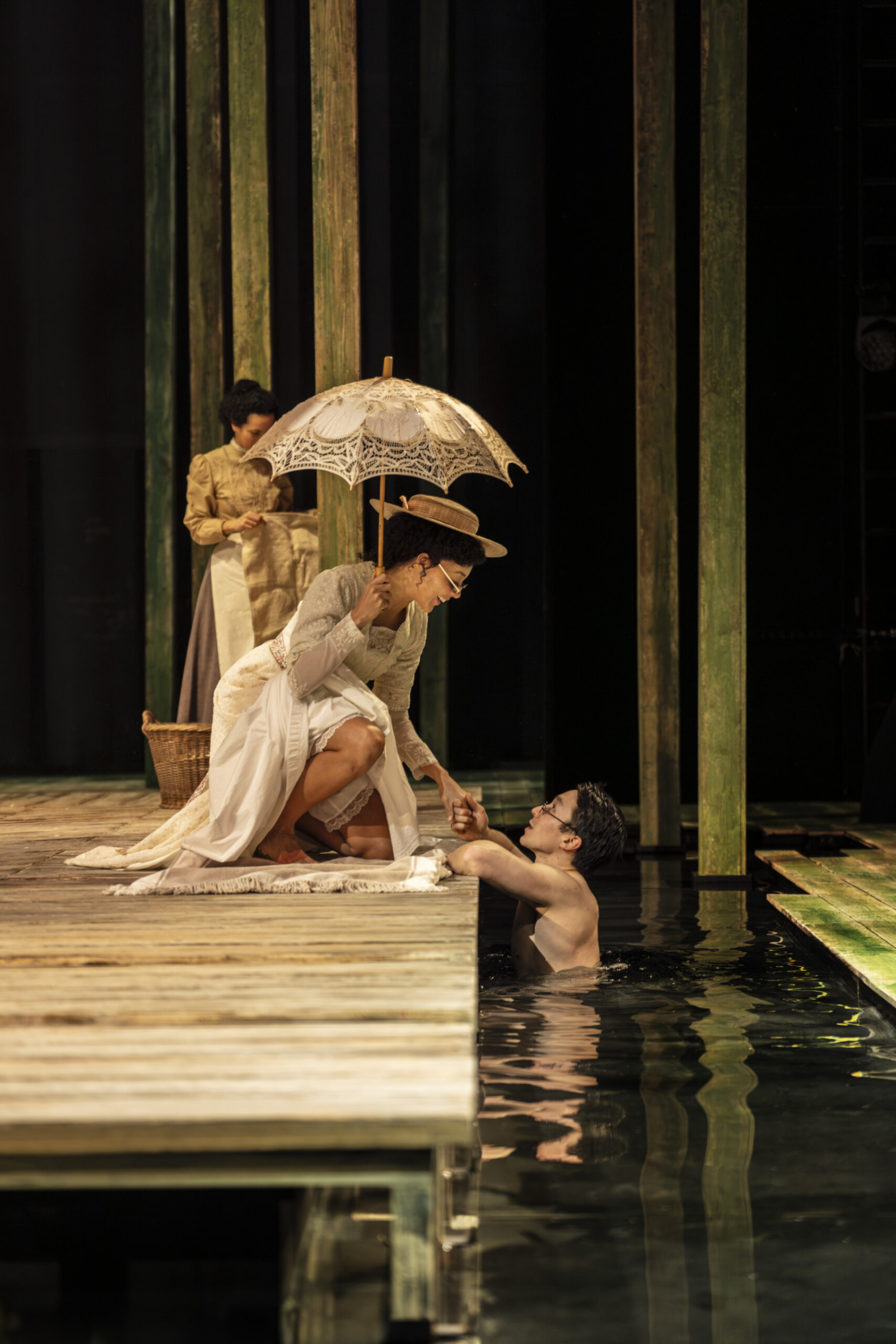
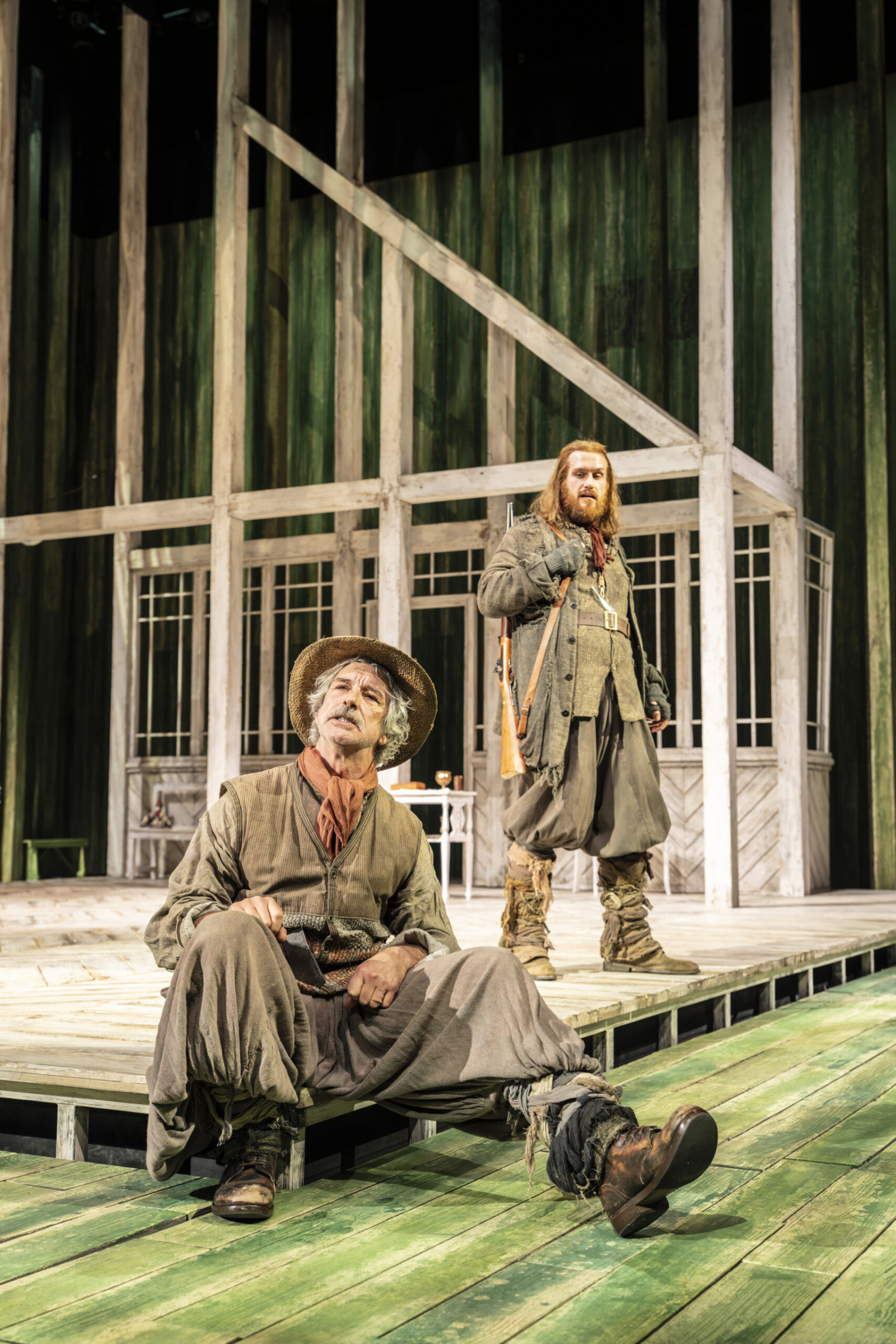
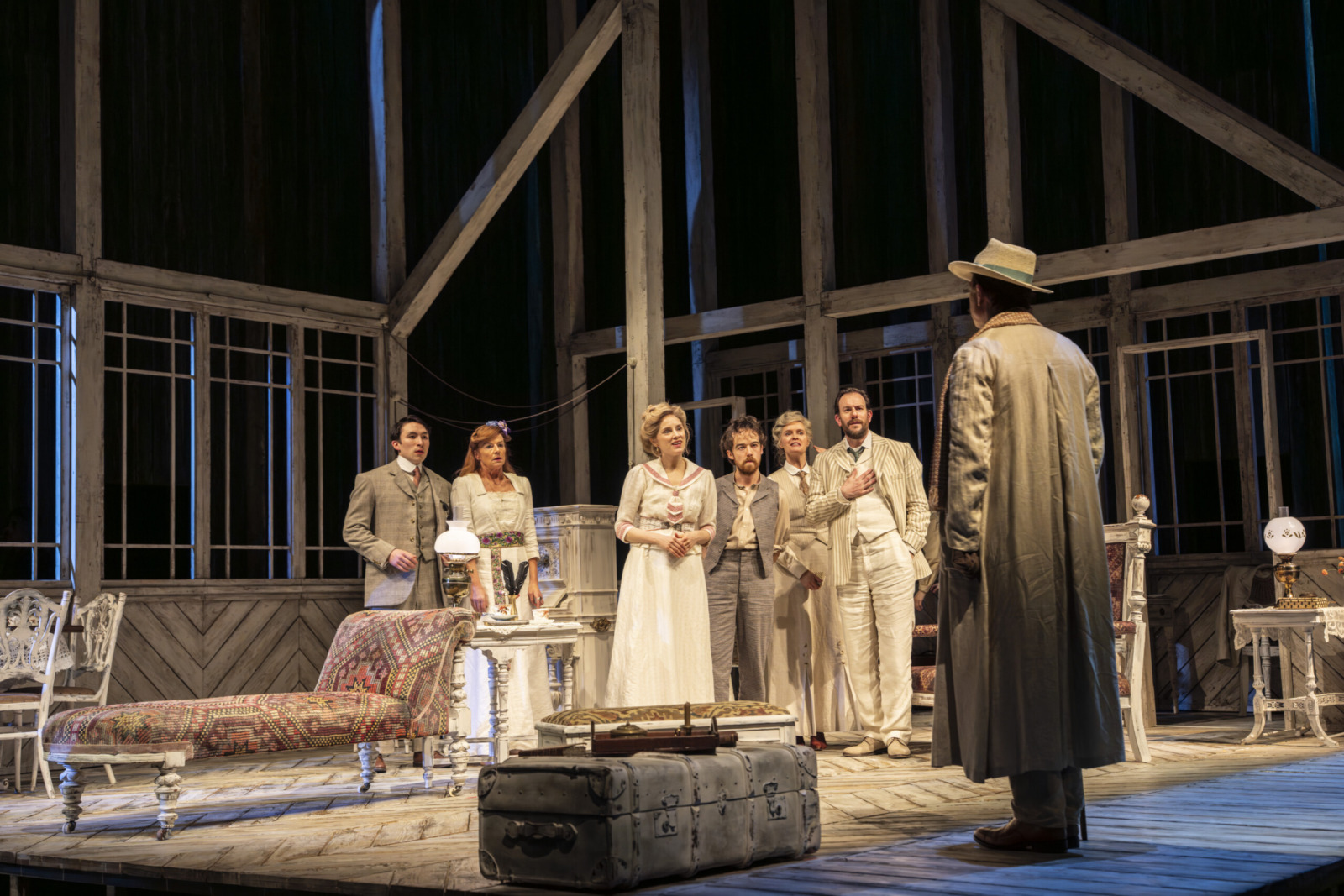
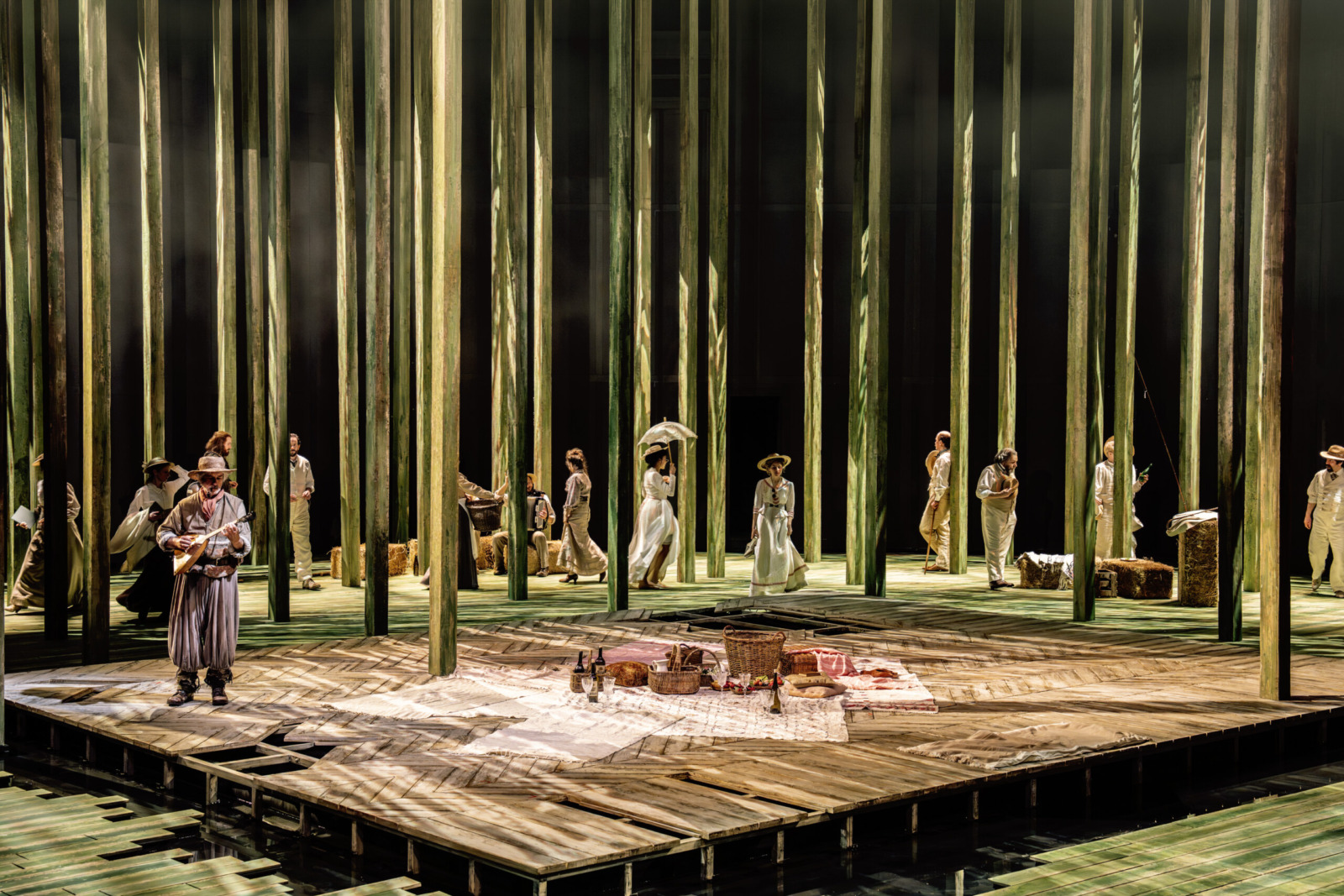
The Russian title, Dachniki, points to more than a setting. These summer people are packed together in a kind of social terrarium, overly familiar and incapable of discretion. Everyone trespasses on everyone else’s emotional life, even as their own marriages fall apart. Peter McKintosh’s set, with its stripped, exposed architecture, catches this condition exactly. The audience can observe these people as mercilessly as they observe one another.
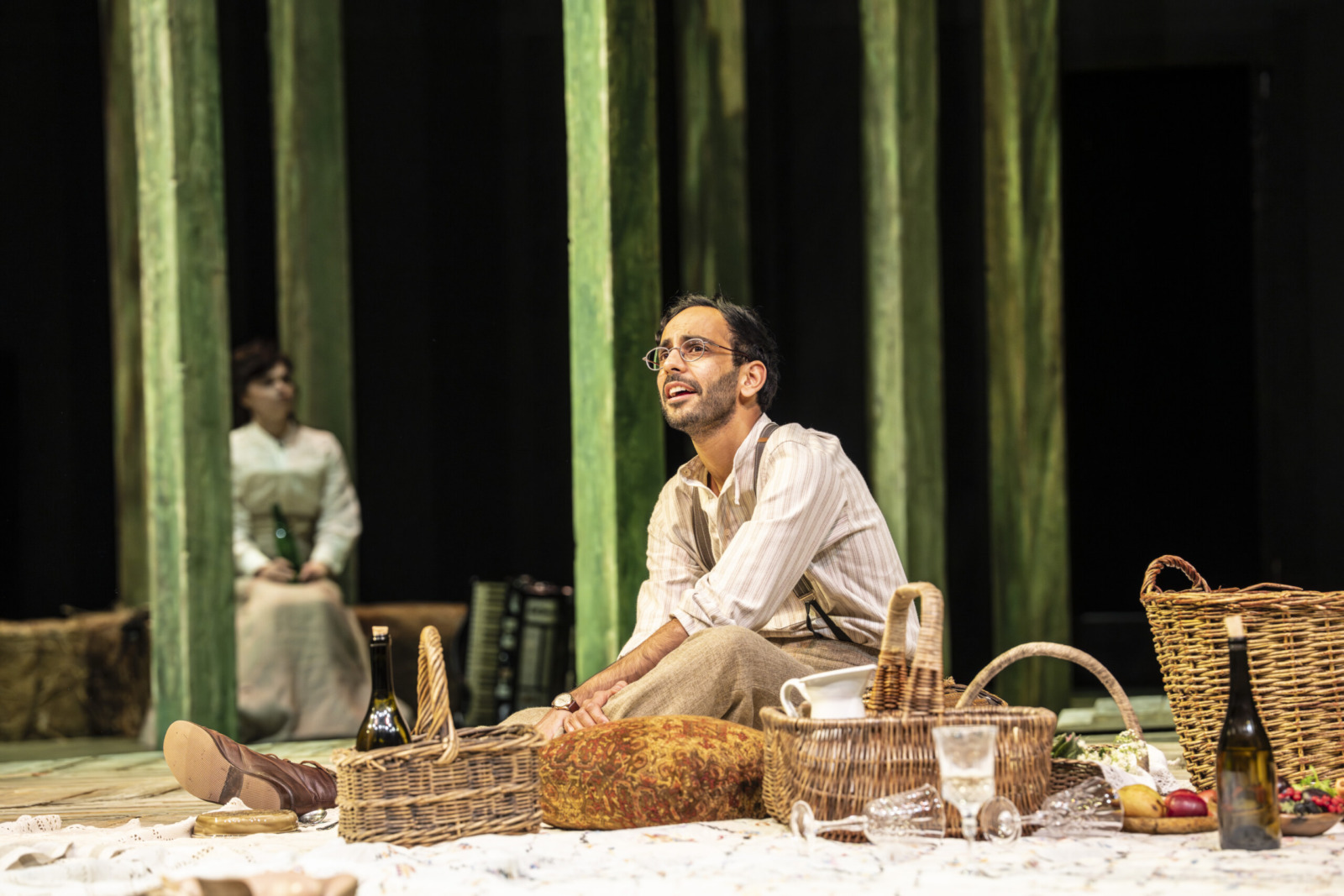
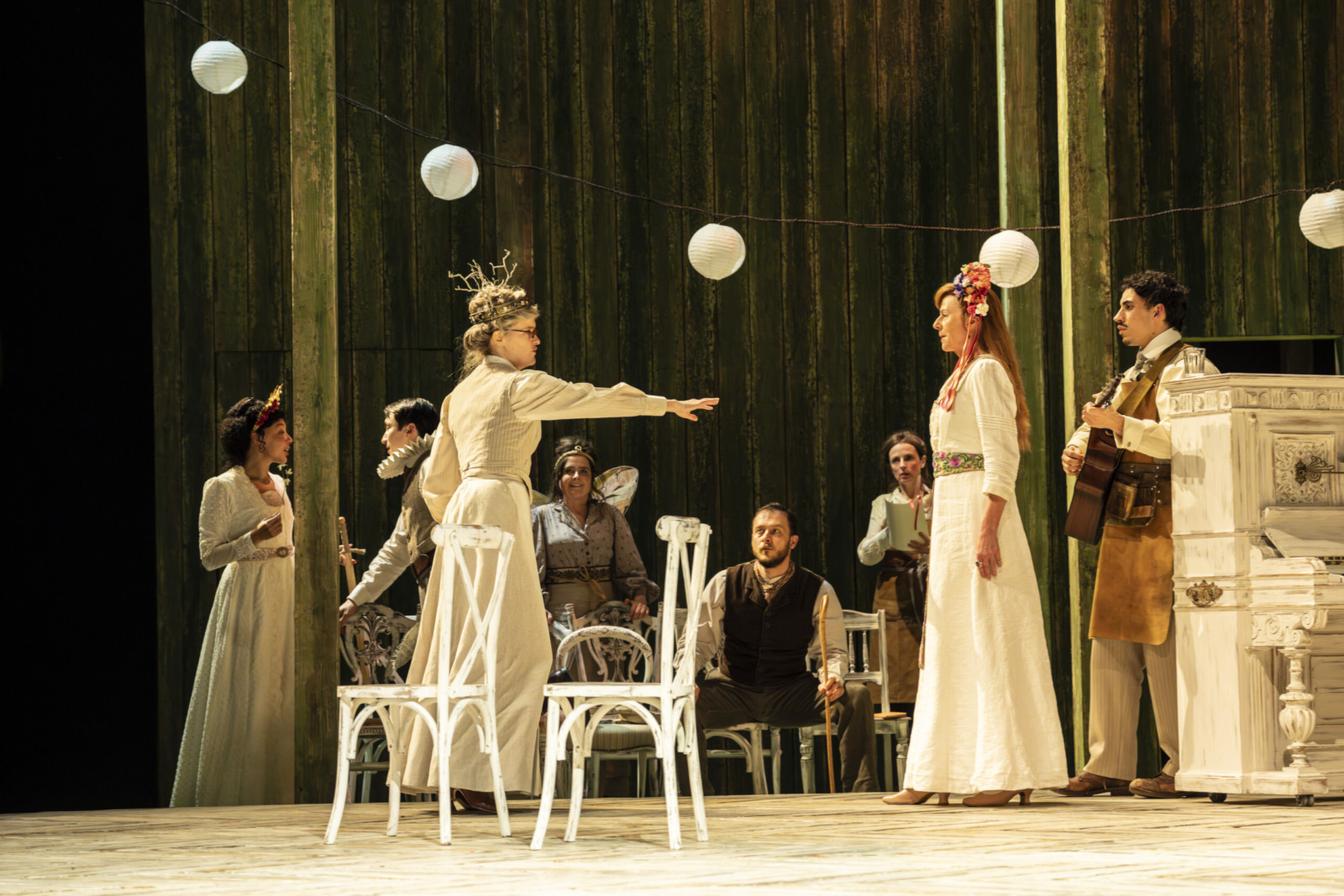
In the second half, a drunken picnic by the river plays out beside a real stream onstage. As tensions deepen, the characters’ strained relationships curdle into bitterness and contempt. “None of us is happy!” cries the hapless poet Kaleria (Doon Mackichan). By this point, the women have reached their limit. The Raine siblings have really brought the play’s feminist dimension into sharper focus. Again and again, the women voice their exasperation at the stupidity of the men around them.
But what makes the play feel especially alive now, though, is its atmosphere of anticipatory dread. The characters sense, without fully understanding, that something is coming, that the weather of history is about to break (we are a few years from the first Russian Revolution). It’s hard not to relate to Varvara’s anxious conviction that trouble is in the air. That a play written more than a century ago can still produce that shiver of recognition is part of what makes Summerfolk so moving.
Constance Ayrton
Photos: Johan Persson
Summerfolk is at the National Theatre from 19th March until 29th April 2026. For further information or to book, visit the theatre’s website here.
Watch the trailer for Summerfolk at the National Theatre here:













Facebook
Twitter
Instagram
YouTube
RSS