
Parallel Tales
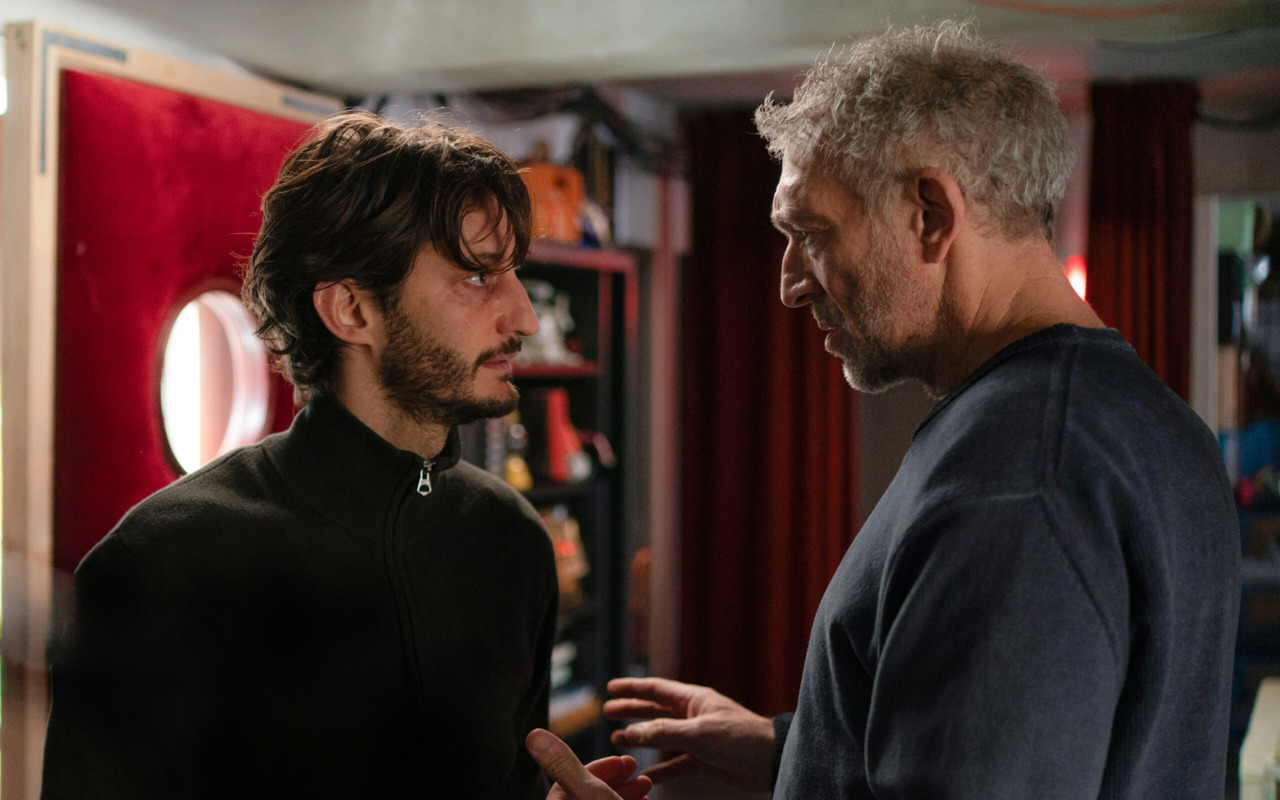



Just about every form of storytelling involves a deep curiosity about the lives of others, and the urge to use the imagination to fill in the gaps missing from one’s limited vantage point. A visual medium like film exposes the inherent voyeurism of this notion, but in Asghar Farhadi’s latest Cannes outing Parallel Tales (Histoires Parallèles), the act of watching is not a one-way street.
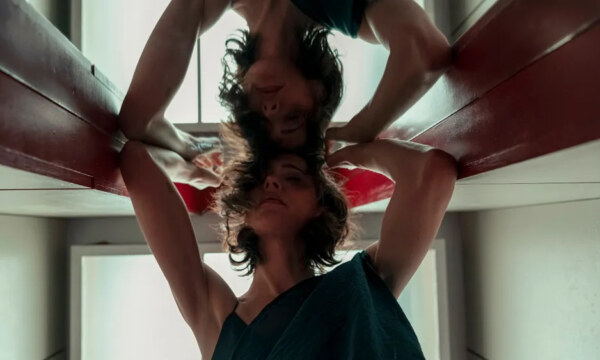
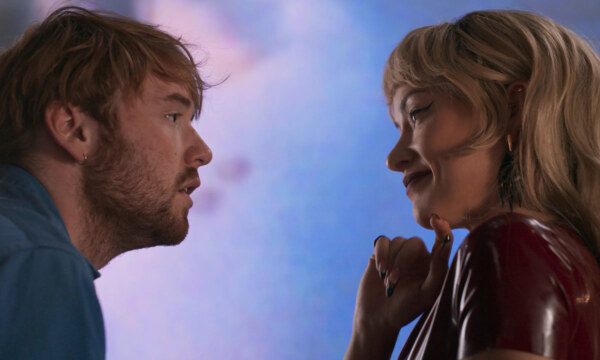
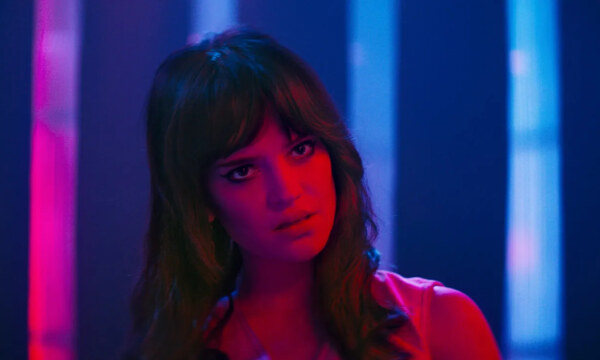
Writer Sylvie (Isabelle Huppert) was supposed to clear out her sprawling Paris apartment, when she gets distracted by a small telescope. As her magnified gaze turns to the radiant woman living across the street (Virginie Efira), she channels elaborate fantasies about her life into a lurid new manuscript. When Sylvie hires a young man (Extraction‘s Adam Bessa) to expedite the move, life starts imitating art and vice versa.
Farhadi finds enrapturing ways to frame the act of creation, as images of her writing and real life seamlessly flow into one another. The picture’s magnetic cinematography also has an acute awareness of each individual character’s gaze. Three pairs of eyes eventually find their way behind the telescope, and each time the lens reflects how every one of those characters look at different things and look at things differently.
But the observation doesn’t end on the visual level. As the novel’s subject works as a foley artist for films, sound becomes an equally important layer of what is perceived and how it is interpreted. The lines between imagination and reality are inevitably blurred, when one is only privy to a fraction of the latter.
The feature has one fatal flaw: it spins too much web and doesn’t know when to reel it in. Its insistence on adding a needless, violent turn to one of its storylines risks alienating the audience, as its inclusion in the plot only functions to propel another character’s reaction. The shift in perspective works for a certain portion of the story, but one wishes Farhadi had found a way to conclude or at the least revisit her initial reasons for turning her eyes to the apartment across the street. At 140 minutes, the film overworks its own material, as well as the viewer.
The first story to properly split audiences at this year’s festival, Parallel Tales is an evocative study of the eye of the beholder and the power of the narrative influencing the plot. However, one wishes it had found a more concise form to sharpen the strange intimacy it tackles, instead of diluting it. A stare that lingers too long is bound to lose focus.
Selina Sondermann
Read more reviews from our Cannes Film Festival 2026 coverage here.
For further information about the event visit the Cannes Film Festival website here.













Facebook
Twitter
Instagram
YouTube
RSS