
The Electric Kiss




It is the Roaring Twenties and Suzanne (Anaïs Demoustier) works at a carnival, where men pay to kiss her as electric current is pumped through her body, resulting in a quite literal spark. One night she is mistaken for one of her colleagues, the medium Claudia. The financial incentive compels her to continue with the charade, and she pretends to make contact with a drunken painter’s (Pio Marmaï) deceased wife. Complications arise, when she starts to develop feelings for the widower.
Opening the 79th Cannes Film Festival, The Electric Kiss (La Vénus Électrique) is meant to be a light and breezy welcome, but its first steps are a little sluggish for its genre. The problem with a rom-com setup like this is how predictable each narrative beat is to an audience. The utter lack of surprise can lead to an experience, where the viewer feels three steps ahead of the characters and just waits for them to catch up. Fortunately, the feature gains traction once the supposed spirit, Irène (Vimala Pons), is actually given a shape and characteristics of her own. With this added layer comes a glimpse beneath the surface, not only to her, but to the entire story. The role of so-called muse is examined, herein as both a challenge and a tool for artistic validation. The complex dynamic of this love triangle between ghost, artist and con-woman leads to further musings on the general willingness to believe: be it in spectacle or another person.
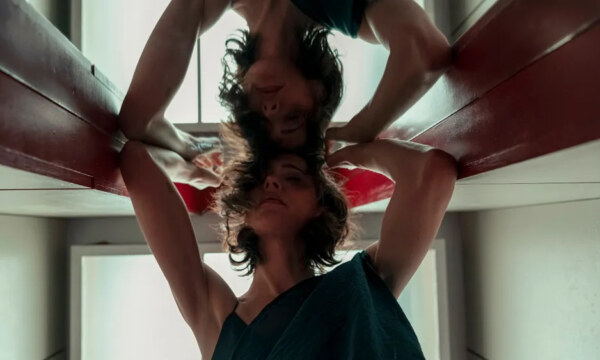
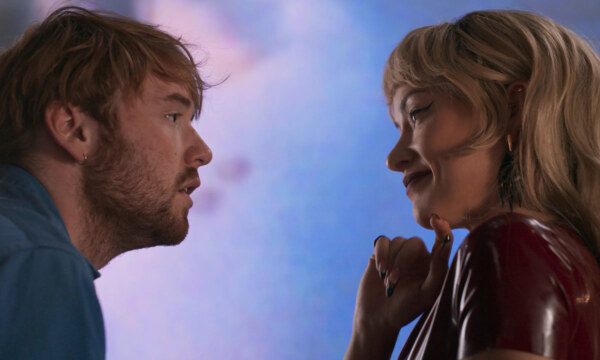
The cast do their best within the picture’s campy tone, where declamatory performance is placed over realism and fainting is a repeat occurrence. It is features such as this which explain why the French default word for actor is “comedian.” It is Demoustier who is given the greatest room to manoeuvre and who delivers a standout performance. However, Marmaï and Pons’s comparatively sincere rapport must not be overlooked – perhaps less flashy than the high-key segments set in the “present” timeline but the emotional weight of these depicted memories is what allows for the entanglement to feel earned.
Stylistically, the film is a little underwhelming and would not feel out of place in any European television matinee. There are some particularly unfavourable computer-generated images: the cityscape of Paris, digitally purged of modern intrusions, looks too glossy to feel real, despite the inclusion of derelict buildings.
Despite its overall amusing air, The Electric Kiss suffers from a tepid start, lacking the heat or excitement to get its viewer immediately hooked. As it seems destined for streaming, rather than any grand cinematic exploits, this can prove fatal, but for fans of romantic comedies, perseverance pays off.
Selina Sondermann
The Electric Kiss does not have a release date yet.
Read more reviews from our Cannes Film Festival 2026 coverage here.
For further information about the event visit the Cannes Film Festival website here.




















Facebook
Twitter
Instagram
YouTube
RSS