
Warhorse at the National Theatre
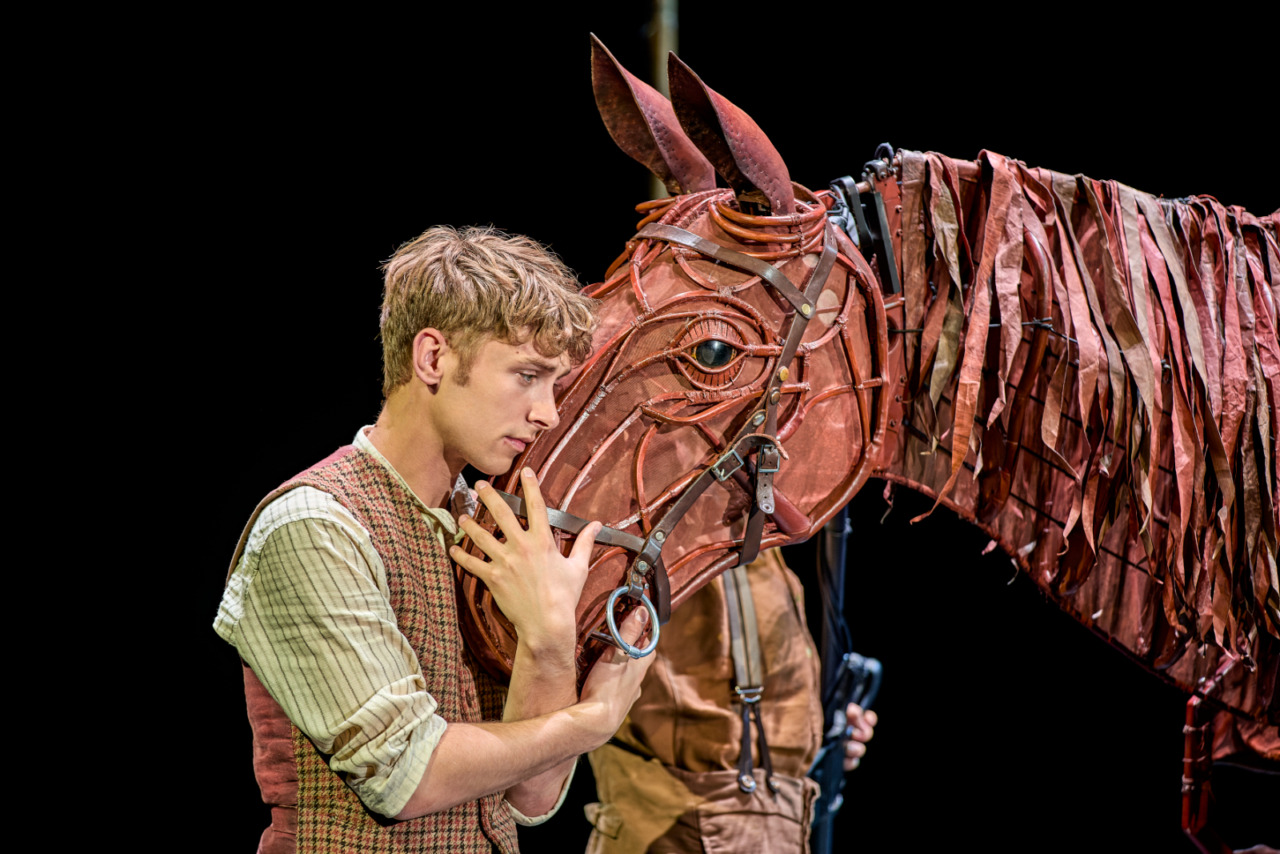

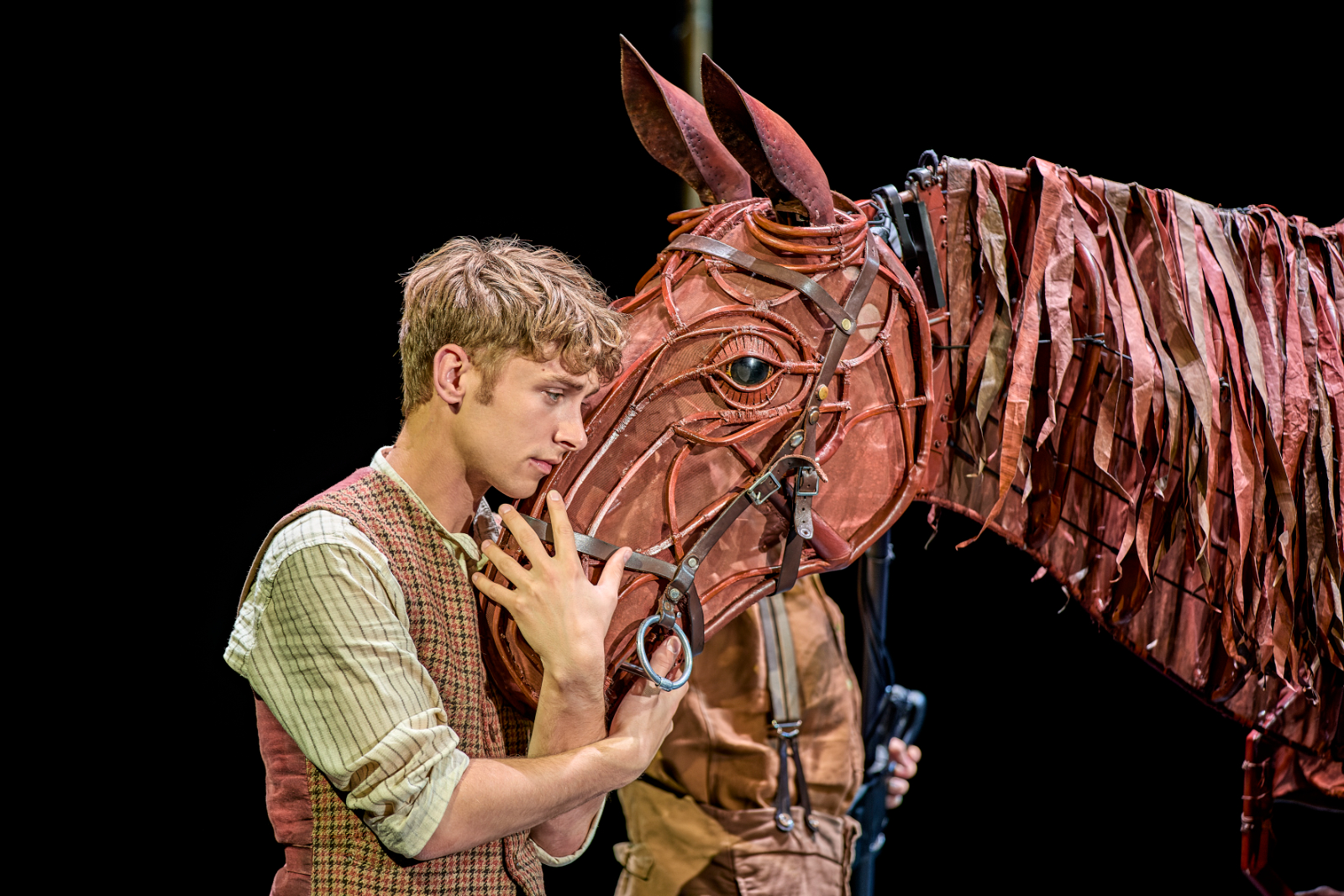
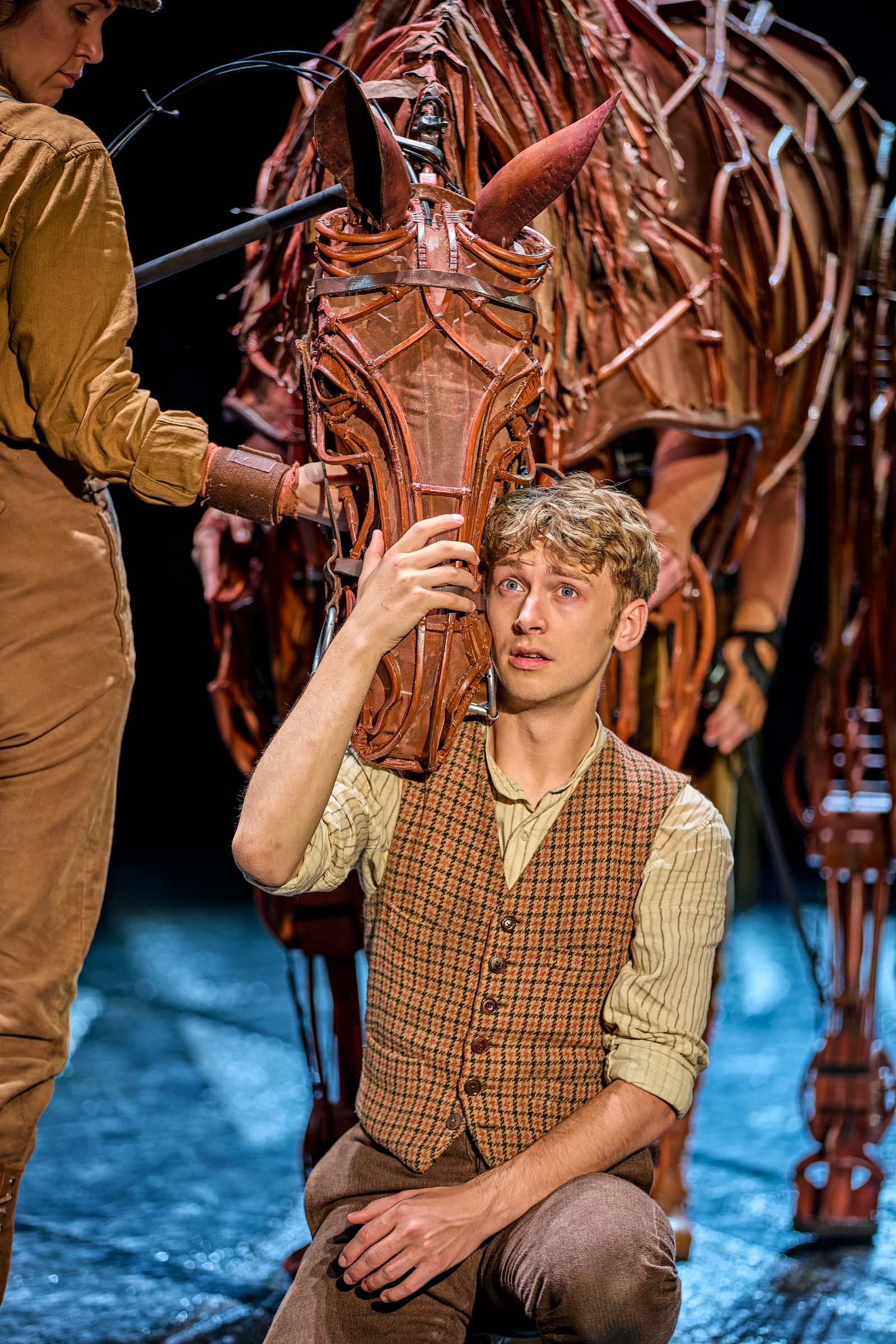
Returning to its stomping ground at the National Theatre is the insanely popular wartime play War Horse, based on the 1982 novel by Michael Morpurgo. The story follows a young boy, Albert Narracott (Tom Sturgess), and his unbreakable bond with his horse, Joey, as well as his journey to get Joey back.
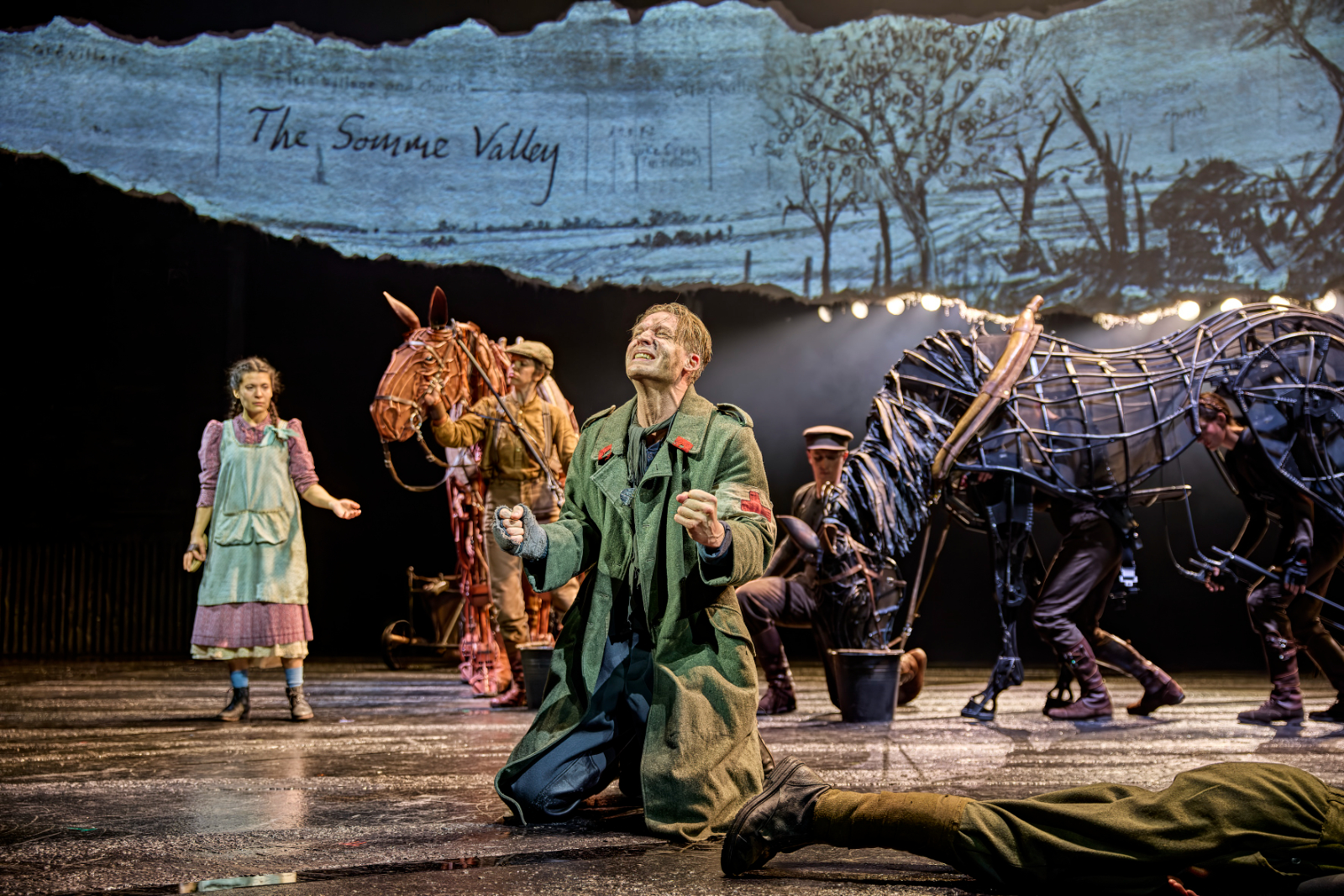
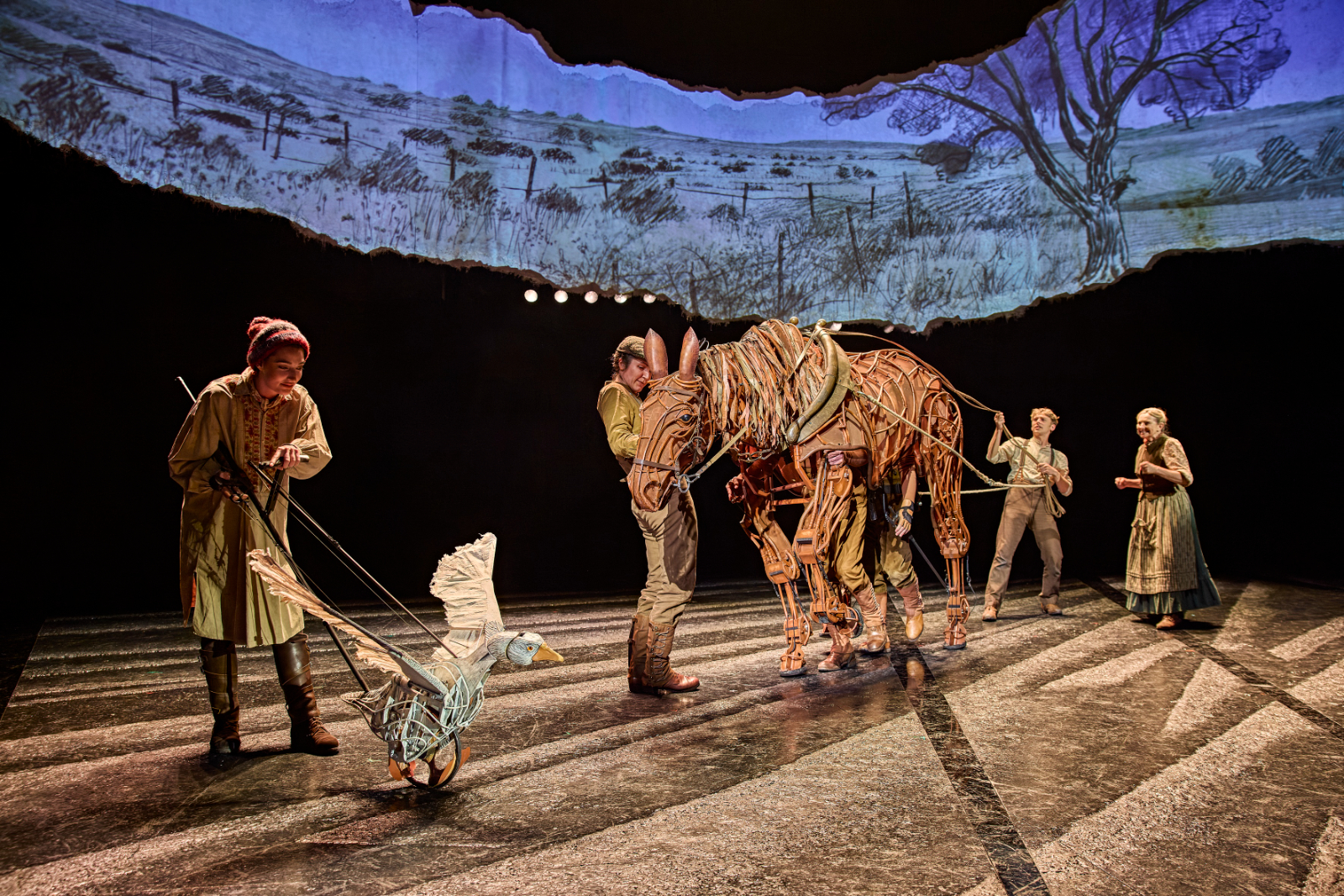
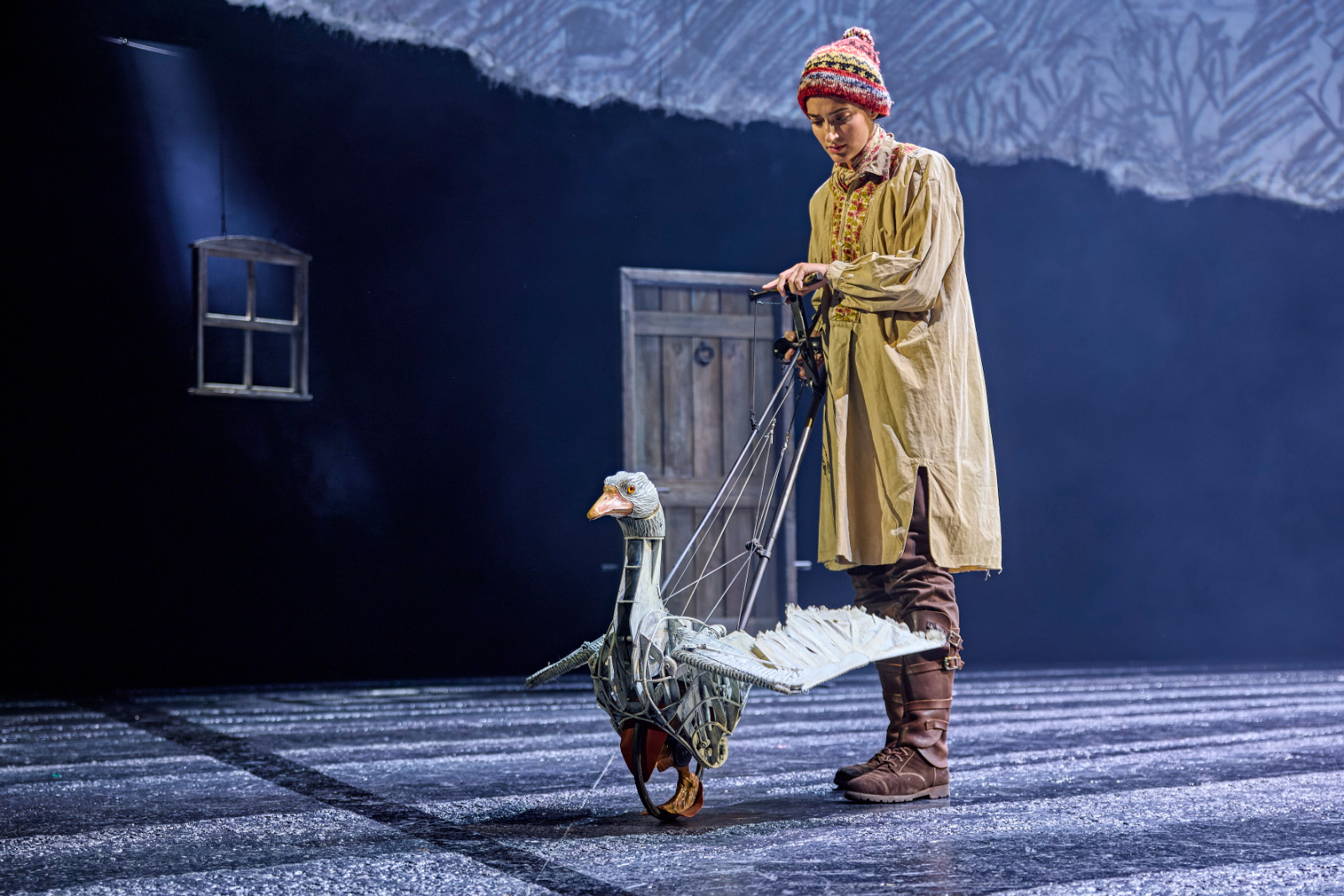
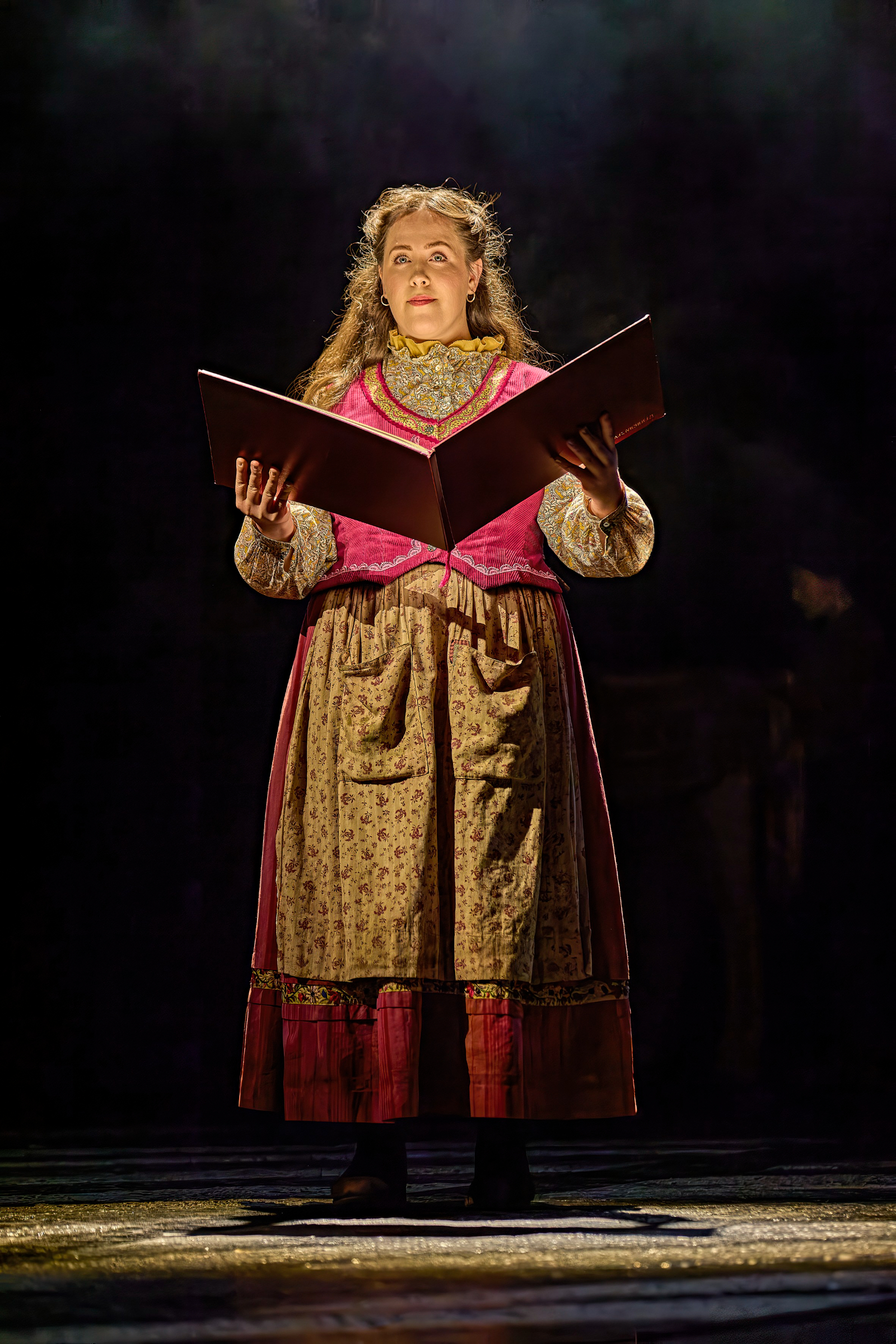
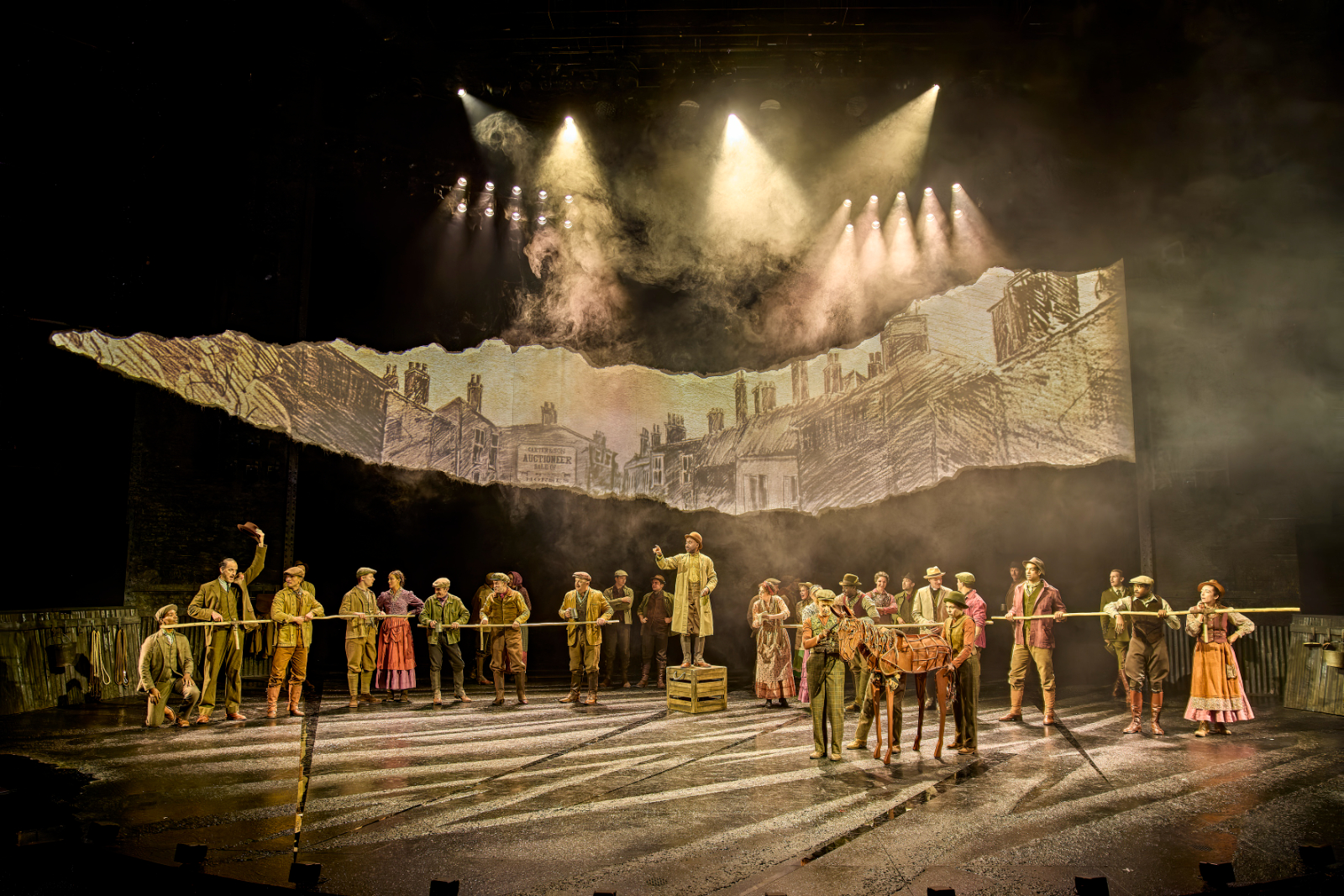
Directed by original War Horse director Tom Morris and revival director Katie Henry, the production almost staunchly follows Nick Stafford’s vision for the adaptation from 2007. Still, this version dials up the theatrics. We have Sally Swanson as The Singer, narrating key parts of the play and singing hope to the boys during war sequences. We have two crows and a goose puppet, flashes, and slow-motion sequences that come together to reflect the melancholy reality of World War I.
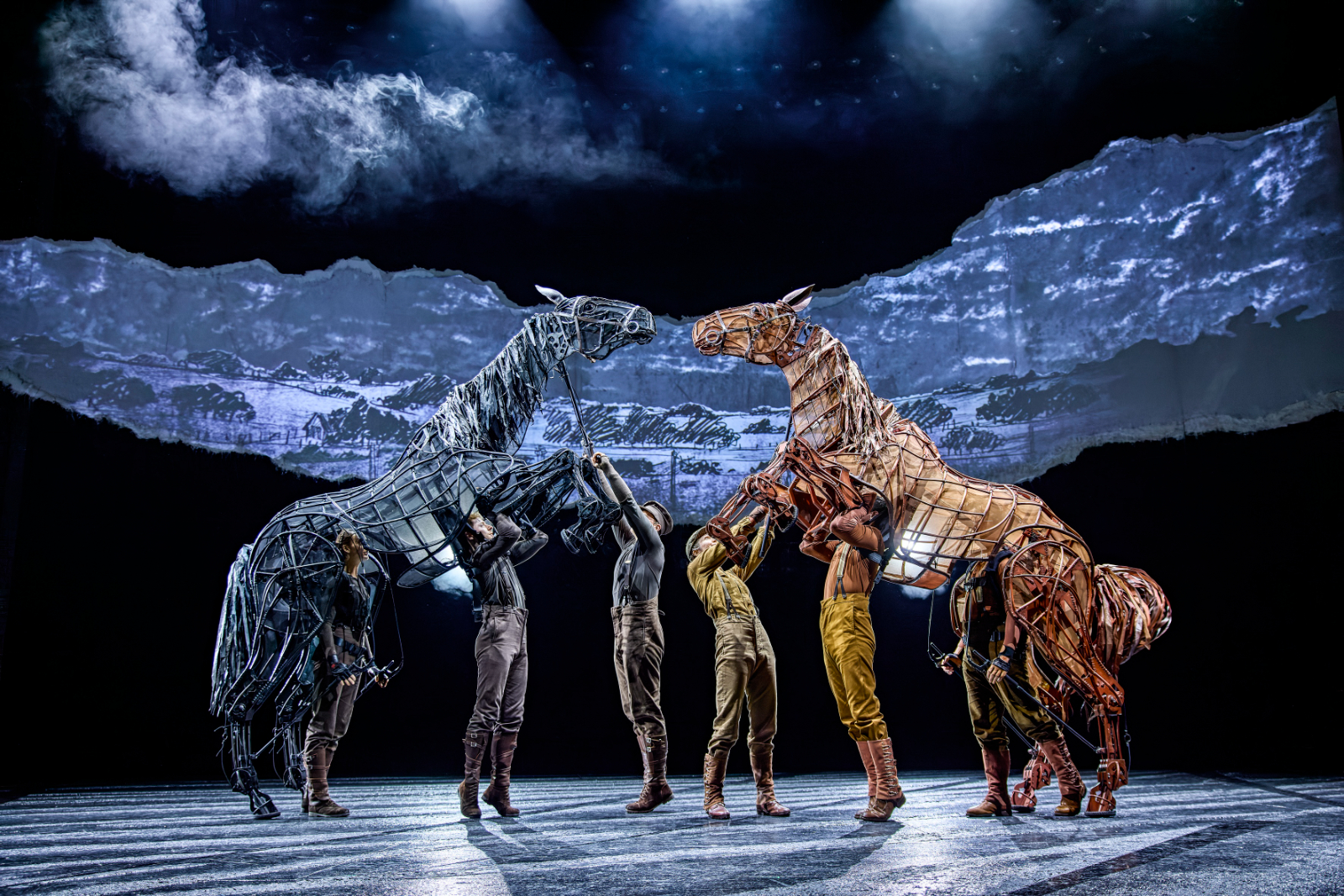
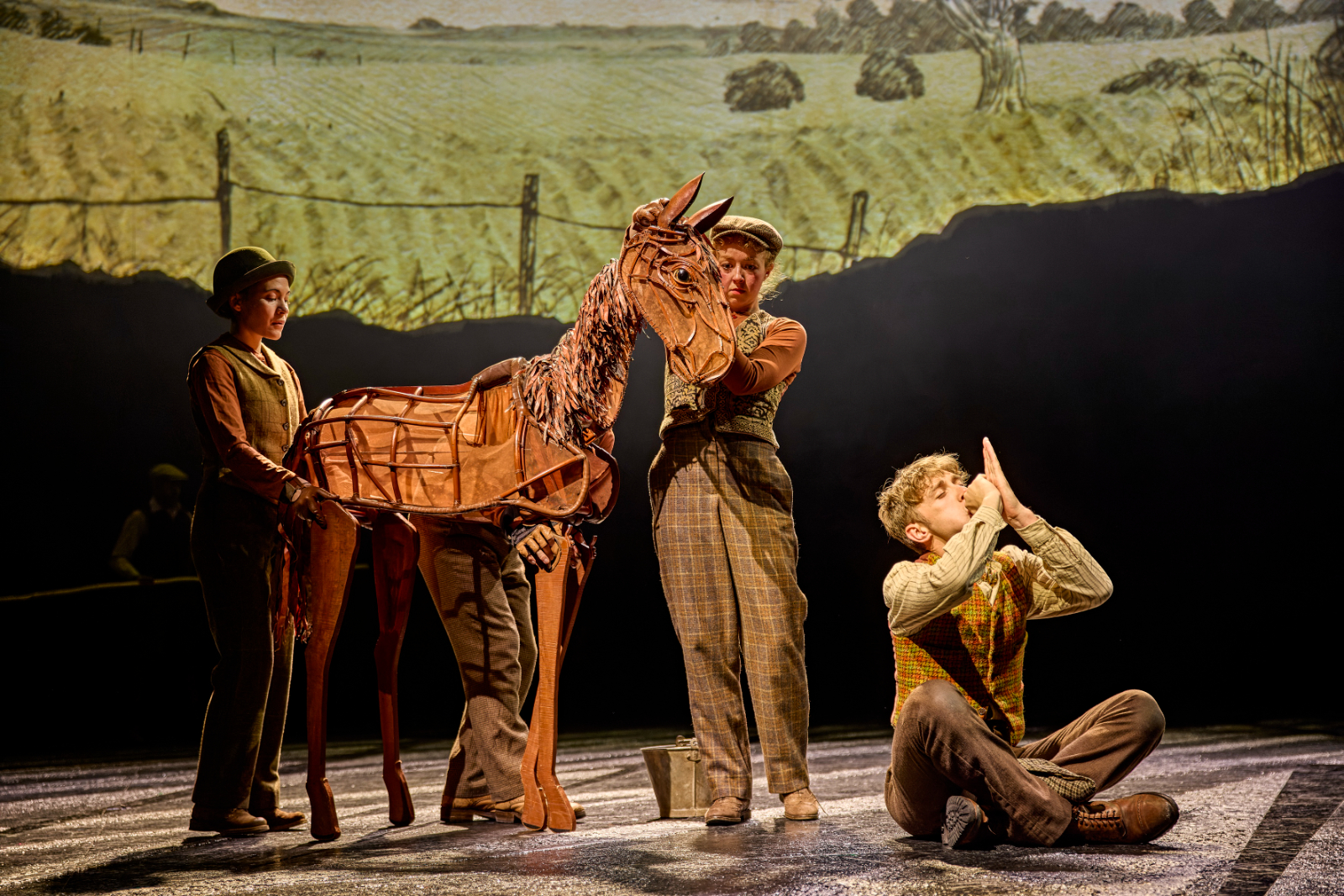
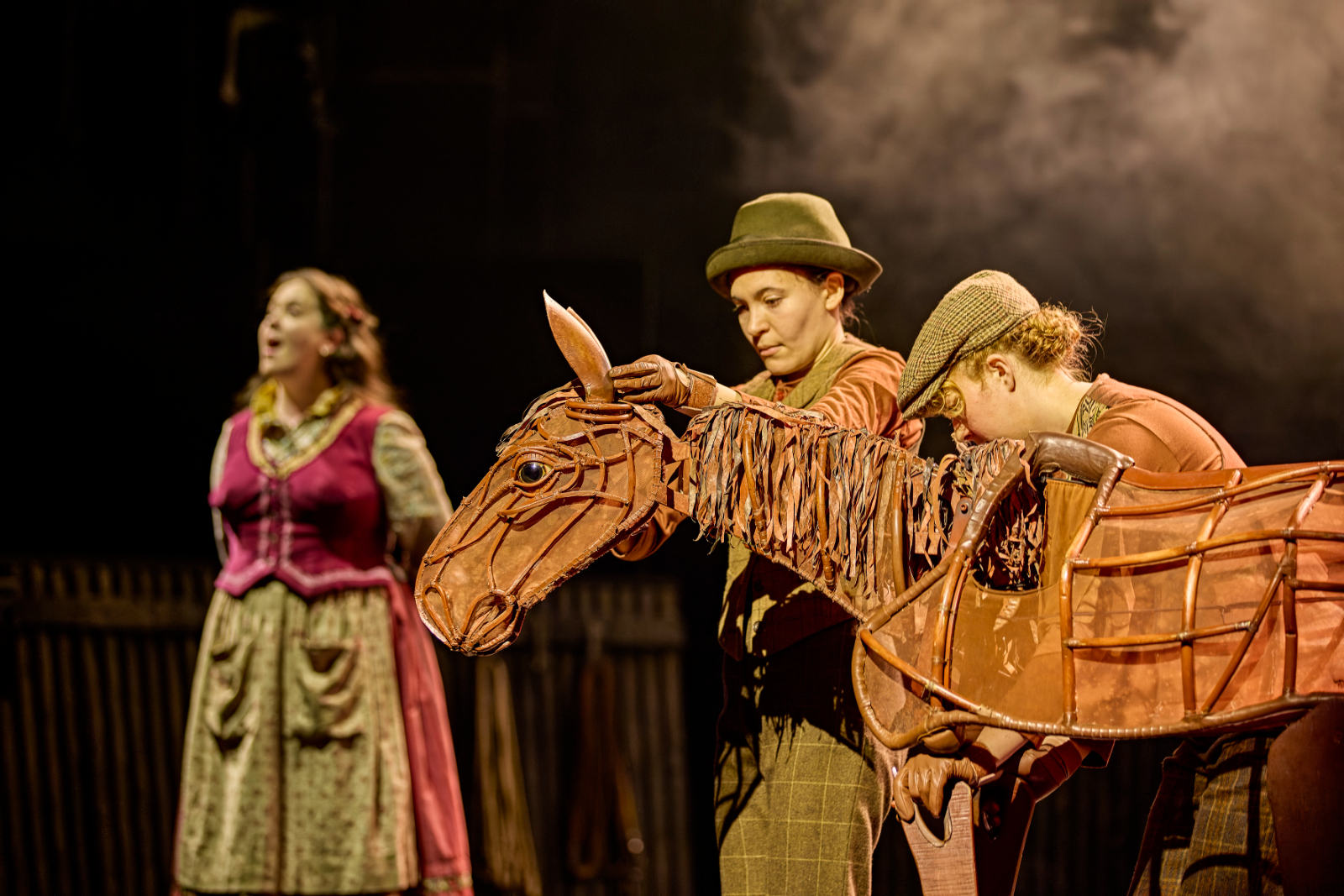
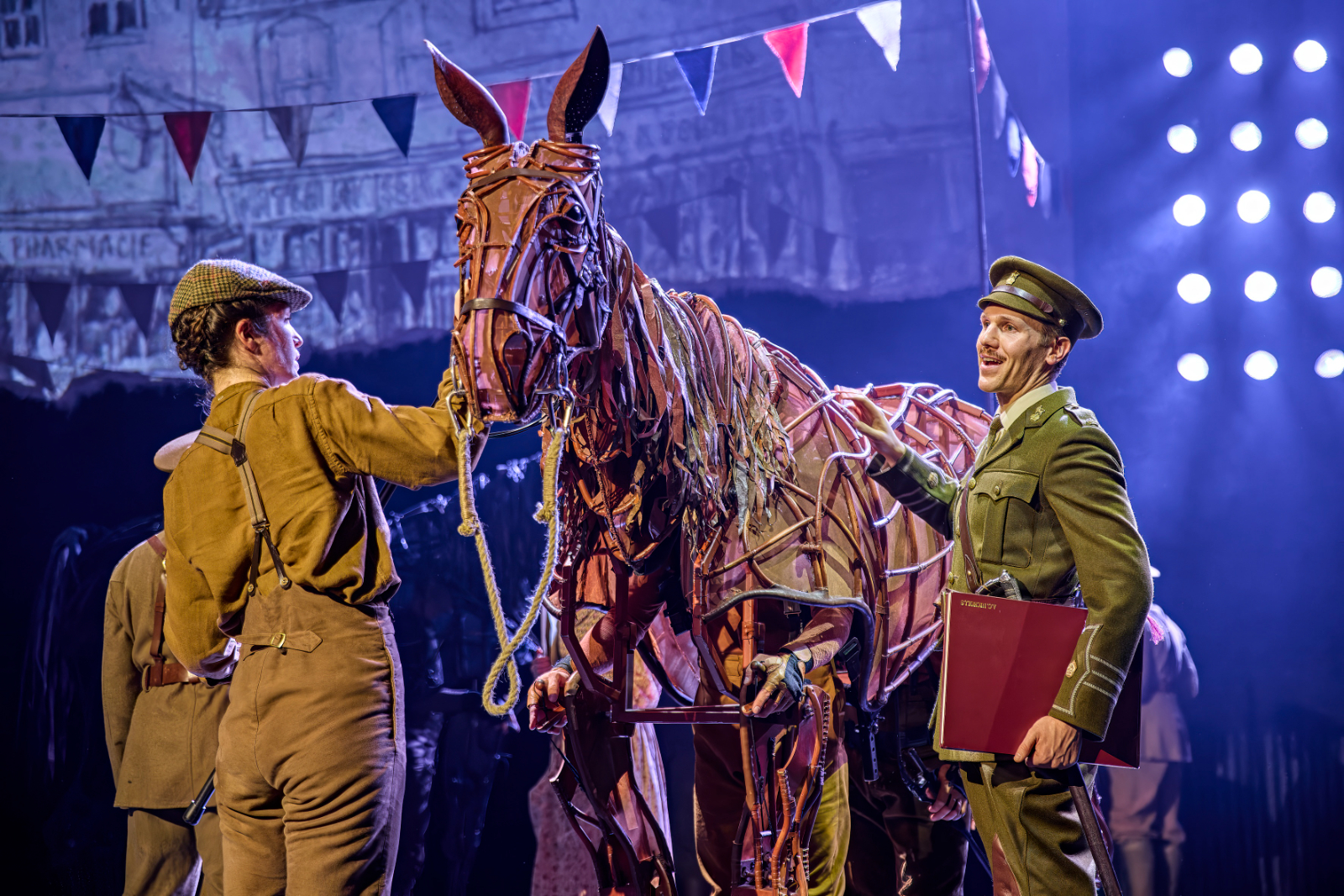
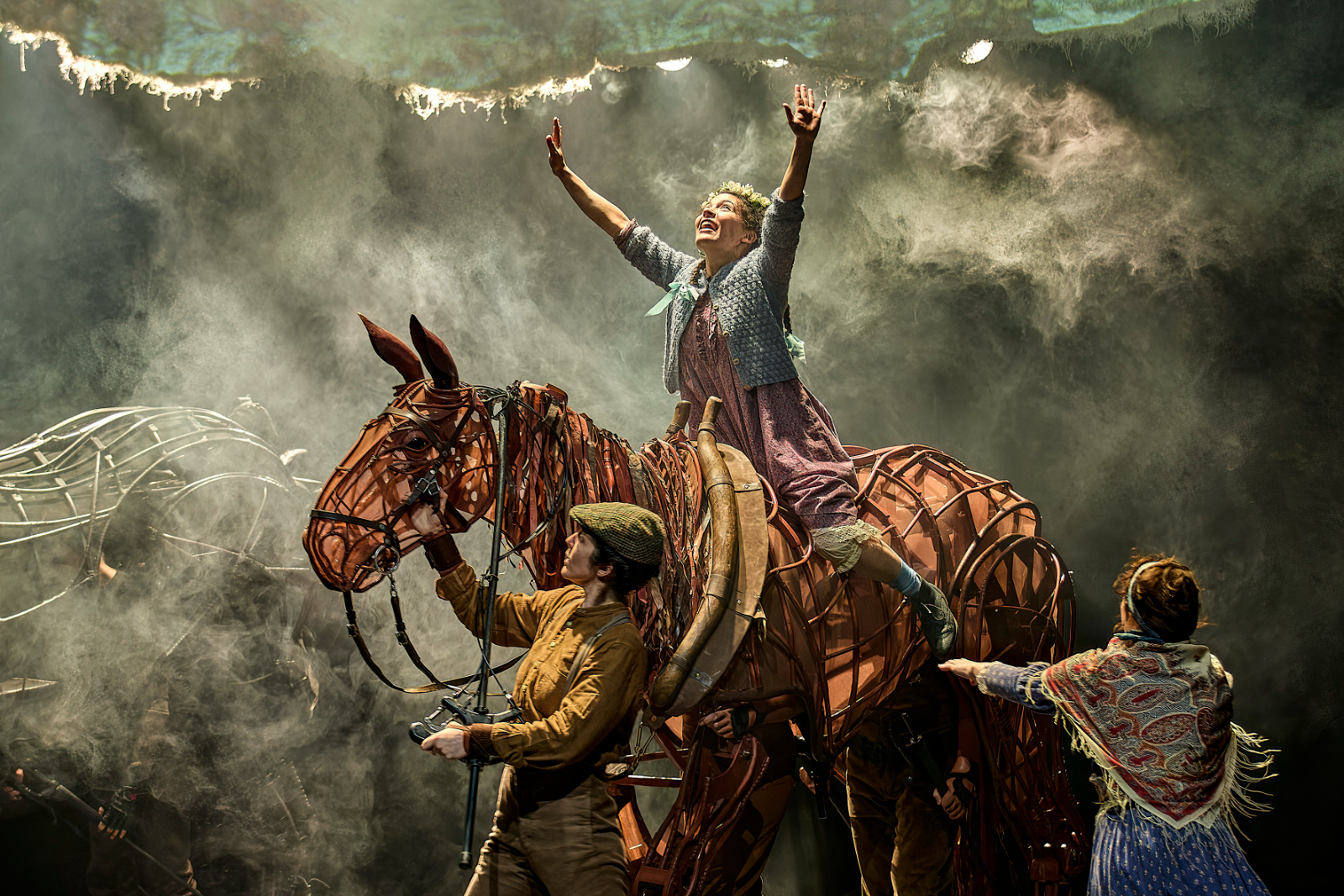
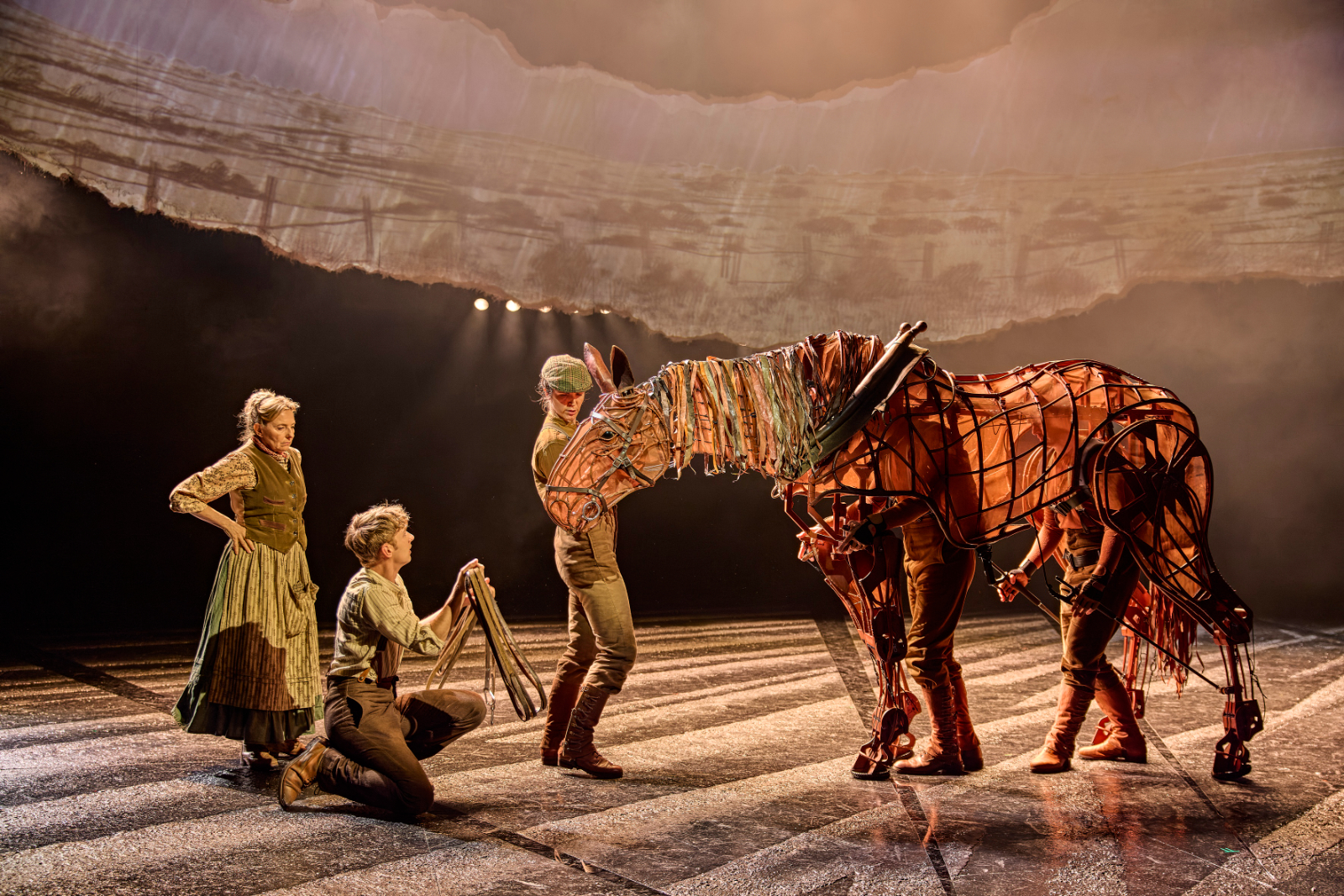
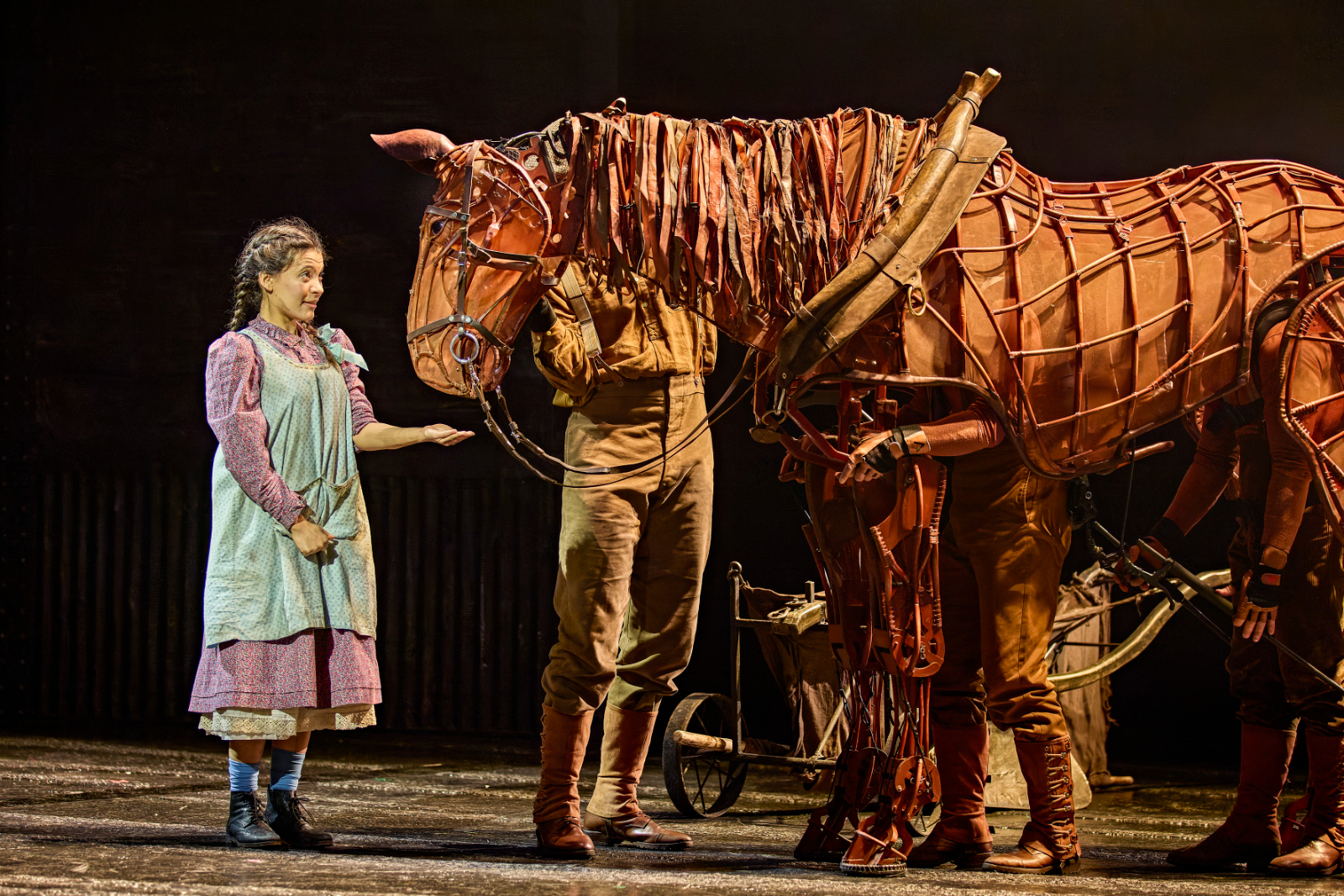
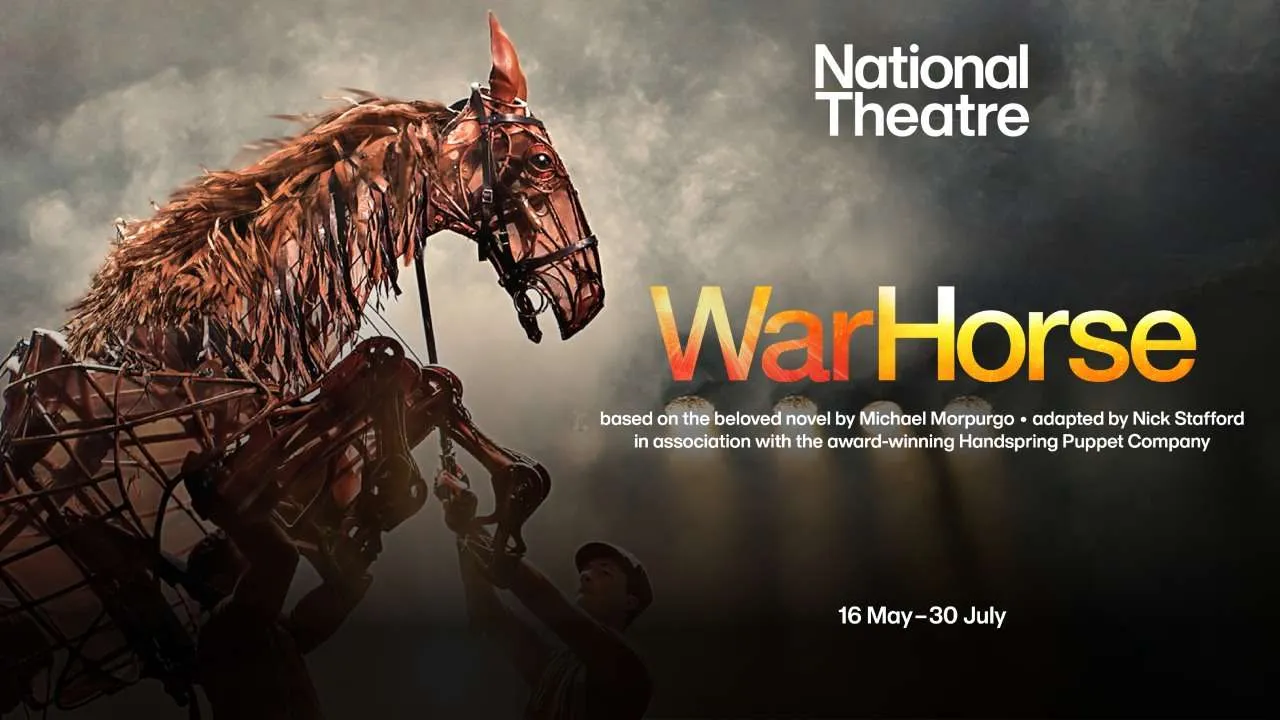
Not to mention the incredible (and terrifying) work of Adrian Kohler in creating the most realistic horse puppets for Topthorn and Joey. Although we can see the people moving baby Joey, as the horse transitions into a stallion when spring comes, a new Joey reveal gives us a big, brown, strong-looking puppet, operated by three puppeteers: one handling Joey’s incredibly realistic sounds and emotions, another controlling the front and a third the back.
The craftsmanship and choreography of the horse’s movements feel immaculate. At first, it felt a bit gimmicky, with Joey rearing and neighing in an over-exaggerated manner, but with Joey, that’s the point. As Albert points out later, when Joey is being sold into the yeomanry, he is a “spirited horse”, and Toby Sedgwick’s stellar choreography captures that with every neigh and bow.
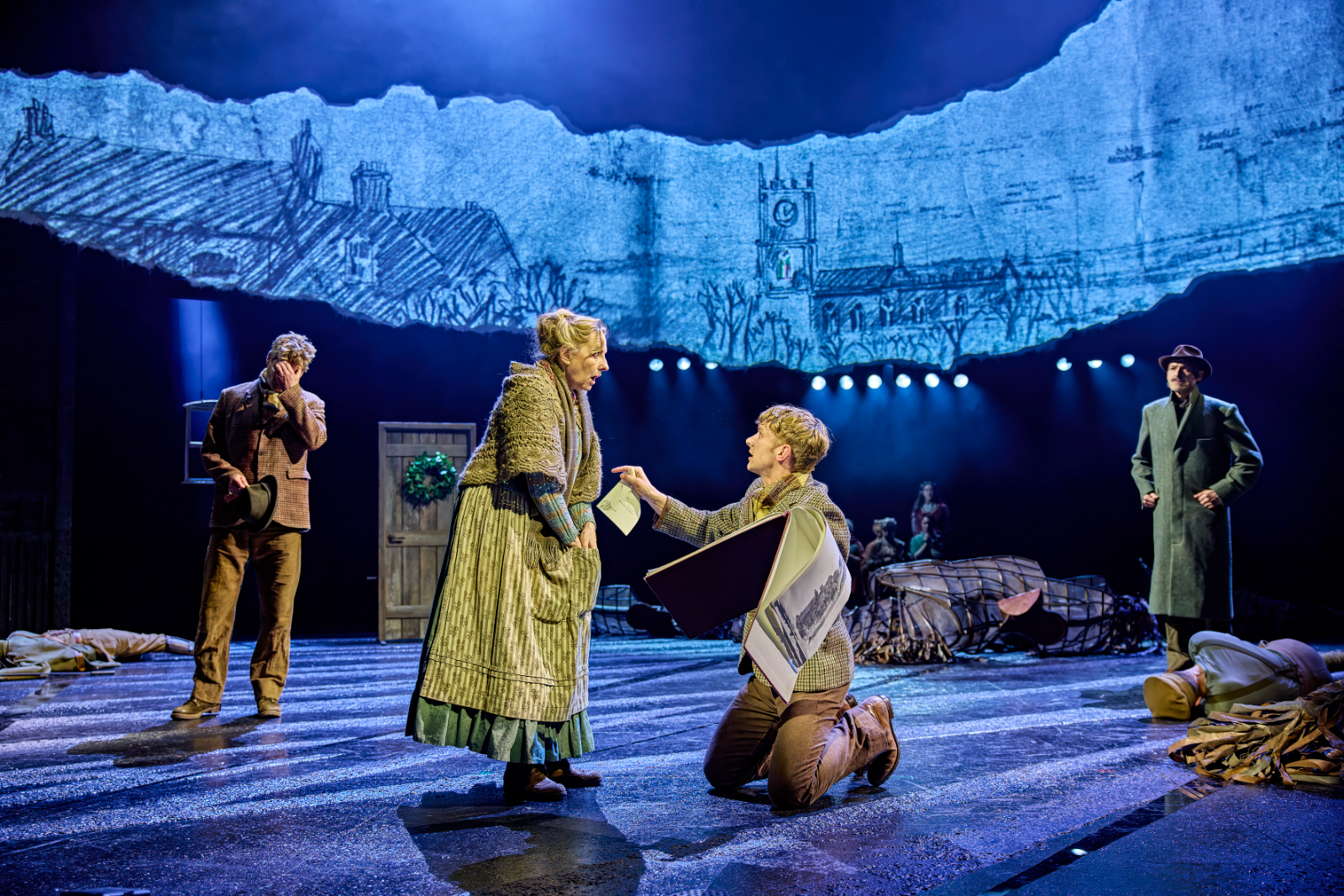
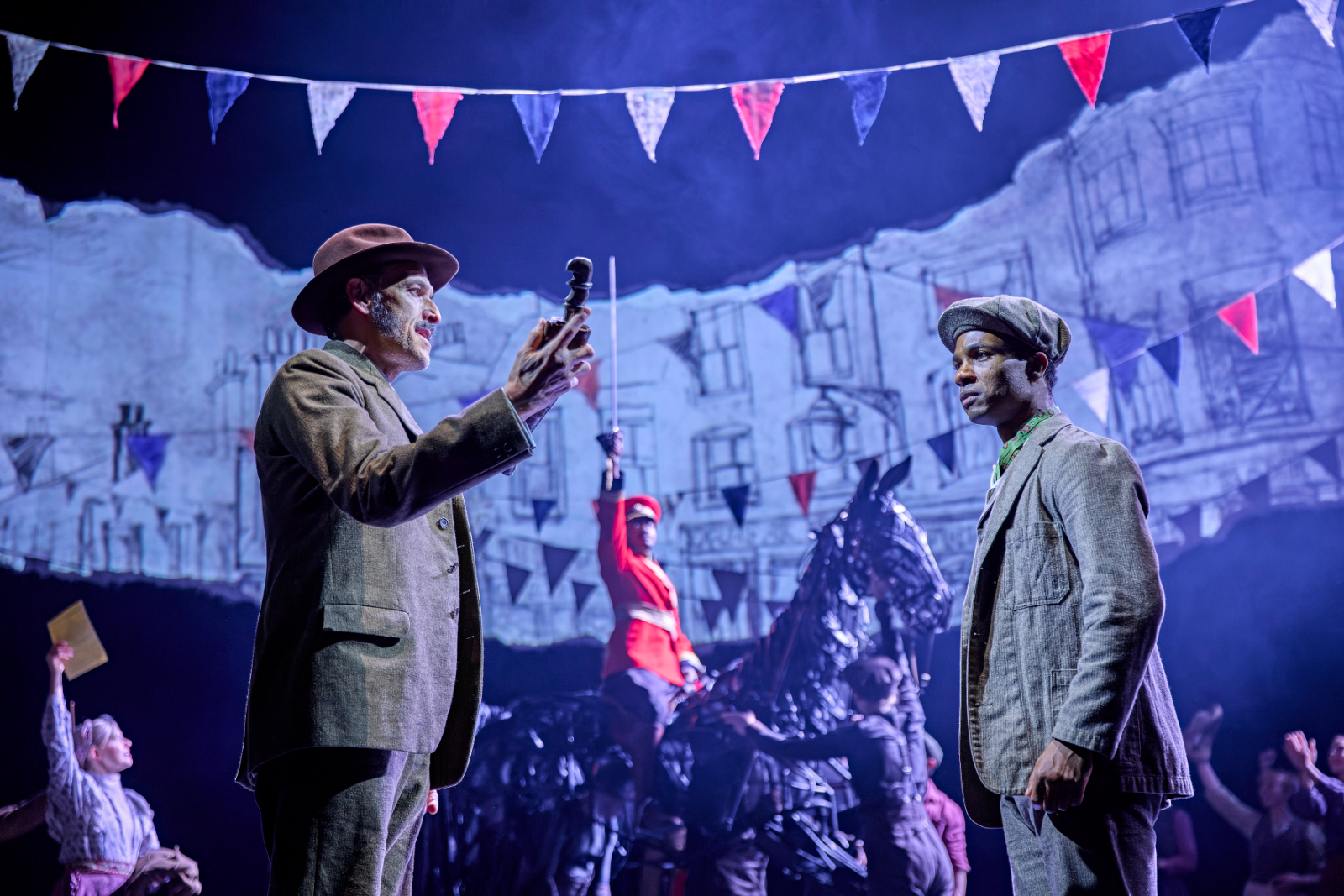
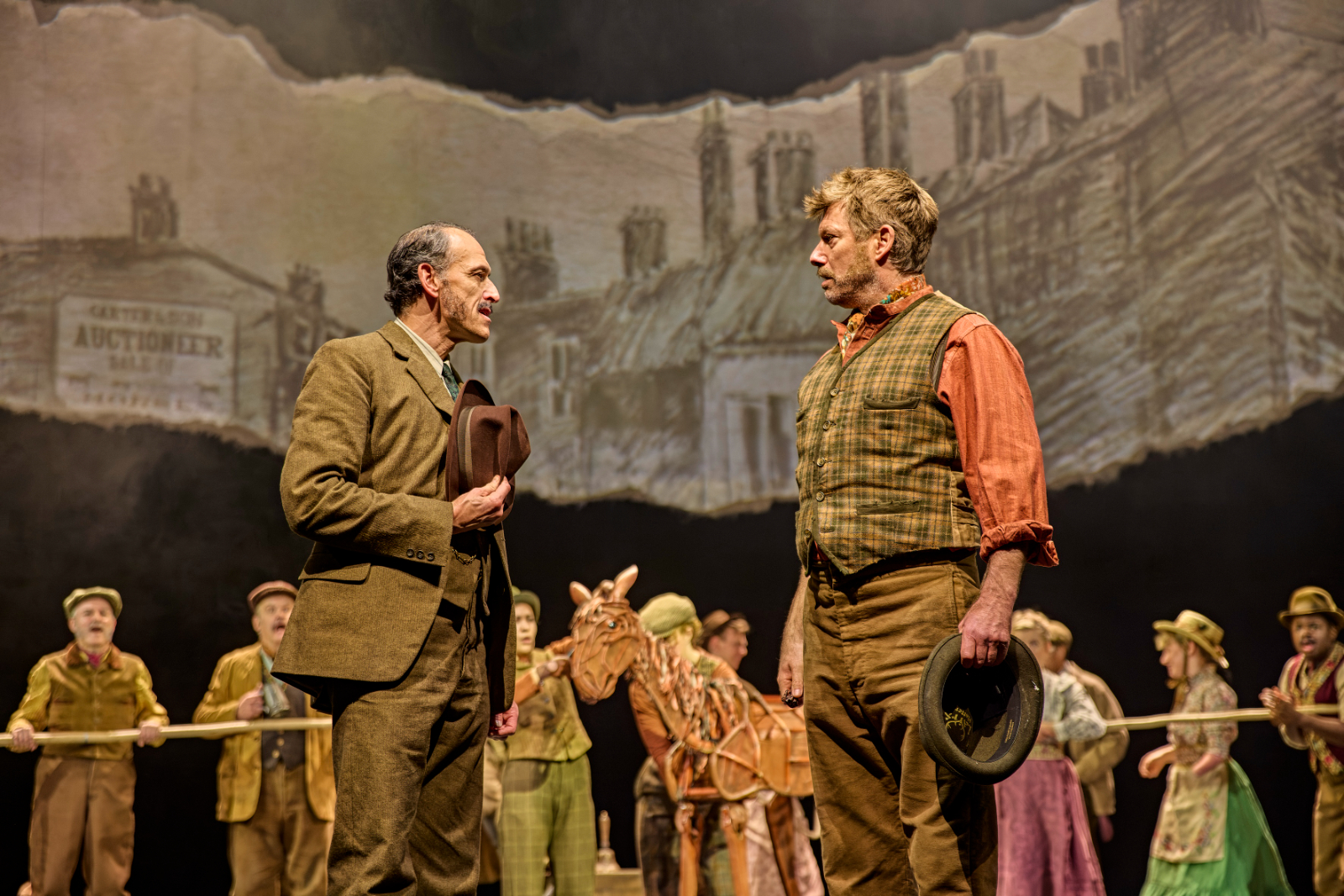
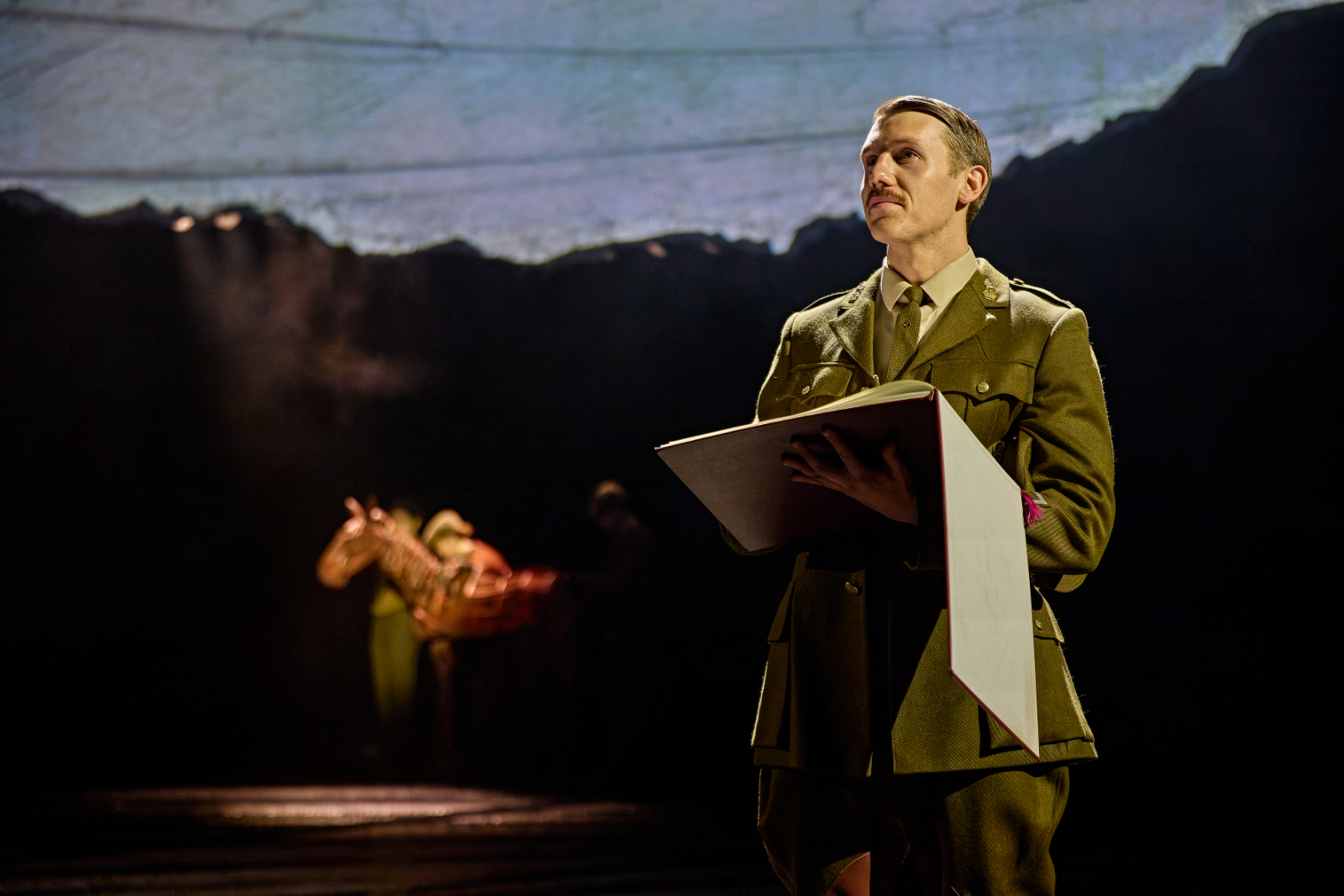
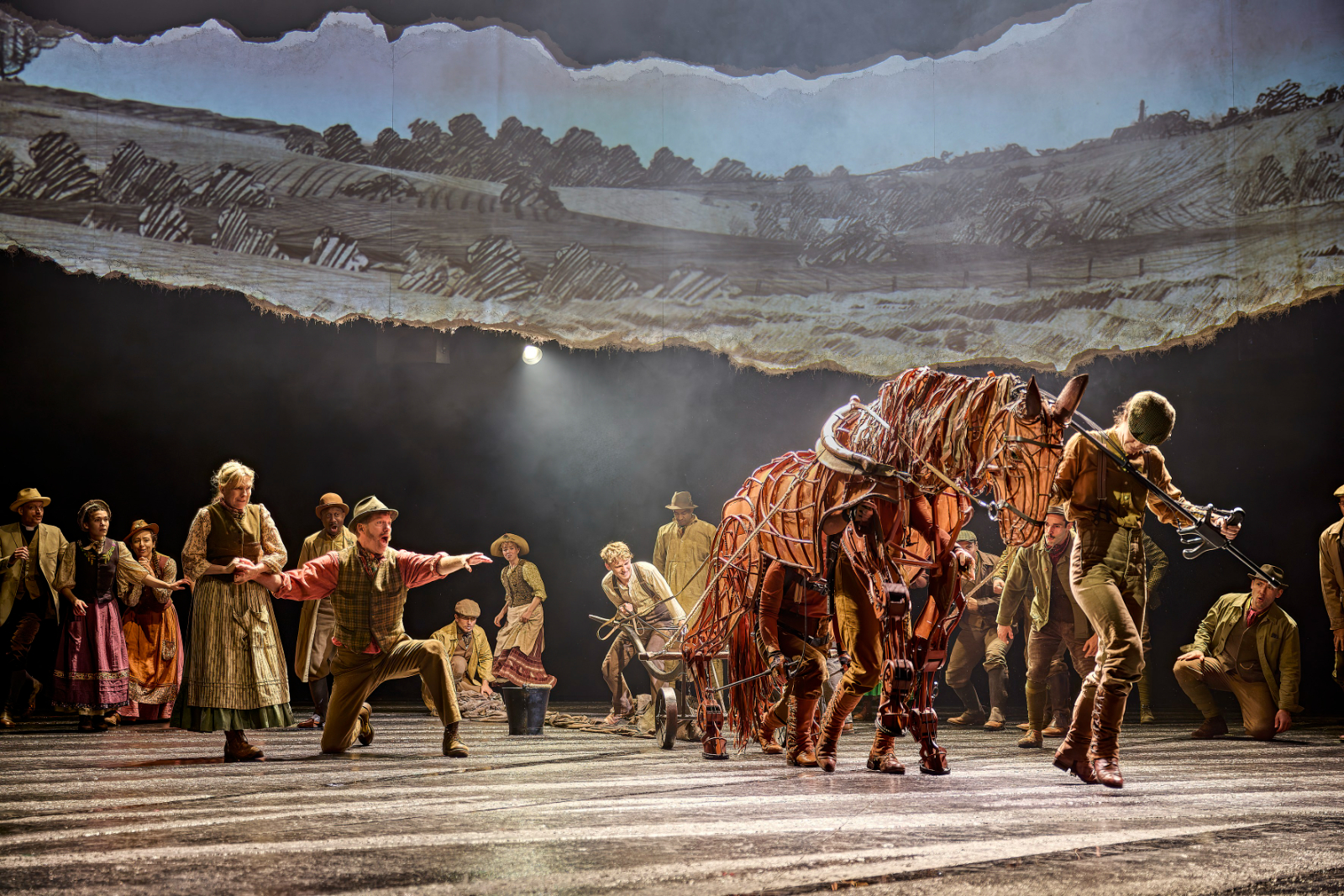
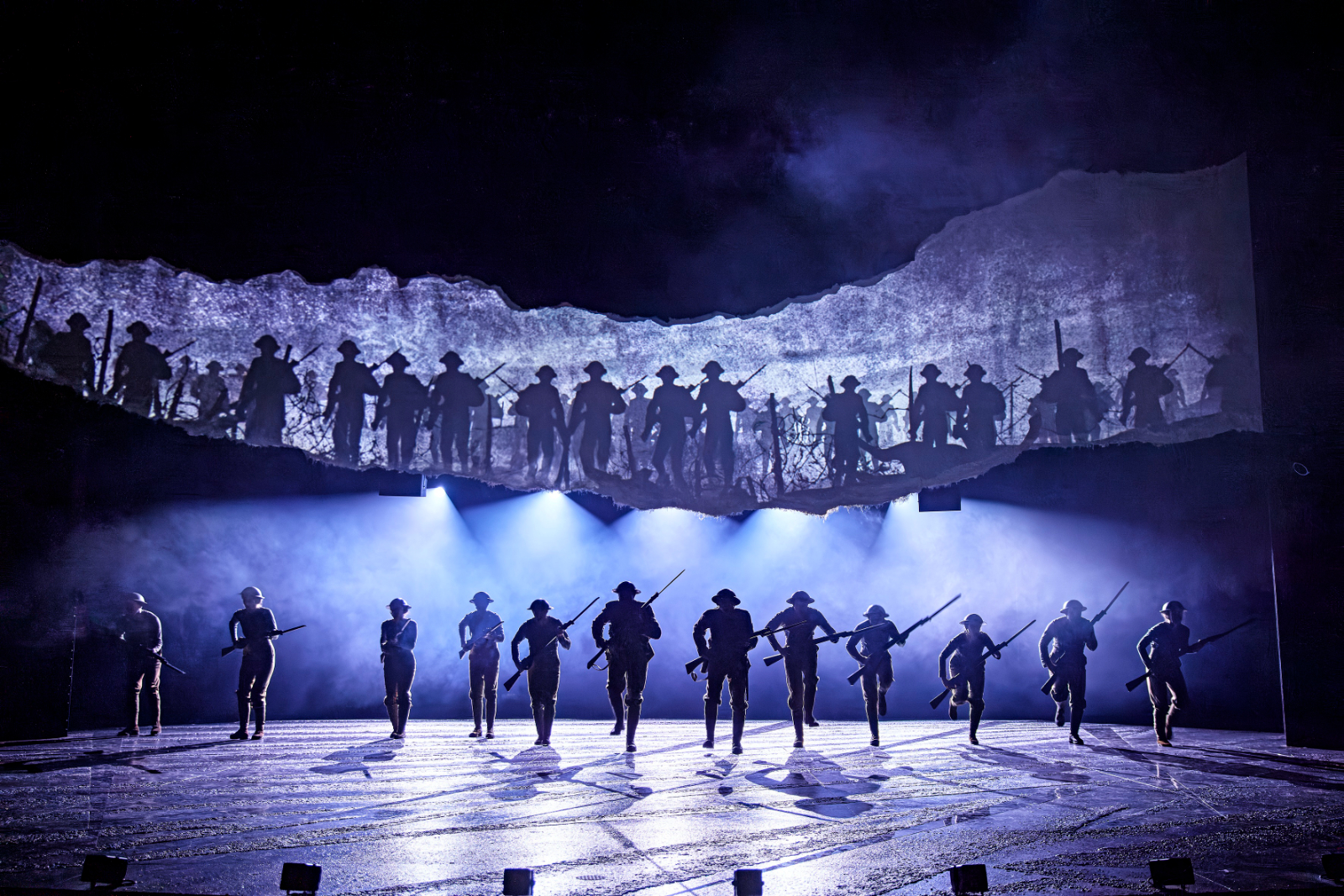
Most importantly, Joey isn’t overshadowed by any of the ensemble, who do a lovely job singing and providing comedic relief when needed. The minimal set design by Rae Smith keeps our attention on the locations: the Western Front and a farm in Devon. Our only large visual aid is what looks like a torn strip of paper or a sketchbook hung from the ceiling that gives us written and weather hints, letting us know where we are in the story. The weather transitions are especially helpful in showing us time passing; from Albert on the frontline to the seasonal changes as Joey grows, we realise how long the love story between man and horse lasts.
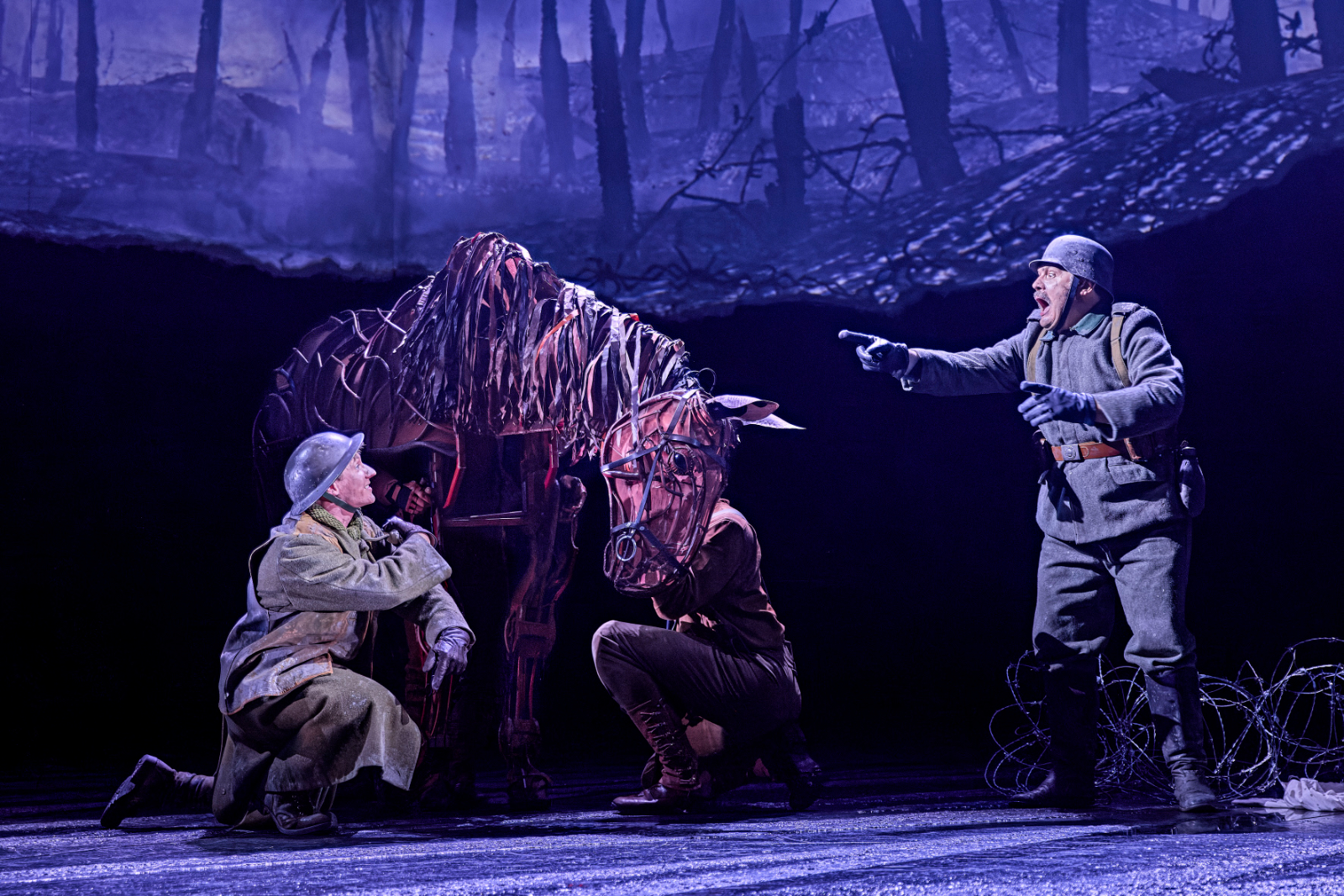
But there isn’t a lack of production. Sounds and sights are at the forefront of the war, with Adrian Sutton using intense scores to draw us to the frontline, and Christopher Shutt giving us loud roaring gunfire and the yells of soldiers fighting to stay alive. Every member of the ensemble has their place in the war, raising the stakes and making us yearn for Albert to survive and find his childhood horse.
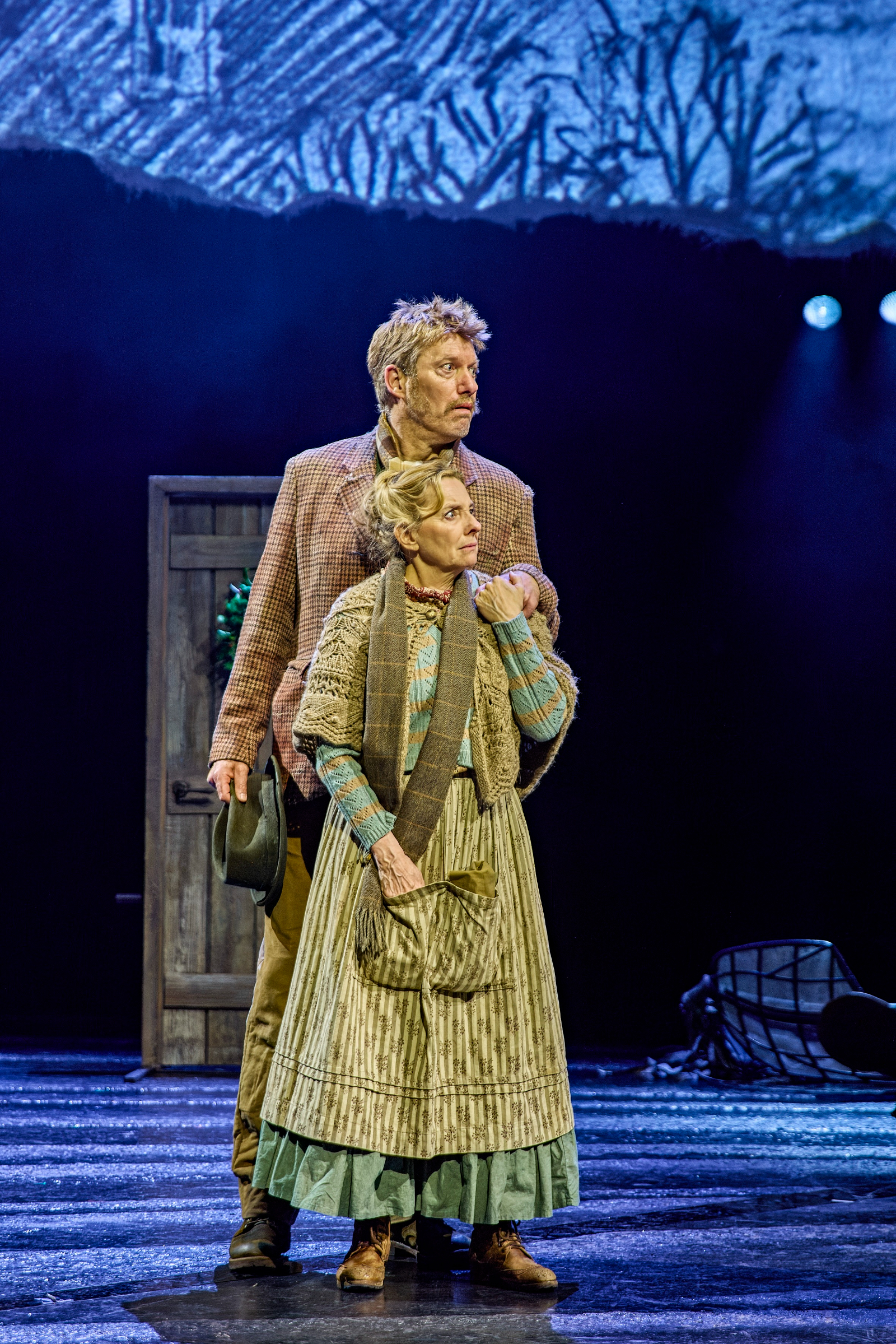
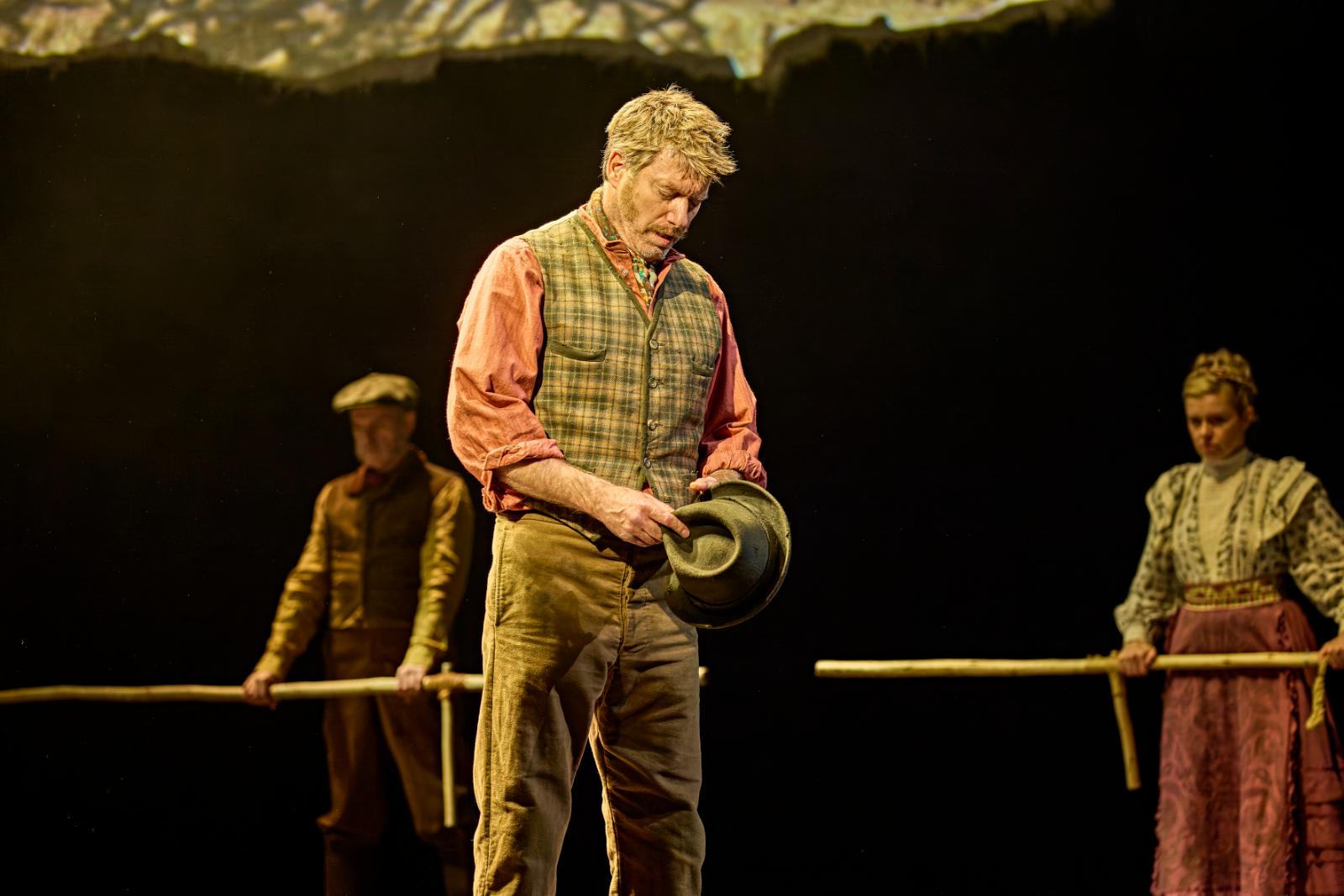
Cast highlights include Jo Castleton as Albert’s blunt and loving mother, Rose, and Stephen Beckett as his gruff and stubborn father, Ted. The three capture the true dynamic of a struggling family with different priorities. There are also stars among Albert’s wartime comrades. Ike Bennett as David is endearing, Owen Dagnall as the Geordie is a delight, and the quiet force among them all, who brings every emotion to his performance, is Manuel Klein as German captain Friedrich, although the accent is a little off.
The return of War Horse is a pleasant one. The production blends everything together, creating a tear-jerking story of the bond between human and animal.
Even as a puppet, Joey feels raw and real, and Albert’s affection for him doesn’t feel stilted. War Horse is a story of triumph, trust, and innocent love; a must-see.
Sophie Humphrey
Photos: Brinkhoff-Moegenburg
Warhorse is at the National Theatre from 2nd June until 30th July 2025. For further information or to book, visit the theatre’s website here.


Watch the trailer for Warhorse at the National Theatre here:





Facebook
Twitter
Instagram
YouTube
RSS