
How to pick the right Cornish coast for your cottage holiday
 7 July 2026
Cornwall attracts a huge number of holidaymakers every year. In fact, figures from Visit Cornwall show the county receives over 4 million overnight visits annually, on top of around 14 million day trips. With so many people heading south-west, booking your accommodation early is essential if you want to secure the best locations. Before you look at properties, though, you’ll need to decide which part of the coast suits your holiday style.
The county has more than 300 beaches spread across coastlines that face in completely different directions. Choosing between the rugged northern cliffs and the gentle southern estuaries will determine what kind of activities you can enjoy right outside your door. To make sure you pick the right base for your trip, let’s take a closer look at how these regions compare.
The wild Atlantic waves of the north coast
The northern side of Cornwall faces the open Atlantic, which creates a spectacular and dramatic environment. This coast is famous for its massive sandy beaches, high cliffs and excellent surf. Towns like Newquay and Bude serve as major hubs here, with plenty of restaurants, shops and surf schools for active visitors. If you want a holiday filled with water sports, beach games and lively evening entertainment, this side of the county is ideal.
Families with teenagers often prefer the north coast because there’s always something to do. You can spend your days learning to surf at Fistral Beach or exploring the huge expanse of sand at Watergate Bay. This exposed stretch takes the full force of the Atlantic swells, so the weather can change quickly and the sea is often rough. That makes it a fantastic option for people who love wide open spaces and the buzz of a busy seaside resort.
Many holidaymakers stay in Cornwall coastal cottages in this northern region to stay close to the top surf spots. Staying within walking distance of the beach means you won’t have to worry about finding parking during the busy summer months. Instead of driving around looking for a space, you can simply grab your board and walk straight to the waves.
The sheltered havens and quiet coves of the south
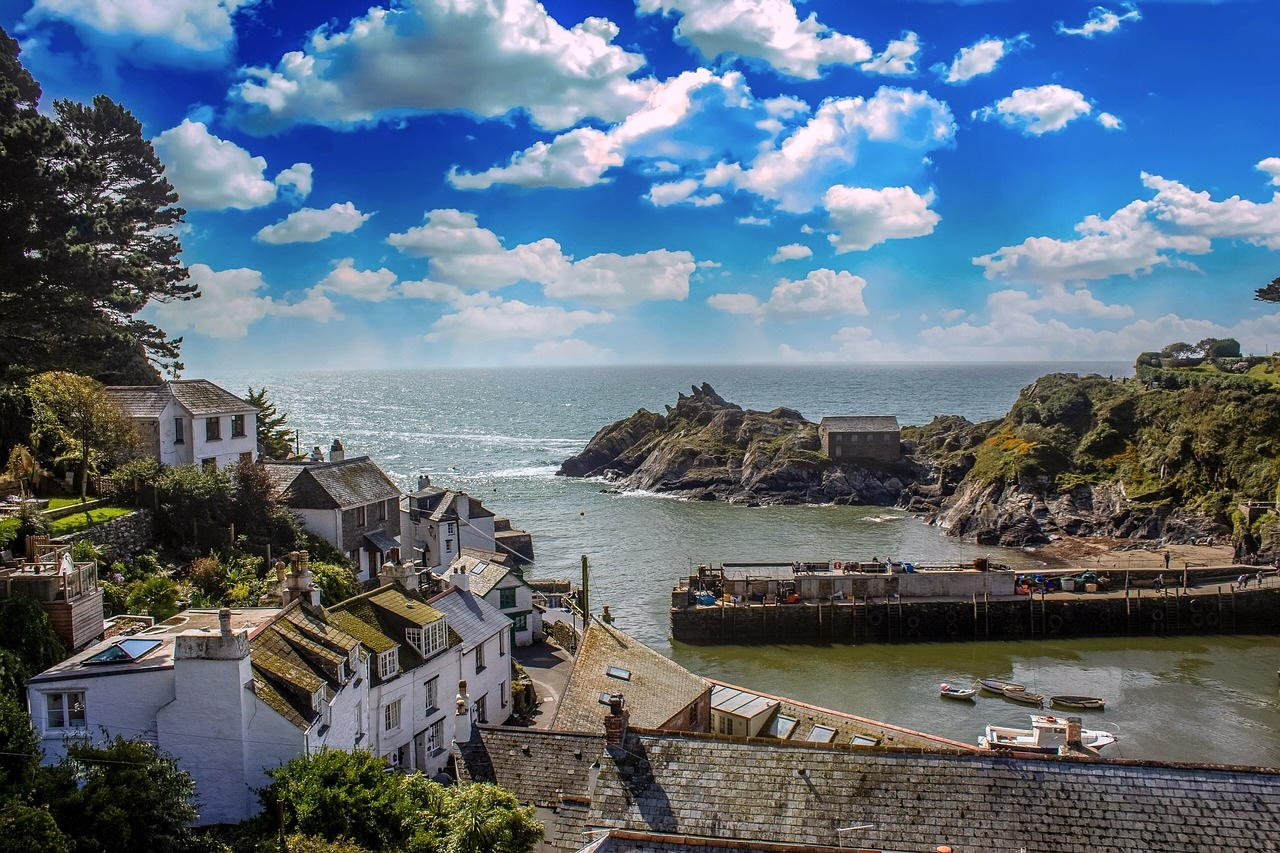
In contrast, the south coast offers a much gentler, more peaceful experience. This is largely because the English Channel washes against this shore, creating sheltered bays, deep river estuaries and calm waters. Instead of long sandy stretches, you’ll find smaller, hidden coves backed by ancient woodland and rolling hills. Well-loved harbour towns like Fowey and Looe sit tucked into these valleys, with a slower pace of life.
This coast is perfect for families with toddlers or anyone wanting a relaxing break away from the crowds. The calm sea makes it safer for swimming, paddleboarding and kayaking along the rivers. You can spend your afternoons crabbing on the stone harbours, taking boat trips across the estuaries, or walking quiet coastal paths.
The south coast is also more sheltered, partly because its bays and estuaries are tucked away from the full force of the Atlantic swells that batter the north.
The dramatic coastline of the far west
Head to the far western tip of Cornwall, often called West Penwith, and you’ll find yourself in the area around St Ives, Penzance and Land’s End. This area includes iconic landmarks like Land’s End and the ancient mining districts that define Cornish history. The coast here is incredibly rugged, with granite cliffs dropping steeply into deep blue water. It has a remote feel that appeals to walkers, artists and anyone after a true escape.
The far west combines elements of both coasts, with exposed Atlantic cliffs on one side and more sheltered bays near Penzance on the other. You can visit the Minack Theatre, an open-air amphitheatre built into the granite cliffs above Porthcurno beach. The region is rich in prehistoric sites, standing stones and old engine houses looking out over the sea.
To help narrow your choices, here are the key factors to weigh up before booking:
- Children’s ages: Toddlers usually prefer the calm waters of the south, while teenagers enjoy northern surf schools.
- Activities: Choose the north for surfing, or the south for kayaking and sailing.
- Town style: The north has larger resorts, while the south is famous for its harbour towns and fishing villages.
The right base makes the whole trip
Each part of Cornwall offers something unique. Whether you want the high-energy surf of the north or the peaceful harbours of the south, choosing your location carefully helps ensure a memorable trip. Just make sure you book your property early to secure the perfect base for your next seaside escape.
The editorial unit





















Facebook
Twitter
Instagram
YouTube
RSS