
Curating the perfect private view: The hidden logistics of a London art exhibition
 14 July 2026
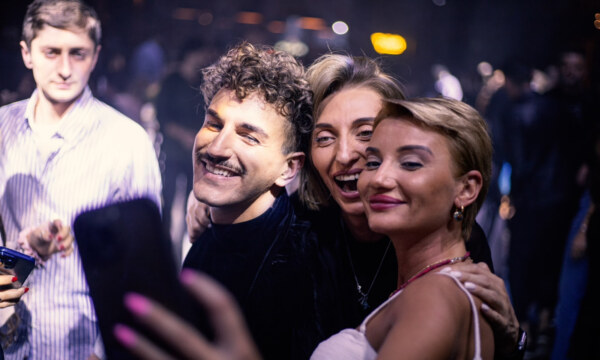
For the London art crowd, a private view is a sensory dance of low-lit sophistication, clinking prosecco flutes, and the quiet crackle of intellectual debate.
From the historic townhouses of Mayfair to the raw, industrial spaces of Bermondsey, these exclusive opening nights are the lifeblood of the city’s cultural calendar. Yet, what the casual visitor experiences as an effortless evening of aesthetic appreciation is, in reality, the culmination of months of intense coordination. Behind the velvet rope lies a world of precision timing, spatial engineering, and temporary infrastructure, where coordinating the setup of a temporary gallery bar and guest seating represents a major, albeit hidden, logistical challenge.
Long before the first guest arrives, the gallery is less of a cultural sanctuary and more of a building site. The journey begins with the selection of the venue itself. London offers an eclectic range of spaces, but each presents its own logistical challenges.
A Grade II-listed building in Westminster might offer character, but it lacks service lifts and has strict rules about hammering nails into the plaster.
Conversely, an empty warehouse in Wapping offers a blank canvas but requires complete visual and structural transformation. Simply outfitting a raw warehouse space with the essential seating, reception desks, and glassware required to host hundreds of guests can run anywhere from £1,200 to £3,500, according to easyEventHire pricing data, making temporary infrastructure a major line item in the exhibition’s initial budget.
The logistics of transit: From studio to gallery
Artworks are incredibly fragile, valuable, and sometimes awkwardly shaped. Transporting them is a specialised industry. Standard couriers simply won’t do; galleries rely on fine art logistics firms that use climate-controlled vans equipped with air-ride suspension systems to prevent vibrations from damaging delicate paint layers.
If the artist is based abroad, the administrative hurdles multiply. Planners must navigate customs clearance, secure ATA Carnets to avoid paying import duties on works that are only temporarily in the UK, and arrange transit insurance that covers the art from the moment it leaves the studio to the moment it returns.
Once the art arrives at the venue, it cannot simply be unpacked and hung. Artworks, especially those on wooden panels or historic canvases, require an acclimatisation period. They must sit in the gallery in their crates for at least 24 to 48 hours to adjust to the specific temperature and humidity of the space. Opening a crate too soon can cause sudden contraction or expansion, leading to irreversible cracking in the paint.
The engineering of the display
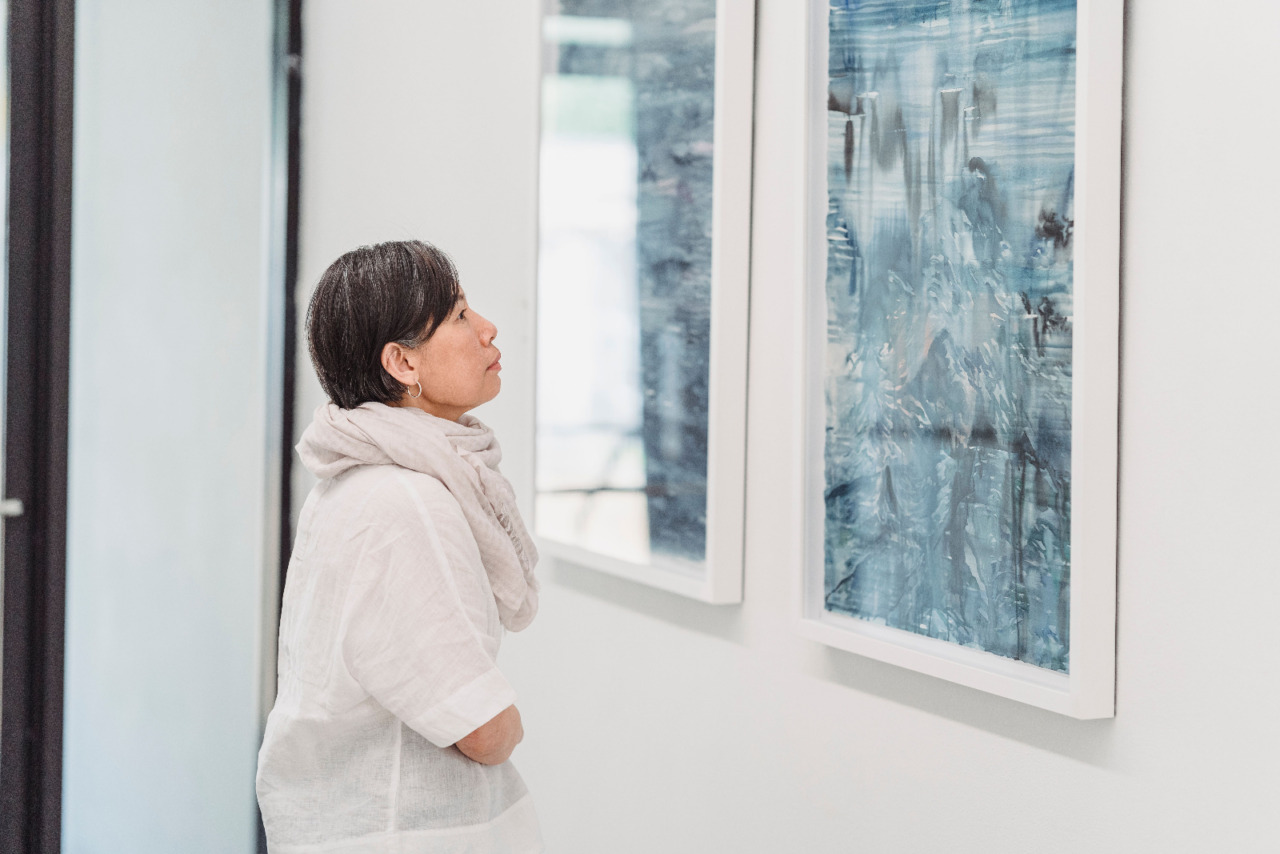
Hanging an exhibition is a blend of mathematics, physics, and design. It starts with the layout. Curators often use digital 3D models to plan the placement of each piece, but the physical reality always requires adjustments on the ground.
Placing the works is not just about sightlines; it is about structural integrity. A multi-tonne stone sculpture cannot be placed on a standard gallery floor without first verifying the building’s floor load capacity. In some older London spaces, structural reinforcement is required beneath the floorboards.
For paintings, the installation team uses laser levels and precise measurements to ensure everything is hung at “eye level”, conventionally 156 centimetres from the floor to the centre of the work. Technicians must select the correct wall anchors, taking into account whether they are drilling into plaster, brick, or drywall.
Lighting is another silent hero. Galleries use specialized LED systems with zero UV emissions to prevent the artwork from fading. Technicians adjust the beam angles and colour temperatures of individual spotlights to highlight the texture of a canvas without creating distracting glare or casting shadows from the frames.
Designing the human flow
A successful private view is crowded. However, a large crowd presents a major threat to the art itself. Human beings emit heat and moisture, which can quickly destabilize the indoor environment.
Gallery HVAC systems must work overtime during an opening. The goal is to maintain a constant temperature of 19–21°C and a relative humidity of 50%. A sudden spike in humidity from a damp London evening can cause canvases to sag and wood to warp.
Crowd management is equally critical. The layout must guide guests through the exhibition without causing bottlenecks. Placing the bar directly at the entrance is a common rookie mistake; it creates a pile-up at the door, blocking late arrivals. A seasoned planner will place the bar towards the back of the space, forcing guests to walk past the artwork to get their drinks.
Then there is the catering. While champagne or prosecco is standard, red wine is almost universally banned at high-end openings.
A single spilled glass of Merlot could ruin a masterpiece or stain a pristine gallery floor. Food must be carefully curated too. Canapés should be one-bite, non-greasy, and completely crumb-free. No curator wants to sweep up pastry crumbs from beneath a sculpture or wipe grease marks off a white partition wall.
The RSVP game and the door
The final piece of the puzzle is the guest list. A private view is a commercial event, and the attendees must reflect this. The guest list is a delicate balance of serious collectors, art critics, journalists, patrons, and the artist’s personal circle.
Managing RSVPs in London is notoriously difficult. The city’s busy social calendar means that drop-out rates can be high, yet over-subscribing can lead to long queues outside in the unpredictable British weather.
Door control is the gatekeeper of the event’s atmosphere. Security staff must be polite yet firm, managing the flow of guests and ensuring that only invitees gain entry. A chaotic queue at the door sets a stressful tone for the evening, whereas a smooth check-in process immediately makes guests feel valued and relaxed.
The silent art of event design
When the lights go down and the last guest departs, the logistics team begins the teardown. A successful private view is one where the guests notice nothing but the art and the conversation. The lights were perfect, the drinks flowed seamlessly, the room was comfortable, and the art was displayed to its absolute best advantage.
The glamour of the London art scene is undeniable, but it is built on a foundation of rigorous logistics, precise engineering, and meticulous planning. It is this invisible work that allows the art to take centre stage.
The editorial unit















Facebook
Twitter
Instagram
YouTube
RSS