
BBC Proms 2026: Kavakos plays Tchaikovsky

 3 August 2026
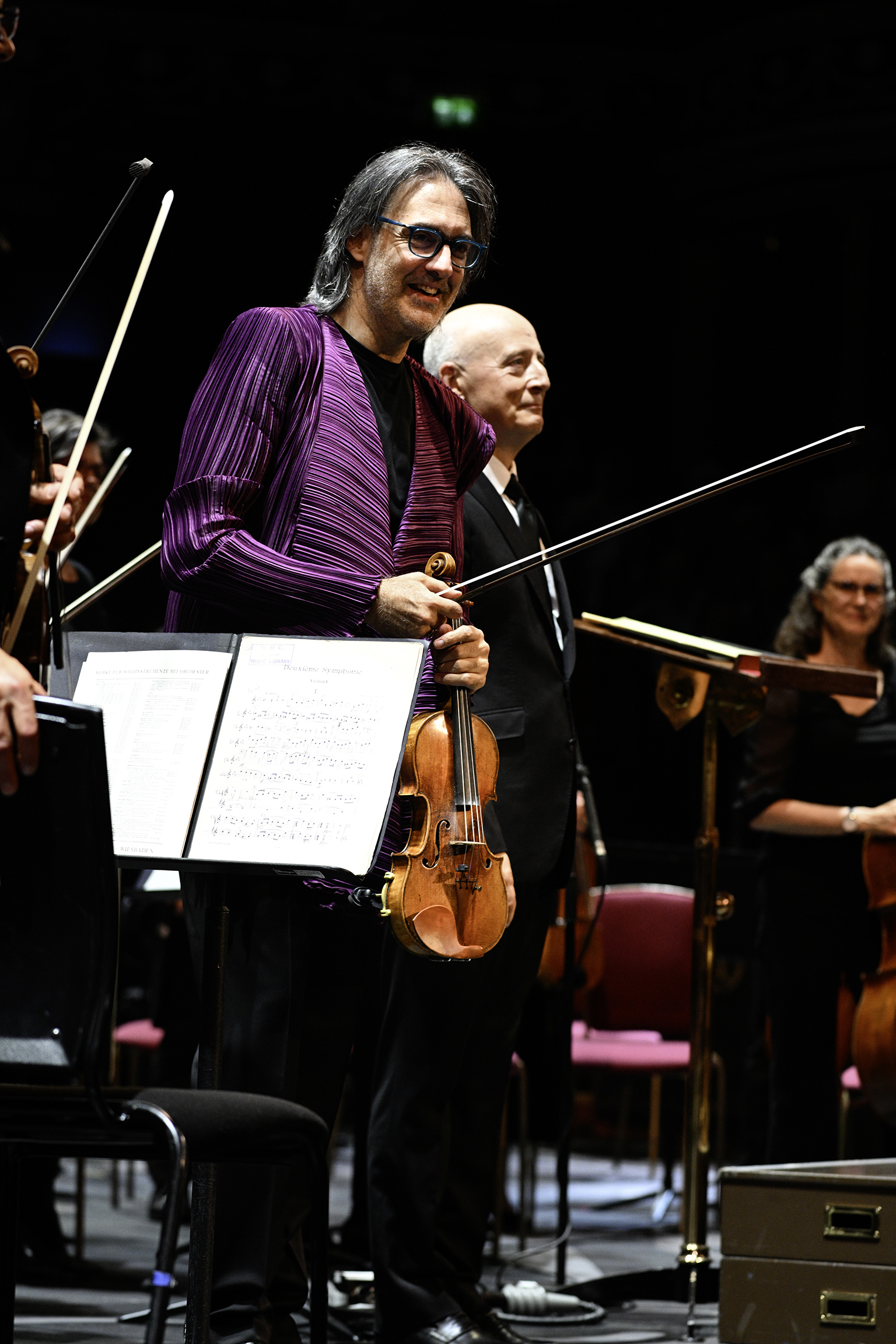
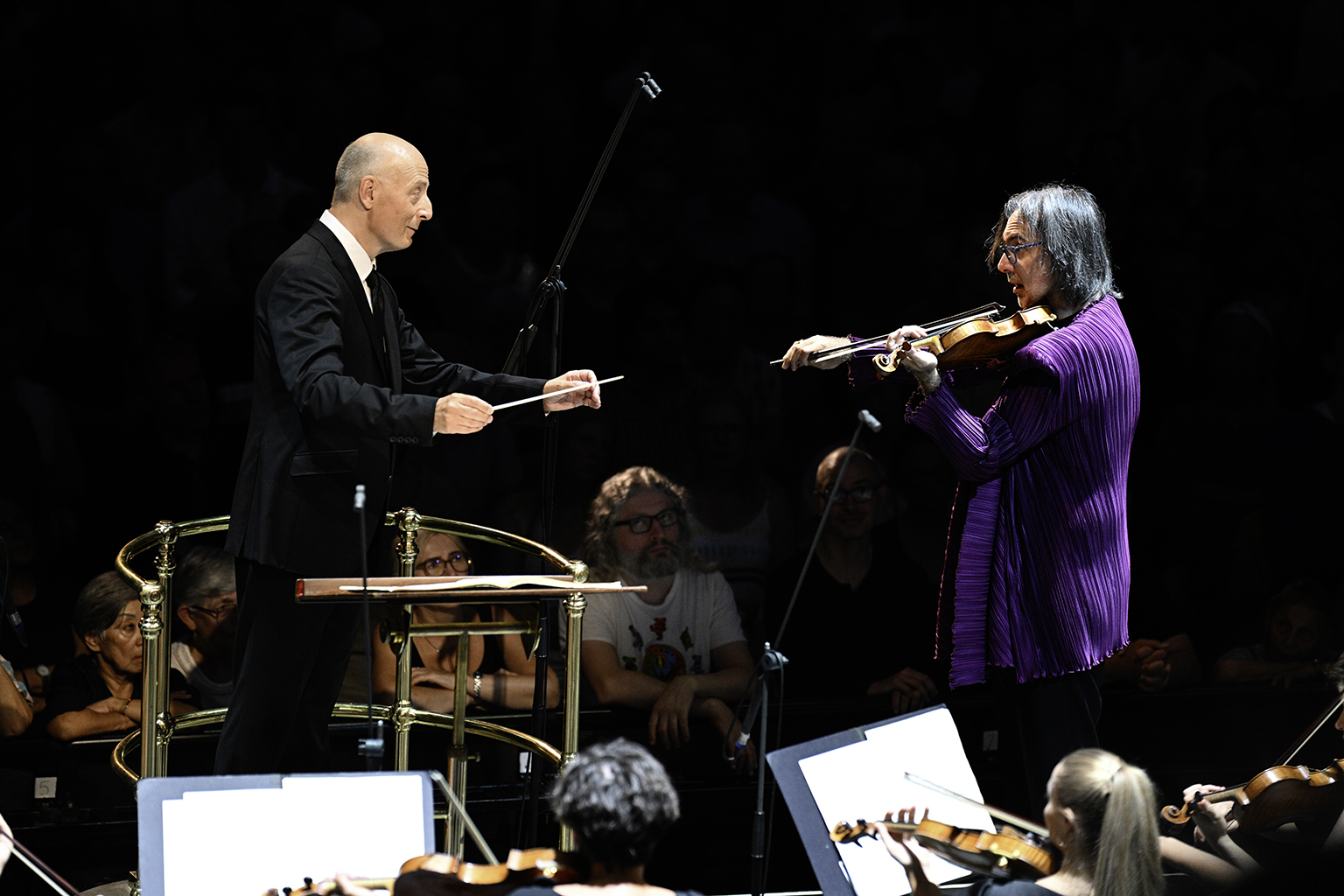
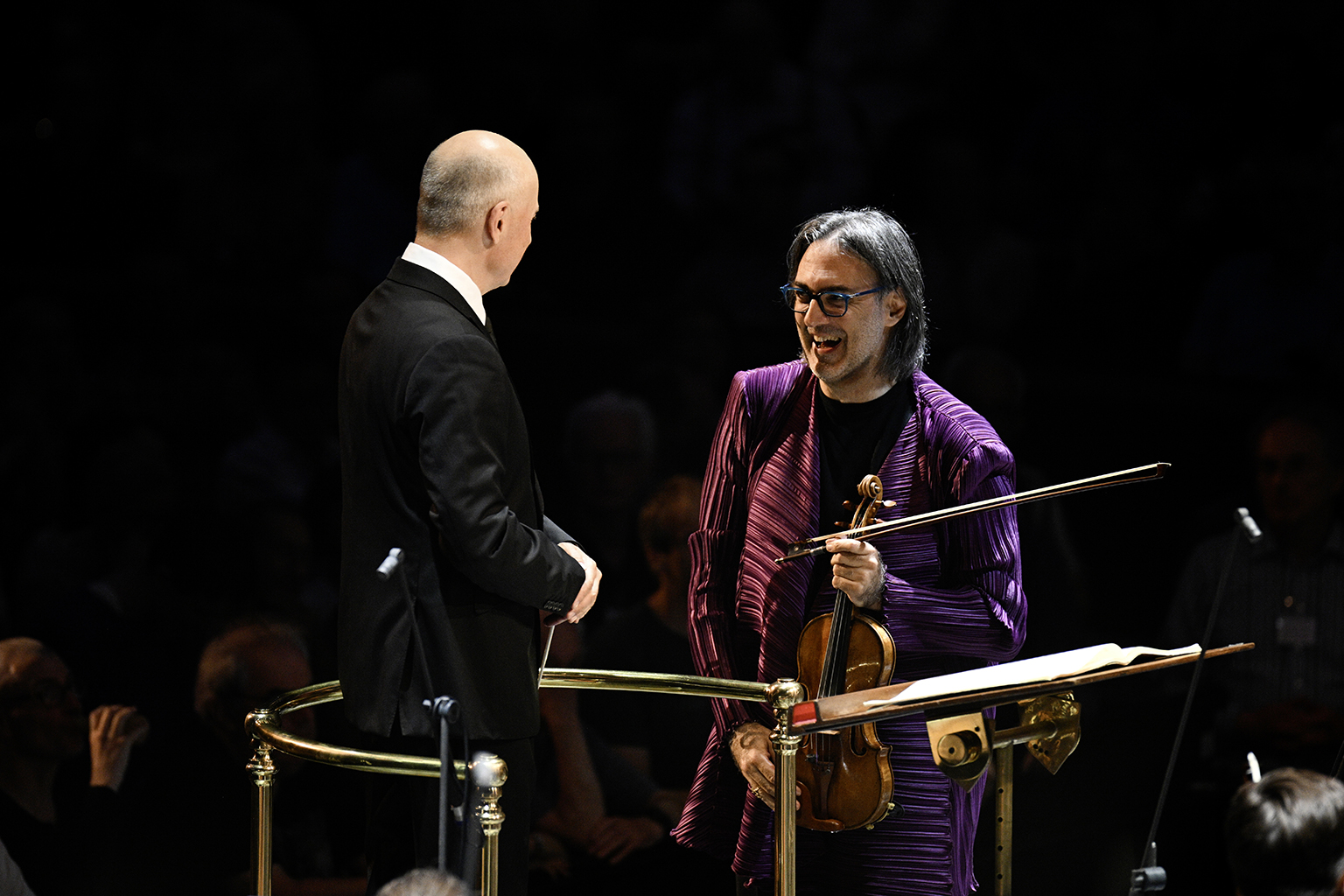
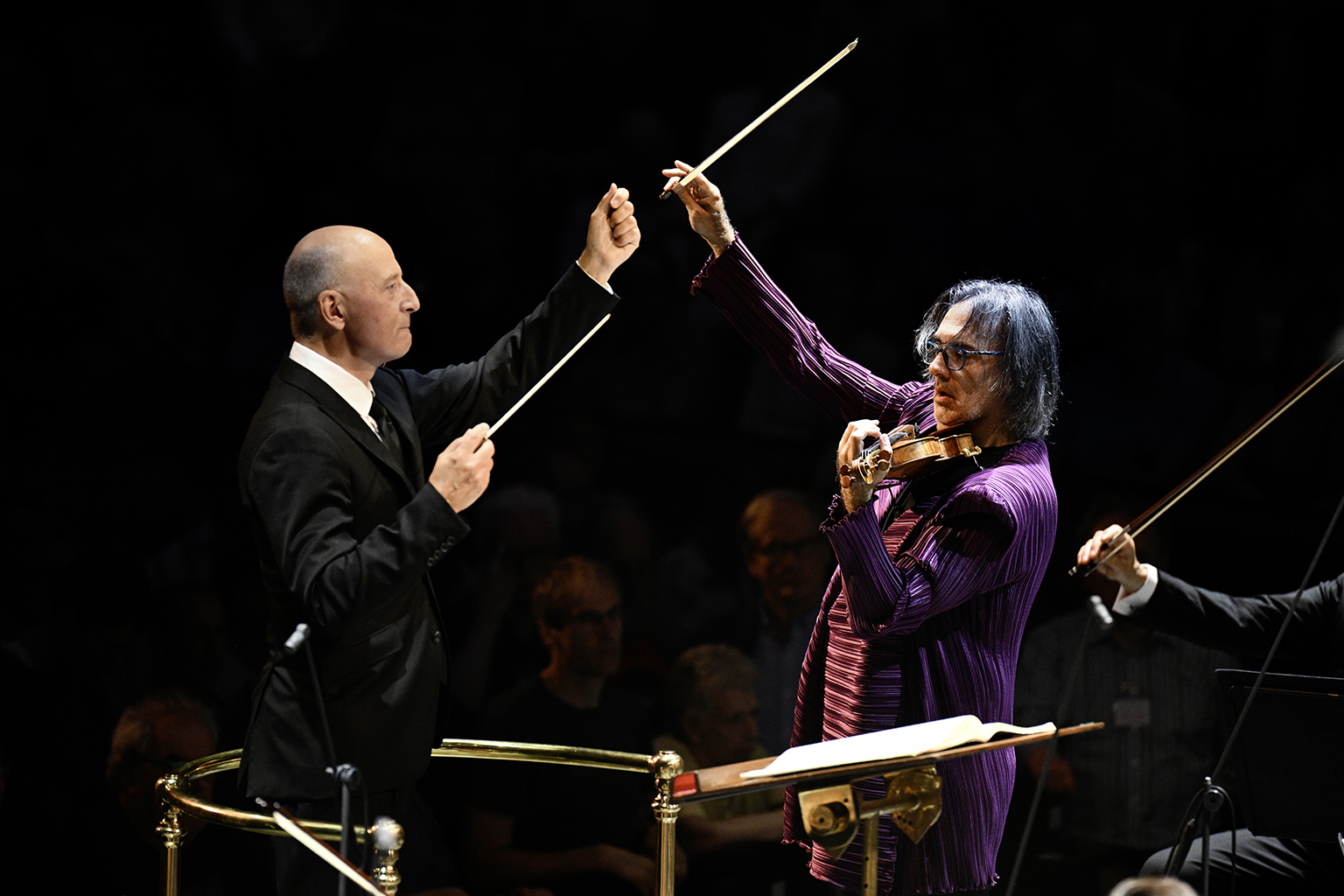
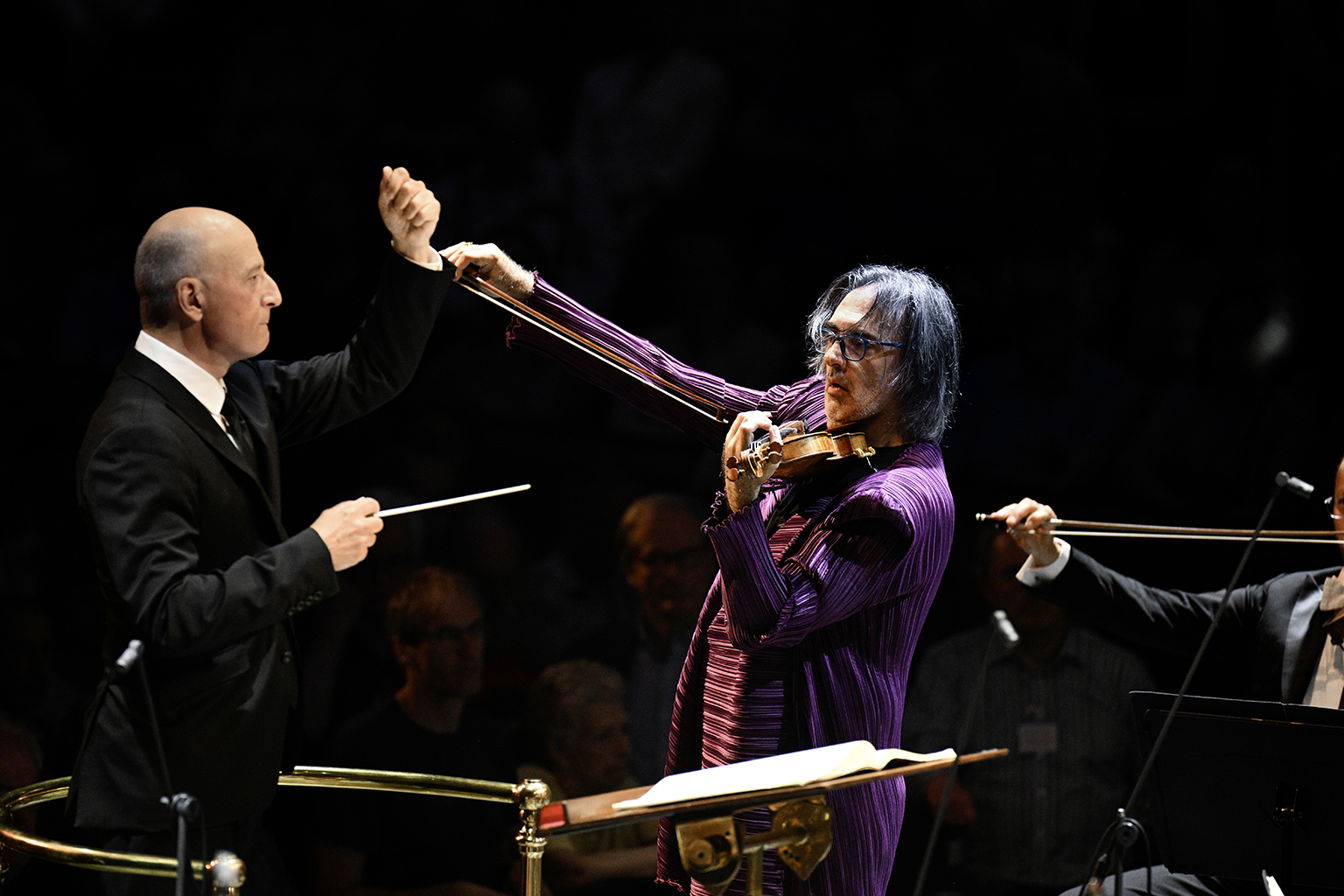
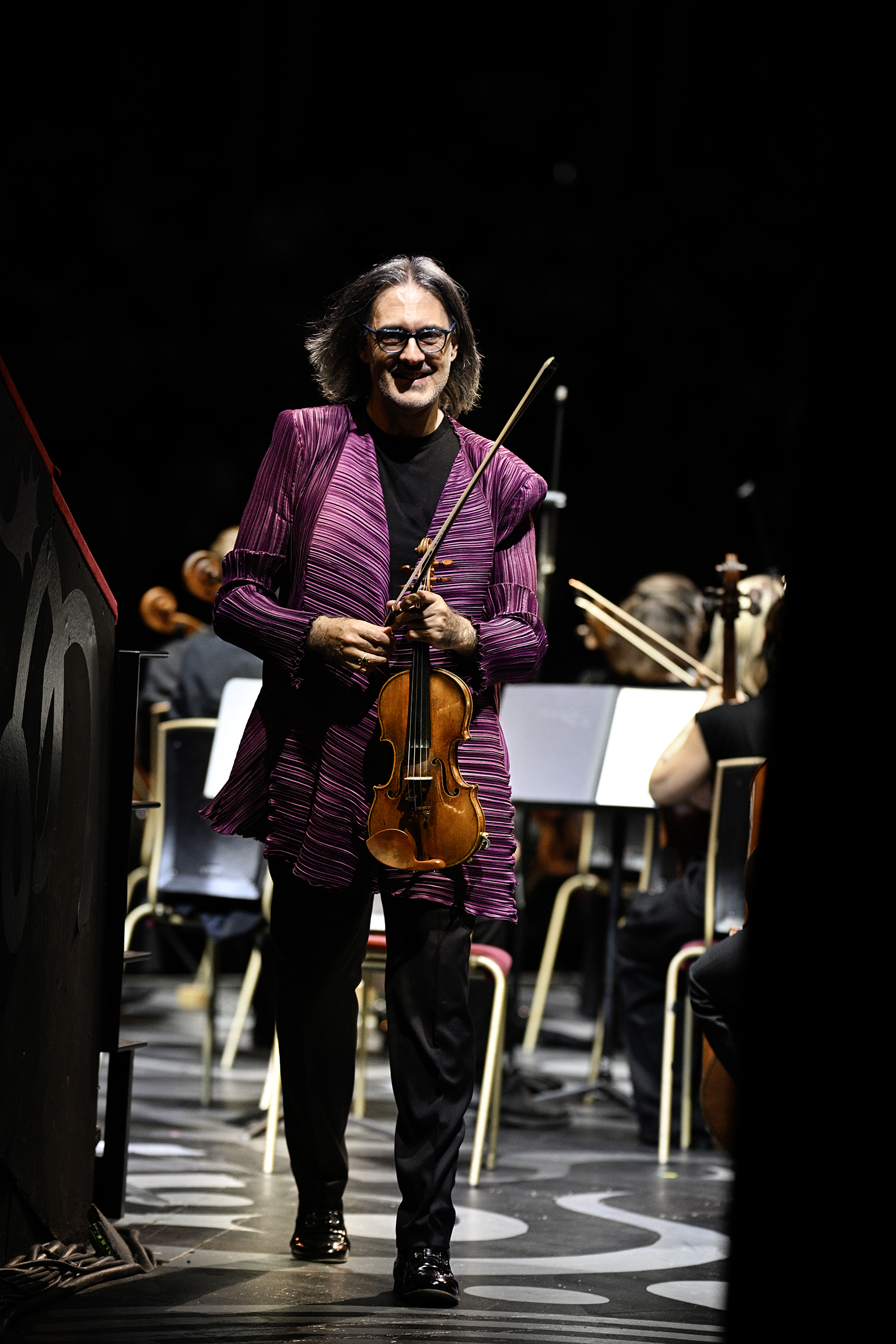
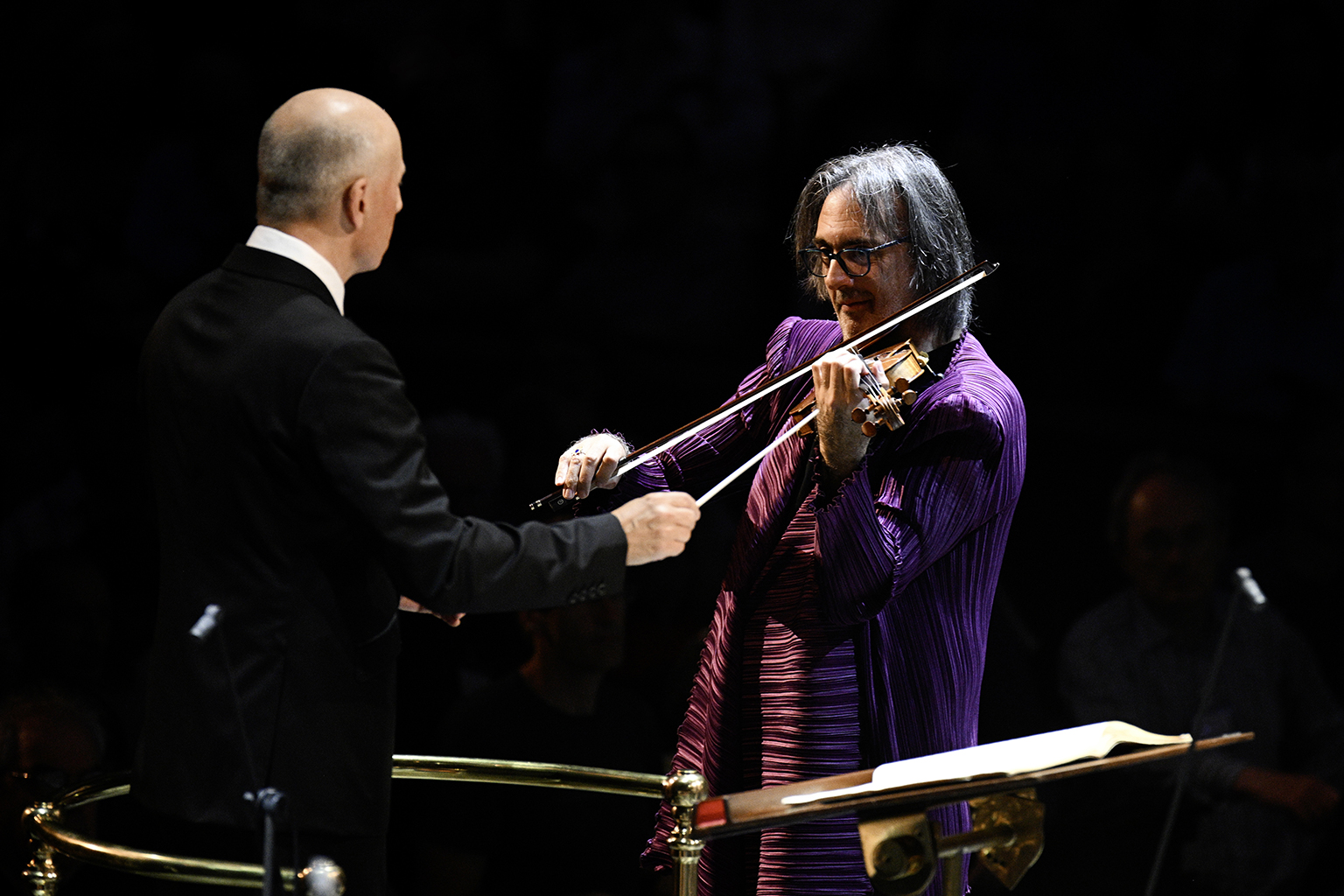
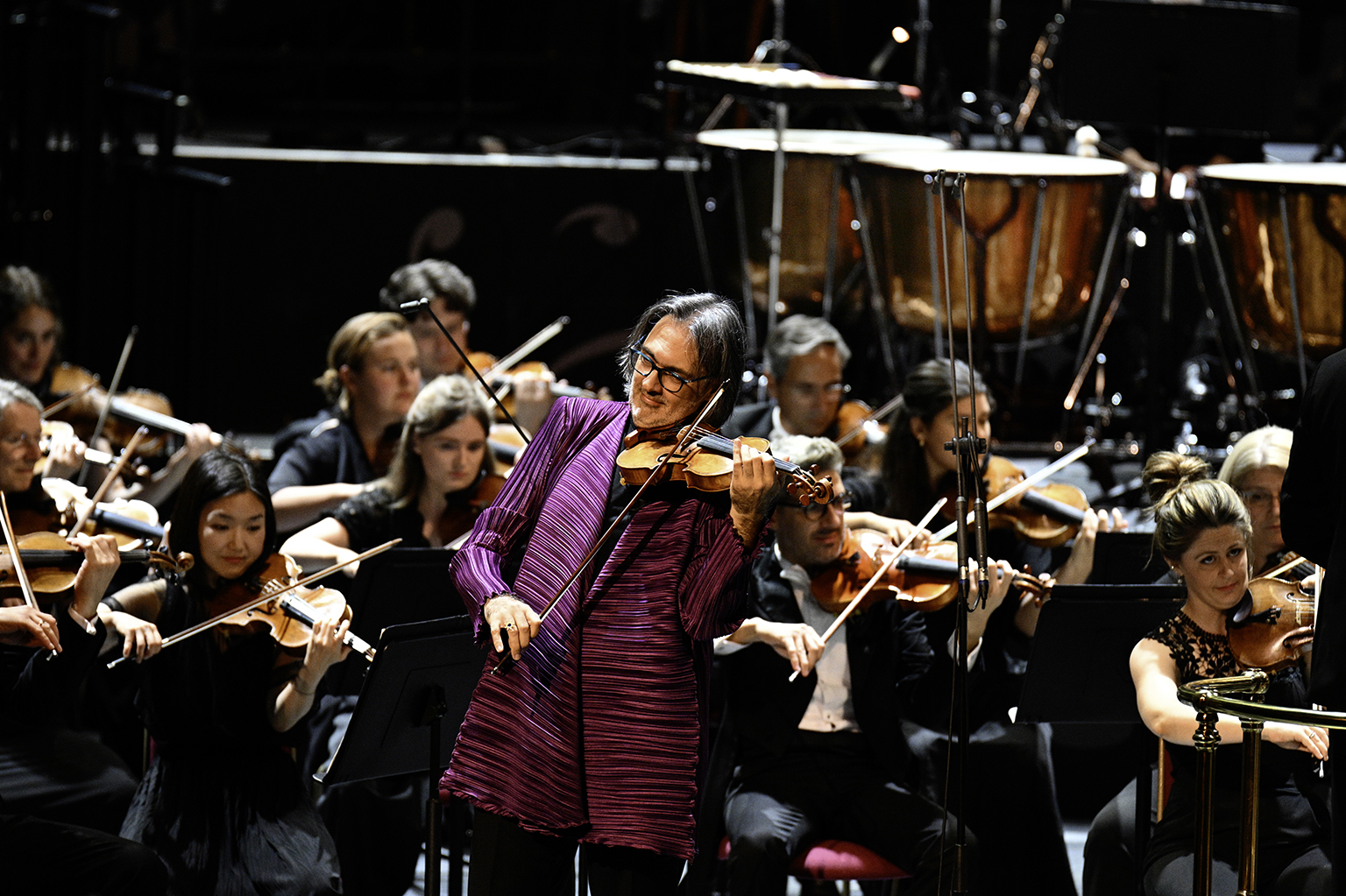
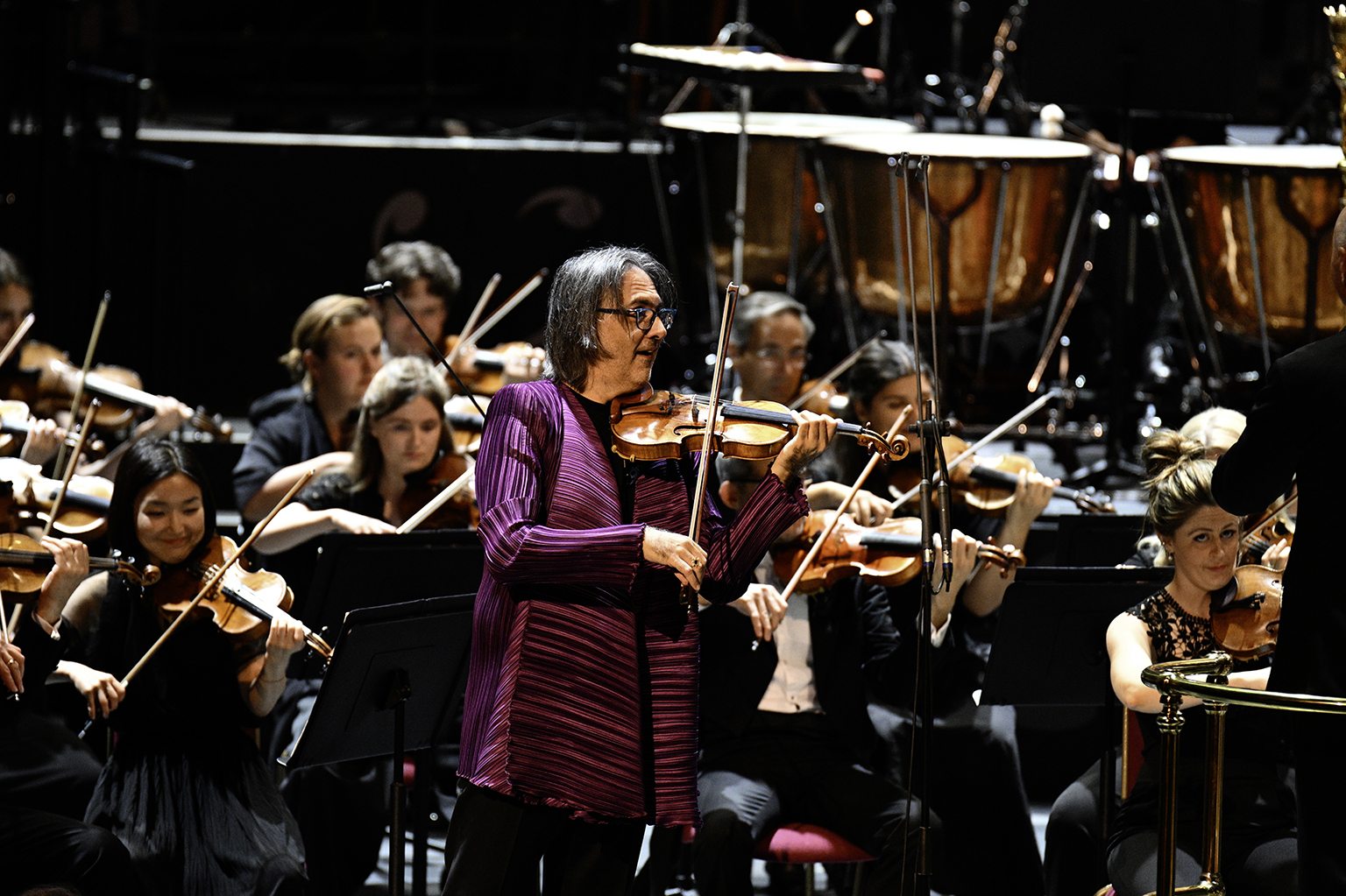
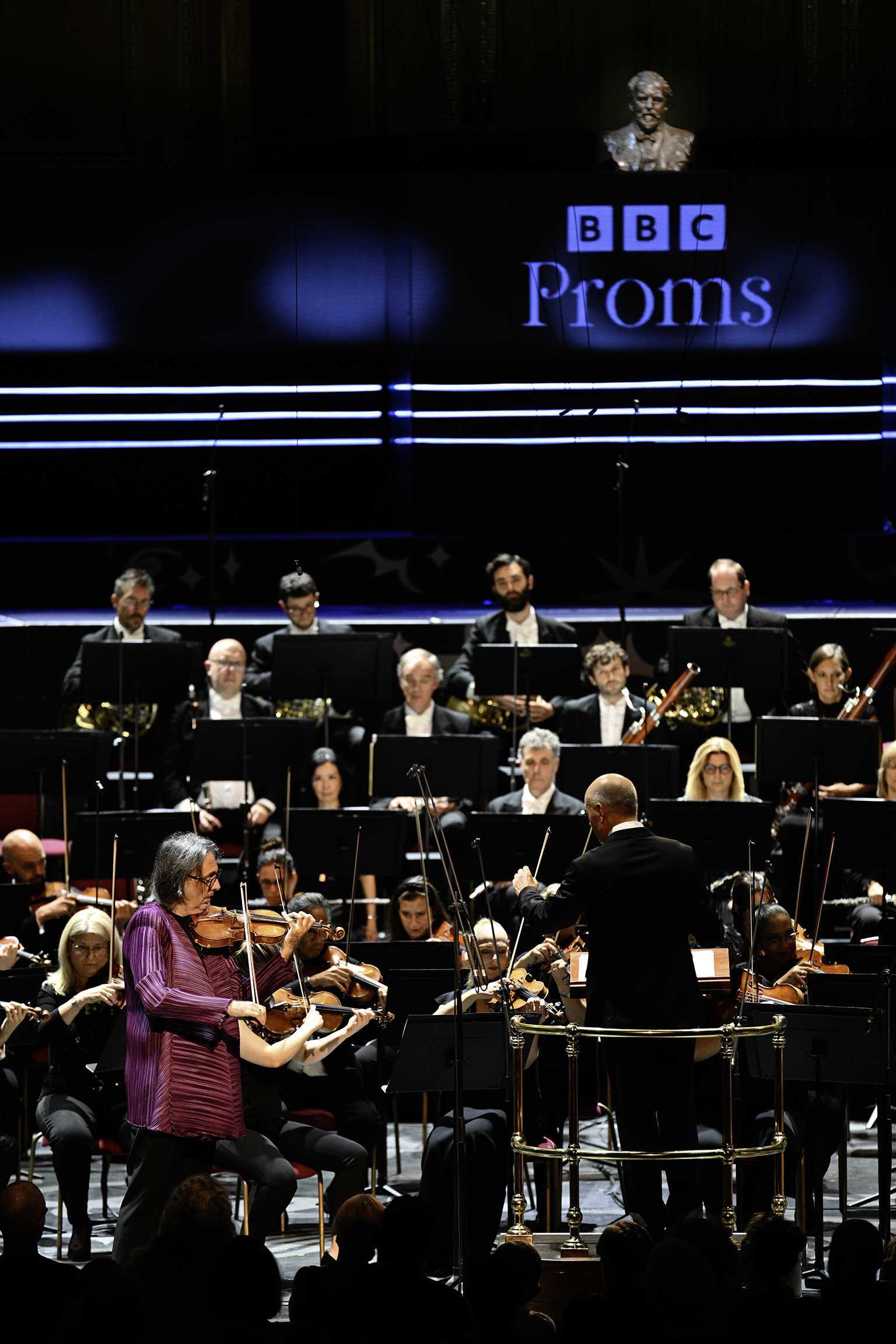
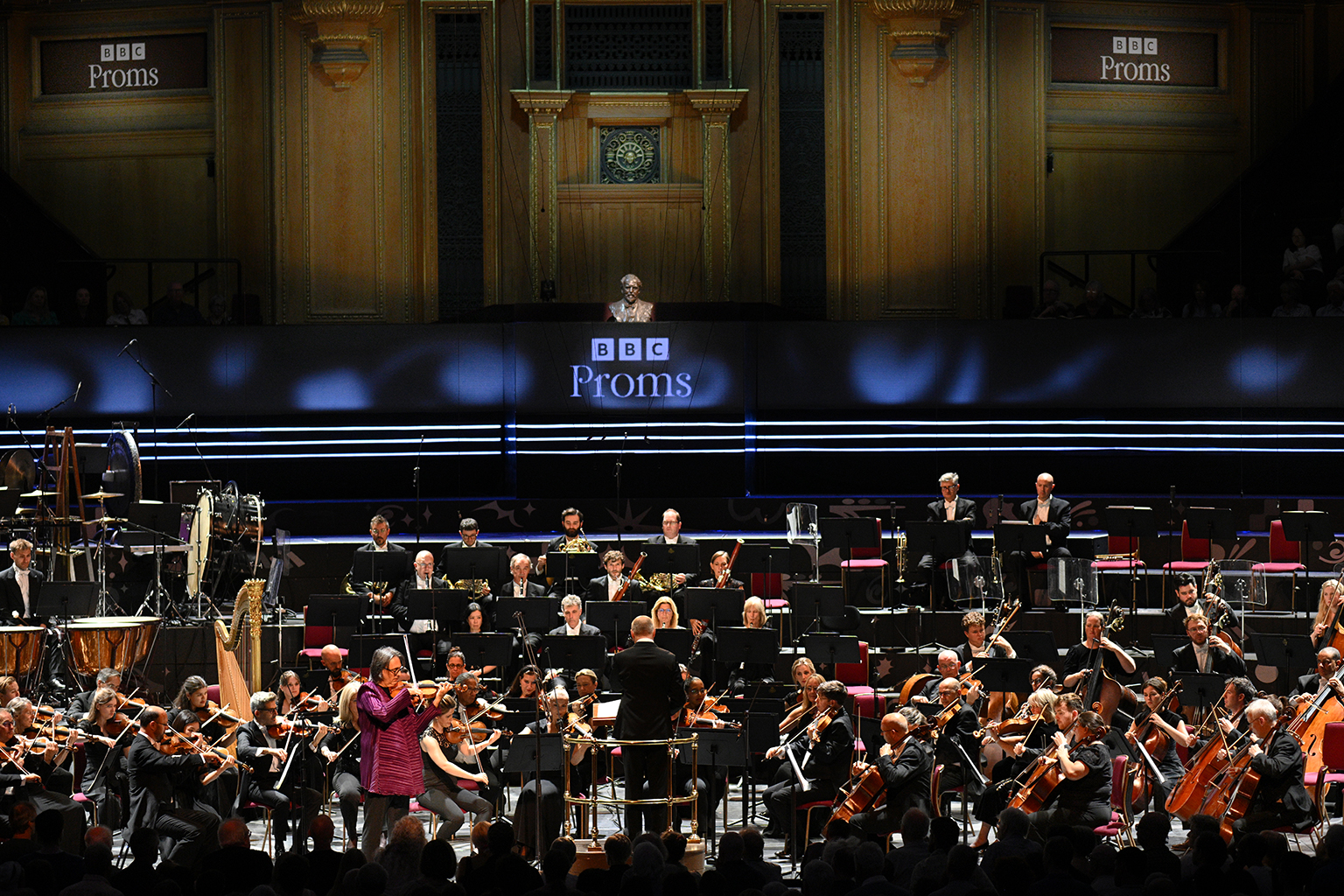
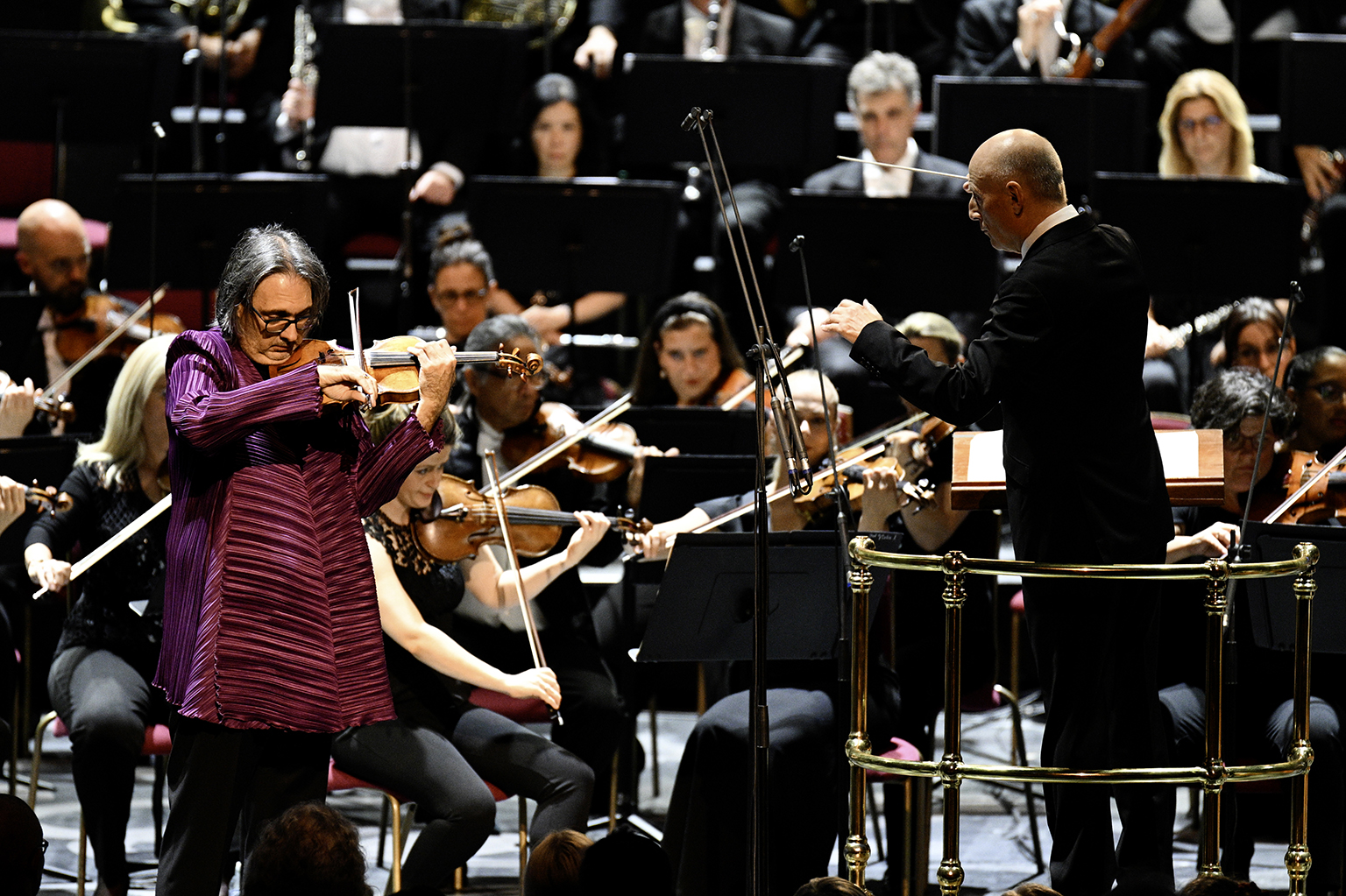
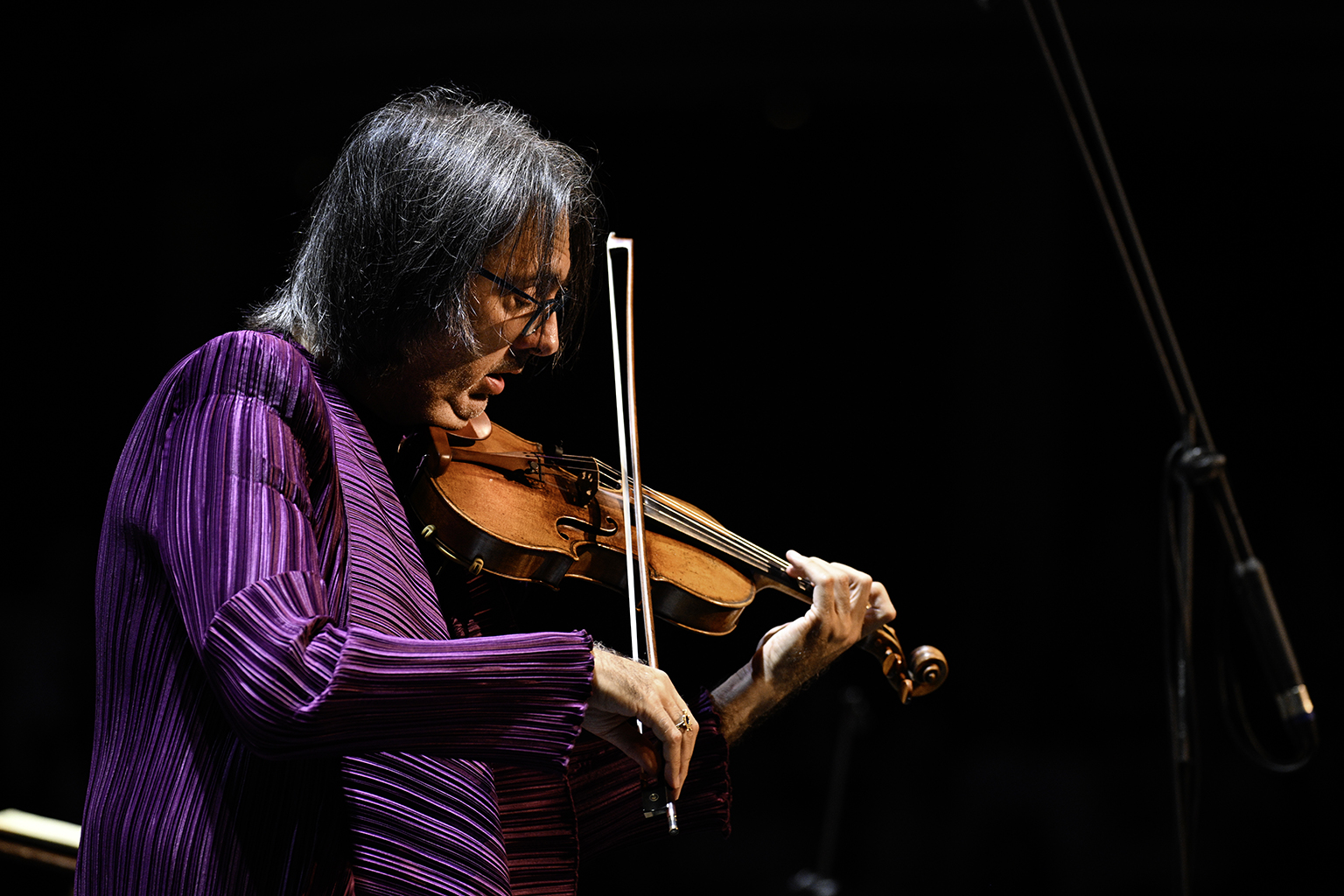
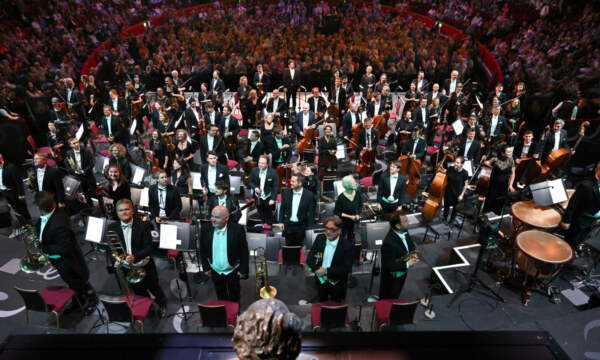
Once more to the Royal Albert Hall. With this year’s BBC Proms now well underway, it was time for the festival’s home orchestra, the BBC Symphony, to once again grace the stage at the vast and iconic venue. Headlining this evening’s proceedings was a performance of Tchaikovsky’s much-adored – and oft-performed – violin concerto with globally celebrated Greek soloist Leonidas Kavakos, wielding, as ever, Stradivarius’s highly prized Willemotte violin of 1734.
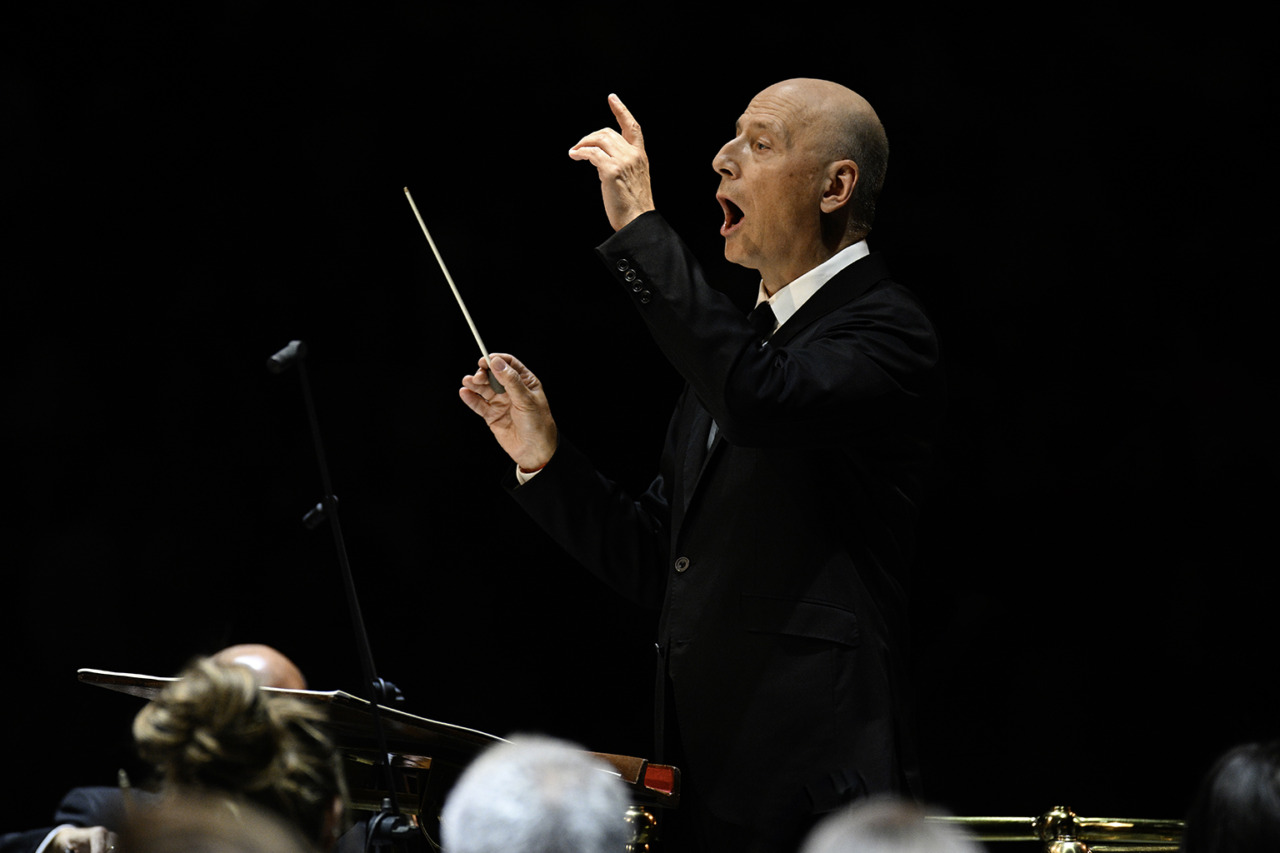
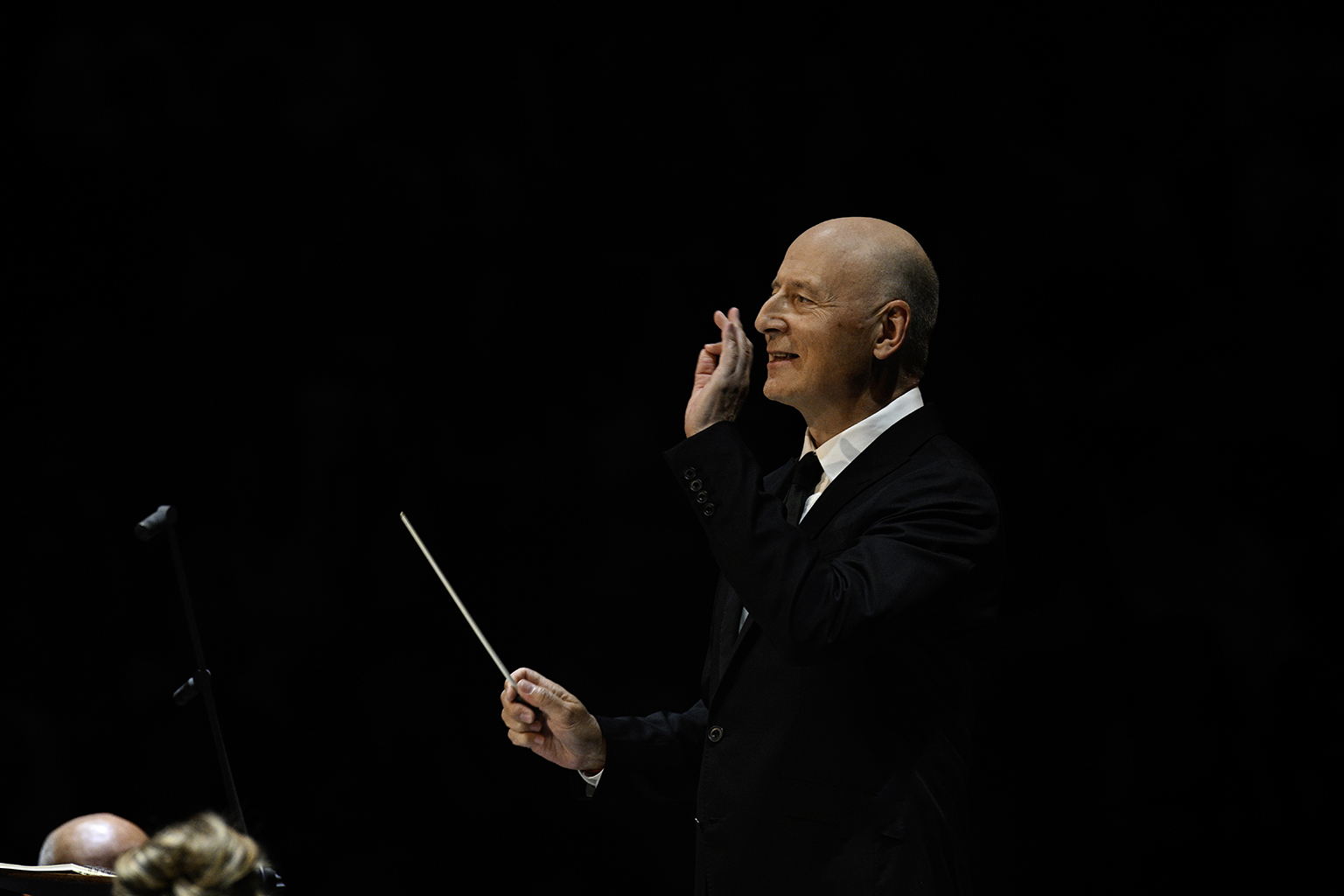
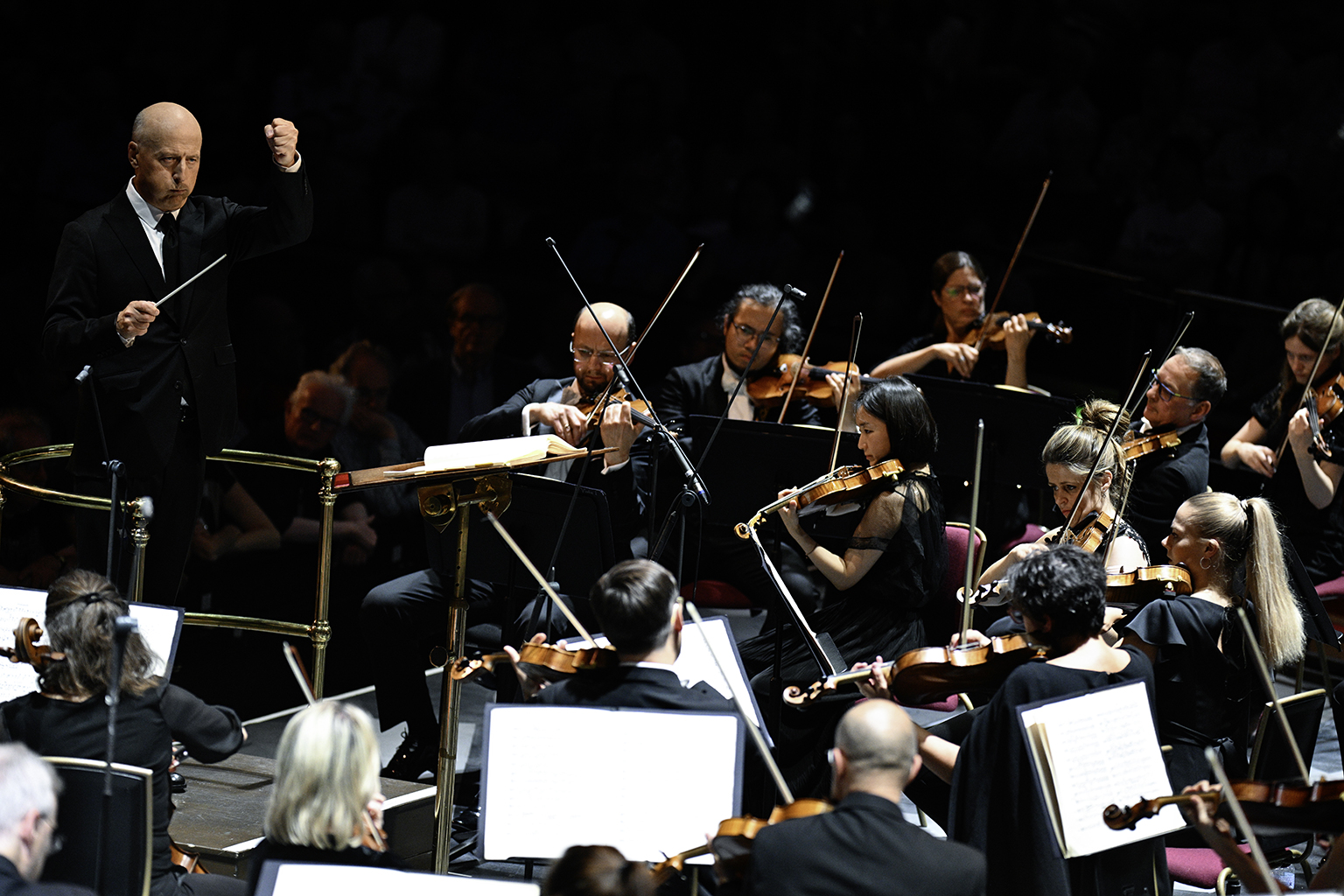
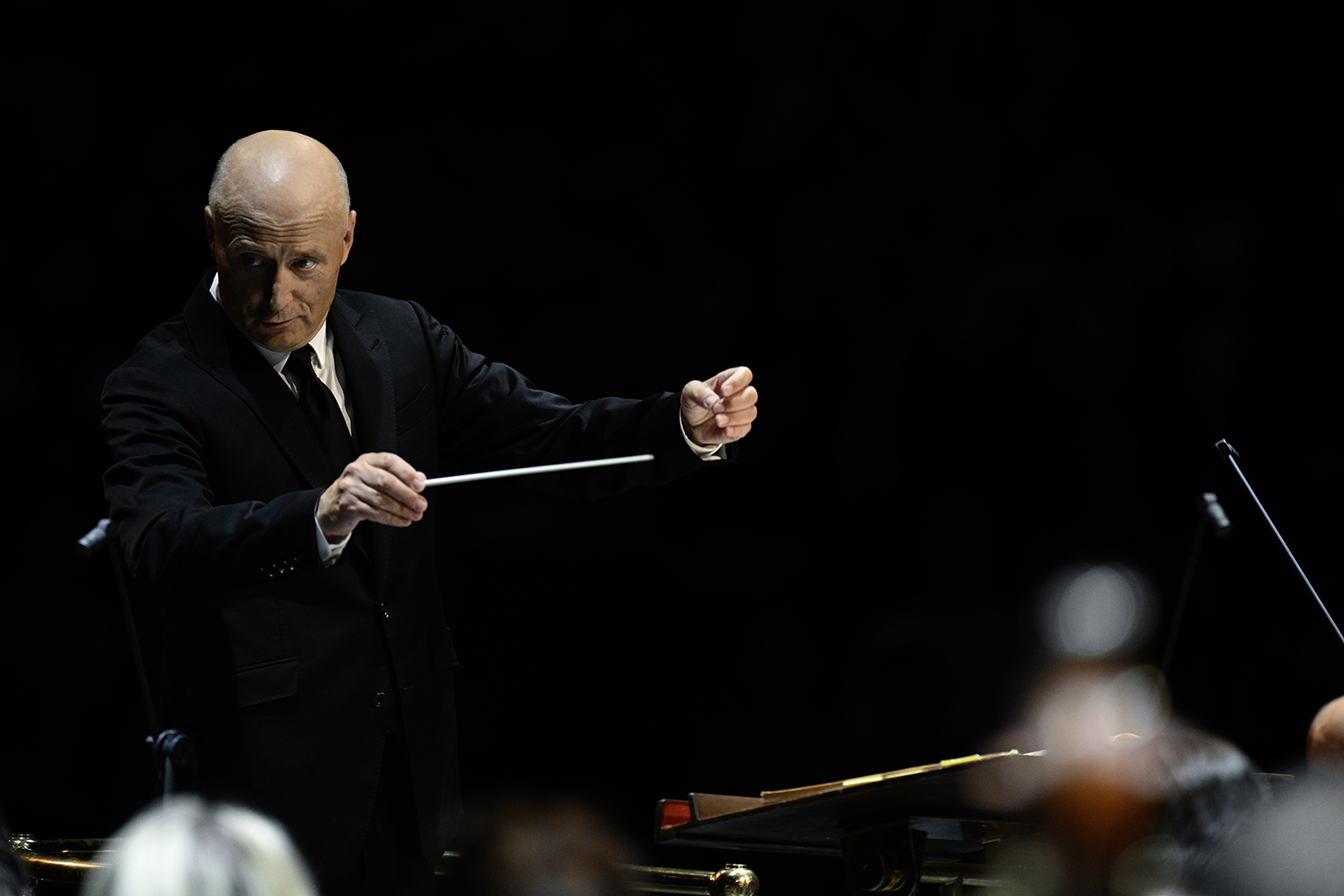
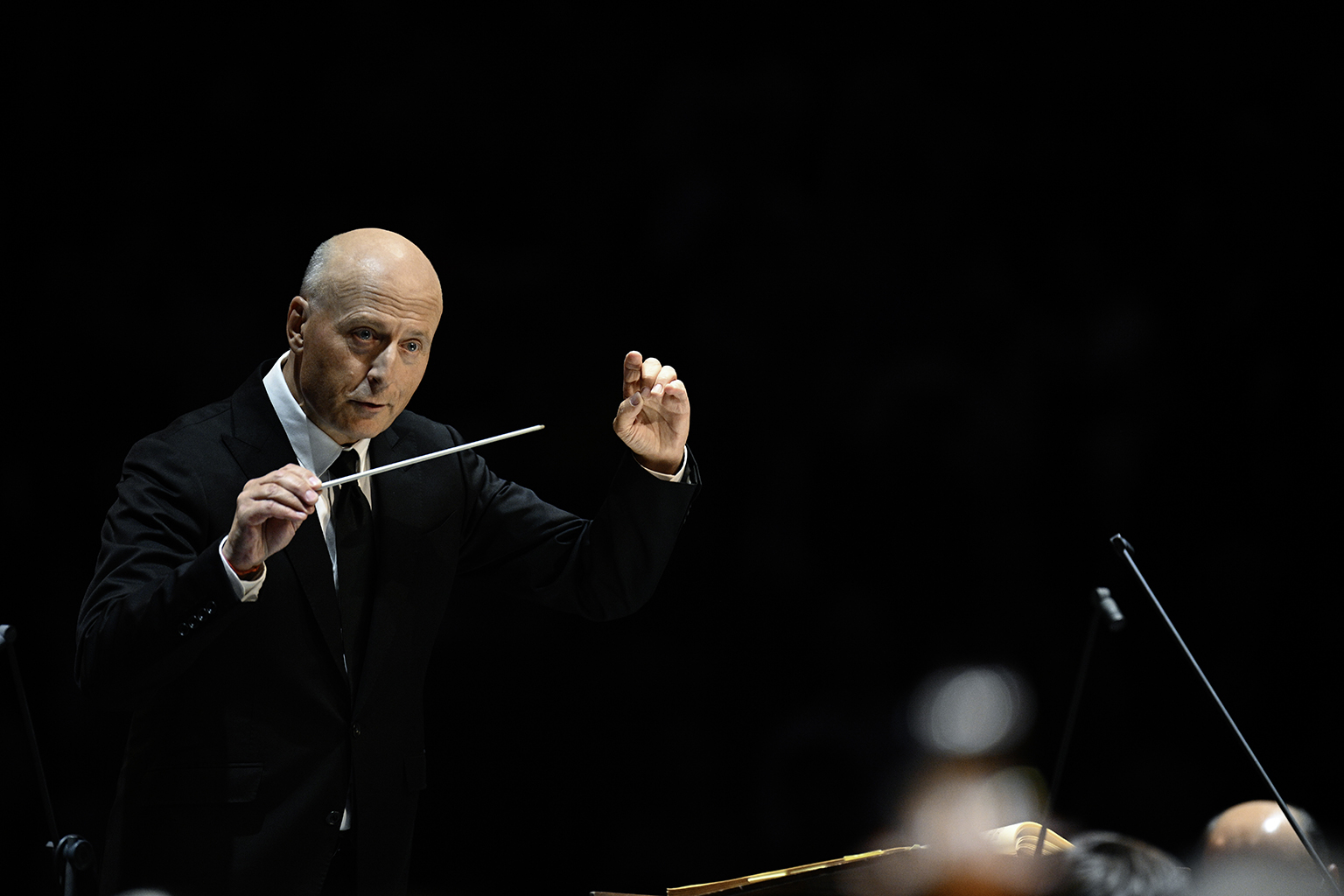
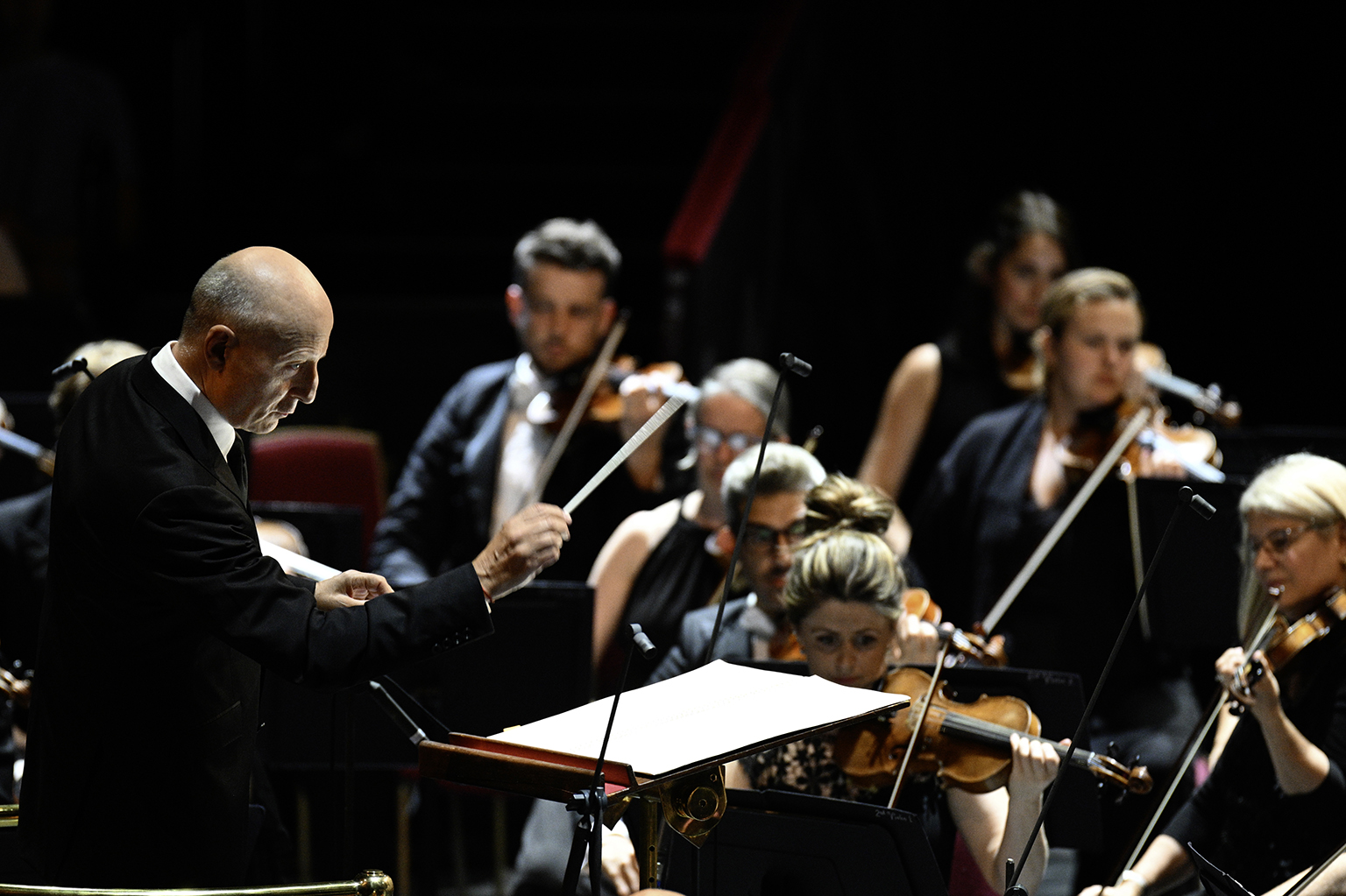
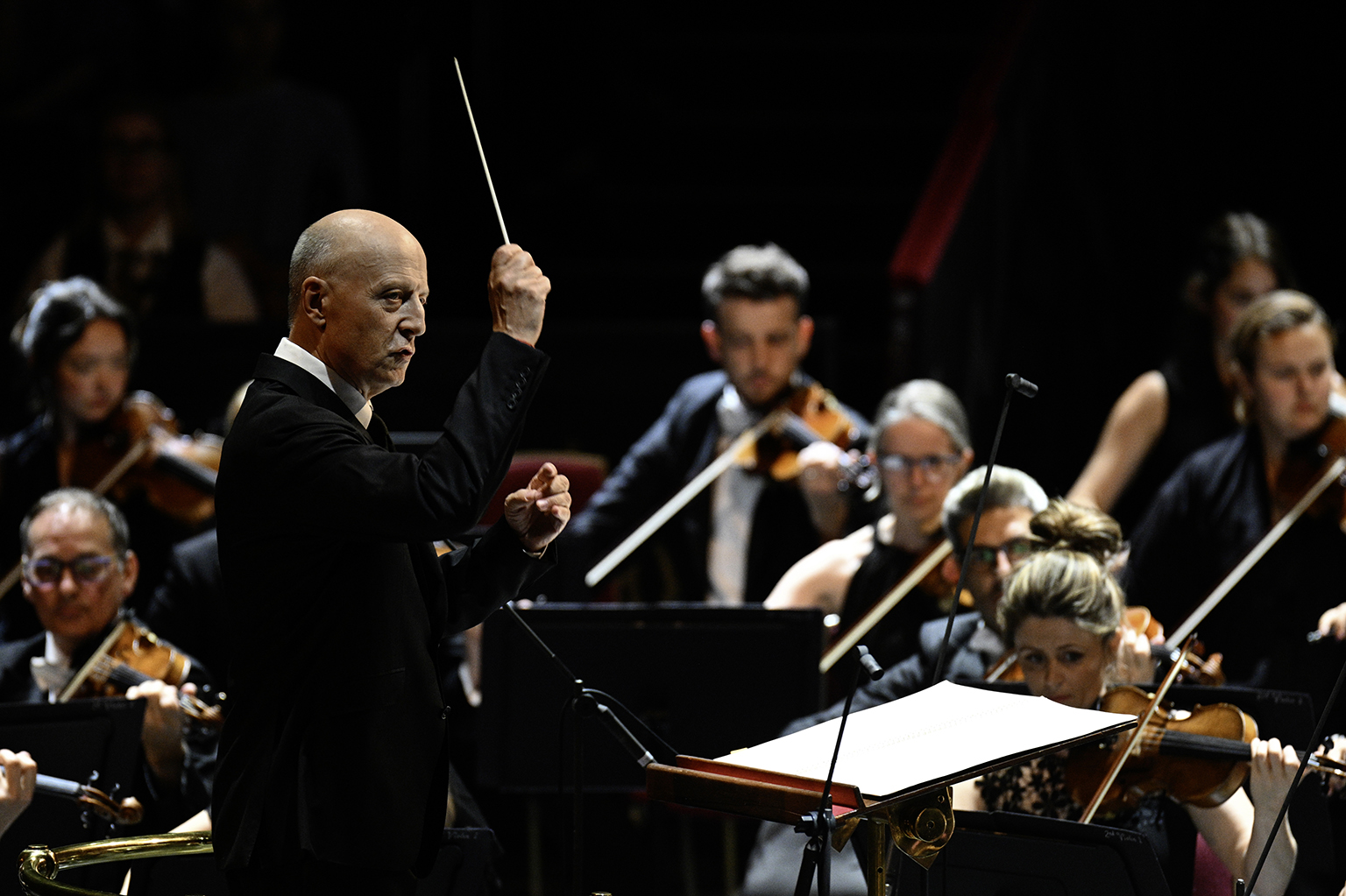
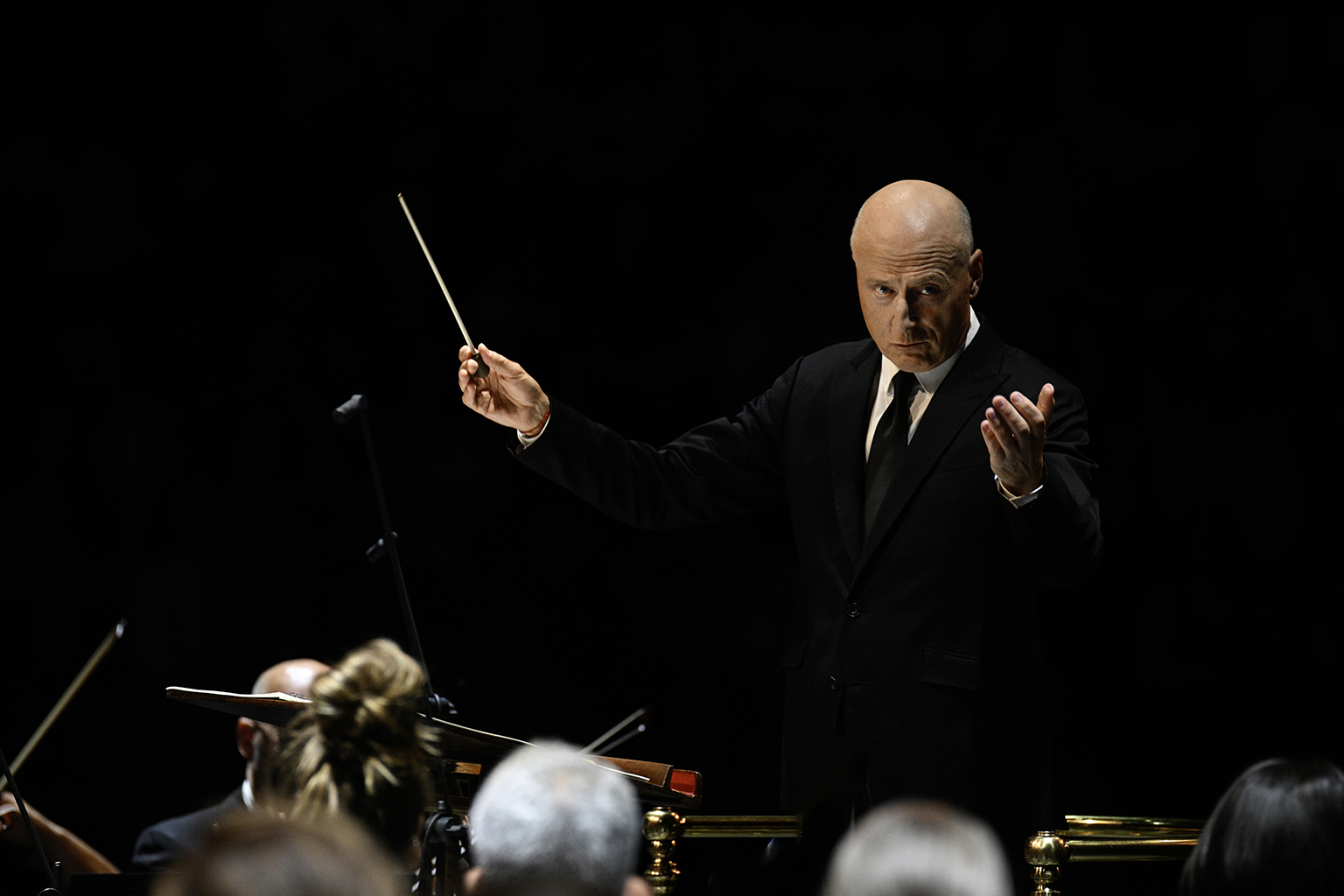
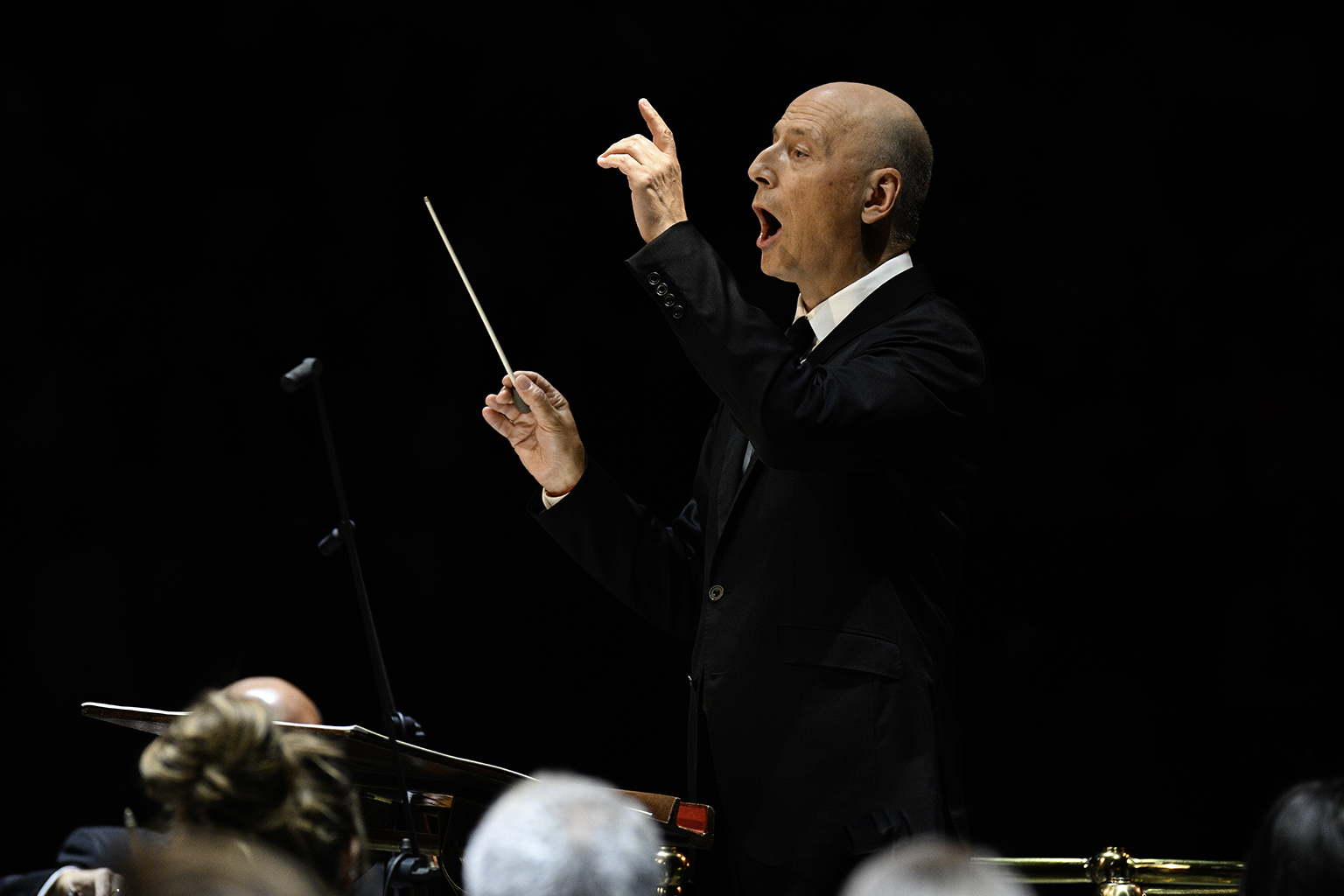
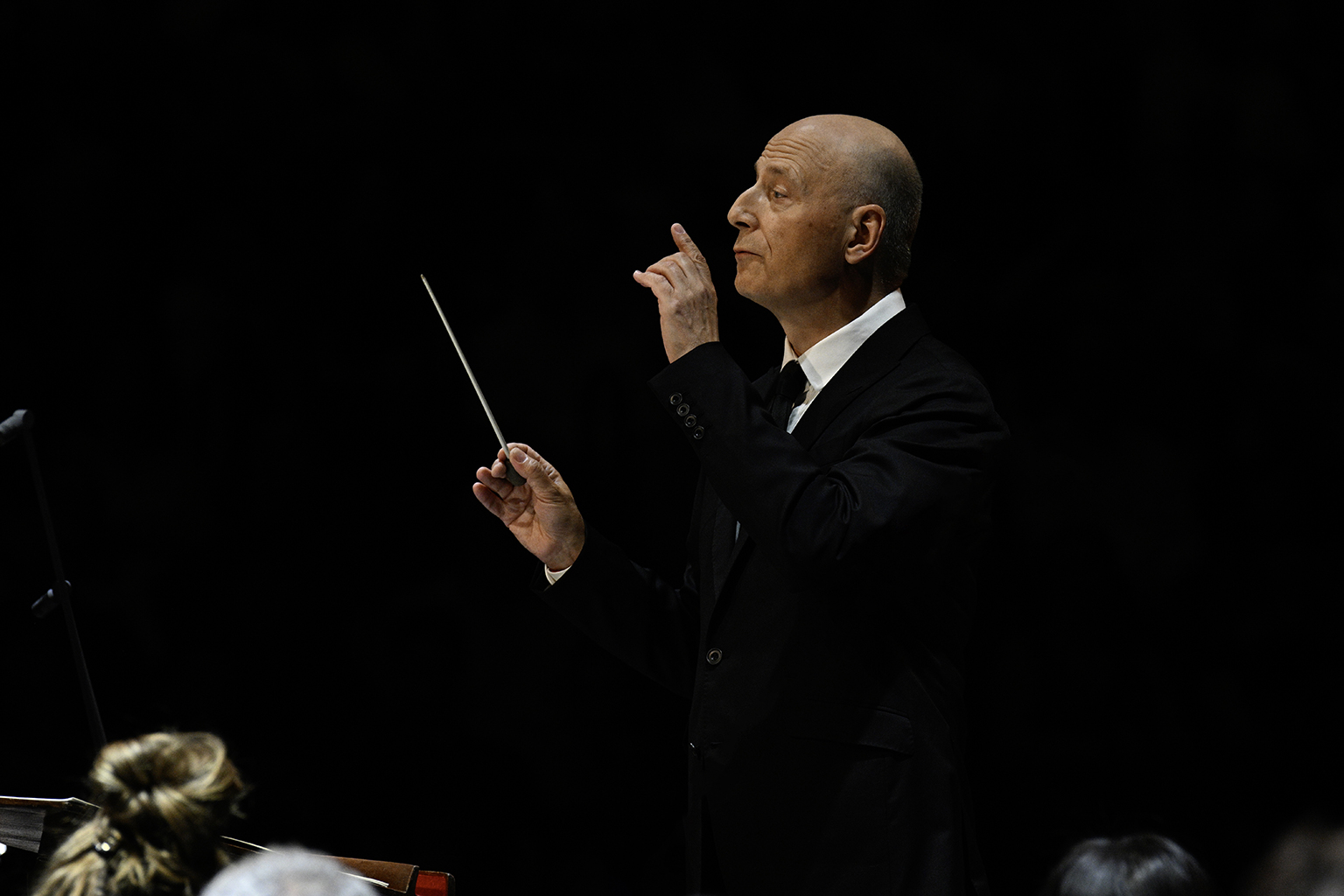
With Paavo Järvi at their helm, the orchestra accompanied sensitively and emerged with gusto when appropriate, but nevertheless this was not the most captivating rendition of this beloved work. Kavakos is undoubtedly an extraordinary musician, who travels the globe with instrumental mastery in spades, but this concerto – though technically perfect in nigh on every regard – suffered from a smallness and uneasy matter-of-factness in its presentation. Probably a few dozen prommers standing immediately at his feet witnessed something extraordinary, but for the rest of the auditorium there was a feeling that something fantastic was going on “over there”, and not being given to the wider audience present. Perhaps this was contributed to through Kavakos’s combination with Järvi, who is also not the most demonstrative on the podium. The soloist came into his own with a simply unbelievable cadenza, full of delicately quiet passages that, in this case, had astonishing draw.
The Tchaikovsky had been preceded on this occasion by a new work, Concerto for Brass: Signal, by Dani Howard, a bright and verdant, sometimes oddly meandering piece, packed with sizzling solo lines for the orchestra’s back row to dig into as the opus’s feature – the lonely tuba excepted.
With the interval concluded, it was time to get stuck into a symphony: Alexander Scriabin’s not-so-often-performed Second. This ponderous, heavy-set and cerebral work is replete with sudden changes of direction, eagerly grasped by the orchestra. The strings’ sound was a highlight here, clean yet possessing great depth, suiting the profundity of Scriabin’s writing perfectly. Järvi came to life a little here, ushering in a unified purpose from the company. The symphony’s gentle central standalone third movement was beautiful, the warmth of the aforementioned string sound punctuated softly with florid interplay among woodwind and brass solo lines.
Fruitiness returned with the work’s more bombastic latter pair of movements, but the orchestra’s presence in the grandest passages came as something of a thunderous, colourless and inert “big sound”. The closing Wagnerian triumphal hymn was a lot of fun though, capping off a generally strong performance of Scriabin’s 1901 masterpiece.
Will Snell
Photos: Chris Christodoulou
The BBC Proms 2026 are on from 17th July until 12th September 2026 at the Royal Albert Hall. For further information and future events, visit the BBC Proms website here.











Facebook
Twitter
Instagram
YouTube
RSS