
Ten lifestyle trends that will define 2026
 7 August 2026
Trend forecasting is mostly a mug’s game: for every prediction that lands, a dozen quietly expire in a warehouse full of unsold gadgets. But stand far enough back from the middle of the decade and a pattern does emerge, and it isn’t the one the futurists promised us. There is no great reinvention going on. Instead, 2026 is shaping up as the year of the small, deliberate adjustment – the earlier alarm, the slower train, the swapped-out habit, the evening that stays offline. Ten shifts, then, that look likely to define how Britain actually lives this year, rather than how it says it wants to.
1. The morning becomes the new night out
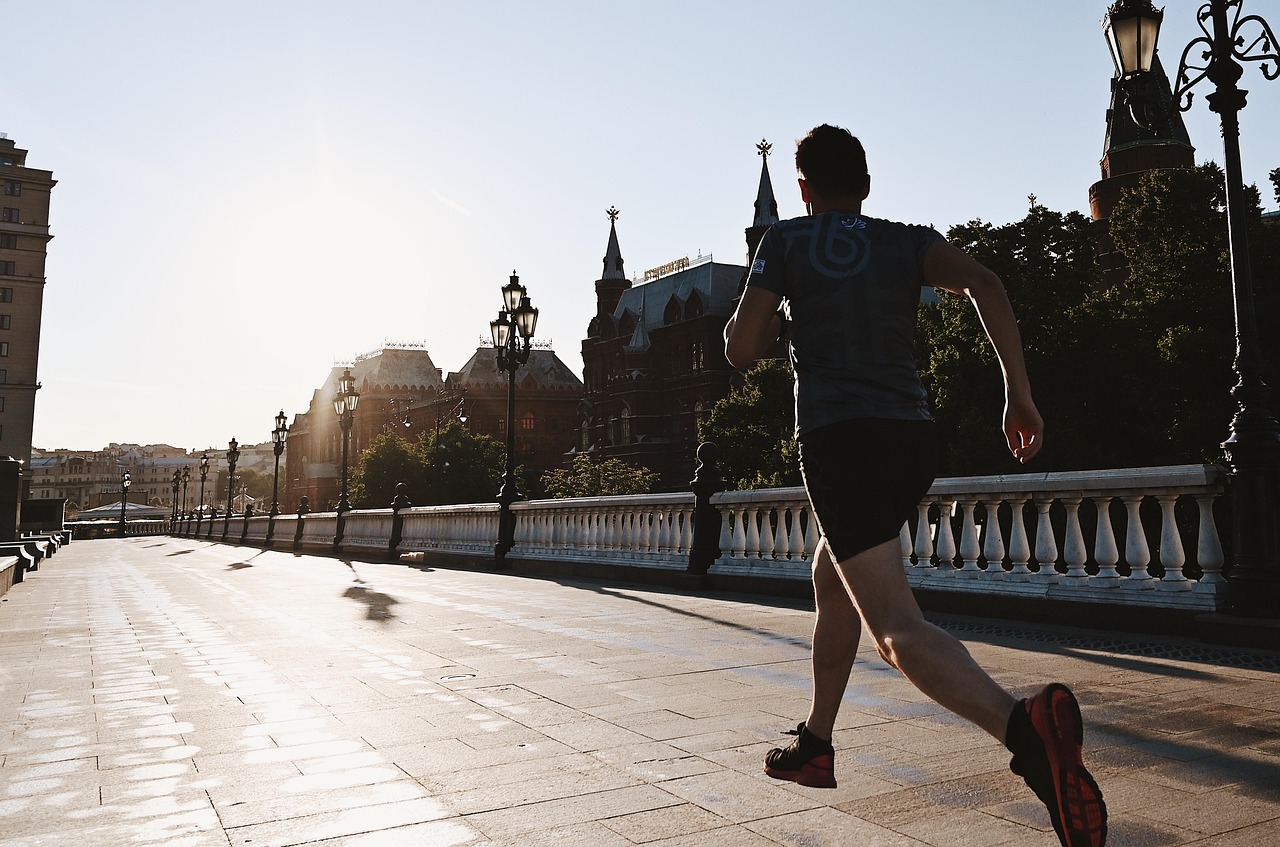
The most sociable hour of the British week is migrating from 10pm to 7am. Run clubs have quietly become the country’s biggest singles scene, swimming groups meet before work in water nobody would describe as inviting, and the dawn dance events that once sounded like a wellness parody now sell out in cities that used to close at three. The appeal is partly economic – a coffee and a 5k costs a fraction of a night in a bar – and partly practical: nobody has ever regretted a morning. Expect venues to notice, and expect at least one nightclub to reopen as a breakfast room before the year is out.
2. Slow travel and the sleeper train’s second life
The overnight train has gone from nostalgia piece to genuine booking option, with new and revived routes threading across Europe and a generation of travellers deciding that arriving in the morning beats arriving cheaply. Slow travel in 2026 is less about virtue than about texture: one country instead of four, a fortnight in a single valley, the trip where the journey is the holiday rather than the toll paid for it. The corollary is a certain snobbery about the 48-hour city break, which is unfair but probably unavoidable. The trend to watch is duration – longer stays, fewer of them, and a quiet rehabilitation of the coach.
3. Low-and-no stops being a novelty
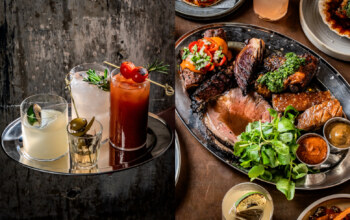
The alcohol-free shelf has finished its awkward adolescence. What began as a joyless row of sugary substitutes is now a category with genuine craft behind it, and the cultural shift matters more than the liquid: ordering a zero-proof drink in 2026 provokes exactly no comment, which is all anybody wanted. Younger drinkers are leading it, but the fastest growth is among the middle-aged, who have discovered that the second glass was never the good one. Restaurants are responding with proper pairings rather than an afterthought, and the best bars now guard their non-alcoholic list as jealously as their wine.
4. The dumbphone and the analogue sunday
Digital detox has matured from a retreat you pay for into a habit you schedule. The brick phone has become a genuine minor market, e-readers are outselling tablets in some households, and the phone-free dinner is edging towards default among under-30s. More interesting is the rise of the analogue Sunday: one day a week with notifications off, treated less as deprivation than as a standing appointment. It is the rare wellness trend that costs nothing, which may be why it is spreading faster than anything sold in a bottle.
5. People smoke less and less – and the good news is genuinely good
Not every trend is an aspiration; some are simply progress. Britain smokes less every year, and the decline has accelerated to the point where the cigarette is now a minority habit almost everywhere in the country. That is unambiguously the best public-health story of the decade, and it deserves to be named as a lifestyle trend rather than filed away as a statistic – the pub beer garden of 2026 smells different from the one of 2016, and the change happened faster than anybody forecast. Sweden, which declared itself effectively smoke-free at the end of 2024, has shown what the endpoint looks like; the rest of Europe isn’t expected to get there until 2040.
Where the habit went is the more interesting question. Some of it went nowhere, which is the point. Much of the rest migrated to alternatives – and since the UK’s disposable vape ban in June 2025 cleared a great deal of shelf space behind the nation’s counters, the fastest-growing occupant of that space has been the nicotine pouch, a small tin of Swedish origin that now fronts a UK market worth around £188 million a year. These are 18+ products containing nicotine, which is addictive, and nobody arriving from a standing start should be arriving at all. For adults already using nicotine, though, the format has become the quiet default: nothing lit, nothing exhaled, nothing for anyone else to breathe.
At the £6.50 shop price, a tin of twenty is a defensible small luxury. The economics only make actual sense online, where specialist nicotine pouches retailers do age-verified multipacks that bring the per-tin cost down towards £3.50 – at which point the daily habit stops being an extravagance and becomes merely a habit, with everything that word implies. It’s also where you’ll find the parts of the range supermarkets never shelve: the full Nordic Spirit catalogue runs well beyond the three or four flavours in the meal-deal fridge aisle, including the newer 2026 additions and both Max tins. Wherever you buy, expect an ID check; any seller who skips it is cutting corners you should wonder about.
6. Third places return: The lido, the library, the church hall
After a decade of retreat indoors, the shared room is back in demand – and it is rarely a bar. Lidos are being restored at a pace not seen since the 1930s, libraries have quietly reinvented themselves as the last free warm space with wifi and no obligation to buy anything, and the church hall has become the unlikely venue of choice for everything from life drawing to table tennis leagues. The common thread is cost and low stakes: a place to be around people without a bill at the end. Councils that grasp this will look prescient by 2027.
7. Strength, sleep and the long game
The longevity conversation is finally shedding its more absurd fringe. What survives is unglamorous and effective: resistance training twice a week, protein at breakfast, walking treated as transport rather than exercise, and sleep taken seriously enough to build an evening around. The wearables are being demoted from oracle to notebook, partly because the data was making people anxious and partly because the advice never changes. Expect gyms to keep converting cardio floors into squat racks, and expect the word “biohacking” to sound distinctly 2023.
8. Buy once, mend twice
Wardrobe culture has swung decisively towards fewer, better and older. Repair cafés have waiting lists, cobblers are being rediscovered by people who assumed they had all closed, and the resale platforms have made the secondhand jacket the default rather than the compromise. There is a hard-headed logic underneath the romance: an item bought to last five years and mended once is cheaper per wear than anything on a rolling drop schedule. The aesthetic consequence is a certain sameness – everyone in the same well-made coat – but the alternative was worse.
9. The dinner party dissolves into the weeknight supper
Hosting is being deliberately de-skilled. The four-course Saturday production has given way to a Tuesday with one large pot, a bag of bread and no expectation that anyone dresses for it – an approach that gets people around a table roughly ten times more often. Batch cooking, the freezer as an active tool and the return of the properly stocked pantry all follow from it. It is the most hopeful trend on this list, because it is the one that solves loneliness with lentils rather than an app.
10. Doing things badly on purpose
The final shift is the one underpinning most of the others: a growing tolerance for amateurism. Ceramics evenings, choirs, chess clubs, sewing groups and reading circles are all expanding fastest among people with no intention of ever being good, and the absence of an audience is the appeal. After a decade in which every hobby was expected to become a side hustle, doing something purely, unprofitably badly has acquired the flavour of luxury. If 2026 has a single lesson, it may be that.
The editorial unit


















Facebook
Twitter
Instagram
YouTube
RSS