
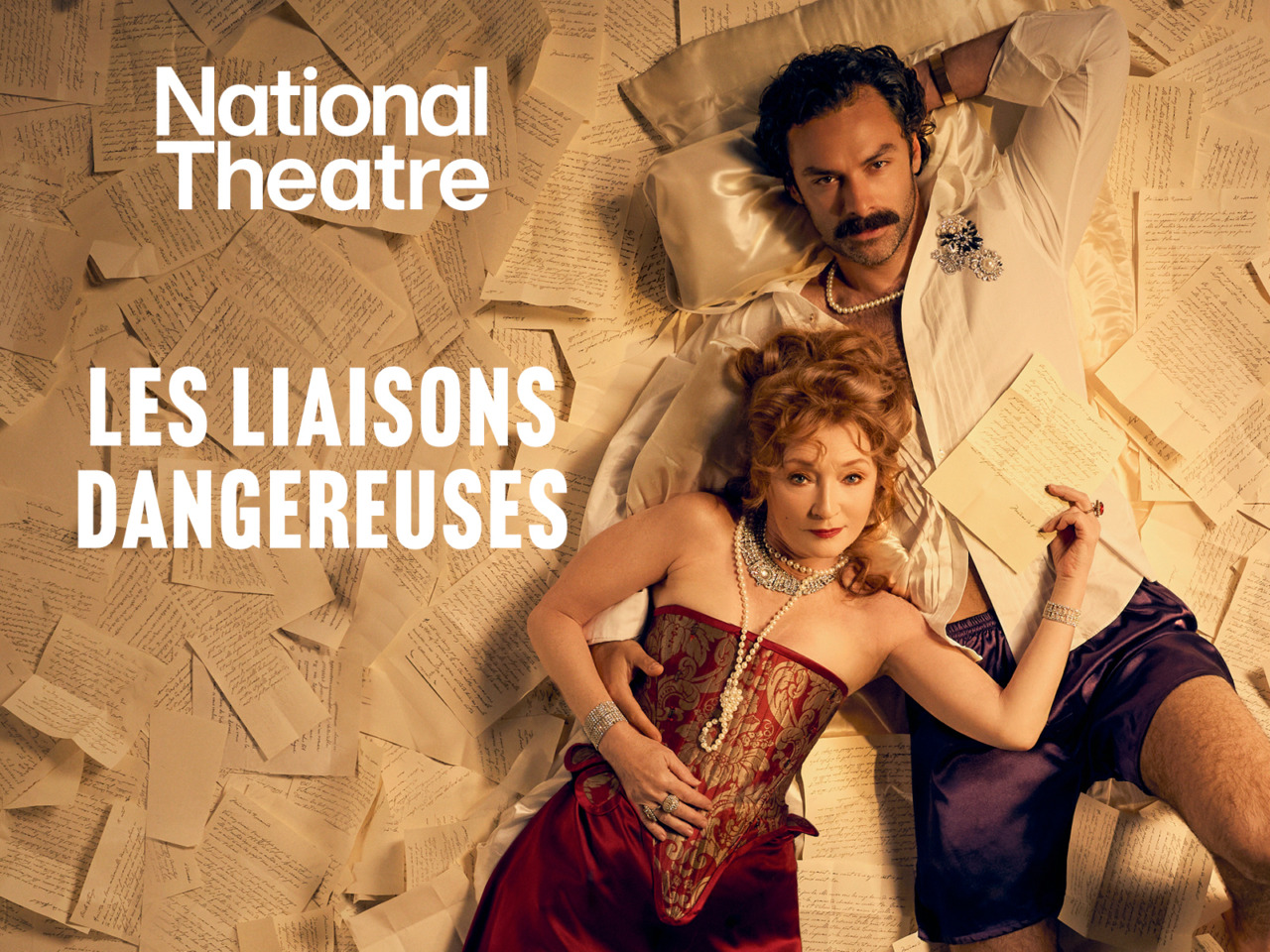
Les Liaisons Dangereuses at the National Theatre


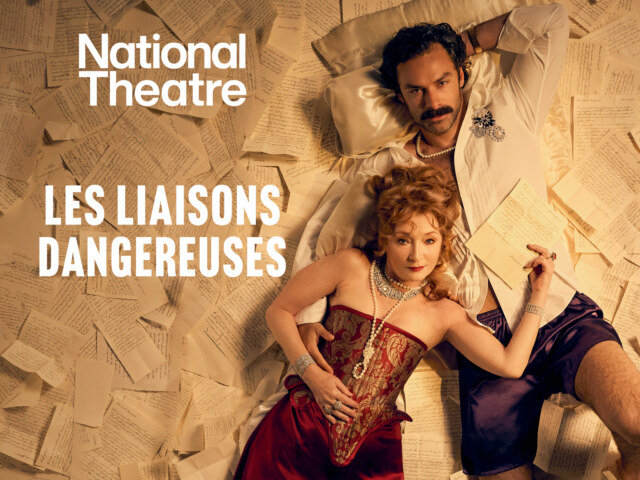
Choderlos de Laclos’s epistolary novel may have been published in the 18th century and gone through multiple adaptations, but Marianne Elliott proves that it’s still ripe for renewed interpretation. Adapted from Christopher Hampton’s 1985 play, Les Liaisons Dangereuses is a visually stunning psychosexual marvel, with the acclaimed director skilfully lending a humanistic touch to a tale of the inhumane.
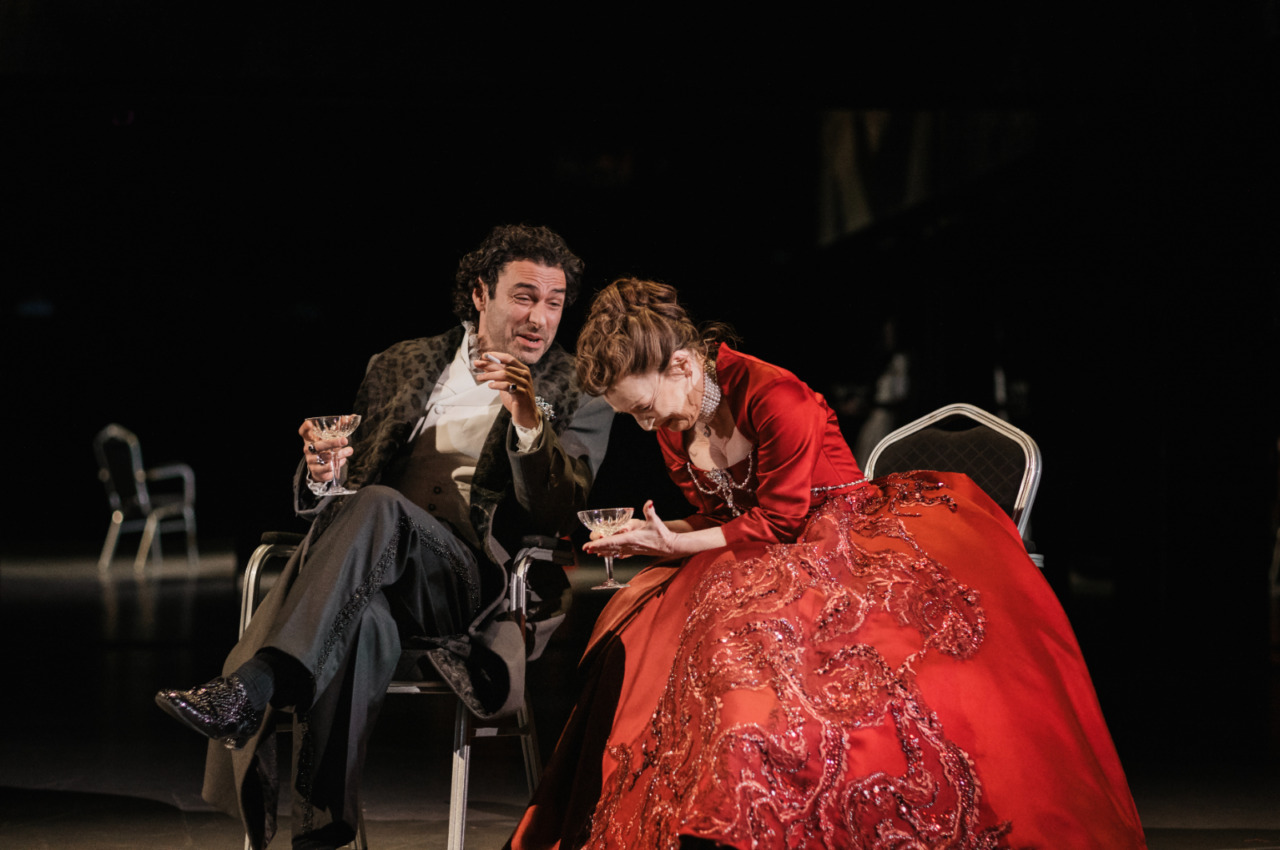
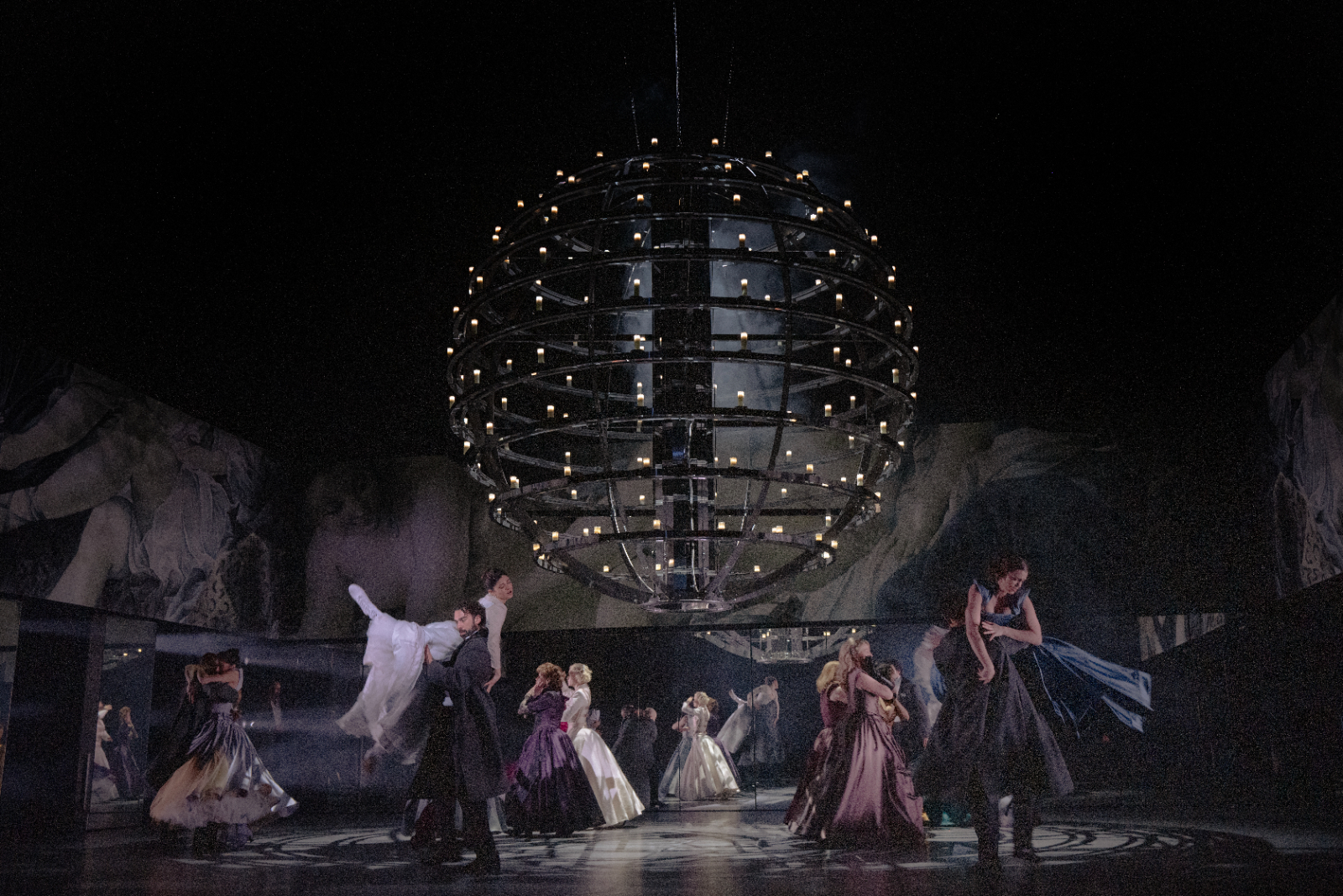
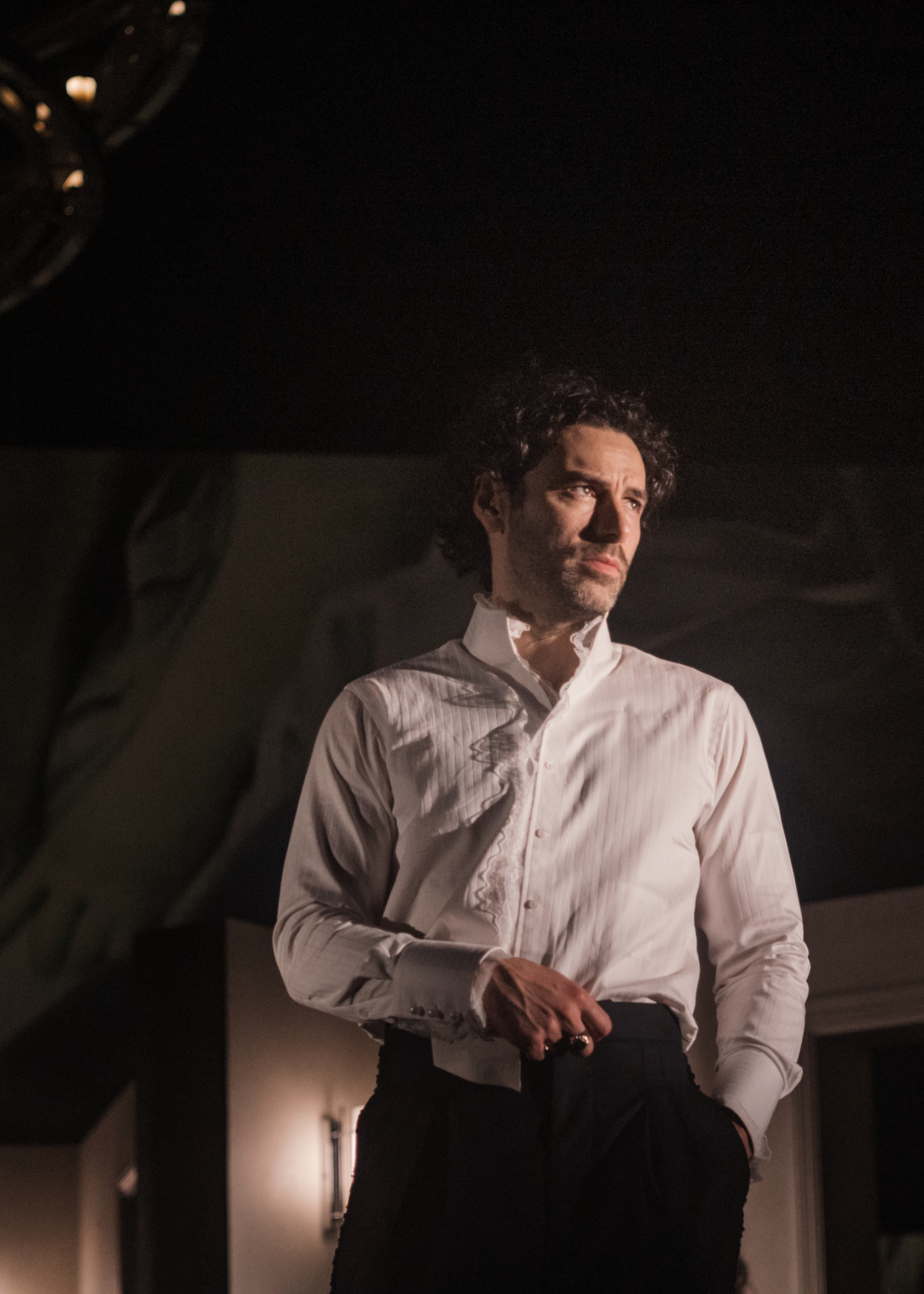
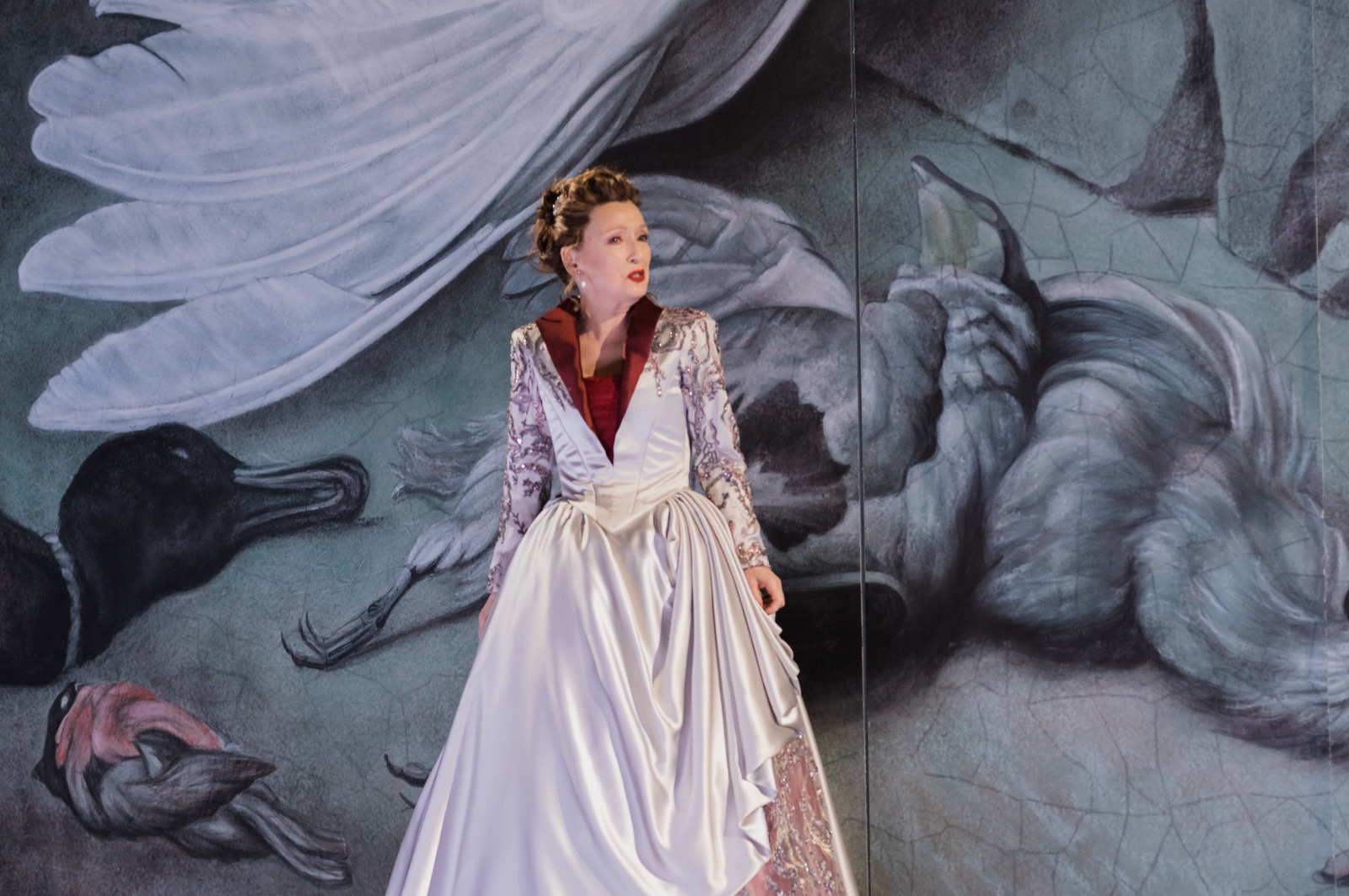
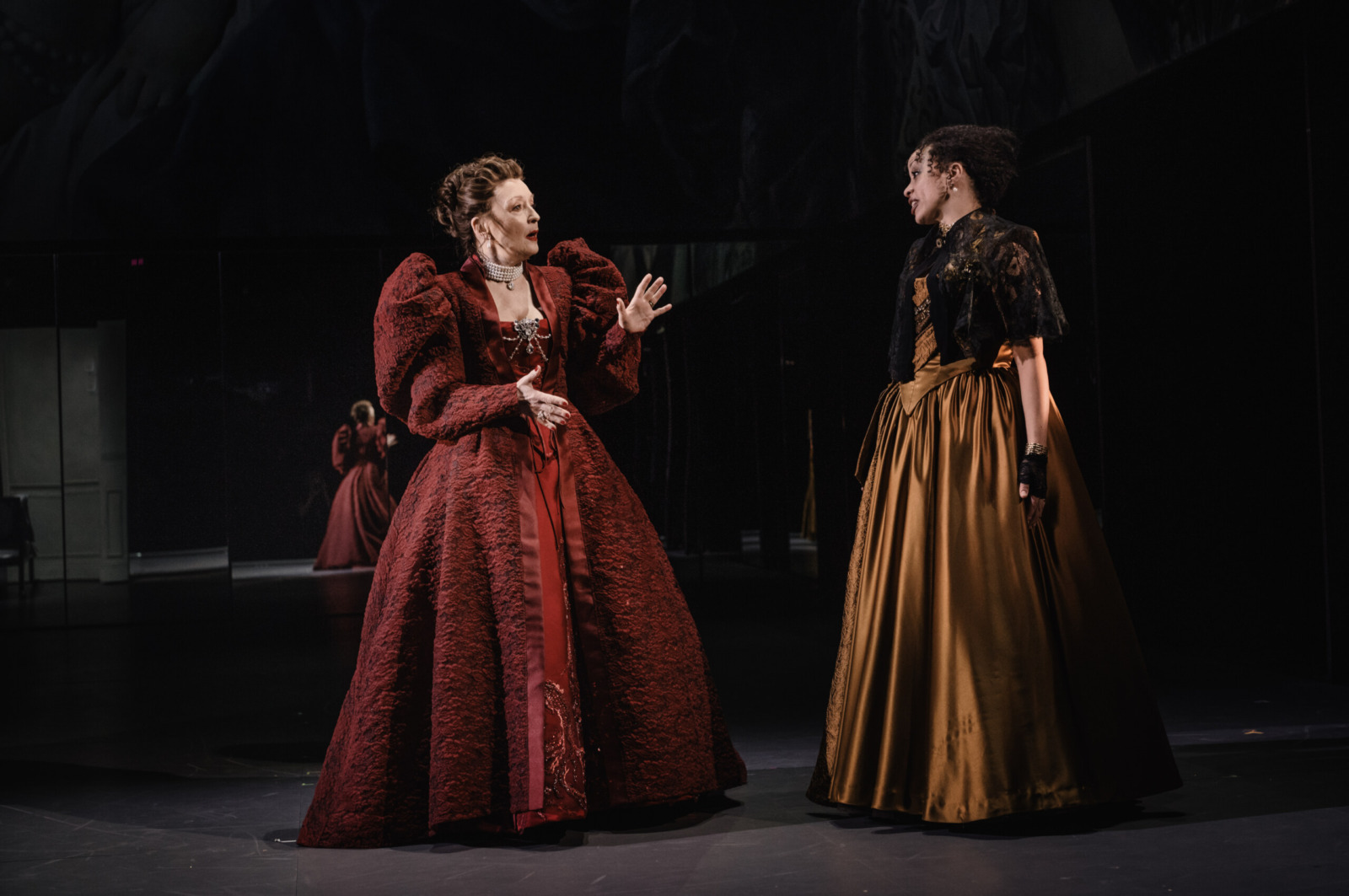
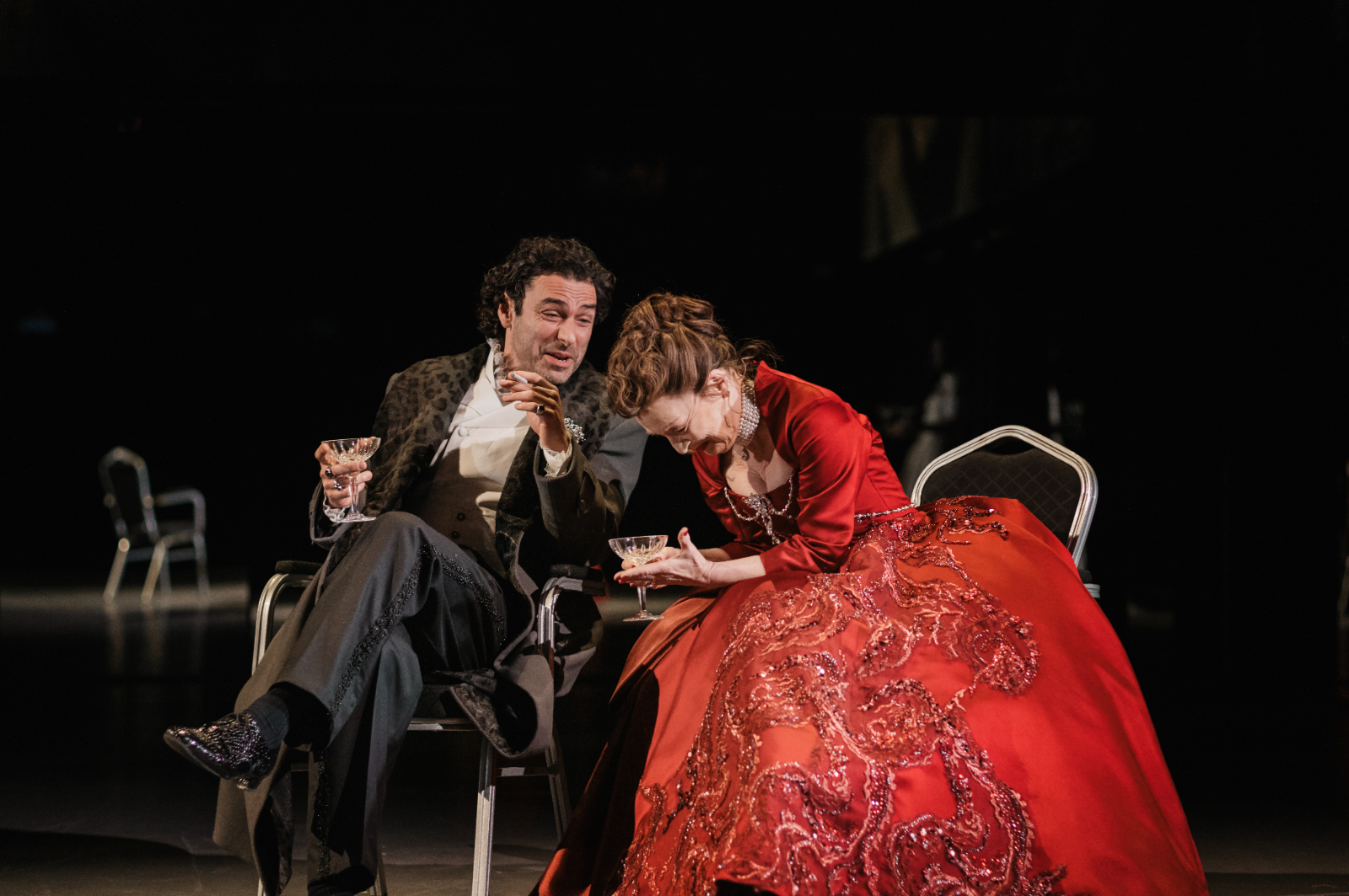
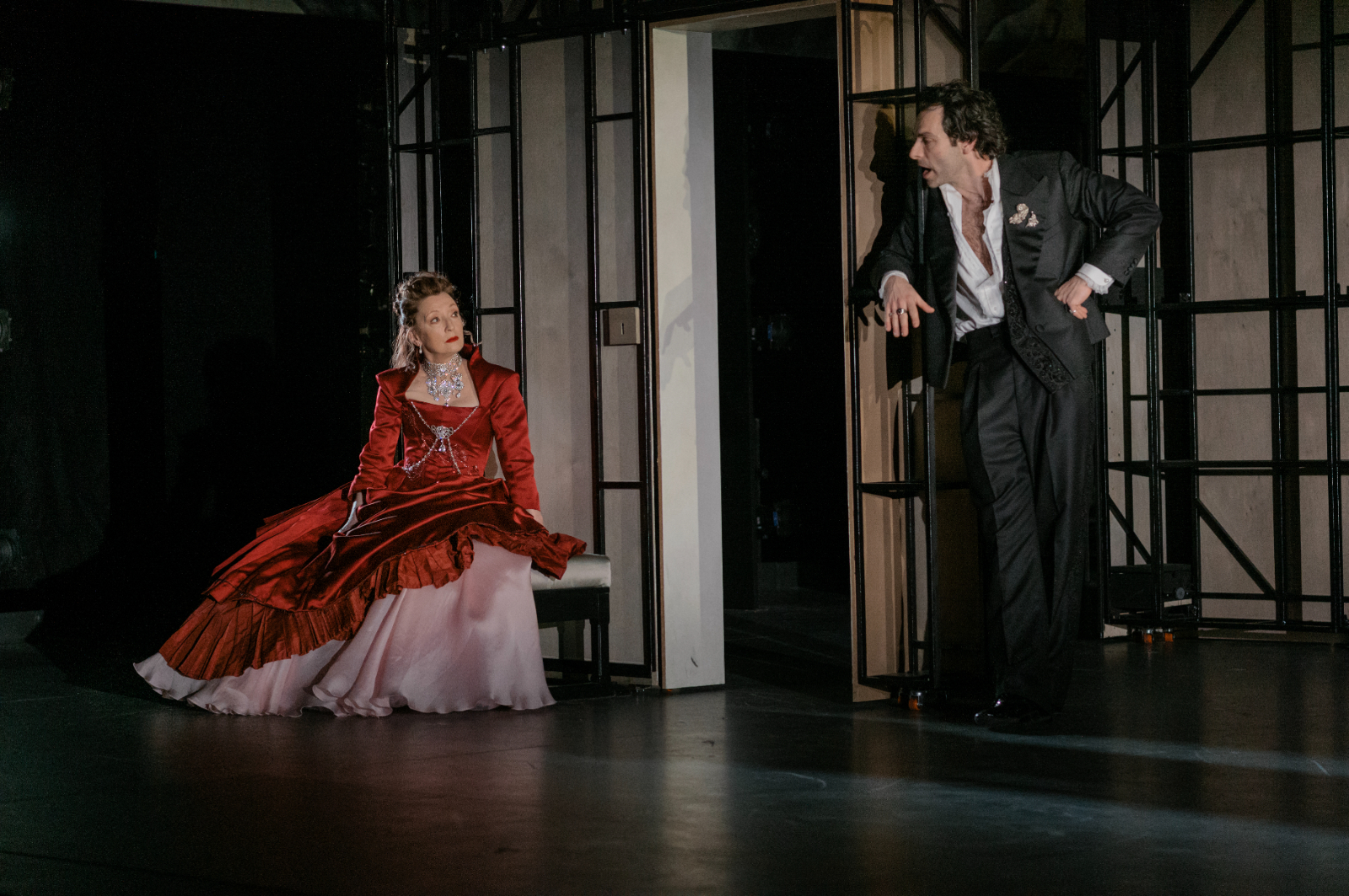
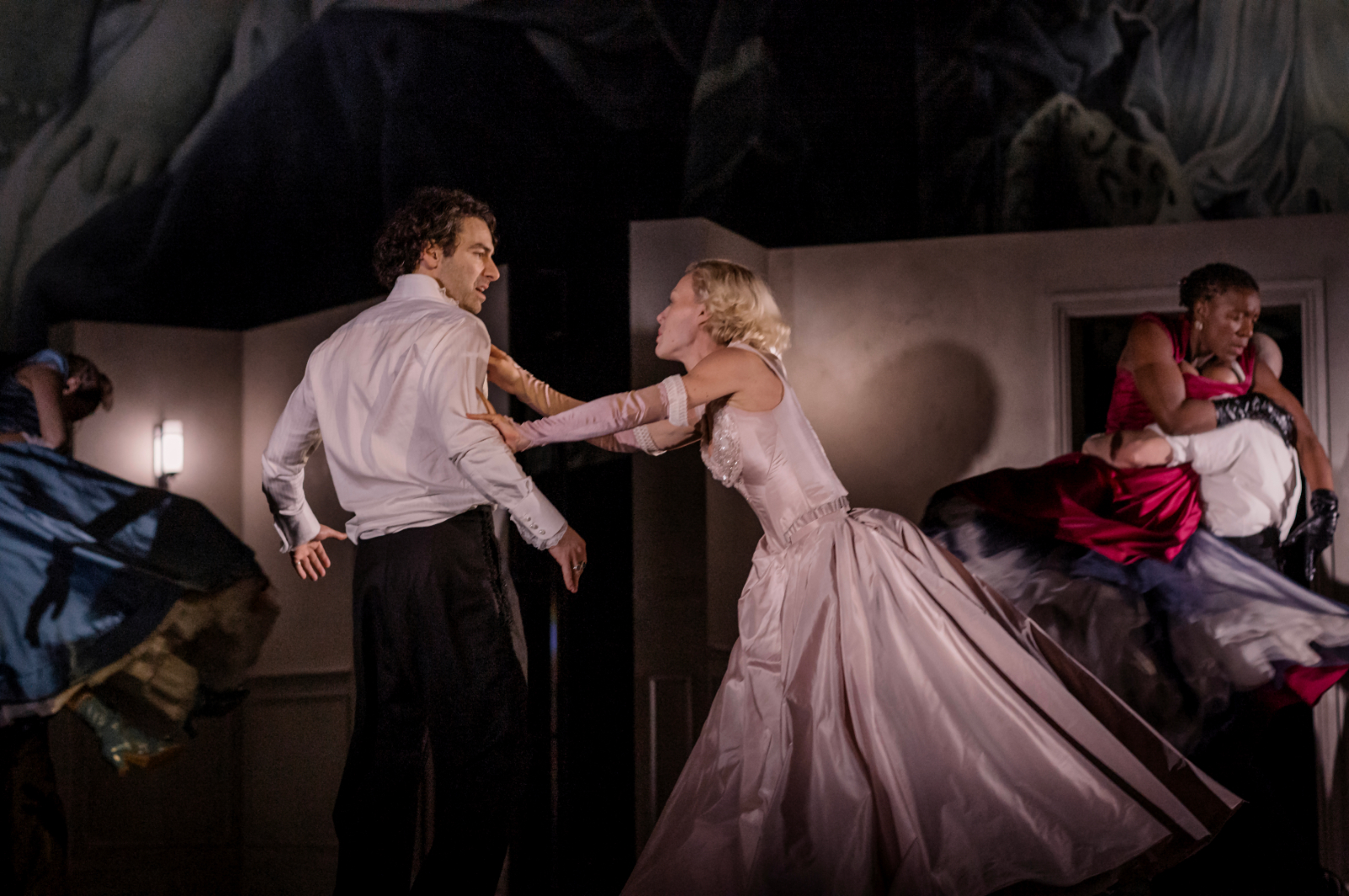
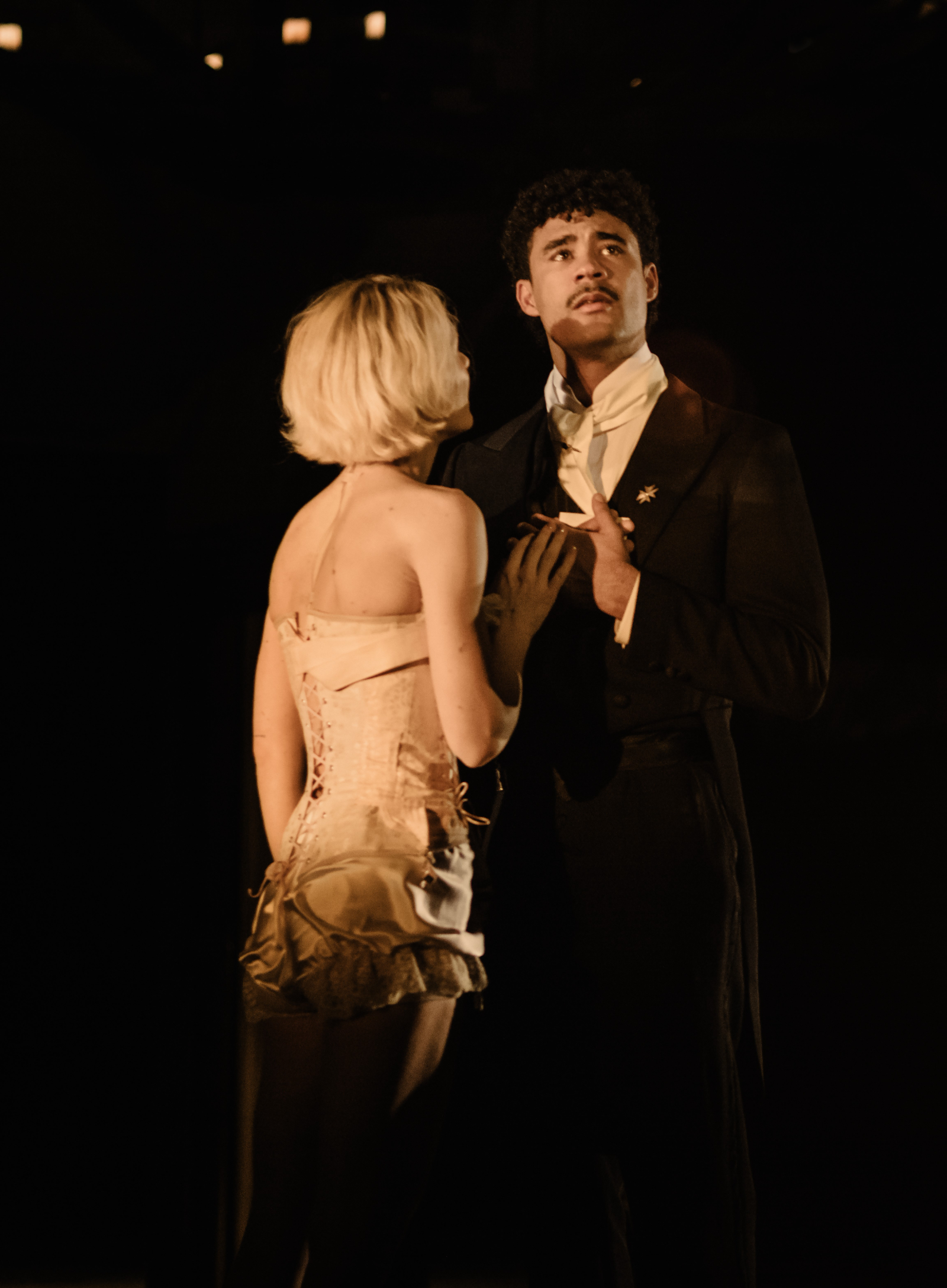
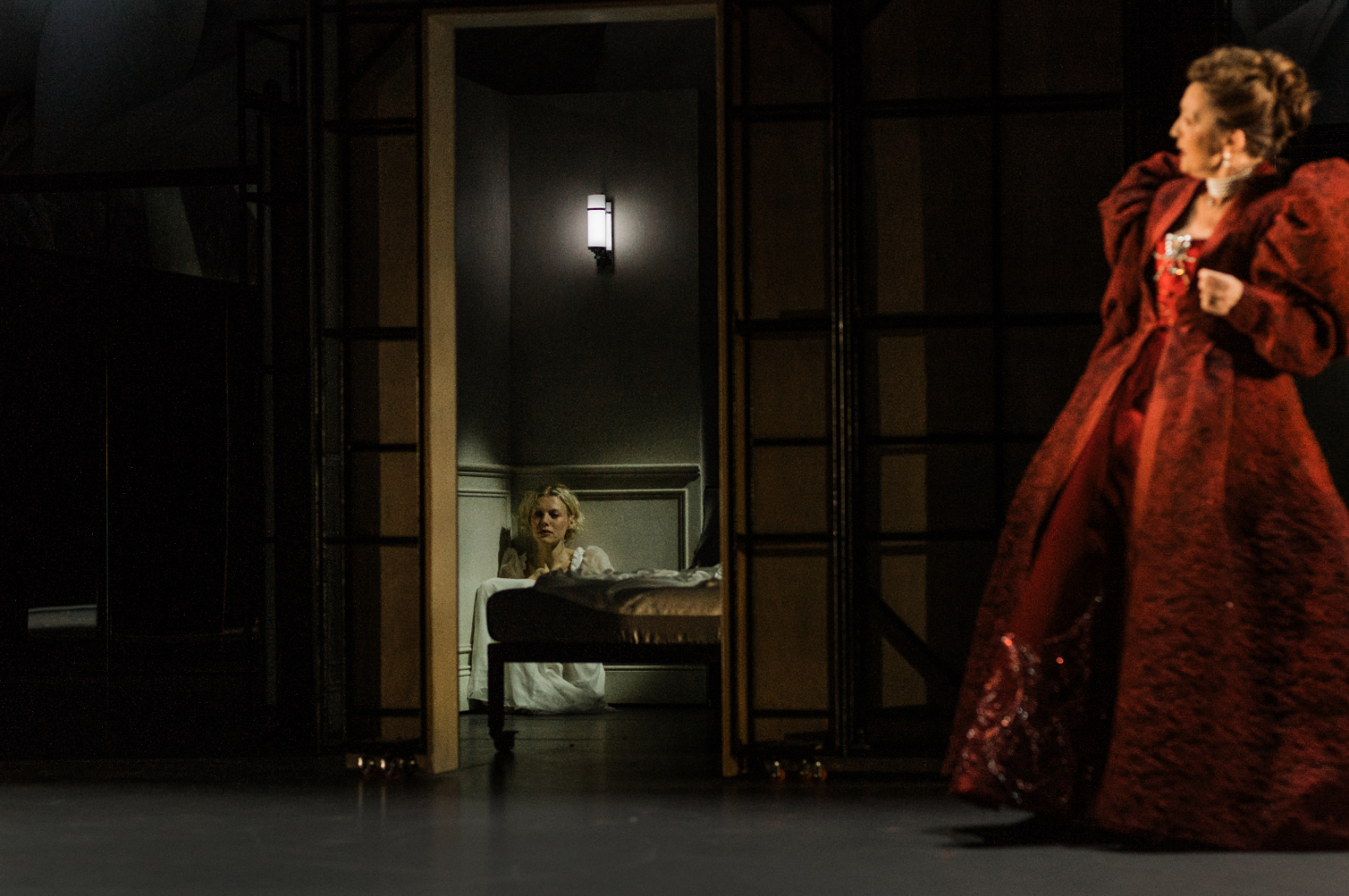
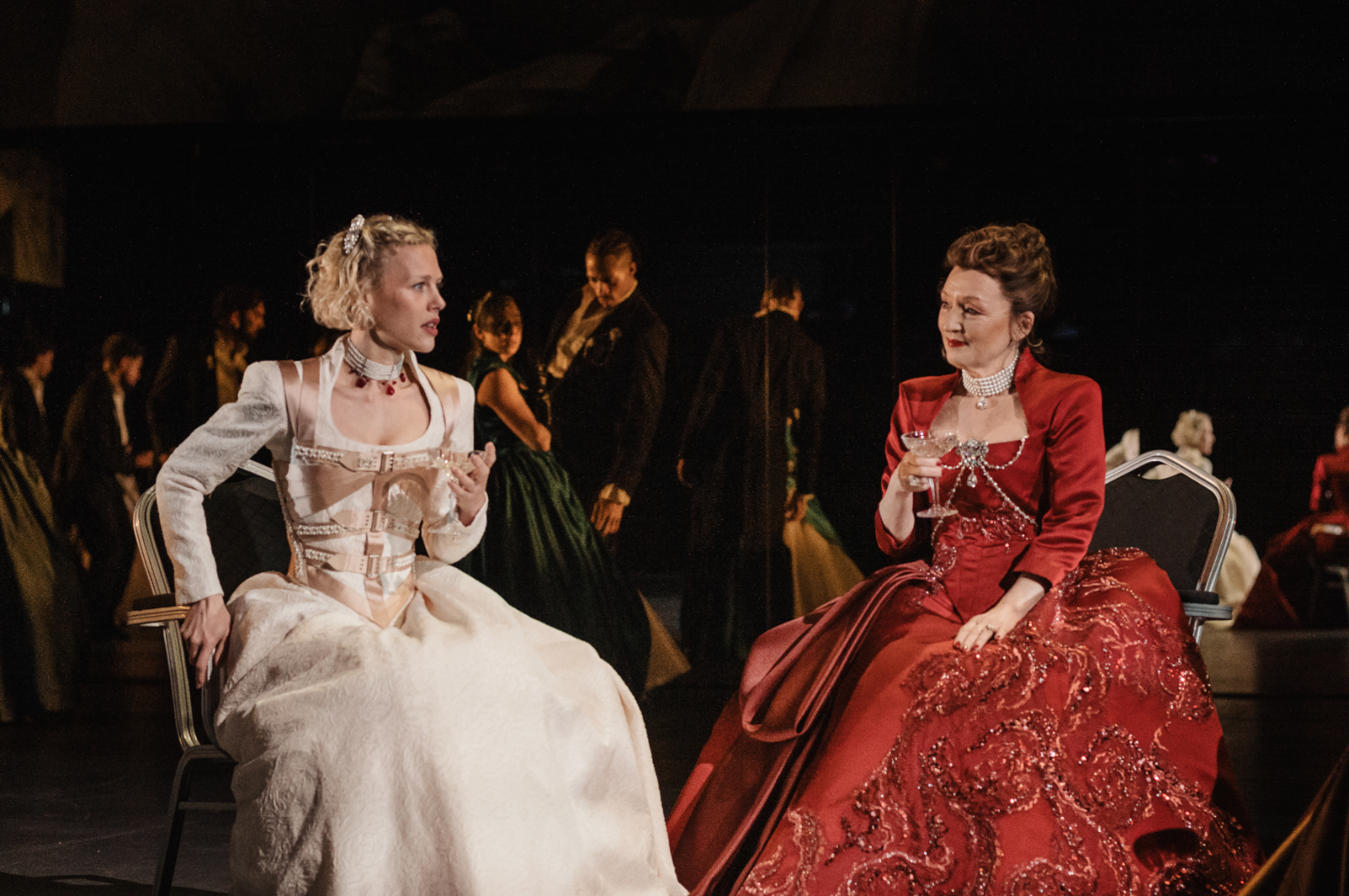
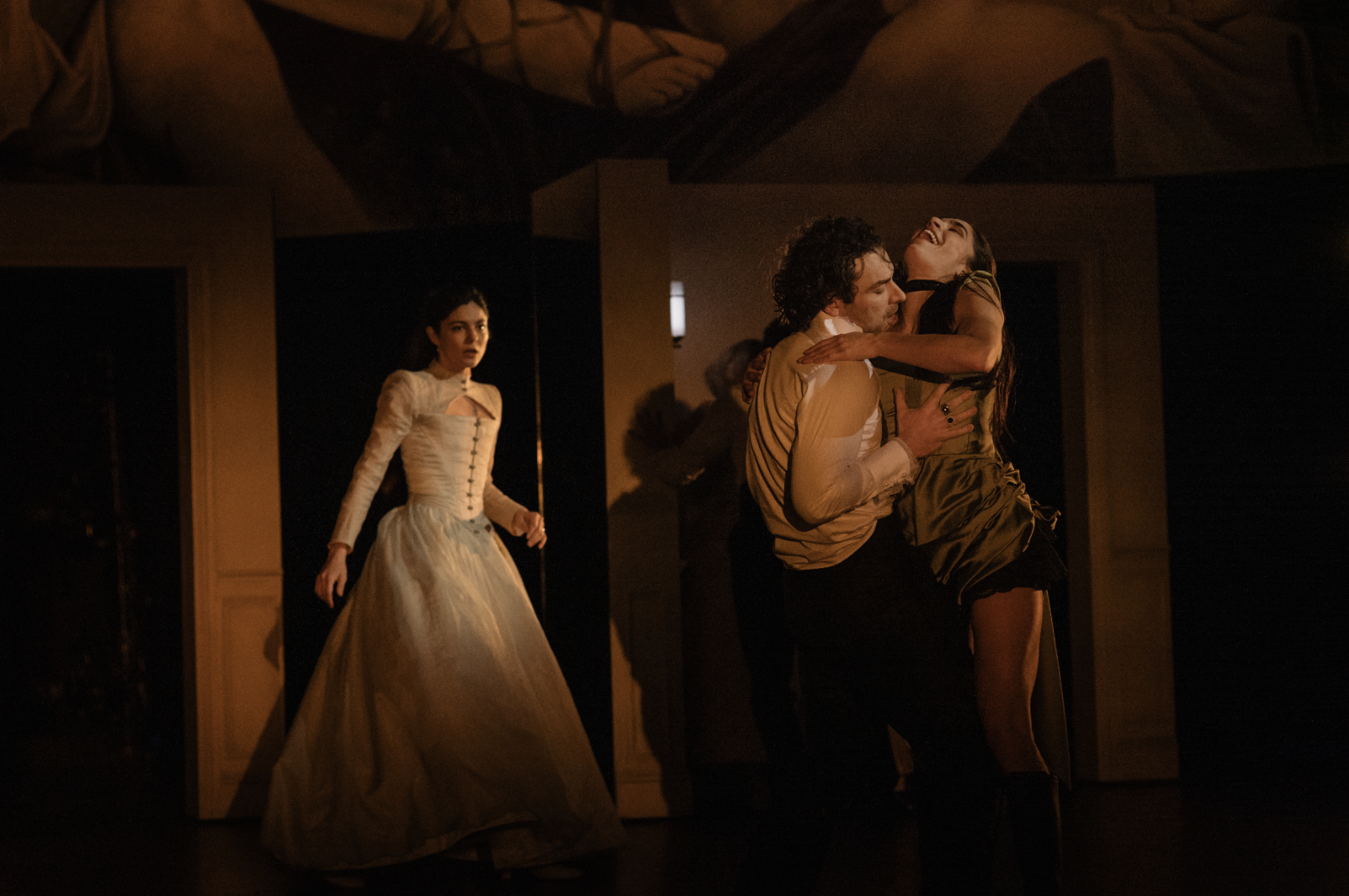
Opening with a sensual dance sequence, this exposé of the sexual escapades of French high society makes for a riveting staging. Lesley Manville and Aidan Turner are expertly cast as the Machiavellian Marquise de Merteuil and the Vicomte de Valmont, who use sex as a tool for manipulation and sadistic wagers. Merteuil encourages Valmont to seduce the married Madame de Tourvel (Monica Babaro) in exchange for offering him sexual favours. However, she is aghast when Valmont’s bond with both de Tourvel and the virginal Cécile Volanges (Hannah van der Westhuysen), another of Merteuil’s pawns, deepens.
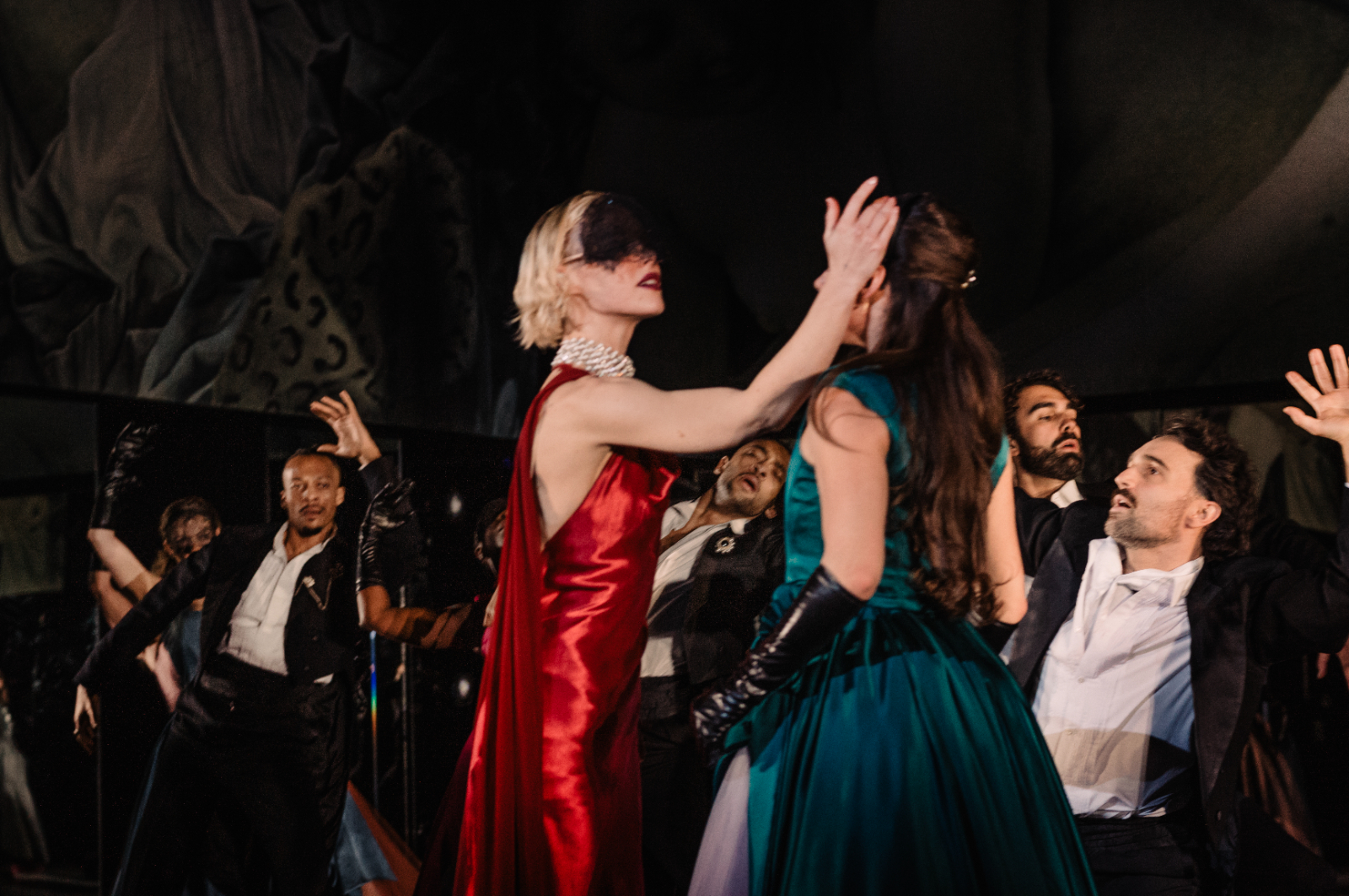
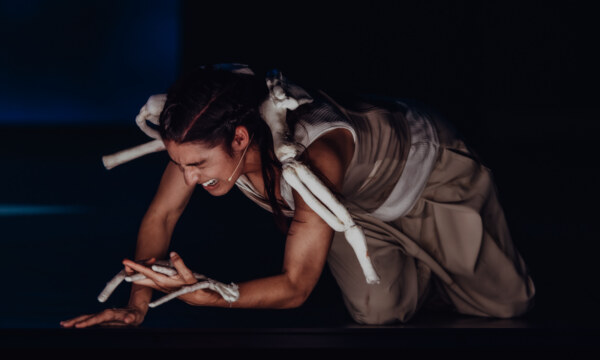
As one of our greatest living character actresses, Manville is superb as the Marquise, and she and Turner lend a surprising comedic element to their loathsome characters. The Poldark star is so snide and slimy that he makes John Malkovich’s viscount from Stephen Frears’s 1988 adaptation seem almost human (almost). In her stage debut, Babaro soars, the fluency of her swanlike dances a testament to her suitability for the medium.
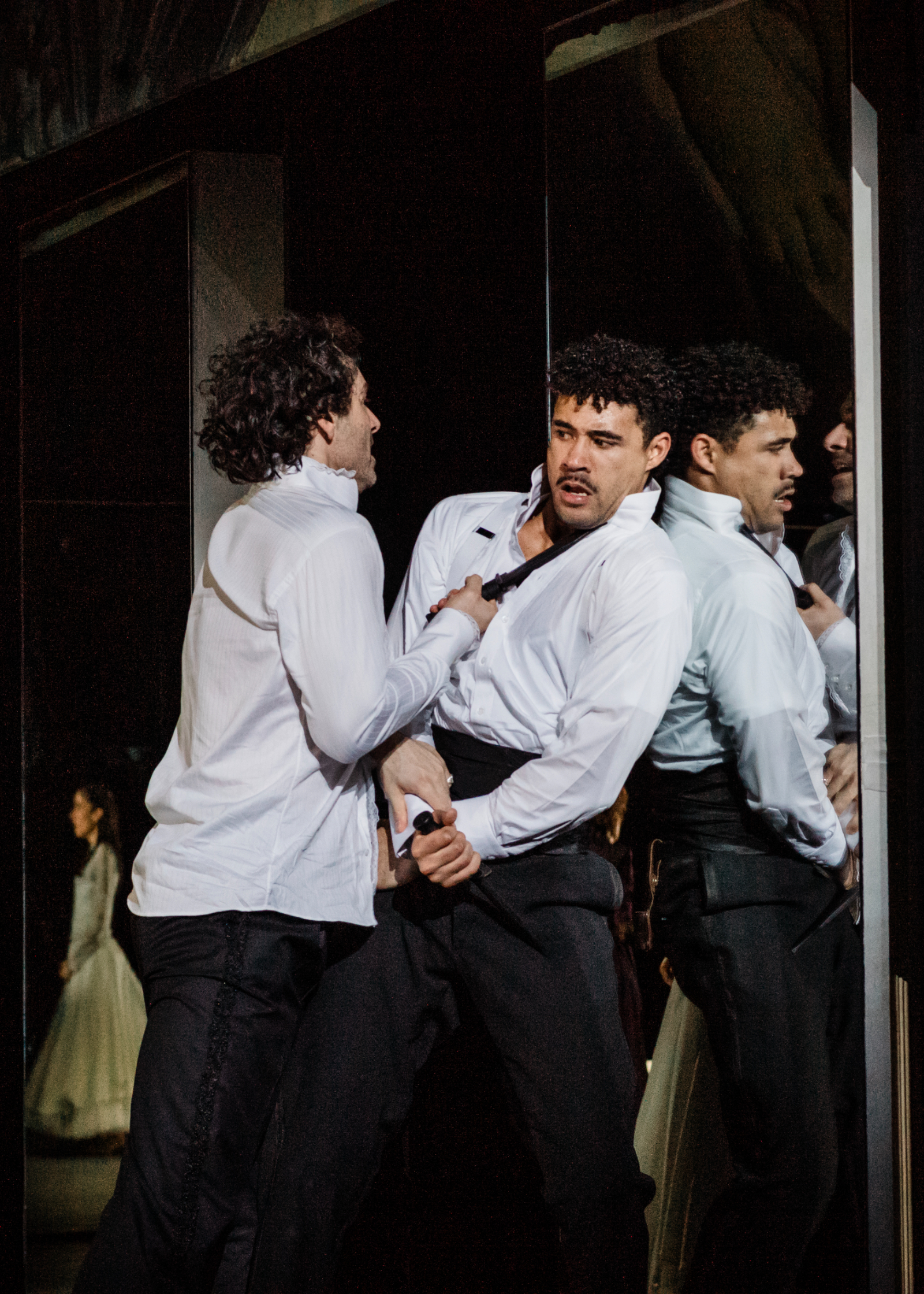
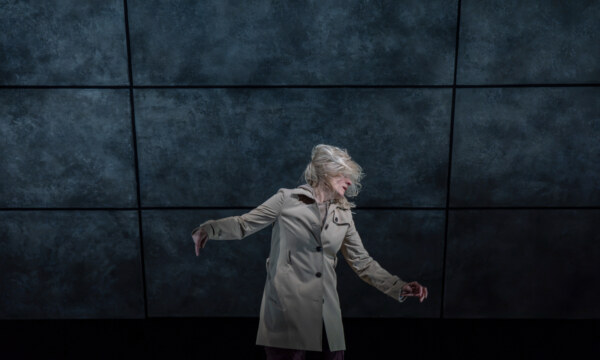
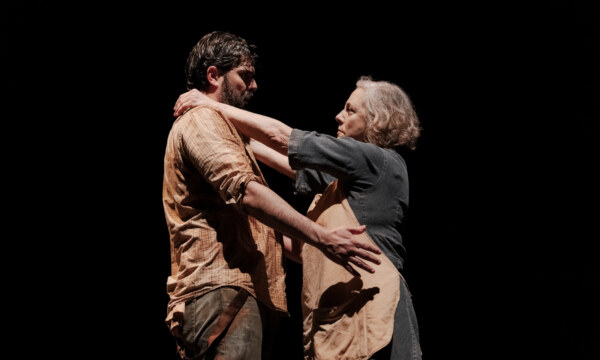
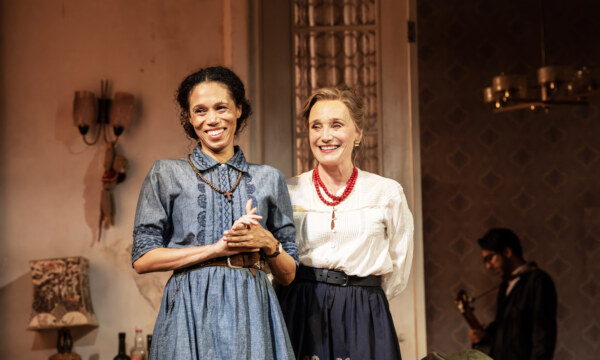
Having worked on stage and screen, Elliott lends her cinematic flair to the production, which is brought to life with atmospheric lighting, sumptuous finery and sinewy dance. The set design is minimalist and moody, which allows the performers to shine in their ornately detailed costumes.
With this staging, Elliott attempts to unravel the psyches of the depraved, showing how the Marquise and Vicomte, as members of the capitalist class, view sex as a vessel for violence and degradation. In an increasingly pornified culture, it doesn’t take a particularly grand leap to see how this mindset corresponds with the contemporary commodification of sex, which has been taken to misogynistic extremes. Paralleling modern discourse around sexual assault, Merteuil is portrayed as complicit in the degradation of her own gender, asking Cécile why she didn’t just say “no” when the Vicomte assaulted her. To some extent – and unlike the novel – Merteuil is not the puppet master; Valmont is as much to blame for the pair’s depravity. “Women are obliged to be far more skilful than men,” she says of her and Valmont’s transgressions. However, this could have benefited from further exploration to distance itself from the literary depiction of Merteuil as someone whose penchant for the perverse is a form of emasculation as much as it is internalised misogyny. Quite literally holding a mirror to the audience, the back of the stage is lined with reflective glass, encouraging us to ponder these inferences.
A fresh reconceptualisation, Les Liaisons Dangereuses is a resplendent feat, leaving audiences with much to contemplate regarding contemporary sexual exploitation. Combining aristocratic theatricality with enthralling dance, this evocative adaptation is sure to tantalise as well as intrigue.
Antonia Georgiou
Photos: Sarah Lee
Les Liaisons Dangereuses is at the National Theatre from 21st March until 6th June 2026. For further information or to book, visit the theatre’s website here.
Watch the trailer for Les Liaisons Dangereuses at the National Theatre here:










Facebook
Twitter
Instagram
YouTube
RSS