
Behind the marble: Plumbing decisions that define a luxury renovation
 7 April 2026
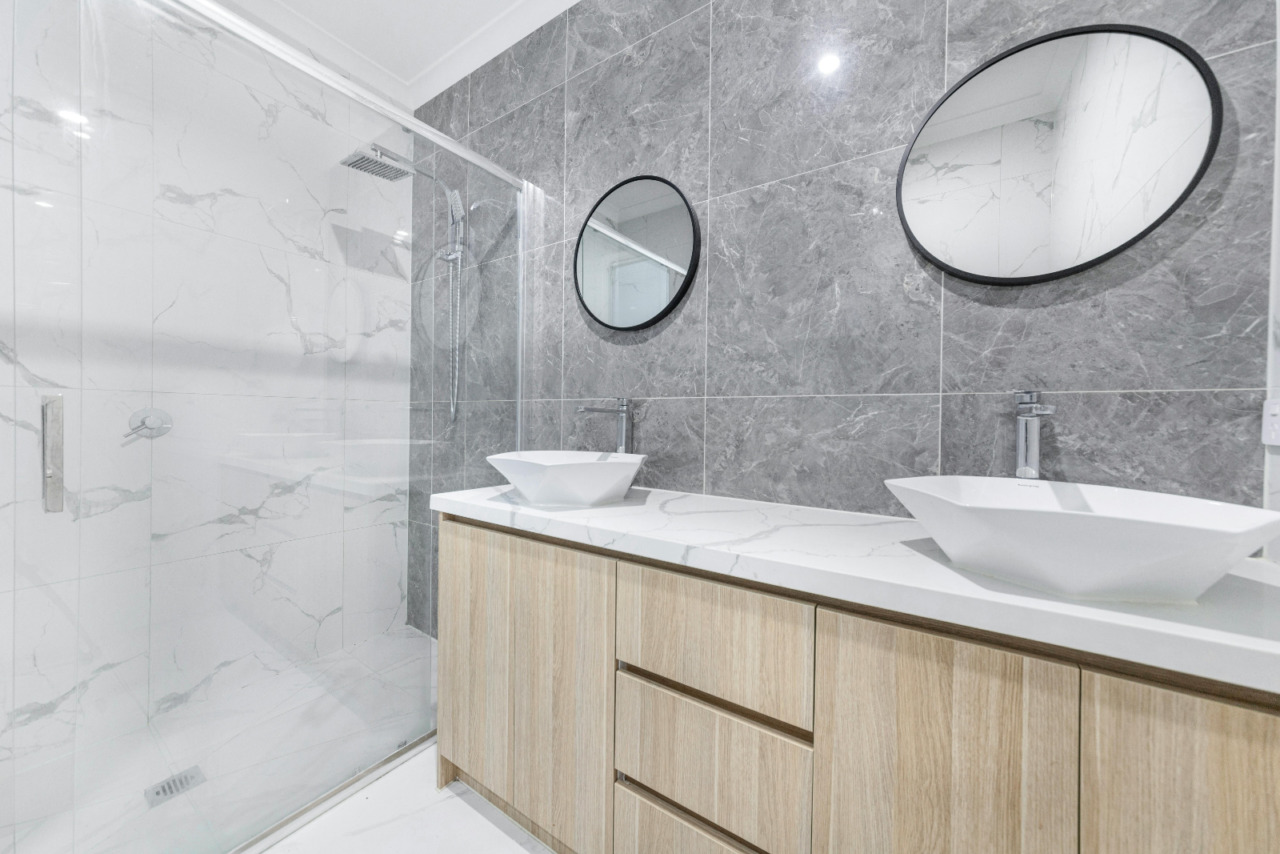
Marble has become shorthand for luxury. Floor-to-ceiling slabs, bookmatched veining, seamless stone transitions – these are the visual signals clients associate with high-end renovation. But marble alone does not create a luxury home. In fact, the most expensive finishes in a residence are often the least forgiving when the systems behind them are poorly planned.
What separates a truly successful luxury renovation from one that merely looks expensive is what happens behind the walls. Plumbing decisions – often made early, quietly and without visual payoff – are the difference between a home that performs effortlessly and one that ages with frustration. For builders, renovators and designers sourcing dependable plumbing components for high-end residential projects, suppliers such as can be a practical resource when long-term performance matters as much as appearance.
In high-end projects, plumbing is not a supporting actor. It is a defining system.
When stone leaves no room for error
Luxury finishes compress tolerance. Stone slabs, custom cabinetry and architectural millwork eliminate the flexibility that lower-end materials provide. Once installed, they lock systems in place.
A minor plumbing misalignment that would be invisible behind drywall becomes a structural problem behind marble. A valve that fails prematurely doesn’t just drip – it threatens irreplaceable finishes. Access panels, if required, disrupt symmetry and undermine the very design the renovation set out to achieve.
This is why luxury renovations demand plumbing systems that are designed for permanence. Every connection, fitting and valve must assume it may not be touched again for decades. Behind marble, “good enough” is never good enough.
The cost of treating plumbing as a commodity
One of the most common mistakes in high-end residential work is treating plumbing materials as interchangeable commodities. On paper, many components look similar. In reality, performance differences compound over time.
Commodity-grade fittings may meet basic code requirements, but they are not engineered for long-term stability in concealed, high-pressure or thermally dynamic environments. Over years, tolerances loosen, seals fatigue and expansion stresses accumulate. The result is not dramatic failure – but gradual degradation that erodes the experience of living in the home.
Luxury renovations fail quietly. The shower that loses pressure when another bathroom is in use. The subtle pipe noise that becomes more noticeable as the house settles. The slow leak that stains stone and requires invasive repair. These are not design failures. They are infrastructure failures.
Precision matters more than visibility
In luxury homes, plumbing performance is inseparable from design integrity. Wall-mounted fixtures require exact rough-in depth and alignment. Floating vanities demand precise drain and supply placement to preserve clean sightlines. Linear drains, concealed mixers and multi-outlet showers all increase system complexity.
Precision plumbing ensures that fixtures sit exactly where designers intend – centred, balanced and visually calm. Even minor deviations can disrupt symmetry or force visible compromises later in the project.
This level of accuracy is not achieved through improvisation on site. It comes from deliberate planning, stable materials and components that behave predictably under installation and use.
Material choices that define long-term performance
Luxury plumbing decisions are rarely about trends. They are about physics, longevity and serviceability.
Brass vs plastic: Structural integrity over time
Plastic fittings are widely used in residential construction due to cost efficiency and speed. In luxury environments, however, their long-term limitations become more pronounced. Heat cycling, pressure fluctuations and ageing all affect plastic more aggressively than metal.
Brass fittings provide dimensional stability, thread integrity and resistance to long-term wear. They are heavier, more durable and better suited for installations where access is limited or non-existent after completion. In a marble-clad wall, reliability outweighs installation convenience every time.
Copper and PEX: Choosing by context, not convenience
The copper-versus-PEX debate is not binary in luxury renovations. Each material has strengths, and the most successful projects use them strategically.
Copper offers rigidity, longevity and excellent acoustic performance. It excels in vertical runs, exposed mechanical rooms and areas where long-term dimensional stability is critical.
PEX offers flexibility, fewer joints and reduced installation stress – but only when paired with high-quality fittings and thoughtful routing. In luxury homes, the issue is not whether PEX is acceptable, but whether it is specified and installed to a professional standard.
Material selection should follow design intent and lifecycle expectations – not installer habit.
Plumbing as a design coordination discipline
In high-end projects, plumbing planning cannot be deferred. It must be coordinated alongside architecture and interiors from the earliest stages.
When plumbing layouts are finalised after millwork and stone drawings, conflicts are inevitable. Fixtures shift. Proportions suffer. Access solutions become visible compromises.
Design-forward plumbing planning prevents these issues by aligning mechanical decisions with spatial composition. Drain lines are centred before stone is cut. Supply lines are positioned to maintain symmetry. Fixture depths are coordinated with wall assemblies, not adjusted afterward.
This approach treats plumbing as part of the design system – not a technical overlay. The result is interiors that feel intentional, balanced and effortless.
Silence, stability and performance
Luxury is not loud. In fact, one of the clearest indicators of a well-engineered home is what one doesn’t hear.
High-end plumbing systems are designed to minimise noise – no water hammer, no ticking from thermal expansion, no vibration transmitted through framing. Pressure remains consistent across zones. Temperature changes are smooth and predictable.
These qualities are not accidental. They are the result of material choice, layout planning and component quality. In luxury homes, comfort is engineered, not assumed.
Longevity is the real return on investment
Clients undertaking luxury renovations are not optimising for initial cost. They are investing in durability, peace of mind and future-proof performance.
This is why experienced renovators and architects source plumbing components from specialised, trade-focused suppliers rather than consumer retail channels. Professional-grade materials are designed for system thinking – compatibility, consistency and long service life.
A single, well-placed decision to use professional plumbing infrastructure can quietly extend the life of an entire renovation by decades.
What truly defines a luxury renovation
Marble may be the first thing people notice. But what defines a luxury renovation is how it performs long after the initial reveal.
Does the home remain silent under use? Do fixtures feel solid and precise years later? Do systems operate without requiring attention, explanation or apology?
Behind every successful luxury interior is a network of decisions that prioritised infrastructure over shortcuts. Plumbing may be hidden – but in high-end renovations, it defines everything that comes after the marble. For professionals looking to source dependable plumbing materials for luxury renovation work, PlumbingSell is a practical option to explore when durability, precision and long-term consistency matter.
The editorial unit























Facebook
Twitter
Instagram
YouTube
RSS