
Argentina’s Food Scene: a culinary journey through steak, wine and street food
 22 April 2026
Argentina boasts a rich and distinctive culinary identity shaped by its indigenous history and strong European influences. From its world-renowned wine regions to its lively street food culture, the country offers a wide variety of flavors, traditions and dining experiences.
Argentinian food has evolved over time, blending deep indigenous traditions with Spanish and Italian influences. While it is widely regarded for its high-quality beef, Argentinian cuisine extends far beyond steak, reflecting strong regional traditions and family rituals passed down through generations.
As you travel across the country, its vast and changing landscapes from dry, high-altitude Altiplano to low fertile plains play a major role in shaping local dishes and wine production.
Some of the most iconic aspects of Argentina’s food scene include:
- The tradition of asado, a cultural ritual centered around slow-cooked meats in a family-oriented environment.
- World-class wines produced in famous regions like Mendoza.
- Exceptional street food such as Empanadas, that vary according to the region.
- European-influenced pastries including alfajores and desserts like dulce de Leche.
Argentina is more than a destination for great food; it is a place where food brings people together. For many, food is one of the primary reasons for travel.
The Ritual of the Asado: more than just a barbecue
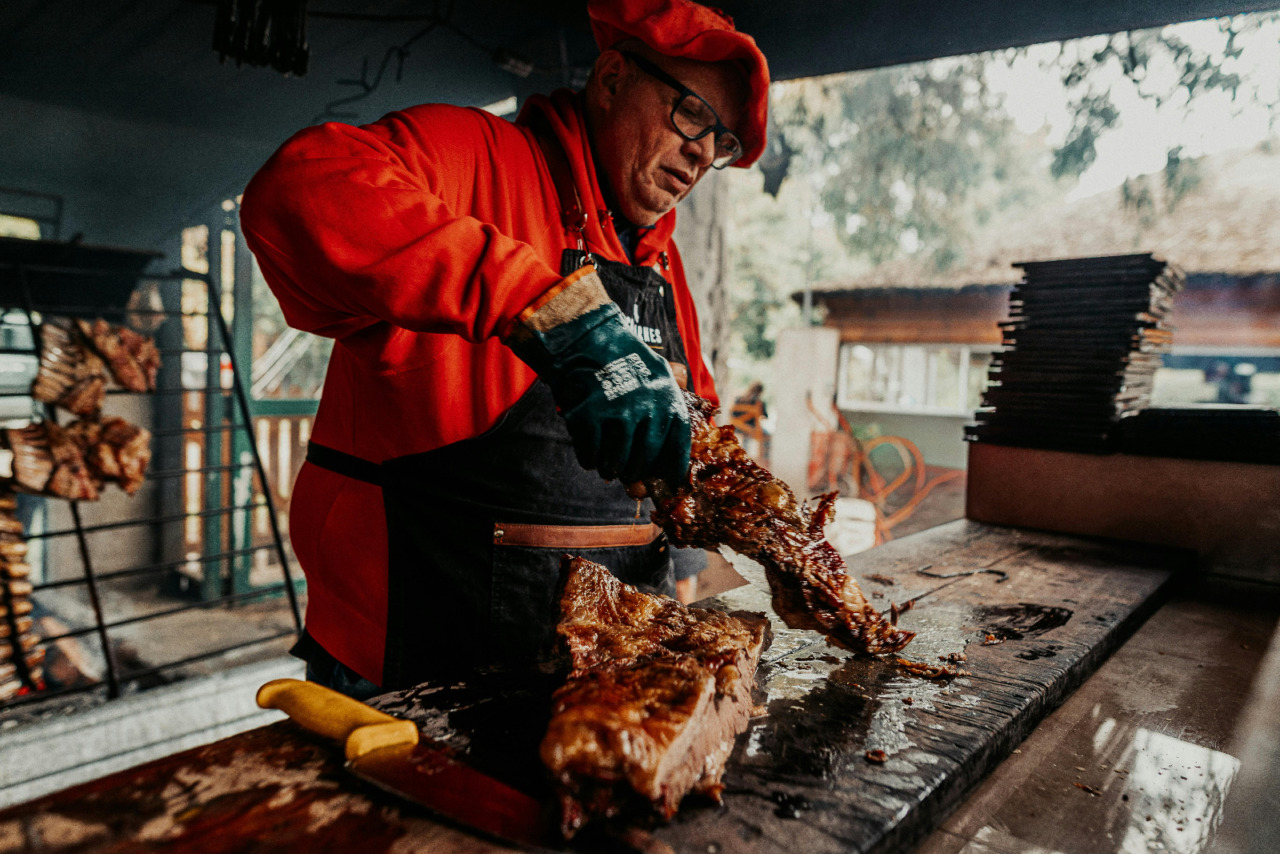
The asado ritual is the heart and soul of Argentine cuisine widely regarded as the country’s national dish. Deeply rooted in tradition, asado is a source of immense pride for Argentinians. Typically held on Sundays, it brings family and friends together around a wood-fired grill to share food, stories and make memories with one another.
An asado is not just a barbecue, it’s a slow paced and cooperative experience. The atmosphere is relaxed yet lively.
The social element is just as important as the food itself, making it one of the most important cultural experiences in the country. For visitors, attending an asado is one of the most authentic ways to experience Argentinian culture.
Some key terms to know before attending an asado:
- Asado: refers to both the event itself and the cooking technique of grilling the meat over woodfire.
- Parilla: The grill used to cook the meat.
- Parrillero or Asador: The grill master in charge of cooking the feast. It is often the father of the family who oversees the entire process, passing down techniques to the younger generations.
A variety of cuts are used, including asado(short rib), ojo de bife (ribeye), entraña (skirt steak), and bife de chorizo (striploin steaks) and vacío(flank).
Every detail matters, from the choice of wood used, the timing and the seasoning. The fire itself is central, it must not be too strong or weak with the meat often only flipped once.
Accompaniments complete the asado. Chimichurri, a sauce made from parsley, minced garlic, olive oil, oregano and vinegar is an essential pairing that complements the meats. Drinks such as Malbec wine or cold beer are often enjoyed with the meal further enhancing the atmosphere.
If you are unable to attend a traditional asado, many restaurants dedicated to asado can be found in most cities throughout the country.
The capital city, Buenos Aires, is home to some of the world’s most renowned steakhouses, where visitors can experience this important culinary tradition. Check out this guide for more information on what to eat, see or do in Buenos Aires.
Regional Flavours: from the Altiplano to Patagonia
Depending on where you travel in Argentina, the food can vary dramatically. Stretching over 2,300 miles from the north to south, the country encompasses a wide range of climates and landscapes, each with its own span of ingredients and culinary traditions.
While asado is enjoyed in most regions, every region has its own signature dishes. Each plate tells a story and is a reflection of the local culture and heritage.
The north
In the northern regions of the Altiplano, particularly in provinces like Salta and Jujuy, the cuisine carries a strong Andean and indigenous heritage.
The flavors are dominated by local ingredients such as corn, potatoes, beans and spices creating hearty and earthy dishes. Some of the most famous foods and dishes from northern Argentina are:
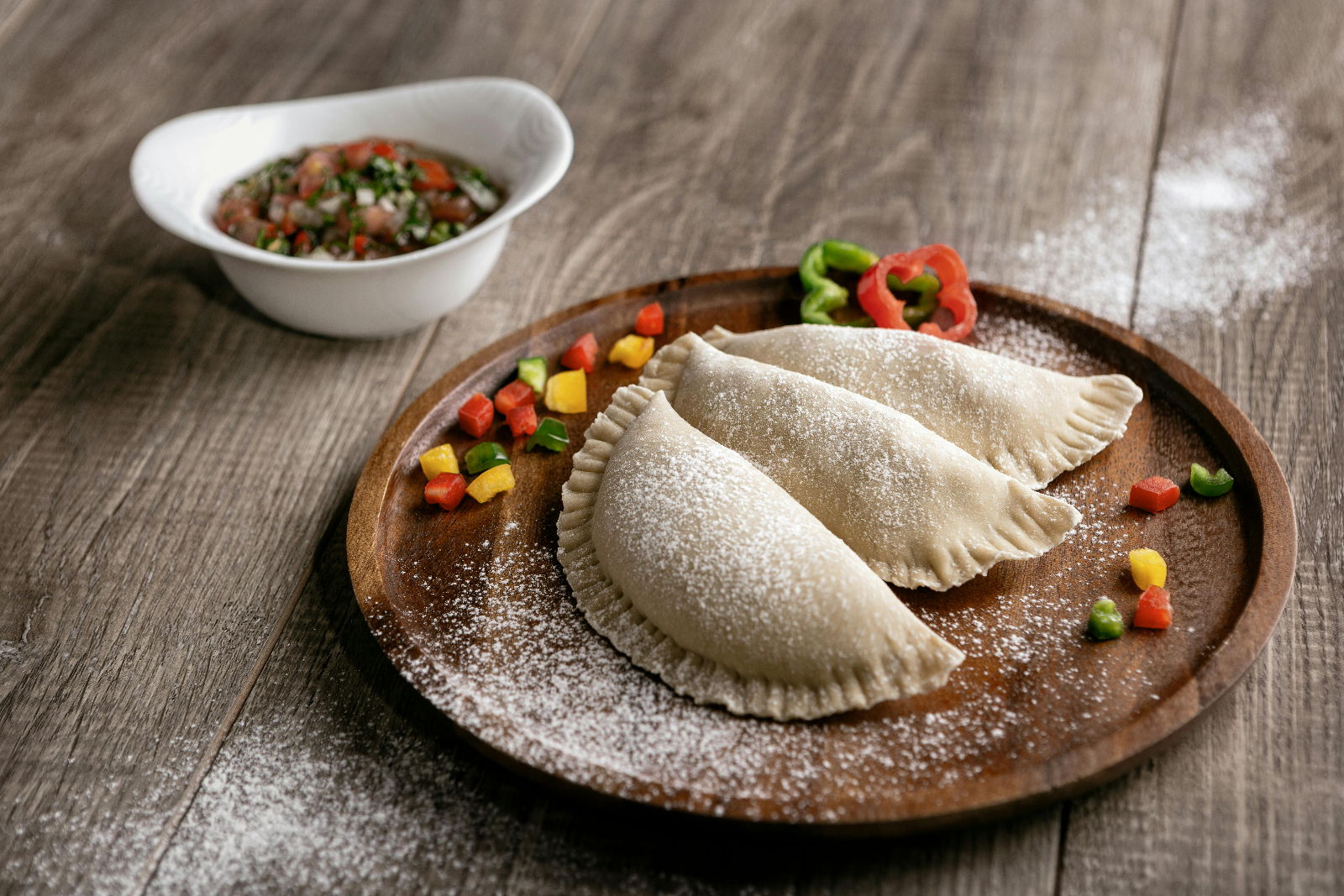
Salteña Empanadas: Originating from the Salta region, these empanadas are typically known for their smaller size, and spicier and juicy filling. They are typically composed of chopped beef, potatoes, green onions and spices.
Tucumana Empanadas: Originating from the Tucumán region, these empanadas feature chopped meat, white onions, green onions and a hard boiled egg. They are usually wrapped in a thicker pastry that is fried or baked with a golden crust.
Tamales: A traditional northern dish across the Andean region consisting of soft corn dough filled with spiced meat. The mixture is wrapped in corn husks and steamed creating a hearty, comforting dish.
Locro: A thick, hearty stew considered a symbol of the indigenous northern Argentina. It typically includes corn, squash, potatoes, beans and meat.
Humita: A dish made from freshly ground corn and cooked with squash, onion, cheese and spices until it forms a creamy paste. The mixture is then wrapped in corn husks and steamed. It is typically eaten straight from the husk and has a sweet taste from the fresh corn.
The south
As you travel south through Argentina, the cuisine changes dramatically. The colder climate and rugged terrain of Patagonia causes a shift in flavours and dishes creating a culinary tradition that is focused on high quality local ingredients.
Some of the most most notable dishes from southern Argentina include:
Cordero Patagonico: This is the most famous dish of Patagonia. Lambs in Patagonia have impeccable grazing conditions giving them a rich depth of flavor compared to the rest of Argentina. The lamb is traditionally slow-roasted whole over flames until crisp, tender and infused with smoke.
Fresh Trout: Patagonia is also renowned for its freshwater fish, particularly trout. Sourced from the region’s pristine surrounding lakes and rivers, the trout is prized for its fresh and high-quality.
Beyond the bottle: navigating Argentina’s wine regions
Wine plays a central role in Argentina’s dining culture. Argentina is one of the leading wine producers in the world regarded as the heart of South American wine. Like its cuisine, its wines vary greatly depending on the region, with diverse climate conditions influencing the flavour, aroma and character of the wine.
Wine production stretches along the Andes mountains, from the extreme altitude vineyards of the north to the cooler, vast landscapes of Patagonia, and other emerging regions.
These environmental differences allow for a wide range of grape varieties and wine styles making Argentinian wine production incredibly diverse.
Argentina is especially famous for its bold and robust malbec wine, and is the world’s largest producer of this kind, accounting for roughly 75% of global production. This signature wine has become synonymous with the country’s identity on a global scale.
Some of the most important wine regions in Argentina include:
Cuyo
The Cuyo province, often referred to as Argentina’s ‘desert country’, is home to the largest and most important wine producing region, Mendoza. This region holds 76% of Argentina’s vineyards and the largest number of wineries. Located in the center-west of Argentina, Mendoza is characterised by its dry climate, scarce vegetation, hot summers and cold winters.
The nearby Andes play a pivotal role in wine production in the region providing the main source of irrigation and acting as a barrier against humid winds. This generates ideal conditions for vineyards.
Within Cuyo, the San Juan region is another key wine-producing area. Together these two regions account for the majority of Argentina’s wine production.They are especially known for powerful red wines including Malbec, Syrah, Bonarda and Cabernet Sauvignon.
North
Northern Argentina is home to some of the highest vineyards in the world with some reaching extreme altitudes of up to 3000 meters. These conditions create a unique environment where intense sunlight during the day, and cool temperatures at night produce rich and aromatic wines with concentrated flavors.
The standout wine region here is Cafayate Valley, located in Salta, famous for its crisp and fruity torrontés wine. In addition, you can also find Cabernet Sauvignon, Syrah and Malbec.
Patagonia
Further south, Patagonia offers a much different wine profile. The landscape is characterised by low wooded mountains, lakes to the west, and the Atlantic coast to the east.
The main wine-production regions are Río Negro and Neuquén. Unlike the high altitude vineyards of northern and central Argentina, the vineyards here are located at much lower elevations.
The region’s dry and cool climate conditions are ideal for elegant wines like Pinot Noir and Merlot which often have a more European style. As you move further south, you will find optimal conditions for white wine varieties such as Chardonnay and Sauvignon Blanc wine. These regions benefit from abundant sunshine, low rainfall and strong winds all of which contribute to slow grape ripening of the grapes.
One of the best ways to experience the Argentinian wine scene is by attending a Bodega Lunch at a local vineyard. A bodega lunch is a premium wine tourism experience where visitors can enjoy gourmet meals, paired with carefully chosen high-quality wines.
A bodega lunch offers visitors the chance to spend an afternoon immersed in the heart of Argentina’s vineyards, surrounded by the rows of ripening grapes, and panoramic mountain views. This experience is particularly popular in Mendoza where visitors can taste wines from the region while enjoying dishes from locally sourced ingredients. All while being accompanied by stunning vineyard landscapes and impressive views of the Andes mountains.
The Sweet Legacy: Italian influence and the cafe culture
One of the most interesting aspects of Argentina’s cuisine is its deep Italian influence, particularly in cities such as Buenos Aires. Between the 1850s and 1950s, Argentina experienced a large wave of Italian immigration which majorly impacted the country’s food scene.
Italian immigrants brought with them their culinary traditions such as pizza, pasta and gelato. They quickly integrated them into society, setting up Italian restaurants and cafés. As a result, traditional Italian cafes and restaurants can still be found in major Argentinian cities.
Most Italian immigrants settled in Buenos Aires, where a strong café culture developed. Historic cafés became important hubs for social activity.
Argentina’s deep dessert culture also reflects its lasting impact, particularly through its wide variety of sweets, pastries and coffee-based traditions. Heladerías are popular across the country serving artisanal gelato inspired by Italian recipes.
In addition, Merienda, a traditional afternoon snack between lunch and dinner, typically consisting often of tea or coffee accompanied by pastries, is strongly influenced by italian habits and is still included in argentinian’s daily life.
Some of the must-try iconic Argentine desserts for visitors include dulce de leche, alfajores and flan topped with dulce de leche.
Essential Street Food: the pulse of the pavement
Although Argentina’s culinary identity is often seen as sit-down, family-oriented meals like asado, the country also offers a diverse and vibrant street food culture for a faster, more casual experience.
One of the easiest ways to experience Argentinian food is in its bustling streets. Argentine street food is accessible, affordable and of high-quality. In cities such as Buenos Aires and Mendoza, street food can be found directly on the streets in stalls, in markets or in football stadiums.
A must-visit destination for foodies in Buenos Aires is the Mercado de San Telmo. This lively market offers a space where you can try traditional and international cuisine. Visitors can sample everything from traditional Argentine empanadas, to choripán.
Choripán is one of the most iconic examples of Argentinian street food. It is a simple but satisfying sandwich consisting of a grilled chorizo sausage, served in fresh bread, often topped with a sauce like Chimichurri.
This can be found commonly at street stalls, local markets, and also is a staple at football stadiums and outdoor gatherings.
Discover Argentina through its food
Argentina’s food scene is a powerful expression of its identity, shaped by deep tradition, vast and varied landscapes, local ingredients and a blend of outside cultural influences. Visitors can experience a wide range of cuisine across the country from traditional asado and world-class malbec wines to vibrant street food and Italian-inspired desserts.
What makes Argentina truly unique is how the food is experienced. There is a strong sense of togetherness and belonging when sharing a meal in Argentina.
Whether you’re attending an all day asado experience with family and friends or sharing a choripán at a football match in Buenos Aires, food brings a strong sense of connection and plays a central role in the Argentine community.
Visitors can fully immerse themselves in Argentine culture through its food, whether tasting wine in Mendoza or trying the various cuts of meat in asado. Visitors can get a deeper understanding of the history and culture of Argentina.
Visit Argentina and discover its delicious culinary traditions, breathtaking landscapes, and vibrant cities.
The editorial unit






















Facebook
Twitter
Instagram
YouTube
RSS