
Sheep in the Box
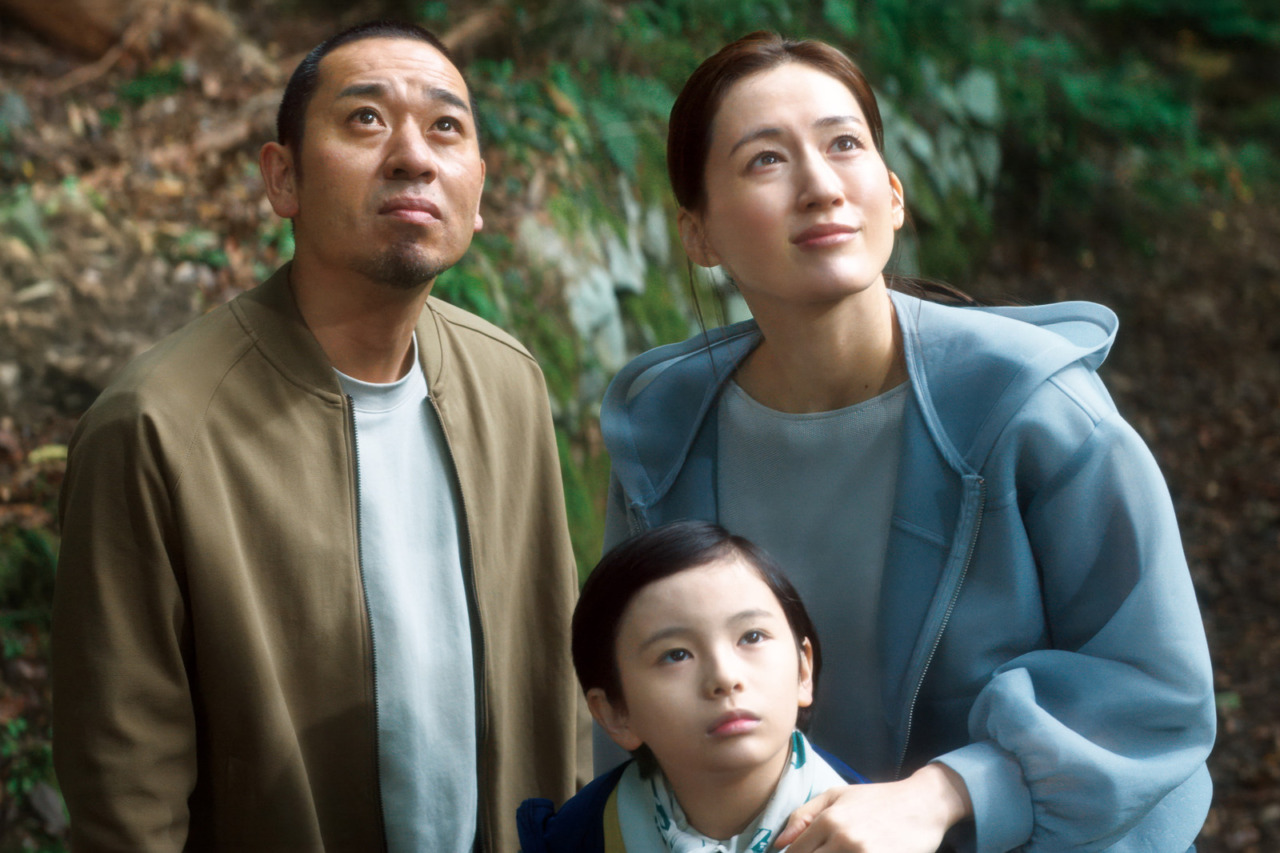



Three years after premiering Best Screenplay-winning Monster at Cannes, Japanese director Hirokazu Kore-eda is back in Competition with a film that lands smack in the middle of the ongoing debate surrounding artificial intelligence and its place in our world.
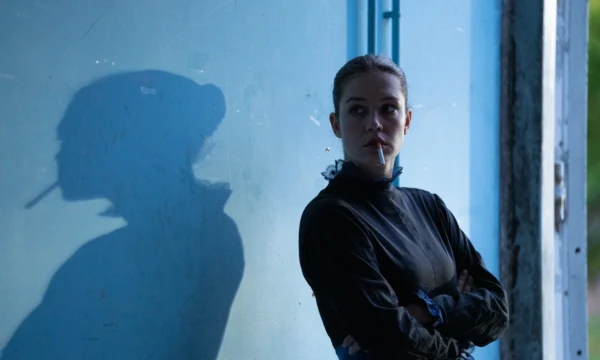
Unable to move on from the death of their son, Otone and Kensuke Komoto are offered participation in an advanced pilot programme. A humanoid recreation, fed with data from home videos and personal questionnaires, is given to grieving parents as a surrogate for the child they lost. However, rather than easing their pain, the synthetic being starts to amplify the emotional tensions embedded within the Komoto family.
From dystopian shows (Black Mirror) to designated science fiction films (Steven Spielberg’s A.I., After Yang), and outlandish comedies (M3GAN, Good Luck, Have Fun, Don’t Die), differing approaches have probed the intersection of modern innovations and the primal, timeless experience of loss. While the Western world is evidently struggling to allow technology the intrusion upon human spaces, imagining robots an existential threat, Japanese culture has historically treated them with less suspicion. As such, embracing the comforting qualities of something explicitly designed and engineered to facilitate the human experience is part of Kore-eda’s approach. The protagonists’ respective careers in architecture and construction are far from arbitrary, as they tie into the concept of creation and building a home. Which materials can hold a structure together?
As the narrative sets off in different directions, the setting thrives on the intricate details of the scientifically advanced mechanics. The audience learns how the humanoid is charged, where its geo-tracker is located, and that it mustn’t be fed or washed. A quiet tension emerges from anticipating malfunction with each exposure to harmful stimuli.
For all its flashes of inspiration and intriguing impulses, Sheep in the Box unfortunately never fully comes alive. The fact that it occupied the bottom spot at the critics’ competition rankings of the festival can only partially be attributed to viewers likely expecting resistance in its approach to humanity’s interaction with technology. Given the emotional depth that defines Kore-eda’s body of work, Sheep in the Box proves comparatively less affecting. What might have been considered a solid film if presented without credits, becomes overshadowed by the expectations attached to the extraordinary filmmaker behind it.
Selina Sondermann
Read more reviews from our Cannes Film Festival 2026 coverage here.
For further information about the event, visit the Cannes Film Festival website here.

















Facebook
Twitter
Instagram
YouTube
RSS