
“Watching King Kong was the night I knew I wanted to make films”: Rendez-vous with Peter Jackson at Cannes Film Festival 2026
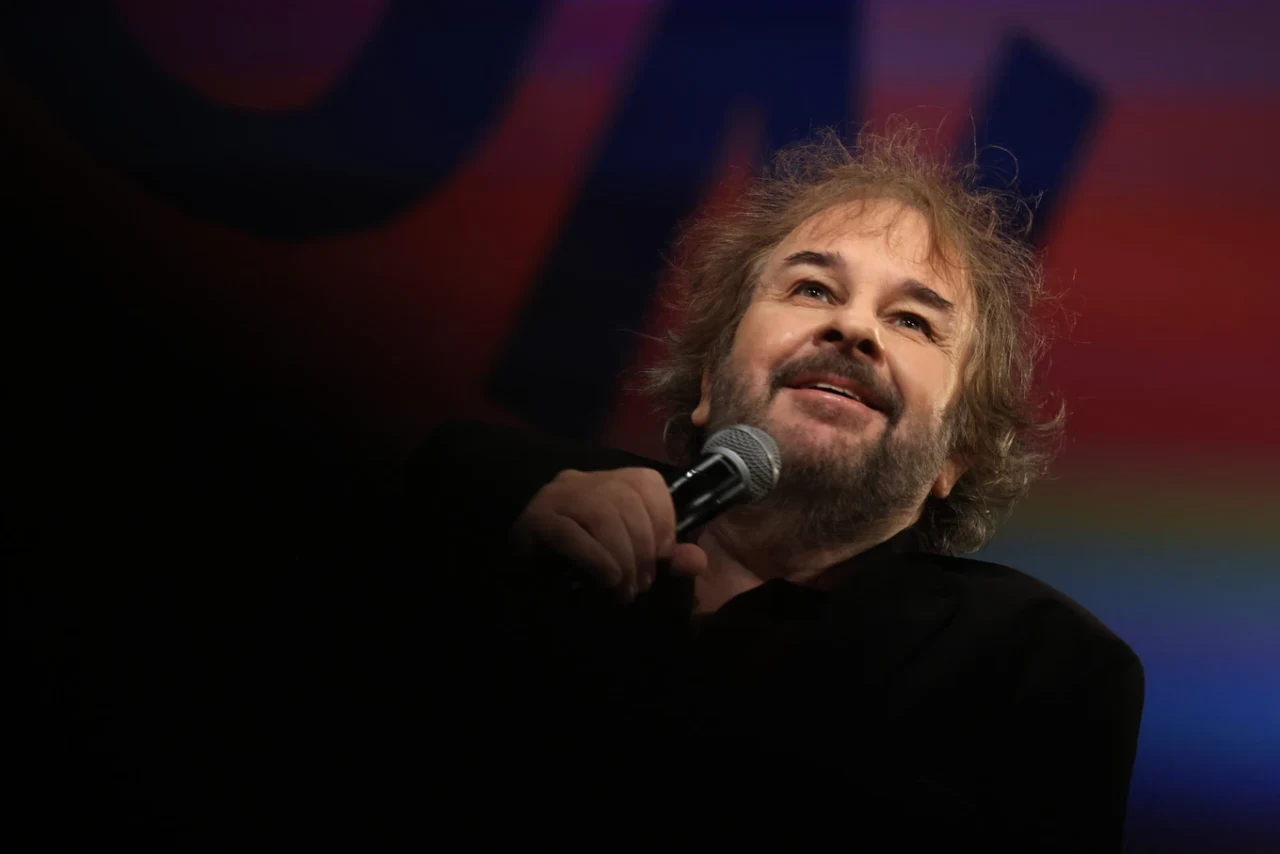

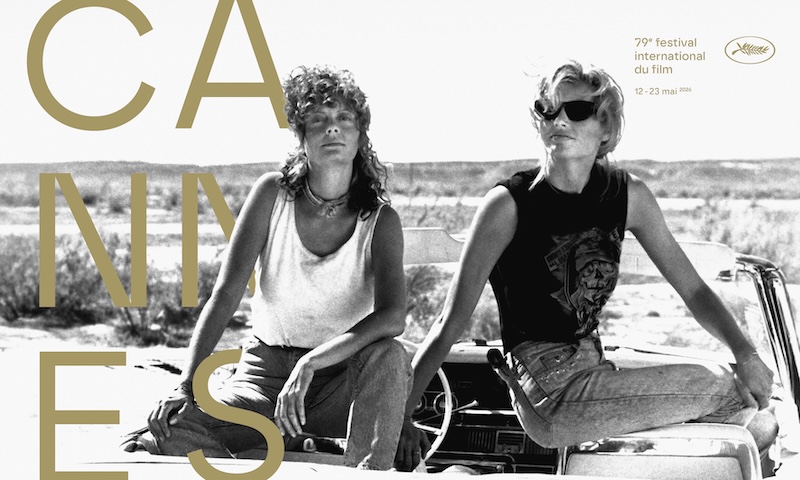
25 years after unveiling the first footage from The Lord of the Rings: The Fellowship of the Ring at the 2001 Cannes Film Festival, Peter Jackson returned to the Salle Debussy for a Rendez-vous the morning after receiving an Honorary Palme d’Or. Opening the conversation with characteristic self-deprecation, Jackson reflected on the unexpectedness of the honour. “I’ve never harboured any thought that I would win the Palme d’Or, just as I’ve never harboured any thought that I would be a ballet dancer or an Olympic high jumper,” Jackson admits. “I just don’t make Palme D’or type films – and it’s actually true, I didn’t make a Palme d’Or film, I really like the idea of winning a Palme d’Or without having to make a film.”
Recalling his first time entering the Palais in 1987, where he arrived as a young filmmaker presenting the sci-fi action comedy Bad Taste, Jackson remembered being eager to immerse himself completely in the festival atmosphere. “I’d registered, filled in the forms, sent my photo in, and I had to pick up my badge because I was really looking forward to seeing films – the badge was like the Willy Wonka golden ticket.” The moment, however, was short-lived. Before he could even reach the counter, security stopped him for wearing shorts and promptly escorted him out of the building. Jackson laughed at the memory, adding: “I was very tempted to wear a tuxedo and shorts last night.”
From there, Jackson reflected on the kind of films that first made him want to become a filmmaker, and why genre cinema so often becomes the starting point for young directors. “No matter what type of movies you make or tend to gravitate towards, you are inspired by similar movies that have come before.” Like any artist, he reflected, “You’re the result of the influences that you have seen.” For Jackson, horror offered the most accessible route into filmmaking for young directors working without money or infrastructure. “When you’re making your first film, you’ve got no money, it’s hard to hire professional actors, and sometimes you can’t even get a professional script written.” Horror, he suggested, allows imagination to compensate for limitations in budget and resources, adding that, “Even if they don’t stay in the genre and they move on, on to other things, it’s a good way to start.”
For Jackson, the appeal of genre cinema was always tied to escapism – something that began in childhood, long before Cannes or filmmaking itself. He recalled becoming obsessed with Thunderbirds after his parents bought a television set in the 60s. “I was falling in love with the whole escapist thing.” What captivated him most was the ability of films and television to transport audiences elsewhere. “I love TV and films where you could escape from the real world, and go on to some adventure that, you know, was either science fiction or horror or fantasy.” But one film transformed that fascination into ambition. “Watching King Kong was the night that I knew I wanted to make films.” Soon afterwards, he recalled, “It began with my parents’ Super 8 home movie camera, which I immediately commanded.”
Although his films are often associated with fantasy and spectacle, Jackson spoke at length about realism, research and historical grounding as essential to his filmmaking. Discussing Heavenly Creatures, he described approaching the infamous Parker-Hulme murder case almost like investigative journalism. “That was what interested us about the film: we wanted to explain, in a very historically accurate way, how two girls forming a friendship can result in them actually killing one of their mothers.” The production involved extensive research across Christchurch, and the result was that everything in that movie is factual: even the fantasy sequences came directly from Pauline Parker’s diary entries documenting her imaginary world.
That same commitment to treating fantasy as something tangible and historically grounded would later shape The Lord of the Rings trilogy. “When we made those films, we didn’t really come at them through the fantasy door – we came at them through the historical door.” Rather than approaching Middle-earth as pure invention, Jackson treated Tolkien’s world as though it belonged to a real historical past. “So in our minds this story actually happened – it’s true, it’s a story from the past.” The trilogy, he explained, was approached no differently than a historical epic. “We thought of it as you would think of telling a story about Henry the Eighth or William the Conqueror.”
Looking back on the beginning of the trilogy, Jackson revealed that the enormity of the undertaking barely registered at the time. “We didn’t know enough to be scared.” Instead, “We just blundered our way into it with a naive sense of belief.” He also reflected warmly on Elijah Wood, who sat in the audience after presenting Jackson with the Honorary Palme d’Or the previous evening. “Elijah was relentlessly cheerful every single day,” Jackson recalled. “He was there to help me make the film I want to make.”
Reflecting on the large-scale battle sequences that became synonymous with his filmmaking, Peter Jackson stressed that spectacle alone quickly loses meaning without emotional investment. “Never go for three shots without showing one of your characters,” he said, explaining that whether dealing with giant apes, orcs or armies, the audience’s connection to the characters must remain central. “A battle is only interesting if you’re invested in the people.”
That same character-driven approach continues to shape Jackson’s future projects. Discussing the upcoming The Hunt for Gollum, directed by Andy Serkis and produced by Jackson himself, he insisted “The most exciting version of the movie is one that Andy can make,” noting that nobody understands the character better than Serkis. Elsewhere, he spoke of his interest in making a film centred on the Dam Busters raid and confirmed that a sequel to The Adventures of Tintin remains in development. Yet despite the range of projects on the horizon, Jackson appeared characteristically unconcerned with carefully mapped-out long-term plans. “I don’t really have a five-year plan,” he said, bringing the conversation to a fittingly open-ended end.
Christina Yang
Photo: Courtesy of Cannes Film Festival/Jean Louis Hupe/FDC
Read more reviews from our Cannes Film Festival 2026 coverage here.
For further information about the event, visit the Cannes Film Festival website here.











Facebook
Twitter
Instagram
YouTube
RSS