
The man who designed Paris twice
 17 August 2026
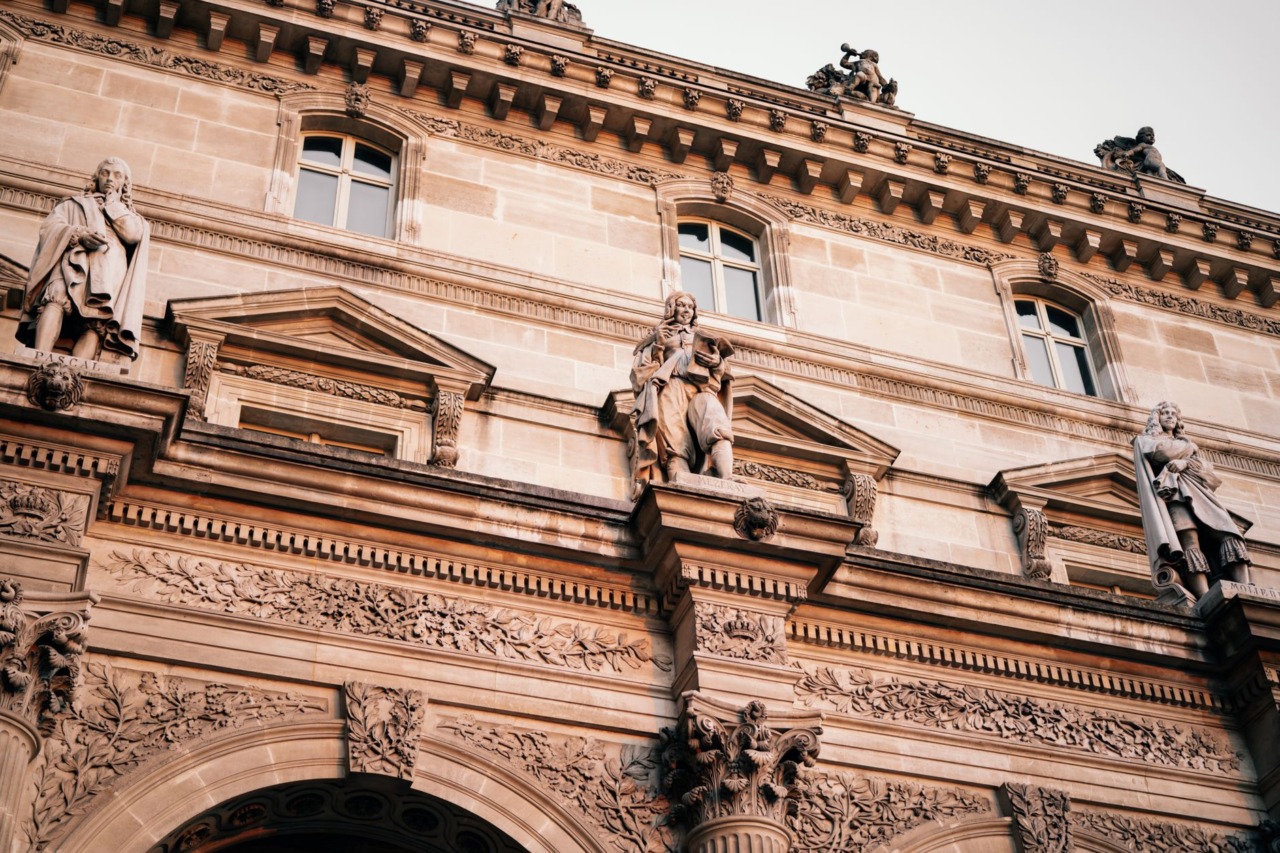
In 1861, the Second Empire era, a barely-known architect pipped over 170 rivals to the post in getting the nod to design a new Parisian opera house. It was the time of 3D facades and the Mansard Roof. 15 years later, he went on to build a smaller, gaudier cousin of it, four hundred miles south, which gave Monaco its iconic and photographable skyline.
An unknown architect wins the biggest job in Paris
None other than Napoleon III ordered the new opera house in 1860 – he was unhappy with the cramped old venue on Rue Le Peletier. He did what many did at the time and threw the design open to competition. There’s little downside, a lot of ideas put forward for free, and it builds some hype in the process.
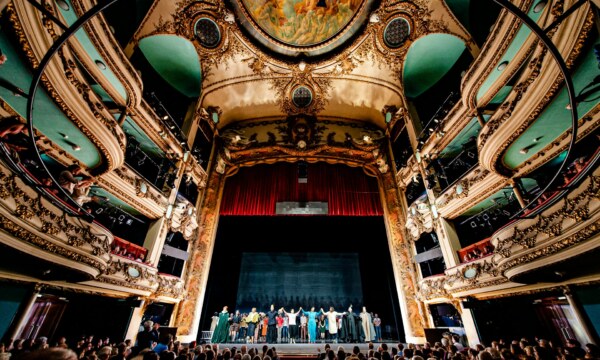
Charles Garnier was 35 at the time and largely untested. He won anyway against a field that included far more established names, a story the Paris Opera still tells with a certain pride. Meritocracy in action. What followed was fourteen years of construction dragged out by war, a change of government and many gaps in funding, before the building finally opened in 1875. The Palais Garnier. Marble staircases, gilt everywhere, a ceiling eventually repainted by Chagall. It helped define what people now picture when they imagine Second Empire opulence.
Monaco wanted the same trick, done smaller
He soon made a name for himself and a few years later, Monaco came calling. The principality’s ruling family and the Société des Bains de Mer wanted somewhere for visitors to go after dark that wasn’t just the gaming rooms, so they brought Garnier down to the Riviera. His mandate was to expand the existing gaming halls and add a proper concert hall onto it.
It opened in January 1879, inaugurated with Sarah Bernhardt, and became known simply as the Salle Garnier. Or, Opéra de Monte-Carlo. Squeeze in 524 seats and the family resemblance to Paris becomes more obvious: same architect, same appetite for gilt, just shrunk down to fit a smaller stage. The gaming hall it’s attached to, and the opera house tucked inside it, were built as a single package, much like how a modern online casino might house an entertainment platform or poker space adjacent to it. They’re complimentary.
Same architect, two very different audiences
In Paris, Garnier was building a civic monument on the state’s money. It was meant to announce an empire’s confidence to an entire city (like most of the grand buildings during this era). In Monaco though, he was working for a private company and a princely family. This is a narrower brief, actually, which is to just keep wealthy visitors entertained for an evening. Narrower, but somehow freer. Both had sweeping staircases and oversized chandeliers (which fix what’s not broken, when this is what they signed up for). It was the same spectacle, deployed twice, and for two different paymasters.
Our weekend itinerary tends to put the opera house and its neighbour on the same afternoon, and it’s not hard to see why once you know the backstory. Garnier really only ever designed one building. He just got to build it twice. This isn’t a unique story, and it’s why architecture often had stronger, more consistent motifs all around.
The editorial unit













Facebook
Twitter
Instagram
YouTube
RSS