
Abigail’s Party at Harold Pinter Theatre
 20 August 2026
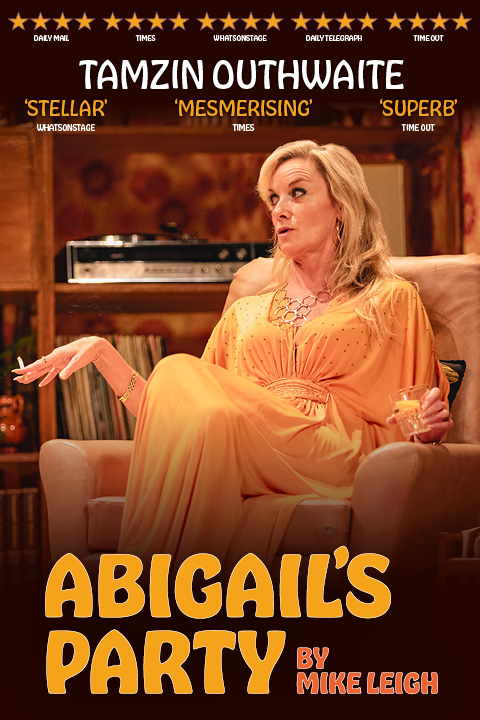
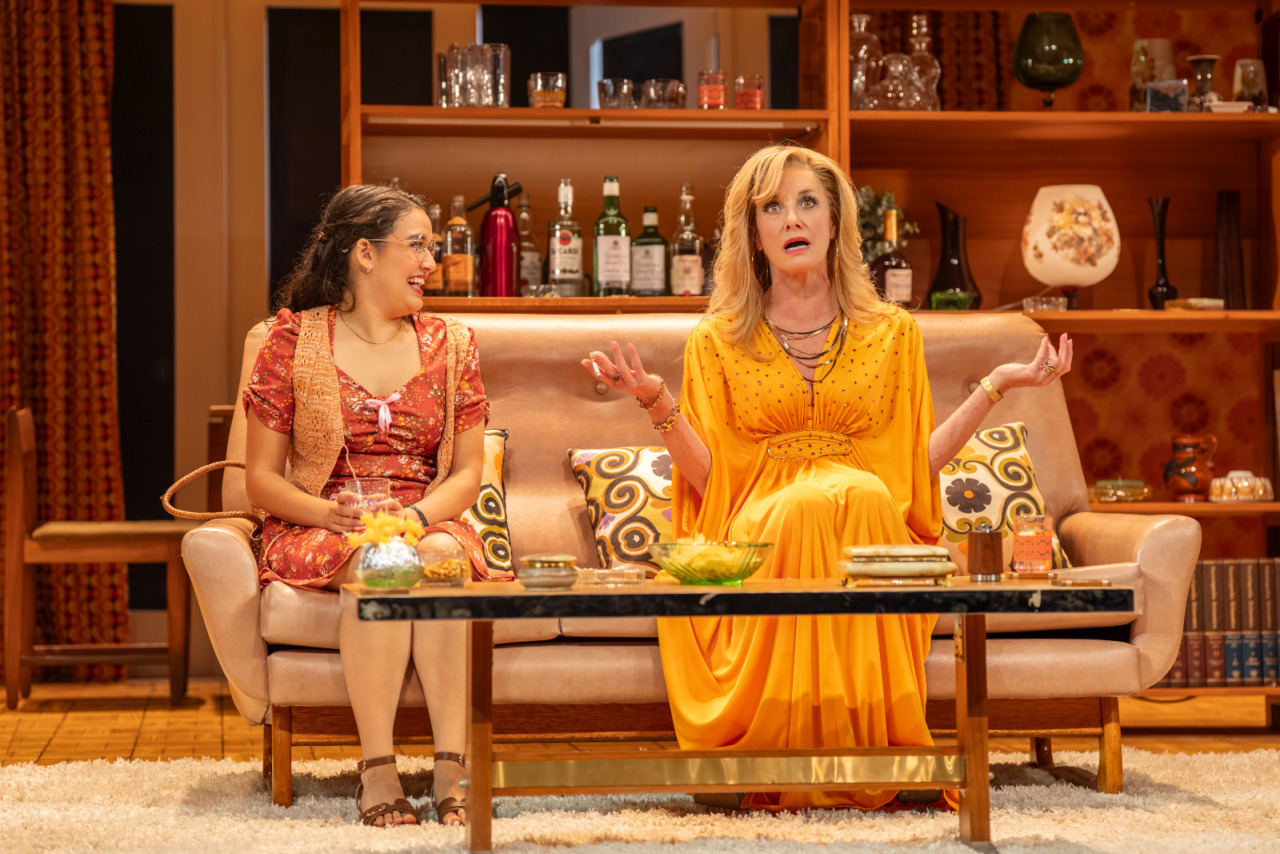
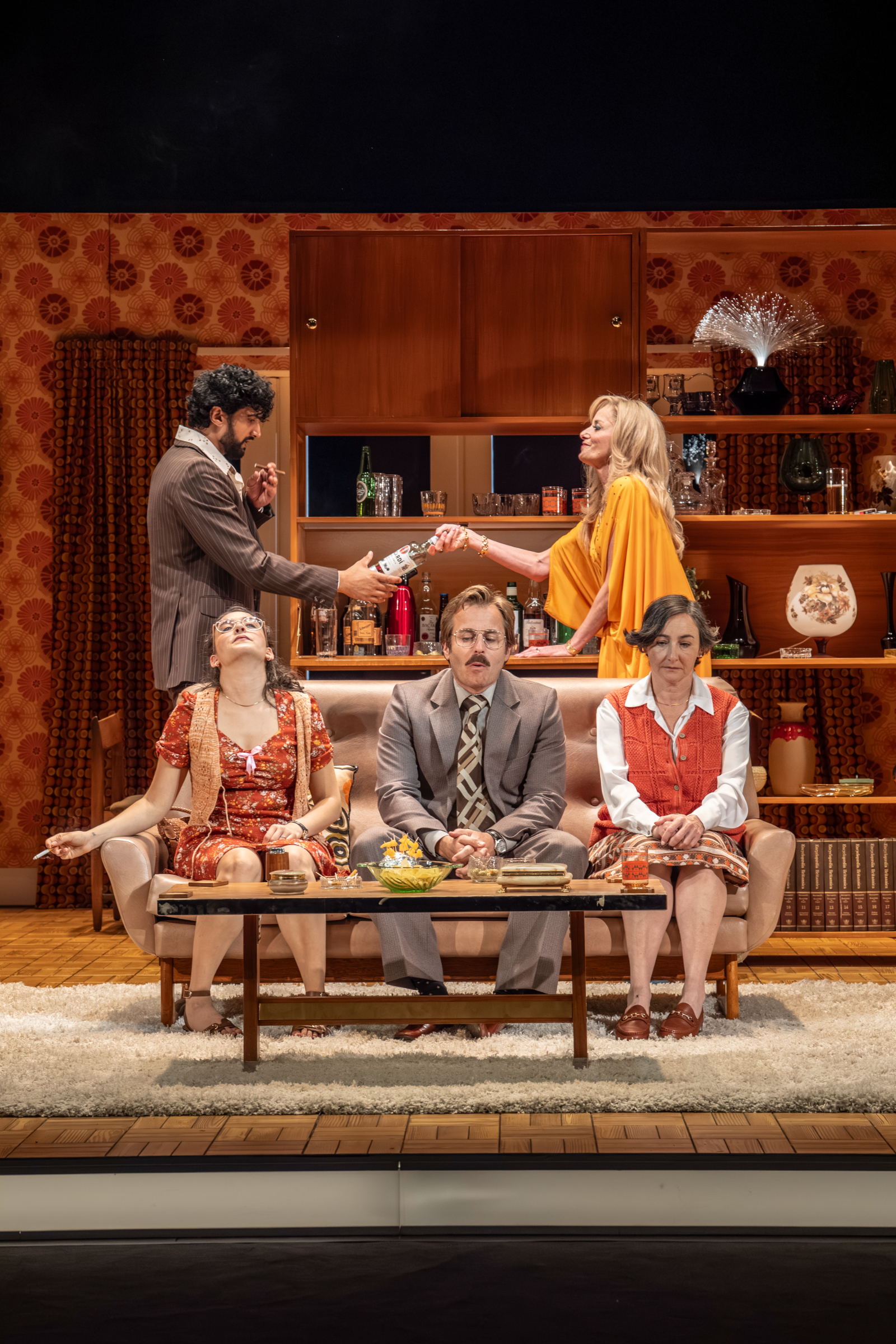
Abigail’s Party may have first emerged on Britain’s stages in 1977, but its sharp-witted, satirical depiction of that decade’s “new middle-class” has as impactful a sting in the 21st century as it must have had upon its initial emanation. Most recently staged at Stratford East in 2024, this new production by director Nadia Fall was transferred to the West End this month. Playing at the Harold Pinter Theatre, it stars EastEnders’ Tamzin Outhwaite as the egotistical and domineering Beverly and Kevin Bishop as her oft-put-down husband Laurence. Together, they play host to the neighbourhood get-together from hell.
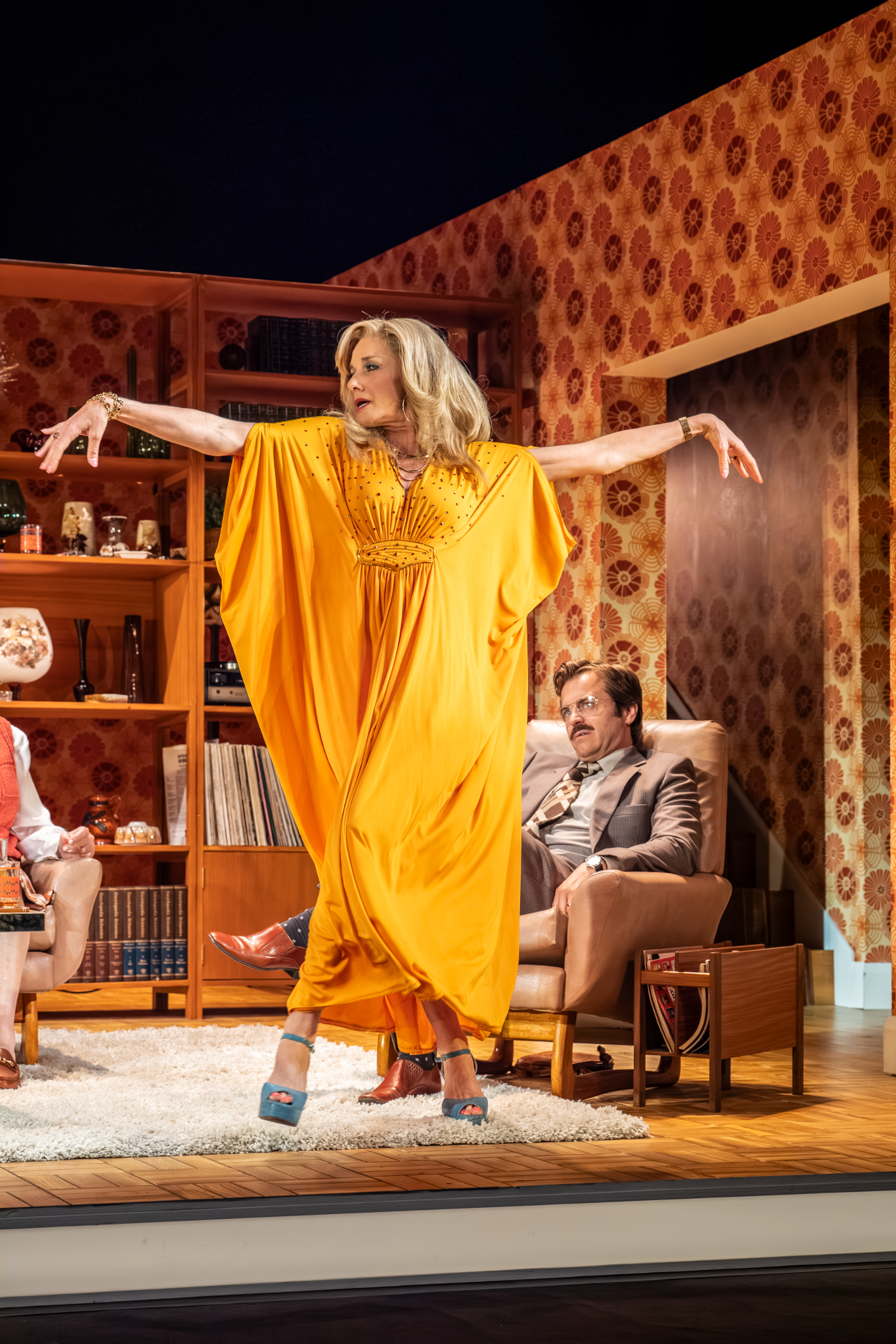
From the opening scene – in which Outhwaite’s Beverly, dressed in a bedazzled caftan and chunky heels, performs a solo dance to Donna Summer’s Love to Love You Baby – there is a clear sense of something coming unhinged. Classed as a “dark comedy”, the ridiculousness of each character and their interactions is sure to prompt continued laughter throughout the show. Yet the comedic element sits alongside the increasingly certain suspicion that something is off in the atmosphere. It’s undetermined exactly what is going to happen, but what is certain is that it won’t be good.
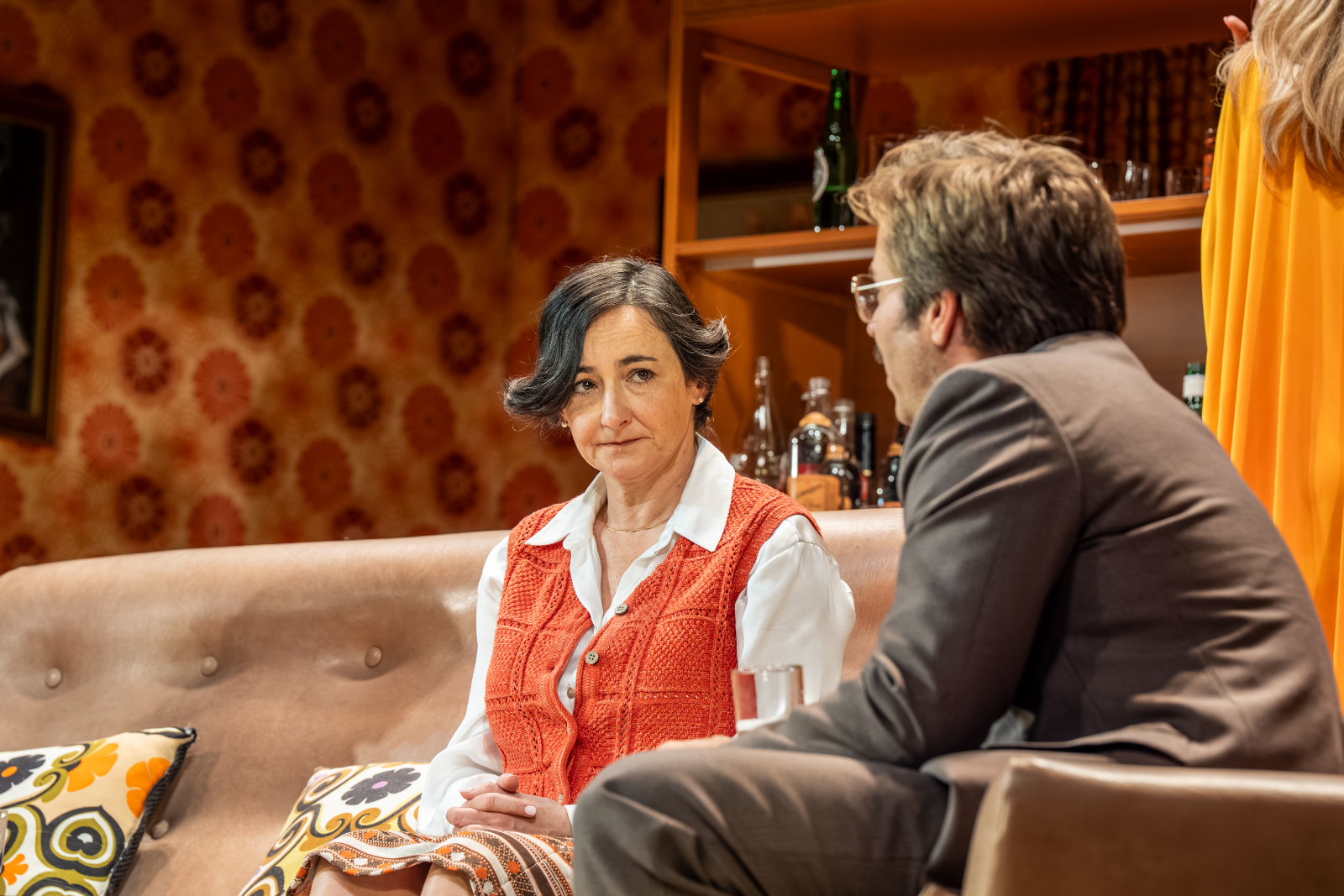
Everything in this production lends itself perfectly to the creation of an intensely taut atmosphere. Like the swelling of rain clouds before a thunderstorm, the inane and almost painfully stilted conversation of Beverly and Laurence’s guests in the first act – revolving around topics such as real estate pricing and the benefits of a furnished versus unfurnished home – signals the arrival of something much darker in the second. Every seemingly innocuous question around how the new neighbours Ange and Tony, a married couple with seemingly very little in common, are finding the neighbourhood, or a commanding offer of another drink or a cigarette to the buttoned-up, socially awkward Sue (Pandora Colin) hints at a sinister undercurrent to the gathering at hand.
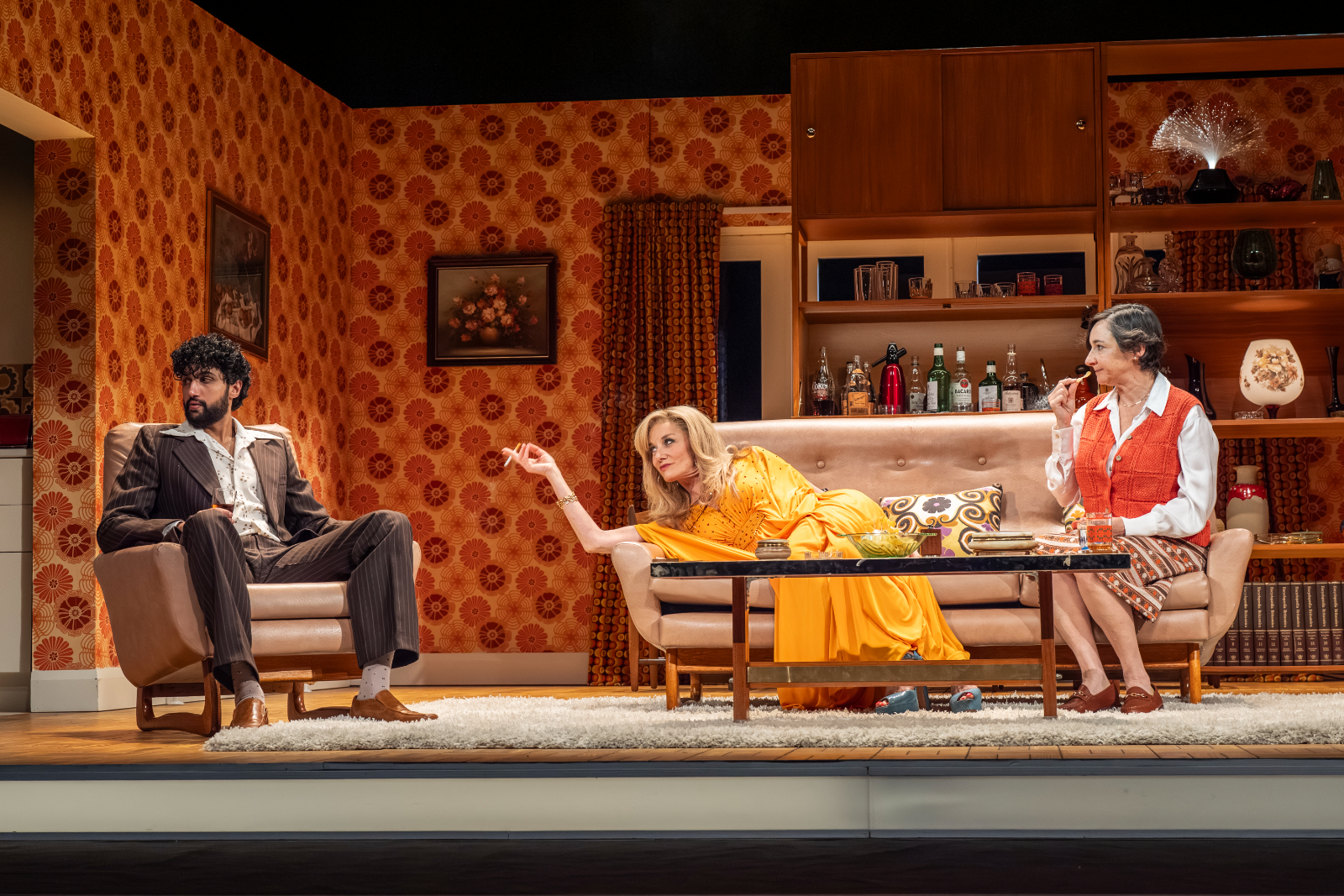
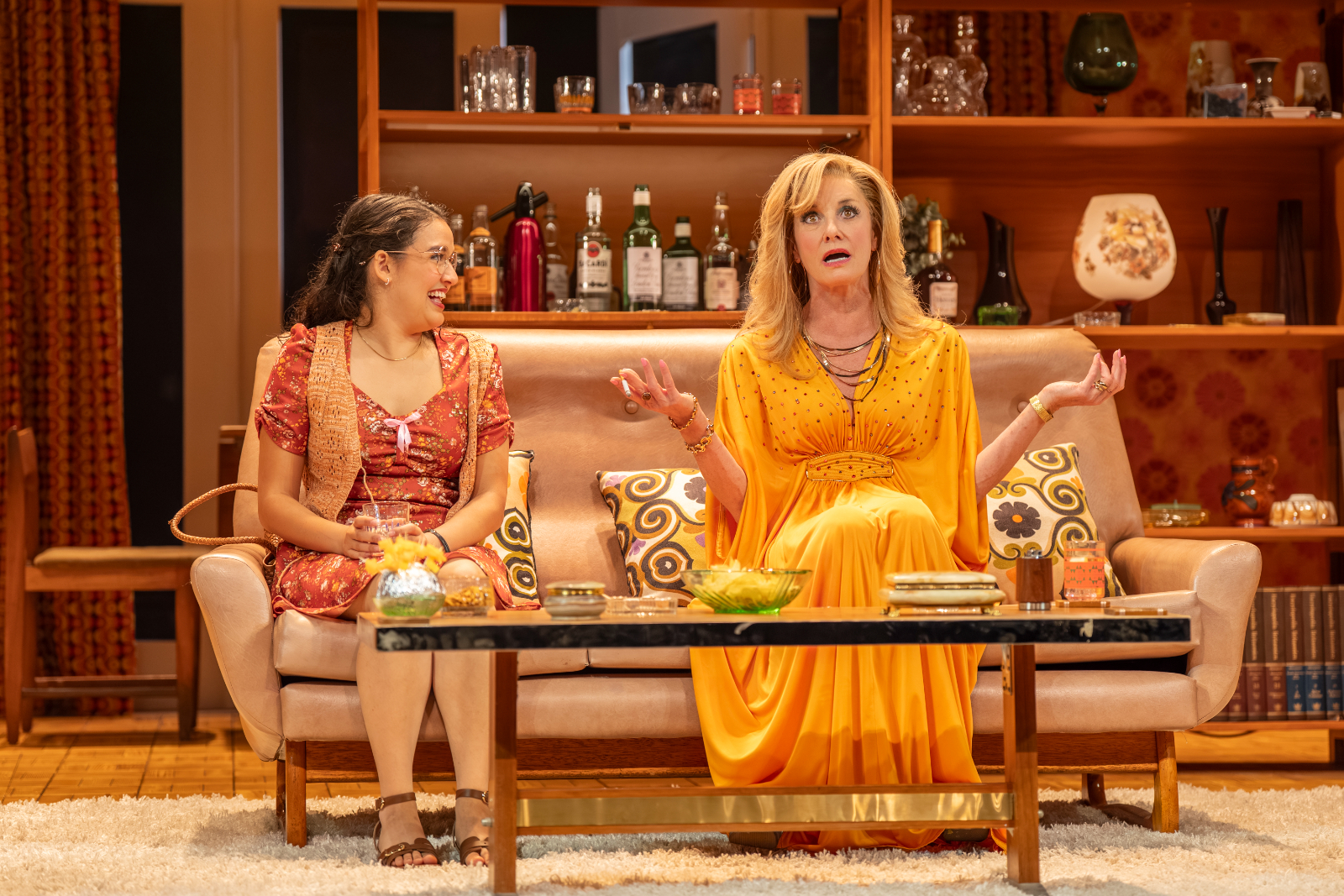
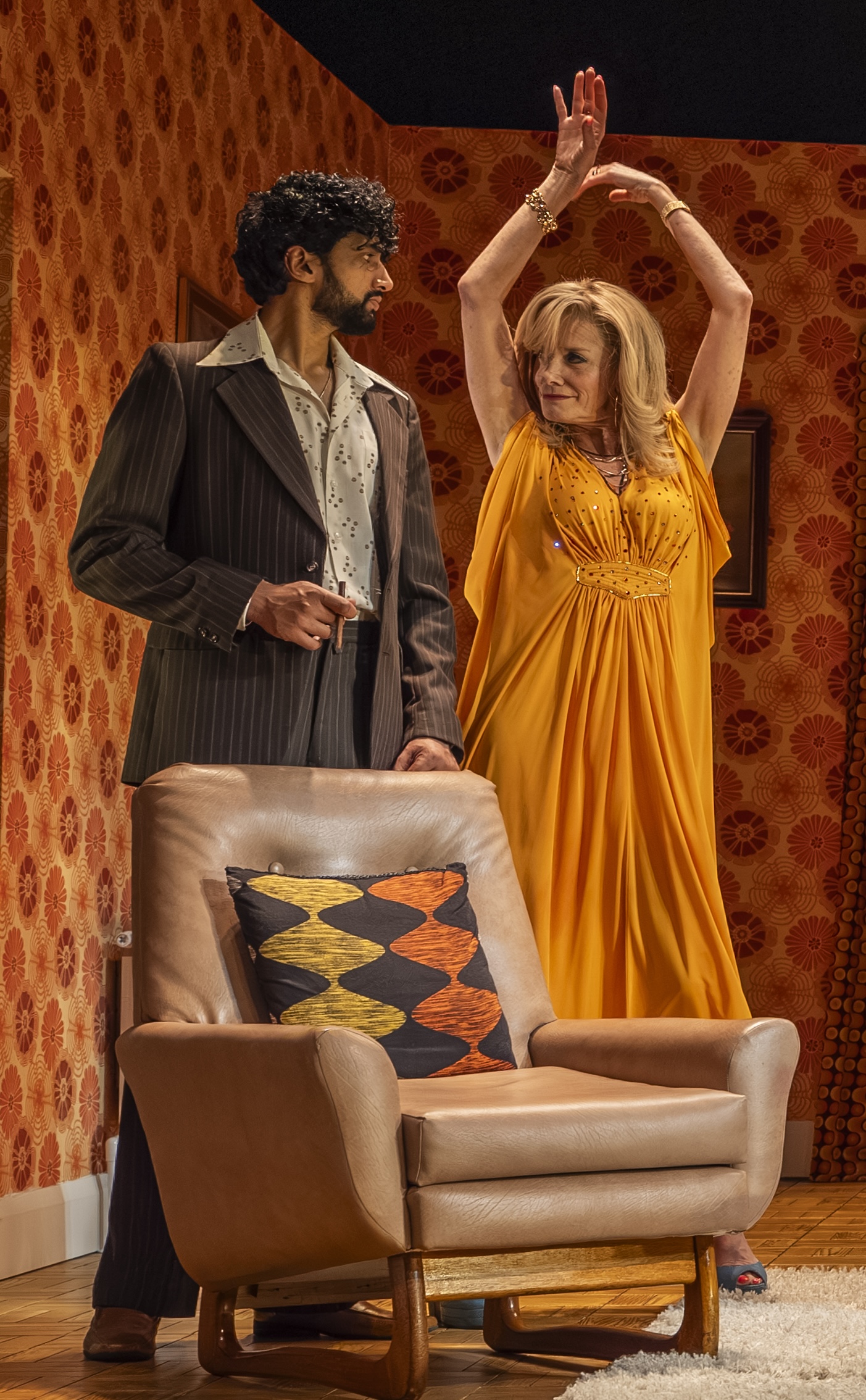
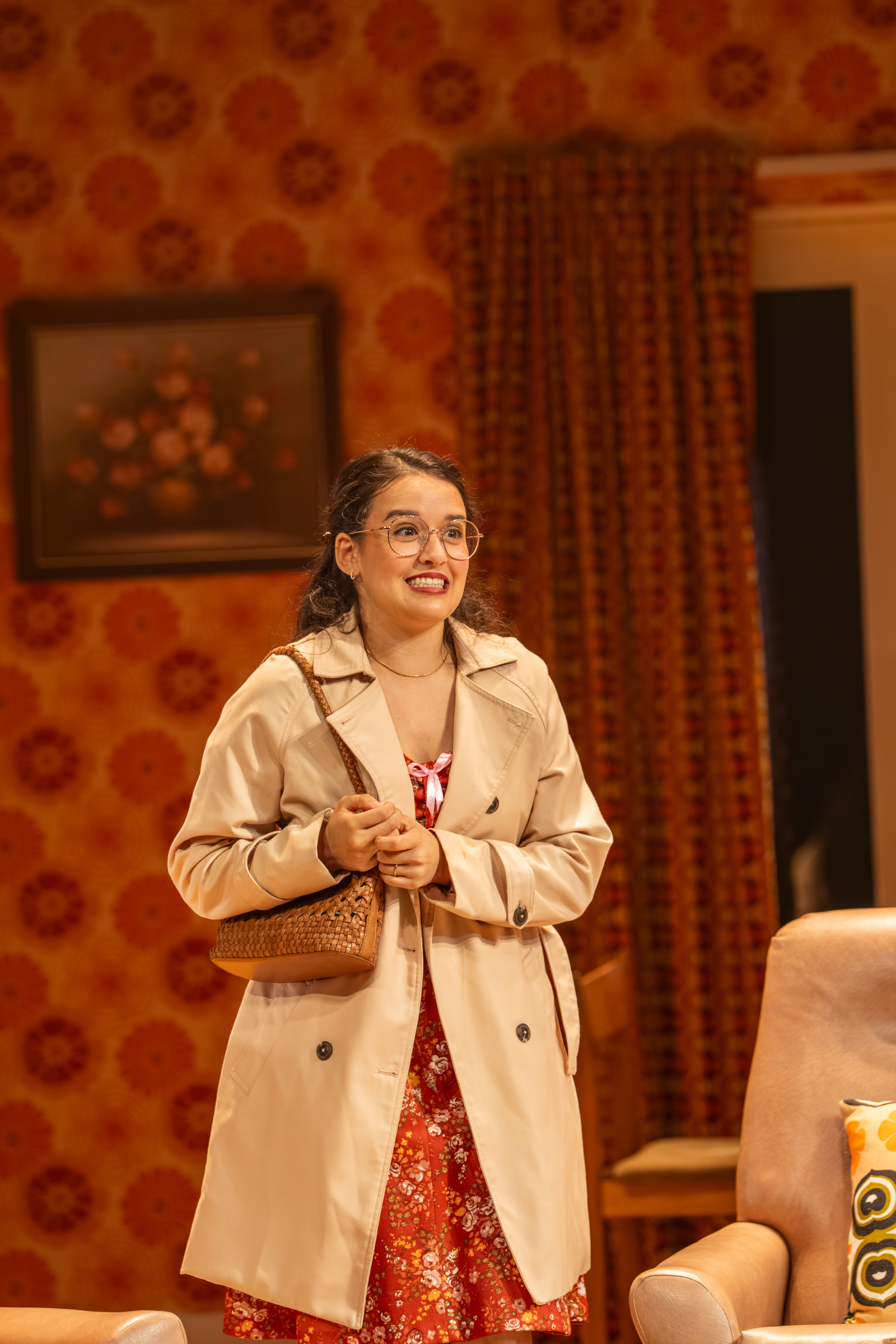
The supremely talented cast manage to imbue each word, gesture, and movement with a secret significance, meaning the simplest of statements or looks has the power to elicit both laughter and unease. Outhwaite is particularly skilled at this in her not-so-subtle advances towards the monosyllabic Tony (Omar Malik): the presence of his unsuspecting wife (Lauren Patel), who clings onto the glamorous Beverly’s every word even when these words are obvious put-downs, and her increasingly agitated husband do nothing to deter them.
Setting the seemingly “polite” get-together at Beverly and Laurence’s house against the backdrop of Sue’s teenage daughter Abigail’s more outwardly raucous party next door – which the audience hears, but never sees – serves to lift the veil of propriety on the party the audience is seeing. Despite the heightened age and ostensible financial success of the party guests at Beverly’s gathering, as the gin and tonics flow and marital and familial woes are revealed, their “sophisticated” evening devolves into a catastrophic mess no better than what one can assume is happening at the teenage party next door.
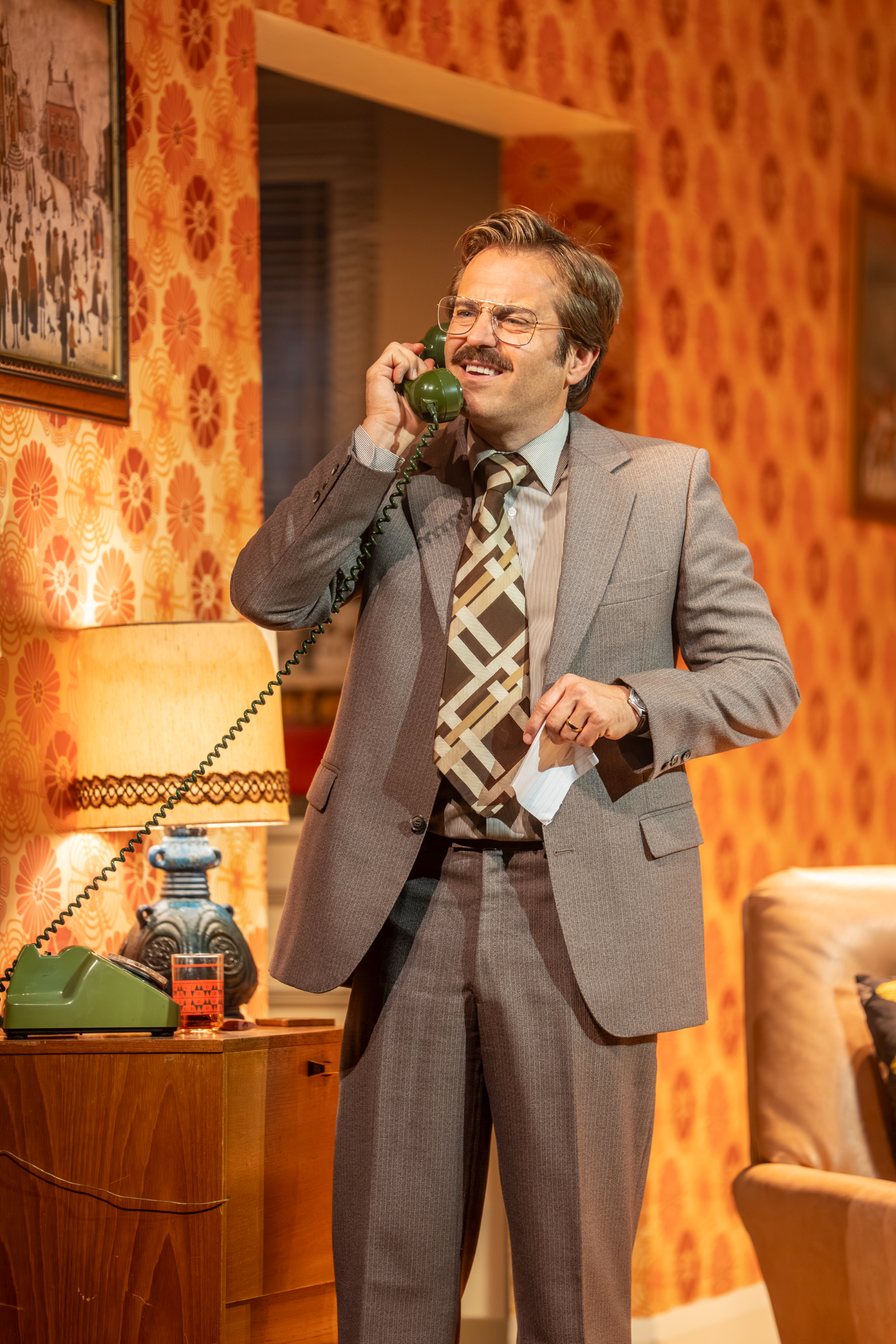
Ultimately, the play’s humour and dialogue combine to reveal the flaws in each of its characters: Sue’s lack of backbone, Tony’s temper, and Ange’s innocent ignorance. Beverly’s narcissism and need to be in control are obvious despite the sing-songy tone in which she asks questions and makes “suggestions” to her husband and guests. Her boredom in her life and marriage is offset by Laurence’s financial success, but he is addicted to his work and reveals a menacing classism – and racism – in his attitude towards Ange and Tony.
While the set design’s orange floral wallpaper and the music the characters play on their record player situate Abigail’s Party firmly in the 70s, its exploration of the significance of the unsaid within “polite society” and humorous critiques of the suburban “bourgeois” make for a timeless show that will both disturb and prompt laughter out loud.
Madison Sotos
Photos: Ellie Kurtz
Abigail’s Party is at Harold Pinter Theatre from 12th August until 19th September 2026. For further information or to book, visit the theatre’s website here.













Facebook
Twitter
Instagram
YouTube
RSS