
Why live gaming is borrowing the language of streaming television
 23 August 2026
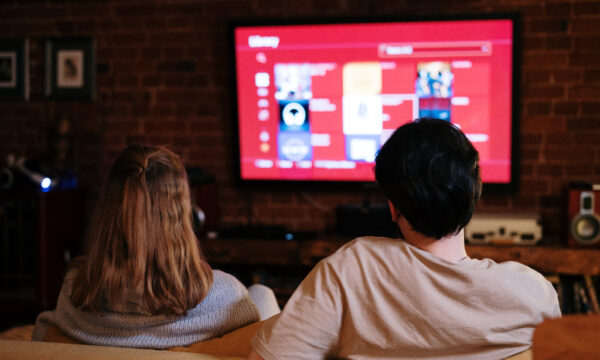
Watching something on a screen used to be a passive activity. A programme started, the audience watched and the credits rolled. Streaming changed that relationship. Viewers can now comment, react, vote and communicate directly with the person on screen. Live gaming formats have followed the same path, borrowing many of the ideas that make modern broadcasts feel immediate and personal.
The PlayOJO live gaming experience shows how online games can combine human presenters, studio production and digital controls within a single screen. It is a useful example of how gaming platforms have moved away from basic computer-generated experiences and towards something closer to a live entertainment broadcast.
Live gaming is an online entertainment format streamed in real time from a studio environment, with a human presenter guiding the action. Participants make decisions through buttons on a phone, tablet or computer while watching the experience unfold through a video feed. It is part interactive game, part livestream and part television production.
It looks like television because it is made like television
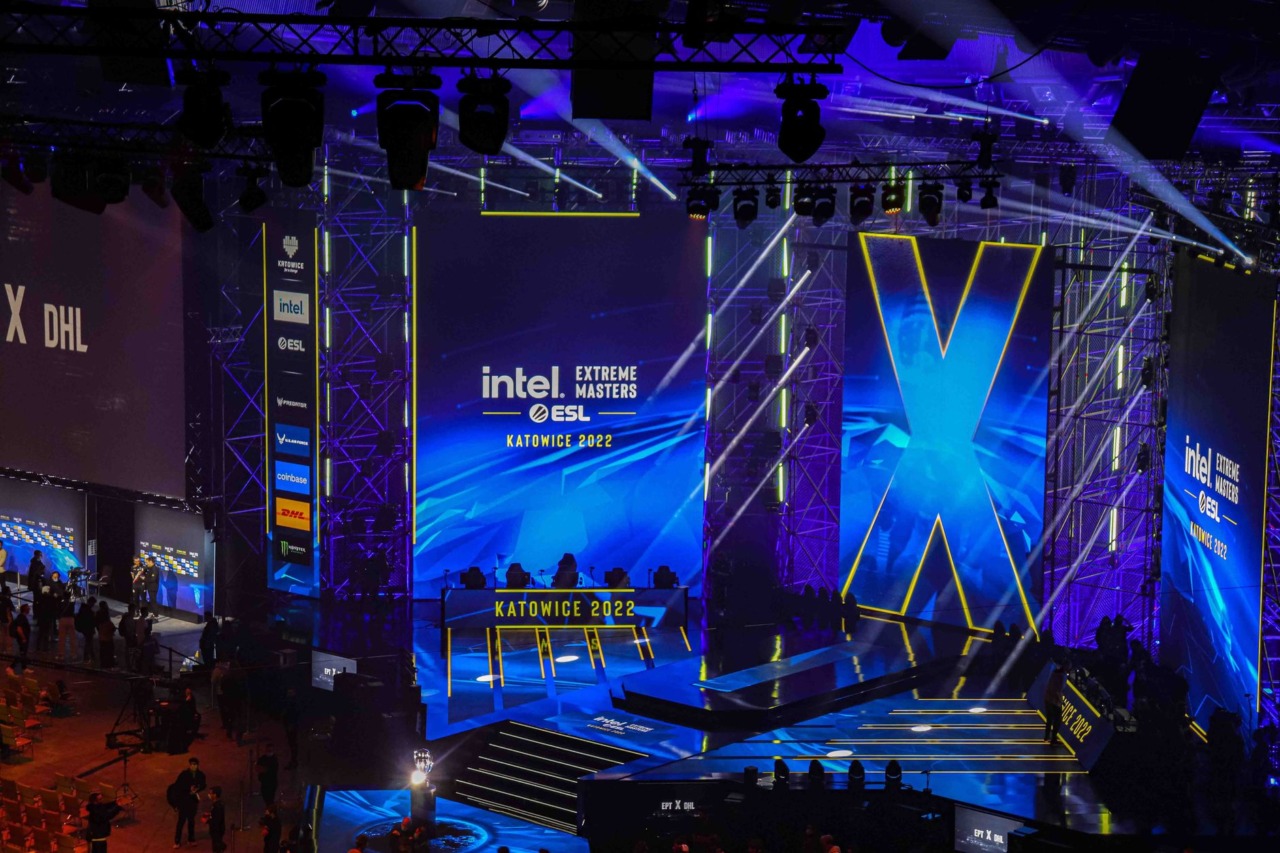
A live gaming studio is not simply a room with a set and a camera pointed at it. The production has to be planned in much the same way as a television programme.
Lighting keeps the set, graphics and presenter clearly visible. Camera angles show the main activity and important results. On-screen graphics display choices, countdowns and previous outcomes without covering the action. Producers also have to make sure the video reaches participants with as little delay as possible.
The visual style matters too. Some games use the calm look of a traditional television studio, with darker colours and formal presenters. Others are brighter and faster, borrowing ideas from quiz shows, daytime television and game-show sets.
That variety helps live games reach people who may find a plain digital interface a little cold. The familiar language of television makes the format easier to understand.
The presenter is part of the experience
Traditional online games do not need a presenter. Actions are handled by software, the result appears and the next round begins.
A live presenter has a different job. The presenter runs the game, explains what is happening and keeps the pace moving. Presenters may also greet participants or respond to messages sent through live chat.
That makes personality important. A good presenter needs to be clear without sounding robotic, friendly without slowing the game down and comfortable speaking to an audience that remains unseen.
It is similar to hosting a live quiz or shopping programme. The presenter has to fill quiet moments, repeat key information and remain composed when something unexpected happens. The game may be the focus, but the host gives the broadcast its character.
Real-time interaction changes the mood
The main difference between recorded entertainment and a live broadcast is the feeling that something is happening now.
Live gaming formats use that feeling well. Participants have a limited period to make a decision; the presenter performs the next action and everyone watching sees the same result. Even when participants are joining from different places, the same round is shared.
Chat features add another layer. A message may receive a reply from the presenter, creating a small but noticeable connection between the studio and the person watching at home.
This reflects a wider change in interactive entertainment, where audiences increasingly expect to participate rather than simply watch.
The rules of the games may not have changed much, but the way people experience them certainly has.
The technology has to stay out of sight
Live gaming depends on technology, but a good game should not constantly remind the participant of it.
The video has to remain clear. Buttons must respond quickly. Choices need to be confirmed before each round closes. Results must match what happened within the studio production. On mobile, all of this has to fit onto a smaller screen without becoming difficult to read.
A weak internet connection can break the sense of being present. Frozen video, delayed sound or slow controls turn a live event into a frustrating one.
Behind the screen, systems track the action and translate physical activity into digital information. Cameras and sensors can help record physical movements. In card-style games, scanning technology can identify visual elements as they appear. The result then appears within the participant interface.
It sounds complicated because it is. The clever part is making it feel simple.
Game-show ideas are widening the format
Quiz formats, card-style games and number-based challenges remain closely linked with live gaming, but newer titles have moved further towards television entertainment.
These games may include large wheels, bonus rounds, colourful sets and hosts who behave more like game-show presenters than traditional gaming hosts. Some use several cameras and dramatic countdowns to build tension before a result.
The attraction is easy to see. Viewers already understand the language of game shows: a host explains the rules, a participant makes a choice and everyone waits for the result.
Live gaming removes the studio audience and places the interaction on a personal screen. The participant is no longer watching someone else take part. The decision is made directly through the interface.
That does not turn gaming into television, but it shows how easily the two formats can borrow from each other.
Where live gaming differs from television
Despite the shared production style, live gaming is still interactive entertainment. It should not be confused with a television quiz, a passive programme or a fixed viewing experience.
Every interactive session involves active choices. A confident host, bright studio or lively soundtrack does not change the mechanics behind the game. The presentation may make the experience more entertaining, but it cannot make every outcome or development predictable.
Adults who choose paid interactive entertainment should treat it as leisure, decide what level of spending is appropriate before starting and use available account controls where necessary. Anyone concerned about excessive digital activity can also seek independent guidance on maintaining balanced habits and healthy use of online entertainment services.
The broadcast may continue around the clock, but there is no need for any individual participant to do the same. Clear information, visible controls and sensible user tools should always sit alongside the entertainment.
The screen is becoming a shared space
Streaming television taught audiences to expect more from a screen. It could be a place to watch, chat, vote, play or react in real time.
Live gaming has taken those expectations and applied them to online interactive experiences. Human presenters create a social connection. Studios provide the polish of a broadcast. Digital controls allow the audience to take part.
The result sits somewhere between gaming and television without fully belonging to either. It is not simply an interactive experience shown through a webcam, and it is not a programme with a fixed script.
It is a live digital production built around participation. As entertainment continues to become more interactive, that combination is likely to feel less unusual and much more familiar.
The editorial unit






















Facebook
Twitter
Instagram
YouTube
RSS